Hear from Our Customers
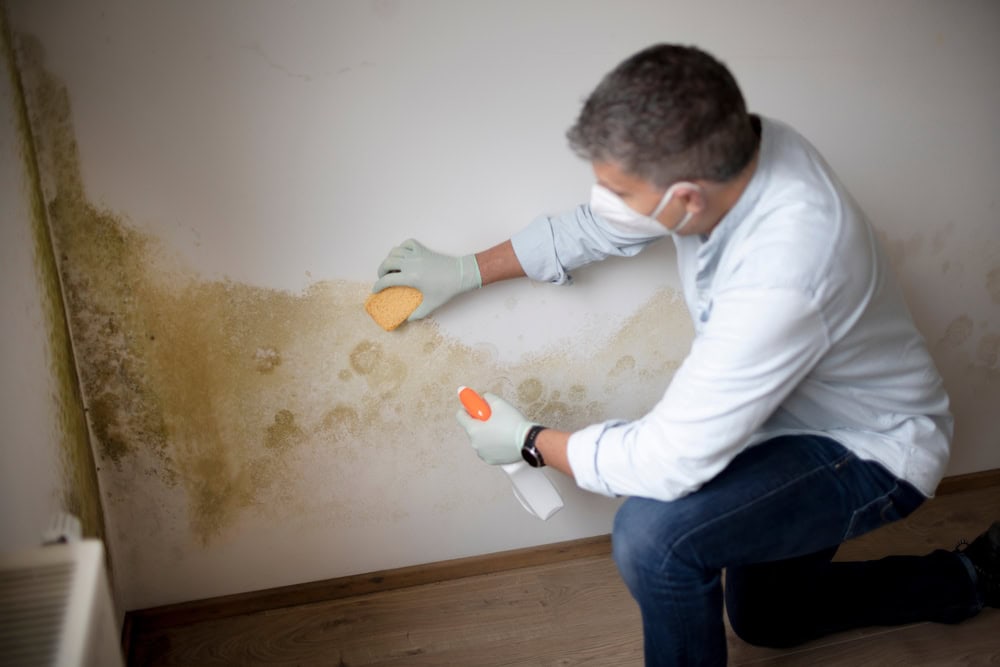
You shouldn’t have to wonder if your home is safe. Mold creates real health risks—respiratory problems, allergic reactions, asthma flare-ups—especially for kids, elderly family members, or anyone with existing health conditions. It also eats away at your property value, damaging drywall, wood framing, and insulation the longer it sits.
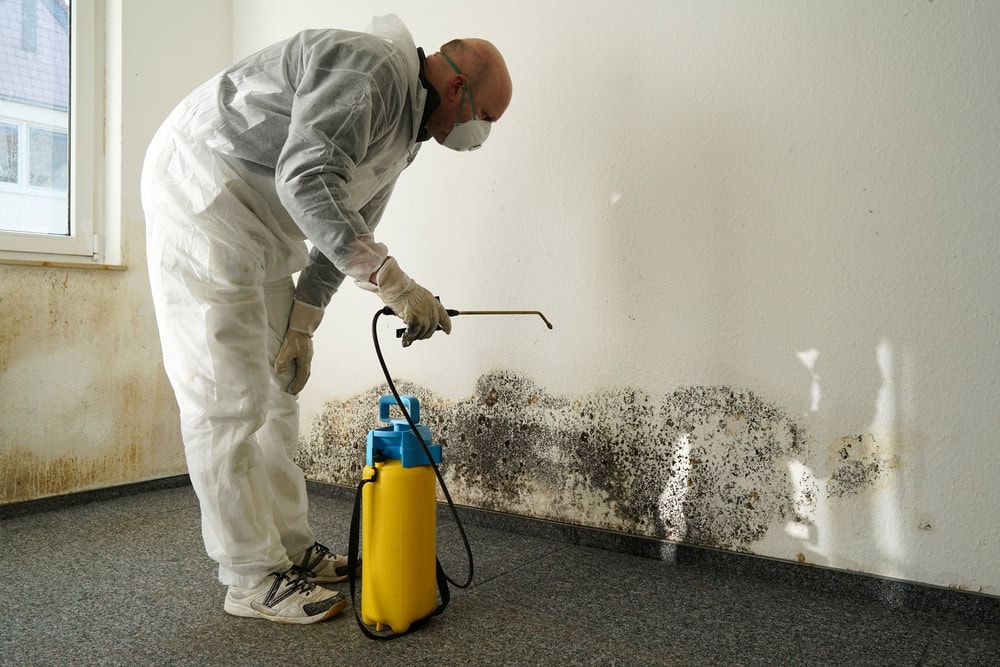
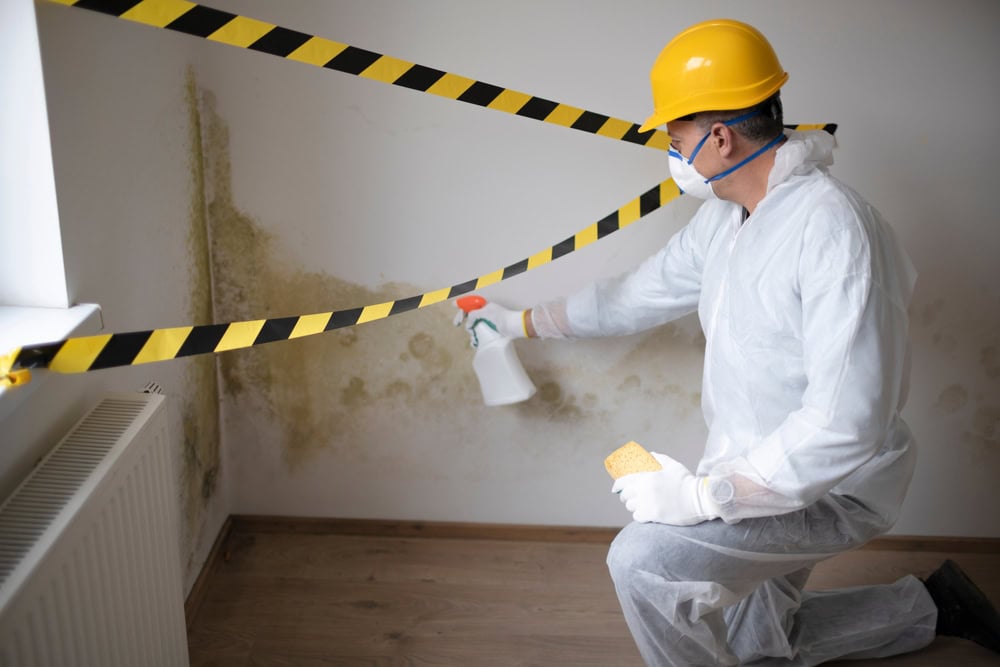
Professional mold remediation removes what you can see and what you can’t. That means identifying the moisture source feeding the problem, containing the affected area so spores don’t spread during cleanup, and using HEPA filtration to capture microscopic particles floating in your air. When it’s done right, you’re not just cleaning surfaces—you’re eliminating the conditions that let mold thrive in the first place.
Indiana’s humid summers and unpredictable rainfall make basements, crawl spaces, and attics prime targets. If you’ve noticed musty odors, visible growth, or unexplained health symptoms that improve when you leave the house, mold remediation isn’t optional—it’s necessary.
We work with homeowners and businesses throughout Trafalgar and Johnson County. We understand the moisture challenges that come with Indiana’s climate—the humid summers, heavy spring rains, and the way older homes in the area tend to trap moisture in basements and crawl spaces.
Mold remediation isn’t about spraying bleach and hoping for the best. It’s about finding where water is getting in, stopping it, and removing contaminated materials properly so the problem doesn’t come back in three months. Our team follows IICRC standards, which means proper containment, negative air pressure, and thorough cleaning—not shortcuts.
We’ve been serving this community long enough to know that Trafalgar properties face unique challenges, from foundation seepage to poor attic ventilation. When you work with a local team, you’re working with people who’ve seen these issues before and know how to fix them.
First, we inspect your property to find visible mold and identify where moisture is coming from. That could be a leaky pipe, a crack in your foundation, condensation buildup, or water damage you didn’t even know existed. If we don’t fix the source, the mold will just grow back.
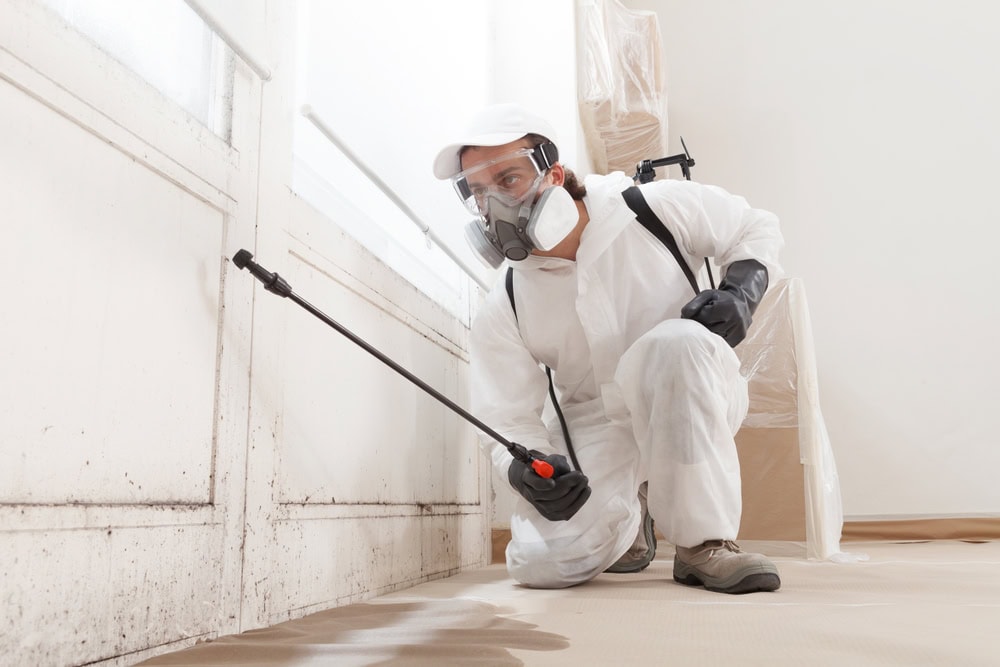
Next, we set up containment. This involves sealing off the affected area with plastic barriers and using negative air pressure to make sure mold spores don’t escape into clean parts of your home during removal. HEPA air scrubbers run continuously to filter out airborne particles.
Then comes removal. Porous materials like drywall, insulation, and carpet that are heavily contaminated get removed and disposed of properly. Non-porous surfaces get cleaned with antimicrobial treatments. We HEPA vacuum every surface—walls, floors, ceilings, pipes, ductwork—to capture spores you can’t see with your eyes.
After that, we dry everything out. Mold needs moisture, so we use dehumidifiers and fans to bring humidity levels down and keep them there. Finally, we can arrange post-remediation testing if you want third-party verification that the air quality is back to normal. The whole process typically takes anywhere from one day for small areas to a week for larger infestations.
Ready to get started?
Mold remediation covers more than just scrubbing visible spots. It starts with a full inspection to assess the extent of growth and locate hidden mold behind walls, under flooring, or in HVAC systems. Moisture mapping helps us understand where water is entering and how far it’s spread.
Containment procedures prevent cross-contamination. We isolate work areas, seal vents, and create negative air pressure so spores don’t travel to unaffected rooms. All contaminated materials—drywall, insulation, carpet, anything porous that can’t be fully cleaned—get removed and bagged for disposal.
Trafalgar properties often deal with basement moisture issues due to the area’s clay-heavy soil and seasonal flooding risks. Crawl space mold is especially common here because of poor ventilation and groundwater seepage. We address these local challenges by recommending solutions like vapor barriers, improved drainage, and dehumidification systems to keep humidity levels between 30-60%.
After cleaning, we treat surfaces with antimicrobial solutions to kill remaining spores and discourage future growth. Air quality matters too, so HEPA filtration runs throughout the process. If you’re working with insurance, we can provide documentation and work directly with your provider to streamline the claims process.
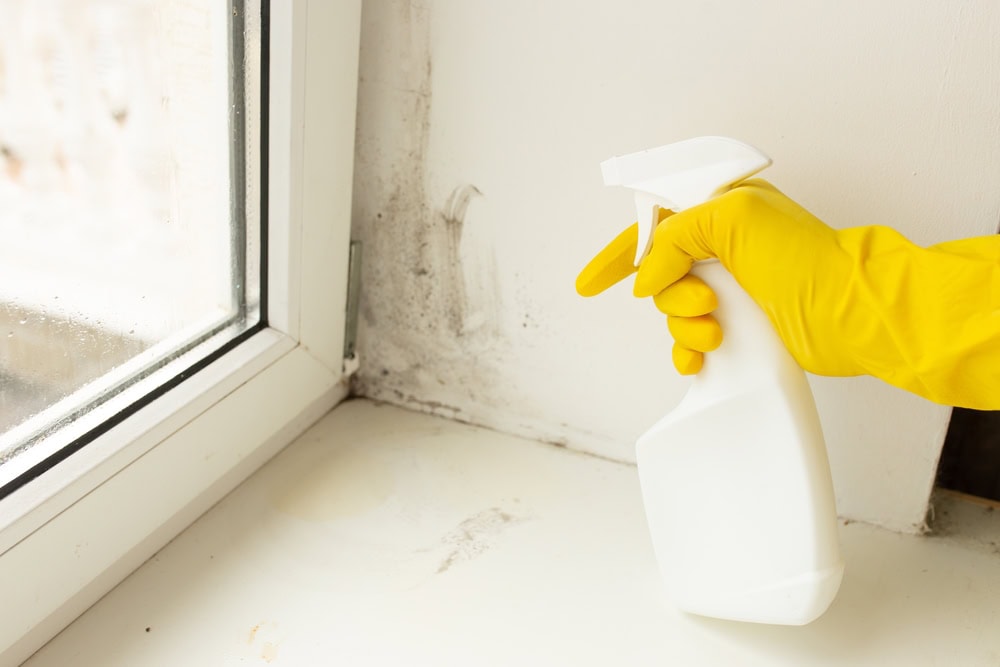
Most mold remediation projects in Trafalgar range from $1,200 to $3,750, with the average falling around $2,300. Cost depends on the size of the affected area, the location of the mold, and how much material needs to be removed. Small areas under 10 square feet might cost $500 to $1,500 if you catch them early. Larger infestations—especially in hard-to-reach places like crawl spaces, attics, or inside HVAC systems—can run $3,000 to $7,000 or more.
The price per square foot typically falls between $10 and $25. Factors that drive costs up include the extent of water damage, whether structural materials like drywall or insulation need replacement, and how accessible the mold is. Basement mold remediation in Trafalgar often costs more because of the moisture challenges common in this area—foundation cracks, poor drainage, and high humidity levels that require additional moisture control solutions.
Insurance may cover mold removal if it resulted from a sudden event like a burst pipe or storm damage. Long-term moisture problems from neglect usually aren’t covered. Get a detailed estimate upfront so you know what to expect and can plan accordingly.
For small mold problems affecting less than 10 square feet, remediation usually takes one to two days. Medium-sized projects involving a single room or area typically take three to five days. Larger infestations that span multiple rooms, entire basements, or crawl spaces can take a week or longer, especially if extensive material removal and drying are required.
The timeline also depends on how quickly we can address the moisture source. If you have an active leak or ongoing water intrusion, we need to fix that before we can fully remediate the mold. Drying time matters too—materials need to reach safe moisture levels (typically below 15-20%) before we can close up walls or move forward with repairs.
Indiana’s humidity can slow down drying, especially during summer months when outdoor moisture levels are high. We use industrial dehumidifiers and air movers to speed up the process, but it still takes time to do it right. Rushing remediation just means the mold comes back. Most homeowners can stay in their house during small remediation projects as long as we can contain the work area. Larger projects might require temporary relocation for a few days.
Mold won’t come back if the moisture problem is fixed and the remediation is done properly. That’s the key difference between professional mold removal and DIY attempts. Surface cleaning might make mold disappear temporarily, but if water is still getting in—whether from a leaky pipe, foundation crack, roof leak, or high humidity—mold will return within weeks or months.
Professional remediation addresses both the mold and its cause. We identify where moisture is coming from, fix or recommend repairs for those issues, and remove all contaminated materials. Porous items like drywall and insulation can’t be fully cleaned once mold penetrates them, so they get removed and replaced. Non-porous surfaces get treated with antimicrobial solutions.
After remediation, prevention is up to you. Keep indoor humidity between 30-60% using dehumidifiers, especially in basements and crawl spaces. Fix leaks immediately. Ensure proper ventilation in bathrooms and kitchens. Check your property regularly for signs of water intrusion, particularly after heavy rains—common in Trafalgar during spring and summer. If you maintain these conditions, mold won’t have what it needs to grow back.
Mold exposure causes respiratory symptoms in most people—coughing, wheezing, nasal congestion, throat irritation, and eye irritation. If you have allergies, you’ll likely experience worse reactions including sneezing, runny nose, skin rashes, and itchy eyes. For people with asthma, mold can trigger severe attacks that require immediate medical attention.
Children, elderly individuals, and anyone with weakened immune systems face higher risks. Prolonged exposure has been linked to chronic respiratory problems, persistent fatigue, anxiety, depression, and cognitive difficulties like memory problems and trouble concentrating. While rare, some people develop serious conditions like hypersensitivity pneumonitis (lung inflammation) or fungal infections if they have compromised immune systems.
You don’t need to identify the specific type of mold to know you should remove it. All indoor mold is a problem regardless of whether it’s the infamous “black mold” or another variety. The CDC recommends removing any mold you see or smell rather than spending money on testing. If you or family members experience symptoms that improve when you leave the house and worsen when you return, that’s a strong indicator that mold is affecting your health. Don’t wait—get it inspected and removed.
You can handle very small mold problems—less than 10 square feet—if the mold wasn’t caused by sewage and you don’t have respiratory sensitivities. Use protective gear including gloves, goggles, and an N95 mask. Clean the area with soap and water or a bleach solution (one cup bleach per gallon of water), then dry it completely. Throw away any porous materials like carpet or ceiling tiles that can’t be thoroughly cleaned.
For anything larger than 10 square feet, hire a professional. Mold remediation requires proper containment to prevent spores from spreading to clean areas during removal. Without negative air pressure and HEPA filtration, you’re likely making the problem worse by releasing spores into your home’s air. Professionals also have the training to find hidden mold behind walls, in HVAC systems, or under flooring that you might miss.
Indiana’s climate makes DIY risky because moisture problems here are often more extensive than they appear. What looks like a small patch of basement mold might indicate a larger issue with foundation seepage or groundwater intrusion. Professionals can identify these underlying causes and recommend permanent solutions. If you have health conditions, are pregnant, or have young children or elderly family members in the home, don’t take chances—call a certified mold remediation company.
Homeowners insurance typically covers mold remediation if the mold resulted from a sudden, accidental event like a burst pipe, appliance leak, or storm damage. The key is that the water damage must be covered under your policy. If mold developed because of long-term neglect, poor maintenance, or gradual leaks you didn’t address, insurance usually won’t pay for removal.
Most standard policies have limits on mold coverage—often $1,000 to $10,000. Some insurers offer optional mold endorsements or riders that provide higher coverage limits for an additional premium. Review your policy carefully to understand what’s included. Document everything if you’re filing a claim: take photos of the mold and water damage, keep all receipts, and get written estimates from remediation companies.
Contact your insurance company before starting major remediation work. They may require an inspection or have specific contractors they prefer you use. Some policies require you to take immediate action to prevent further damage, so don’t delay—dry out affected areas and stop active leaks right away. We often work directly with insurance providers and can help you navigate the claims process, providing the documentation and reports your insurer needs.
Other Services we provide in Trafalgar