Hear from Our Customers
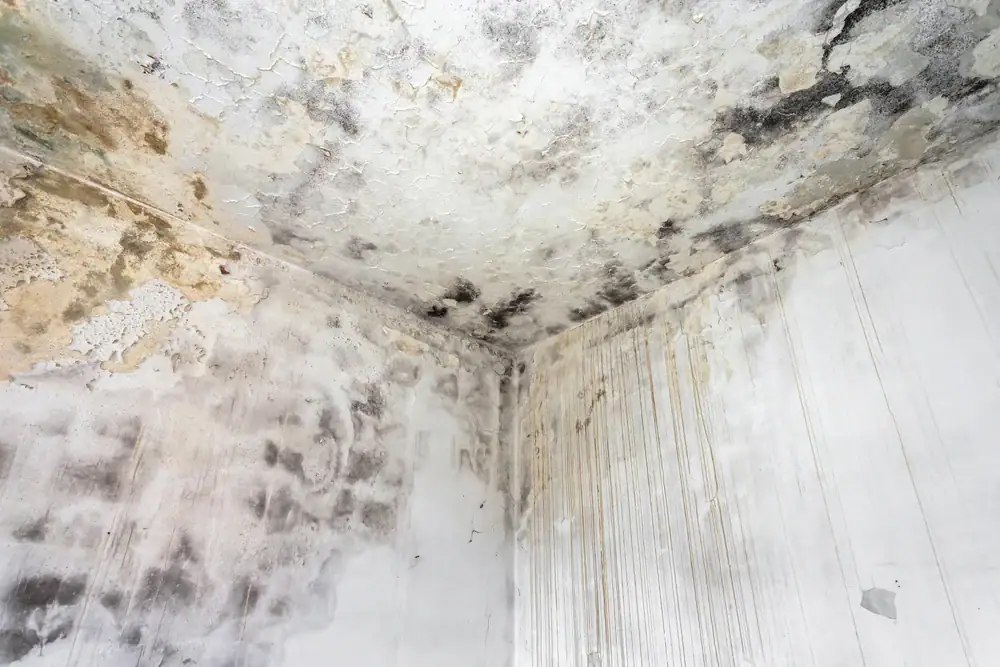
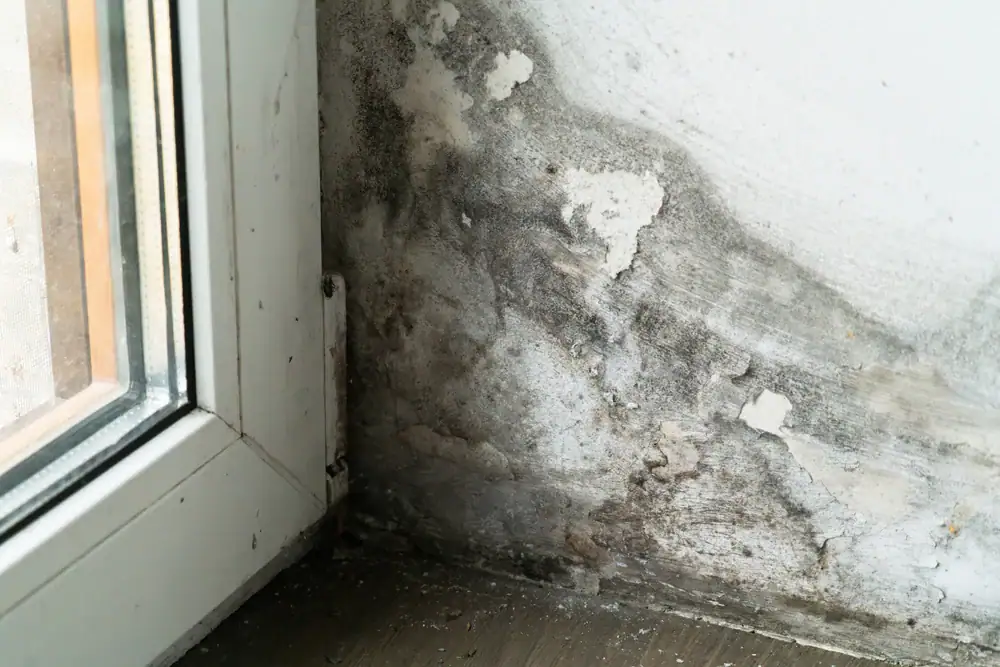
Mold doesn’t just look bad. It triggers asthma, allergies, and respiratory issues—especially in kids and older adults. It eats away at drywall, studs, and subflooring. And if you’re trying to sell or refinance, it can kill the deal before you even get to closing.
When we finish a mold remediation job in Joppa, you’re not just getting rid of visible growth. You’re eliminating the spores in your air, the moisture source feeding it, and the risk of it showing up again in three months. We use HEPA filtration and containment barriers to keep clean areas clean while we work. You’ll breathe easier, sleep better, and stop wondering what’s growing behind your walls.
We don’t leave until the job’s done right. That means a post-remediation walkthrough with you, plus a follow-up two weeks later to make sure everything’s still clear.
We’ve been handling emergency restoration work across Indiana for over eight years. We’re IICRC-certified in water damage restoration, applied structural drying, and mold remediation—credentials that matter when your health and property are on the line.
Joppa’s older homes, humid summers, and spring flooding create the perfect conditions for mold. We’ve seen it in basements after sump pump failures, in crawl spaces with poor ventilation, and in attics where roof leaks went unnoticed for months. We know what to look for, how to document it for insurance, and how to fix it so it doesn’t come back.
You’ll get a live person when you call, not a voicemail. We’re available 24/7 because mold doesn’t wait for business hours.
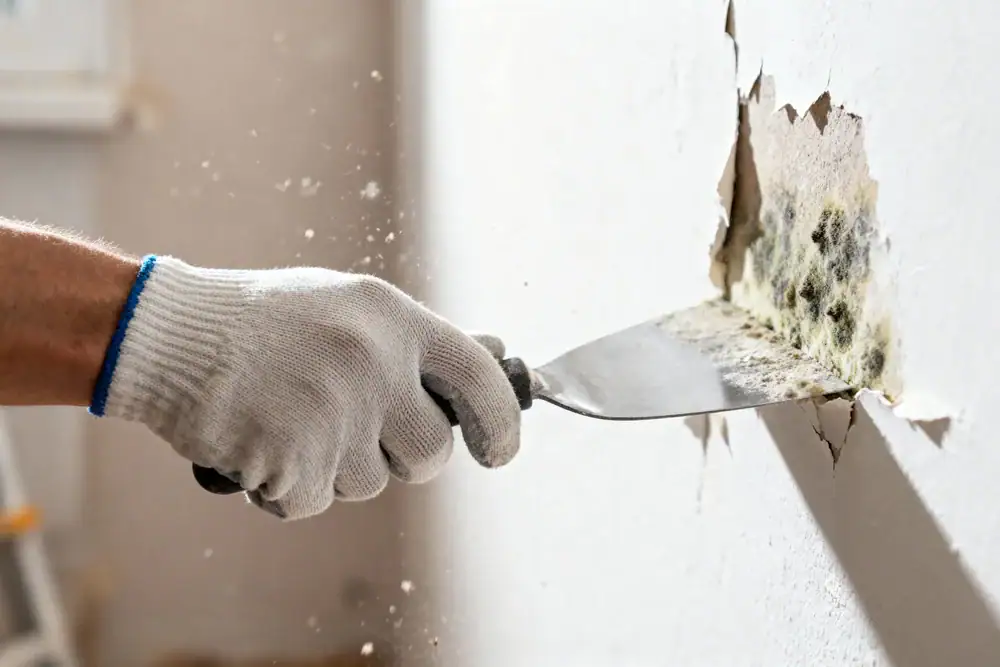
First, we assess the situation. That means identifying the mold type, measuring moisture levels, and finding the source—whether it’s a leaking pipe, condensation, or water intrusion from outside. We document everything with photos and moisture maps, especially if you’re filing an insurance claim.
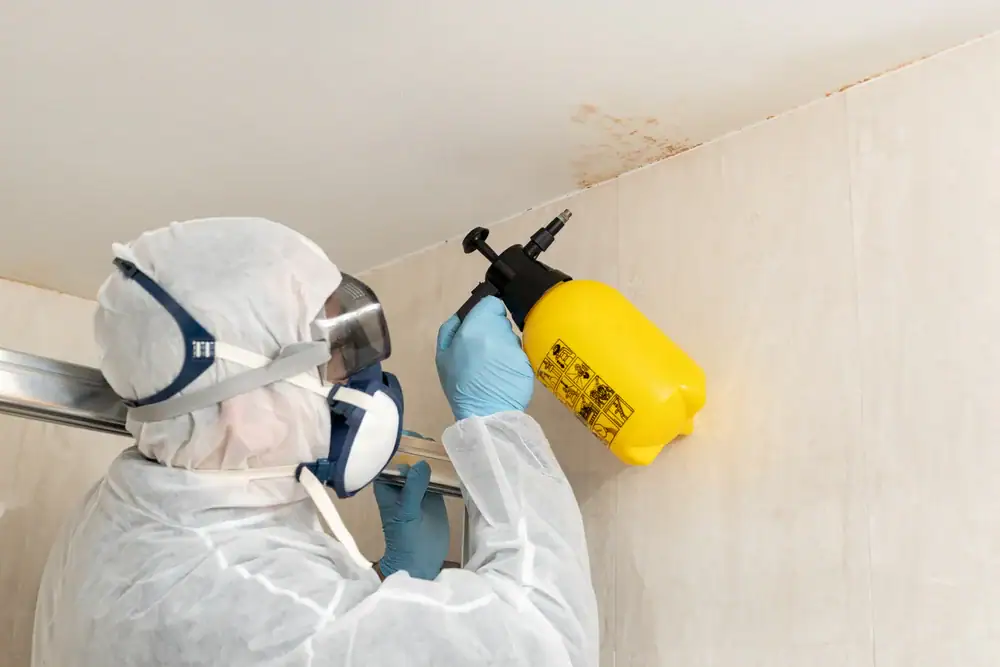
Next, we contain the affected area using plastic sheeting and negative air pressure to keep spores from spreading to the rest of your home. Our crews wear protective gear, and we set up HEPA air scrubbers to filter the air as we work. Then we remove contaminated materials—drywall, insulation, flooring, whatever can’t be saved—and treat surfaces with antimicrobial solutions.
Once removal is complete, we dry out the space and fix the moisture problem. That might mean repairing a leak, improving ventilation, or installing a dehumidifier. Finally, we walk you through the finished work and schedule a follow-up in two weeks to confirm everything’s still dry and clear. If reconstruction is needed, we handle that too.
Ready to get started?
Every mold remediation project starts with a thorough inspection. We check basements, crawl spaces, attics, bathrooms, and HVAC systems—anywhere moisture can hide. Indiana’s climate means high humidity in summer and freeze-thaw cycles in winter, both of which create mold-friendly conditions. We use thermal imaging and moisture meters to find problems you can’t see.
You’ll get full containment and HEPA filtration during the removal process. We protect your furniture, seal off doorways, and keep dust and spores out of living areas. All contaminated materials are bagged and disposed of according to EPA guidelines. We don’t cut corners, and we don’t leave a mess.
After remediation, we provide detailed documentation—photos, moisture readings, and a scope of work—formatted for insurance claims using Xactimate pricing. If your claim gets approved, you’ll have everything you need. If you’re paying out of pocket, we offer discounts for military members, seniors, first responders, and teachers. And because we handle water damage, fire cleanup, and reconstruction under one roof, you’re not juggling multiple contractors if the job requires more than mold removal.
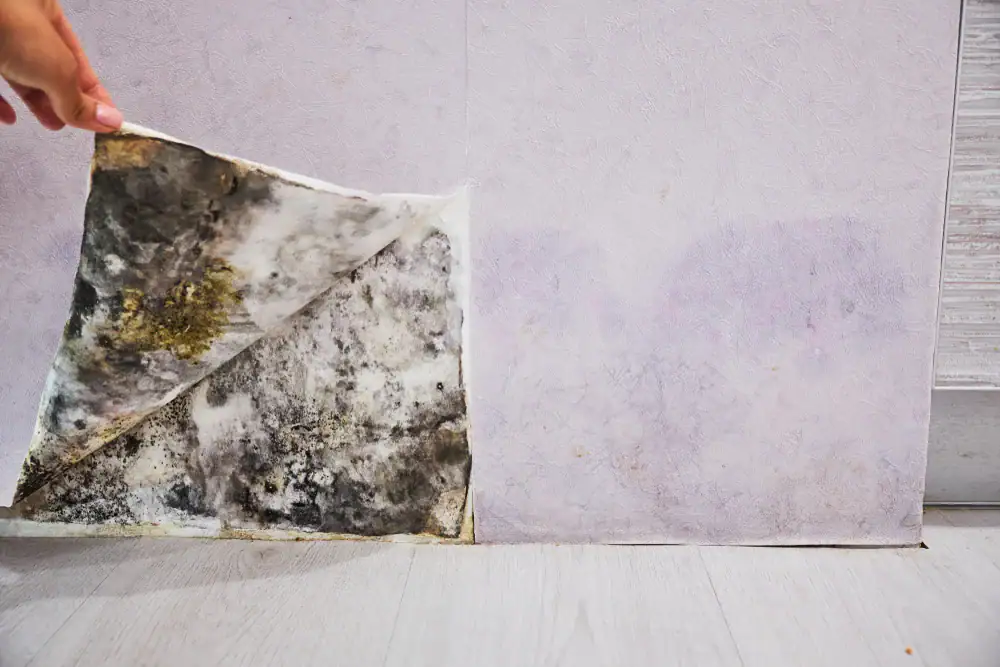
Most mold remediation projects in Joppa run between $1,200 and $3,700, with the average landing around $2,200. Your actual cost depends on the size of the affected area, how much material needs to be removed, and whether we’re dealing with surface mold or contamination inside walls and HVAC systems.
Small jobs—like a bathroom with mold around the tub—might cost $1,000 to $1,500. Larger projects, like a finished basement with mold behind drywall and in the subfloor, can run $3,000 or more. If testing is required or if we need to bring in a third-party inspector for clearance, that adds to the total.
We provide transparent, Xactimate-aligned pricing so you know what you’re paying for. And if your homeowners insurance covers the damage—usually only if it resulted from a sudden event like a burst pipe—we’ll work directly with your adjuster and document everything to support your claim.
It depends on how the mold started. If it’s the result of a sudden, accidental event—like a burst washing machine hose or a storm-related roof leak—most Indiana homeowners policies will cover mold remediation. But if the mold grew slowly over time because of a maintenance issue, like a leaking toilet or poor ventilation, your claim will likely be denied.
Insurance companies expect you to maintain your home and address water problems quickly. That’s why the 24-to-48-hour window after water damage matters so much. If you wait too long and mold develops, the insurer may argue it was preventable.
We help by documenting everything from day one—photos, moisture maps, timeline of events—so your claim has the best chance of approval. And if insurance doesn’t cover it, we’ll work with you on pricing and offer discounts where we can. Either way, you’ll know exactly where you stand before we start the work.
A typical mold remediation job in Joppa takes two to five days, depending on the size of the area and how much material we need to remove. Small, contained jobs—like a moldy bathroom or closet—can often be finished in a day or two. Larger projects, like a basement or multiple rooms, take longer.
Drying time is usually the biggest factor. Once we’ve removed the mold and treated the surfaces, we need to make sure the space is completely dry before we close it back up. That might mean running dehumidifiers and air movers for 48 to 72 hours. Rushing this step is how mold comes back.
If reconstruction is part of the scope—replacing drywall, insulation, or flooring—that adds time. But we’ll give you a clear timeline upfront and update you every 48 hours so you’re never guessing when we’ll be done. And we’ll schedule that two-week follow-up to make sure everything’s still dry and mold-free.
Black mold—technically called Stachybotrys chartarum—can cause serious respiratory problems, especially if you’re exposed over time. Symptoms include coughing, wheezing, throat irritation, nasal congestion, and skin rashes. For people with asthma or mold allergies, exposure can trigger severe reactions.
Kids, elderly adults, and anyone with a compromised immune system are at higher risk. Studies show that up to 21% of asthma cases may be linked to mold exposure, and infants raised in homes with mold are significantly more likely to develop asthma and allergic rhinitis later in life.
Not all black-colored mold is Stachybotrys, and not all dangerous mold is black. But if you’re seeing mold growth in your Joppa home—especially if it’s widespread or you’re noticing health symptoms—don’t wait. We’ll identify the type, remove it safely, and eliminate the moisture source so it doesn’t come back. Your health isn’t worth the gamble.
If the mold covers less than 10 square feet, isn’t in your HVAC system, and you’re confident you’ve fixed the moisture source, you can try cleaning it yourself with a bleach solution or mold-specific cleaner. But if it’s larger than that, keeps coming back, or you’re dealing with porous materials like drywall or insulation, you need a professional.
Here’s why: surface cleaning doesn’t kill mold inside walls, under flooring, or in ductwork. And if you disturb mold without proper containment, you spread spores throughout your home, making the problem worse. Most DIY attempts fail because the moisture source is never addressed, so the mold just regrows in a few weeks.
We have the equipment—HEPA vacuums, air scrubbers, moisture meters, antimicrobial treatments—and the training to do it right the first time. We also know how to protect the rest of your home during removal and how to document the work if you’re filing an insurance claim. If you’re not sure whether you need help, call us. We’ll give you an honest assessment, even if that means telling you it’s small enough to handle on your own.
Mold keeps coming back because the moisture source is still there. You can scrub, spray, and repaint all you want, but if water is still getting in—or if humidity stays above 60%—mold will regrow. Basements in Joppa are especially vulnerable because of Indiana’s humid summers, older foundation construction, and poor ventilation.
Common culprits include foundation cracks, sump pump failures, condensation on cold pipes, and inadequate drainage around the home. Sometimes it’s as simple as a dryer vent that’s not venting outside or a bathroom exhaust fan that dumps moisture into the basement instead of outdoors.
When we handle mold remediation, we don’t just remove the growth. We find and fix the moisture problem. That might mean sealing cracks, installing a dehumidifier, improving grading around your foundation, or upgrading your sump pump system. If we don’t address the root cause, you’ll be calling someone again in six months. We’d rather fix it once and know it’s done.
Other Services we provide in Joppa