Hear from Our Customers
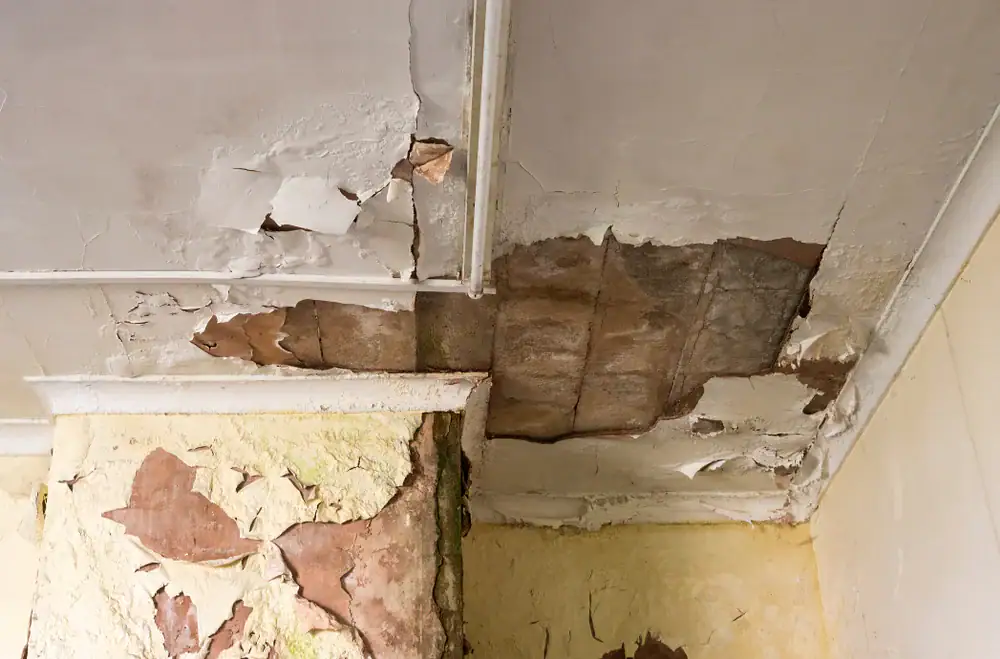
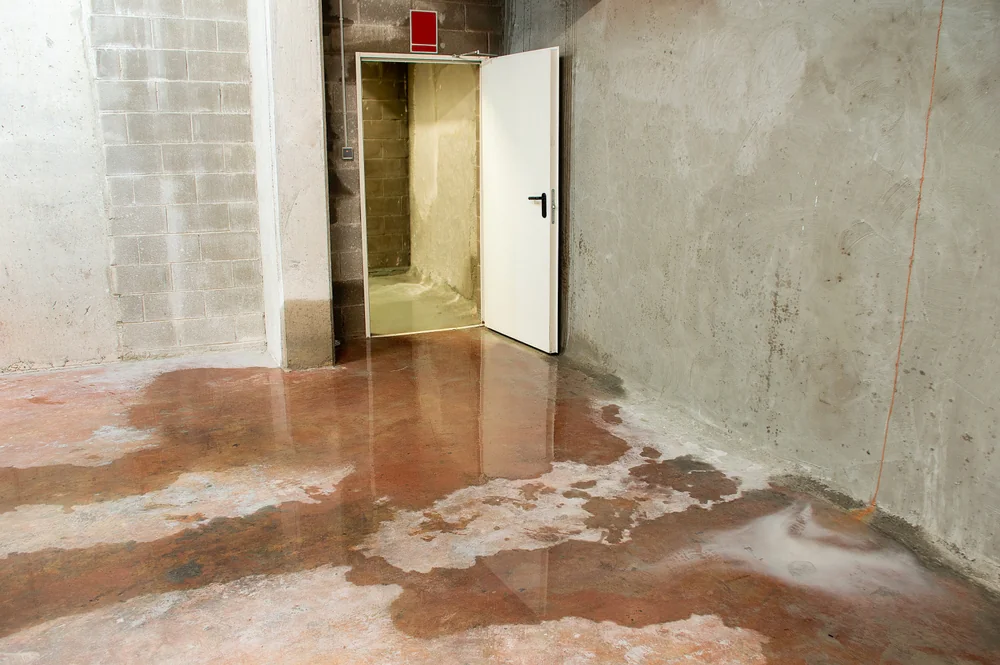
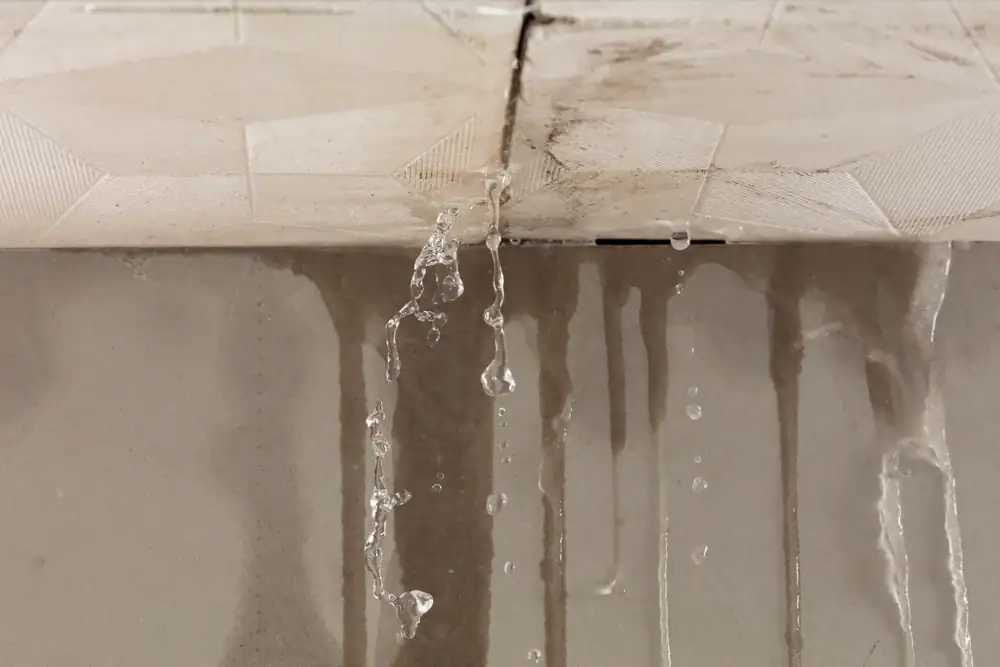
You’re looking at standing water in your basement or a ceiling that won’t stop dripping. The clock’s ticking. Mold doesn’t wait, insurance adjusters want proof, and you need your space back.
Here’s what happens when we show up. Water gets extracted immediately—not tomorrow, not after the weekend. Industrial fans and dehumidifiers go in to pull moisture out of walls, floors, and anything else that’s soaked. We map every wet spot with thermal imaging so nothing gets missed.
Within 24 hours, you’ll have photos, moisture readings, and a full scope of work—everything your insurance company needs to move fast. Every 48 hours after that, you get an update on drying progress. No guessing. No waiting by the phone. You know exactly where things stand because we document everything as we go.
We’ve been handling water emergencies across Pecksburg and Central Indiana since 2016. We’re IICRC-certified in Water Restoration, Applied Structural Drying, and Microbial Remediation—which means our crews follow the same protocols insurance companies expect and adjusters recognize.
We live here. We know what Indiana weather does to properties—frozen pipes when it drops below 20 degrees for more than six hours, basement flooding during spring storms, and humidity that turns a small leak into a mold problem. Our trucks are stocked for all of it.
You’ll reach a real person when you call, day or night. We answer our line 24/7 because water damage doesn’t punch a clock, and neither do we.
You call, we dispatch. Our goal is boots on-site within 60 to 90 minutes, depending on where you are in Pecksburg and what’s happening on the roads.
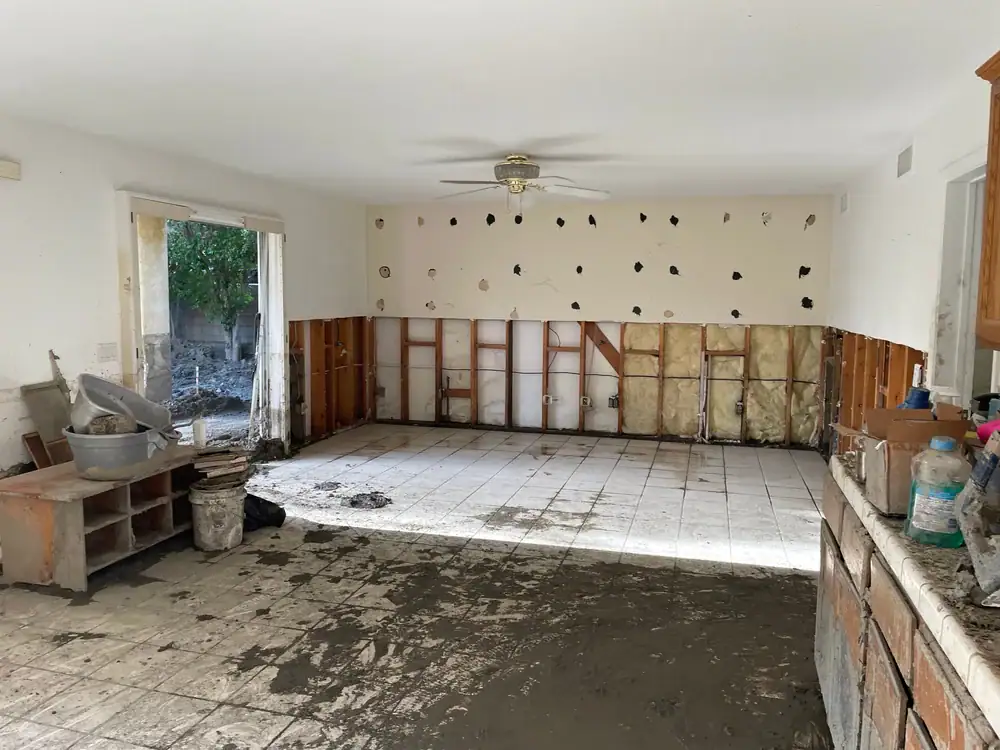
First visit is assessment and containment. We stop the water source if it’s still active, pull out standing water, set up containment barriers so the rest of your property stays dry, and place air movers and dehumidifiers. We’re also taking moisture readings and thermal images to map exactly what’s wet—even inside walls you can’t see.
Within 24 hours, you get a full report with photos, readings, and a restoration plan. We align our estimates with Xactimate, the pricing software most insurance companies use, so there’s no back-and-forth about costs. If you’re filing a claim, we’ll work directly with your adjuster and send them everything they need.
Every 48 hours, we’re back to check moisture levels, adjust equipment, and update you on progress. Drying usually takes three to five days depending on materials and saturation levels. Once everything hits target moisture levels, we do a post-remediation walkthrough with you, then follow up 14 days later to make sure nothing’s changed.
Ready to get started?
Every water damage restoration project we handle in Pecksburg includes emergency water extraction, moisture mapping with thermal imaging, structural drying with commercial-grade dehumidifiers and air movers, and full documentation for insurance claims. You’re not paying extra for photos or reports—that’s standard.
We also set up physical containment and run HEPA filtration to keep airborne contaminants out of unaffected rooms. Our crews wear shoe covers, label equipment, and keep your space as clean as possible while we work. If contents need to be moved or packed out for drying or storage, we handle that too.
Pecksburg properties—especially older homes—can have hidden moisture issues in crawl spaces, behind paneling, or under flooring. We check all of it. If we find mold growth during the drying process, we’re certified to remediate it on the spot. Same goes for odor issues—we don’t just mask smells, we neutralize them at the source.
For frozen pipe situations, which are common here when temperatures stay at or below 20 degrees, we can also coordinate with your plumber and start mitigation immediately so you’re not waiting days to begin drying. If the damage extends to HVAC ducts or requires contents cleaning after a fire sprinkler discharge, we’ve got that covered too.
We’re on-site within 60 to 90 minutes of your call in most cases. That window depends on your exact location in Pecksburg, current weather conditions, and whether we’re already responding to another emergency, but speed is built into how we operate.
Our trucks are prepped and staged so we’re not scrambling to load equipment when you call. A live person answers our line 24/7—not an answering service, not a voicemail. You talk to someone who can dispatch a crew immediately, walk you through what to do while you wait, and give you a realistic ETA.
The faster we start extraction and drying, the less damage spreads. That’s not a sales pitch—it’s physics. Water wicks into drywall, insulation, and subflooring every hour it sits. Mold starts colonizing in 24 to 48 hours. Getting equipment running in the first few hours makes a measurable difference in what we can save and what needs replacing.
It depends on what caused the water damage. Most homeowners policies cover sudden and accidental water damage—things like a burst pipe, washing machine hose failure, or roof leak during a storm. They typically don’t cover flooding from outside sources like rising rivers or surface water, which requires separate flood insurance, or damage from long-term leaks you should have noticed and fixed.
We can’t tell you yes or no without seeing your policy, but we can tell you this: we document everything to give your claim the best shot. That means photos of the damage before we touch anything, moisture maps, a detailed scope of work, and Xactimate estimates that match what adjusters use. We’ll also coordinate directly with your insurance company if you want us to—send them updates, answer their questions, and walk them through our process.
If your claim gets denied or disputed, you’ll have a paper trail that shows exactly what was wet, how we dried it, and why the work was necessary. A lot of homeowners don’t realize their policy covers emergency mitigation even if the underlying cause isn’t covered, so it’s worth filing either way. We’ve worked with nearly every major carrier, and we know how to present the work in a way adjusters understand.
Most residential water damage jobs take three to five days to dry completely, but that’s not a guarantee—it’s a range based on what we see most often. The actual timeline depends on how much water there was, what materials got wet, how long the water sat before we started drying, and what the humidity levels are inside and outside your property.
Hardwood floors and drywall dry faster than thick insulation or concrete. A small supply line leak in a bathroom might be dry in two days. A basement that flooded with four inches of standing water might take a week. We’re checking moisture levels with calibrated meters every time we visit, and we don’t pull equipment until readings hit the target range for each material.
You’ll know where things stand because we update you every 48 hours with new readings and photos. If drying is taking longer than expected, we’ll explain why—maybe the crawl space is holding moisture, or the subfloor is denser than it looked—and adjust our equipment setup. We don’t guess. We measure, document, and keep drying until the job’s done right.
Stop the water source if you can do it safely. If it’s a burst pipe, shut off your main water valve. If it’s a leaking appliance, unplug it and turn off its supply line. Don’t go into standing water if there’s any chance electrical outlets or appliances are submerged—that’s a shock risk.
Move anything valuable or important out of the wet area if it’s safe to do so—documents, electronics, anything you can’t replace. Don’t worry about furniture or heavy items; we’ll handle that when we arrive. Take photos and videos of the damage from multiple angles before you start cleaning up. Your insurance company will want to see what happened, and it’s harder to prove the extent of damage after you’ve already mopped everything up.
Call us as soon as you’ve done those things. The longer water sits, the more it spreads and the higher the chance mold starts growing. Even if it’s the middle of the night, even if you’re not sure how bad it is—call. We’d rather show up and tell you it’s minor than have you wait until morning and find out the damage doubled overnight. While you’re waiting for us to arrive, you can open windows if weather permits, move wet rugs or fabrics outside, and soak up small amounts of water with towels, but don’t start tearing out drywall or pulling up flooring. That can complicate your insurance claim if it’s not documented first.
Yes. We’re IICRC-certified in Applied Microbial Remediation, which means we’re trained to safely remove mold growth and treat affected materials according to industry standards. If we find mold during the drying process—and we’re looking for it with every job—we’ll stop, document it, explain what we found and where, and give you a clear plan for remediation before we continue.
Mold removal isn’t always a separate project. If it’s a small area of surface growth on non-porous materials like metal or plastic, we can often treat it as part of the water damage restoration work. If it’s growing inside walls, on insulation, or across large sections of drywall, that requires containment, HEPA filtration, controlled removal, and antimicrobial treatment—basically a full remediation protocol.
We’ll walk you through what’s required, what it costs, and how it affects your timeline. Most insurance policies cover mold remediation if it resulted directly from a covered water damage event, but there are limits and conditions. We’ll document the mold growth with photos and moisture history so your adjuster can see the connection. You’re not getting upsold—if there’s mold, it has to be dealt with correctly, or it’ll come back. We’d rather show you what’s there and give you options than pretend it’s not a problem.
Frozen pipes cause water damage when ice forms inside the pipe and expands, which cracks or bursts the pipe wall. Once the ice melts—either because temperatures rise or because you try to thaw the pipe—water starts pouring out of that crack, often inside walls or ceilings where you can’t see it until damage is already done. In Pecksburg and Central Indiana, this usually happens when outdoor temperatures drop to 20 degrees or lower and stay there for six hours or more, especially in unheated areas like crawl spaces, exterior walls, or uninsulated attics.
We can’t prevent your pipes from freezing—that’s a winterization and insulation issue—but we can respond immediately when a frozen pipe bursts and start mitigation before the water spreads. If you catch a frozen pipe before it bursts, call a licensed plumber to thaw it safely. If it’s already burst and water is running, shut off your main water valve and call us right away. We’ll extract the water, dry out the affected areas, and document everything for your insurance claim.
A lot of frozen pipe damage happens while people are away or asleep, so by the time it’s discovered, water has been running for hours. That’s why speed matters. The faster we start extraction and drying, the more we can save. If you’re worried about frozen pipes during a cold snap, keep your heat set to at least 55 degrees, open cabinet doors under sinks so warm air can circulate, and let faucets drip slightly on exterior walls. Those steps won’t guarantee prevention, but they reduce risk.
Other Services we provide in Pecksburg