Hear from Our Customers
The soot stops spreading. The smoke smell gets neutralized, not just covered up. Your insurance adjuster gets the documentation they need without you playing middleman.
You’re not wondering what comes next or whether the crew knows what they’re doing. The affected rooms are contained so the rest of your house stays livable. Your belongings that can be saved get packed out, cleaned, and stored while we work.
Within 24 hours, you’ll have photos, moisture readings, and a scope of work. Every 48 hours after that, you’ll get an update—no chasing, no guessing. When we’re done, you get a walkthrough and a follow-up two weeks later to make sure everything still looks and smells right.
We started right here in Johnson County. We know the older housing stock in downtown Franklin, the flood risks that come with heavy storms, and how fast water damage compounds after firefighters leave.
Our team is IICRC-certified in water restoration, structural drying, and microbial remediation. We’re EPA-certified for lead-safe work and BBB-accredited. That’s not marketing—it’s what your insurance company and your family’s safety require.
When you call, a real person answers. When we say 60 to 90 minutes, we mean it. And when we give you a price, it’s aligned with Xactimate so your claim doesn’t get held up over inflated estimates.
First, we answer. No voicemail, no callback hours later. You talk to someone who can dispatch a crew to your Franklin property within 60 to 90 minutes.
When we arrive, we assess the fire and smoke damage, check for water damage from firefighting efforts, and identify what needs immediate containment. We document everything with photos and moisture mapping—your insurance company will need this, and we make sure it’s thorough.
Next, we set up containment barriers and HEPA filtration to keep soot and odor from spreading into unaffected rooms. We extract standing water if there is any, remove damaged materials that can’t be saved, and start drying out the structure. If your contents can be salvaged, we pack them out, clean them off-site, and store them until reconstruction is done.
Throughout the job, you get updates every 48 hours. We coordinate directly with your insurance adjuster and handle the paperwork so you’re not translating between the crew and the claim. When the work is finished, we walk you through it and check back in two weeks later.
Ready to get started?
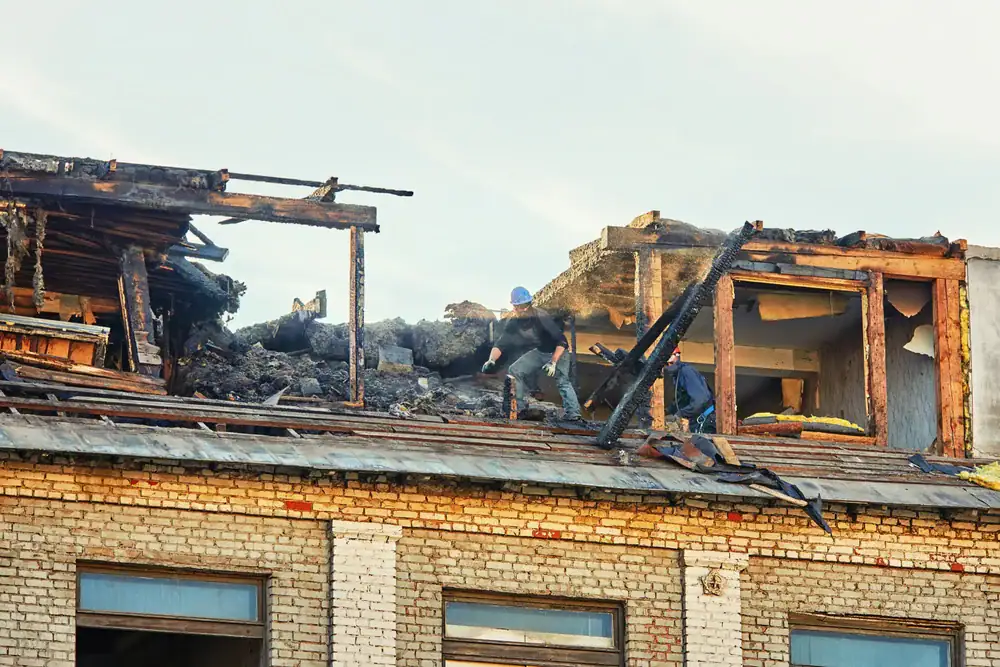
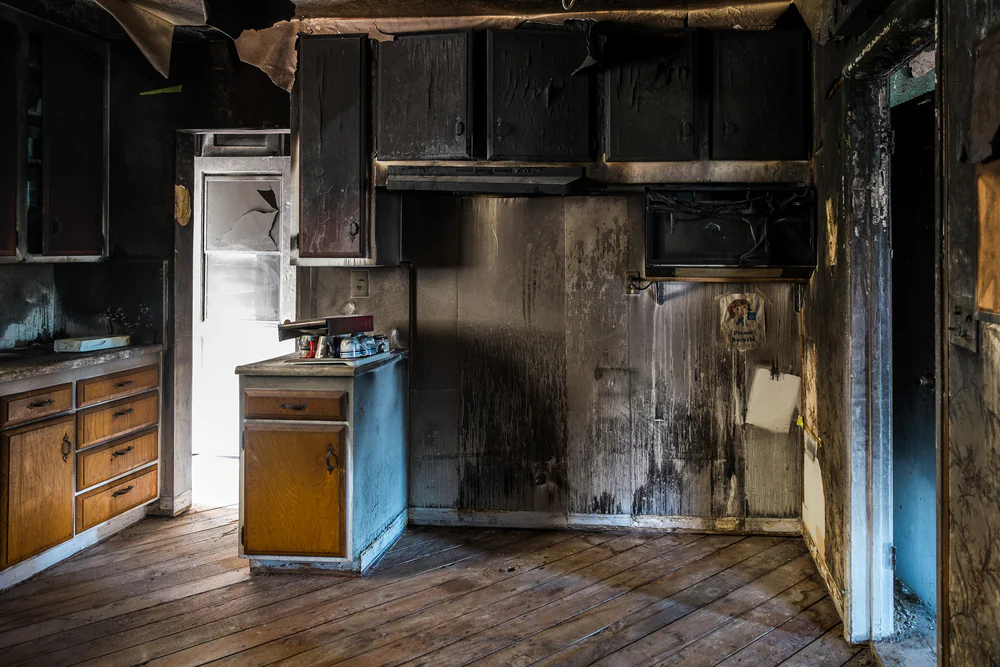
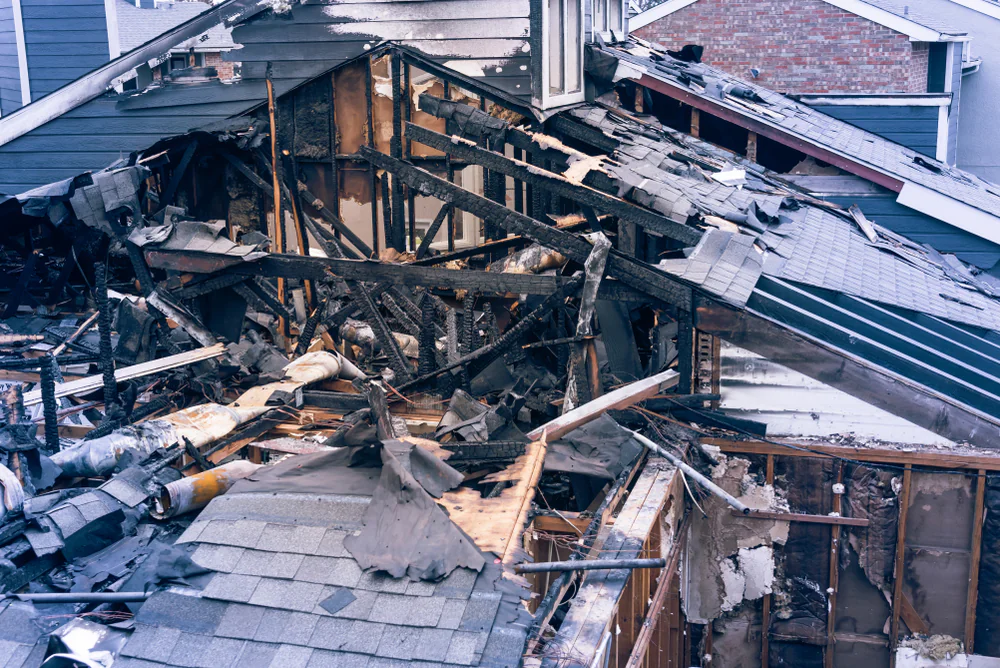
Fire restoration isn’t just about cleaning up what you can see. Smoke gets into your HVAC system, soot settles on surfaces you didn’t know were affected, and water from the fire hoses soaks into subfloors and wall cavities.
We handle all of it. Smoke and soot removal using specialized equipment. Odor neutralization—not masking, actual elimination. Water extraction and structural drying with industrial dehumidifiers and air movers. Contents pack-out and cleaning for anything that’s salvageable. HVAC duct cleaning so you’re not circulating smoke residue every time the heat kicks on.
Franklin’s older homes—especially the well-maintained brick houses downtown—often have hidden cavities where smoke and moisture settle. We use thermal imaging and moisture meters to find damage you can’t see. If there’s mold growth from water sitting too long, we’re certified to handle that too.
You also get a dedicated claims liaison who speaks insurance. They’ll make sure your adjuster has everything they need and that your estimate reflects the real scope of work. And if you’re paying out of pocket, we offer discounts for military, first responders, teachers, and seniors.
We’re usually on-site within 60 to 90 minutes. That’s not an estimate—it’s what we staff for.
Fire damage gets worse the longer it sits. Soot becomes harder to remove, smoke odor sets deeper into porous materials, and any water left behind from firefighting starts causing secondary damage. The faster we contain the affected area and start mitigation, the more of your home and belongings we can save.
When you call, you talk to a real person who can dispatch a crew immediately. We’re available 24 hours a day, seven days a week, because fires don’t wait for business hours. If it’s 2 a.m. on a Sunday, we’re still coming.
Most homeowner policies cover fire and smoke damage, including the water damage caused by putting the fire out. But coverage varies depending on your policy, your deductible, and what caused the fire.
We work directly with your insurance company. Our estimates are built in Xactimate, which is the same software most adjusters use, so there’s no back-and-forth over inflated pricing. We document everything with photos, moisture maps, and detailed notes so your claim has what it needs.
If your adjuster wants to see the damage before we start mitigation, we’ll coordinate that. But we’ll also explain what needs to happen immediately to prevent further loss—because most policies require you to mitigate damage promptly. We can bill your insurance directly in many cases, and we’ll walk you through the whole process so you’re not navigating it alone.
If it’s done right, smoke odor can be eliminated—not just covered up with air fresheners or ozone machines that fade after a few weeks.
Smoke particles are tiny and acidic. They settle on every surface, seep into fabrics and upholstery, and get pulled into your HVAC system. If you only clean what you can see, the smell comes back as soon as the temperature or humidity changes.
We use a combination of methods depending on what was burned and how long the smoke circulated. That includes HEPA vacuuming, thermal fogging, hydroxyl generators, and deep cleaning of all affected surfaces. We also clean or replace HVAC filters and ductwork so you’re not recirculating smoke residue. If porous materials like drywall or insulation are too saturated, we remove and replace them. The goal is to get your home back to pre-loss condition—not close enough.
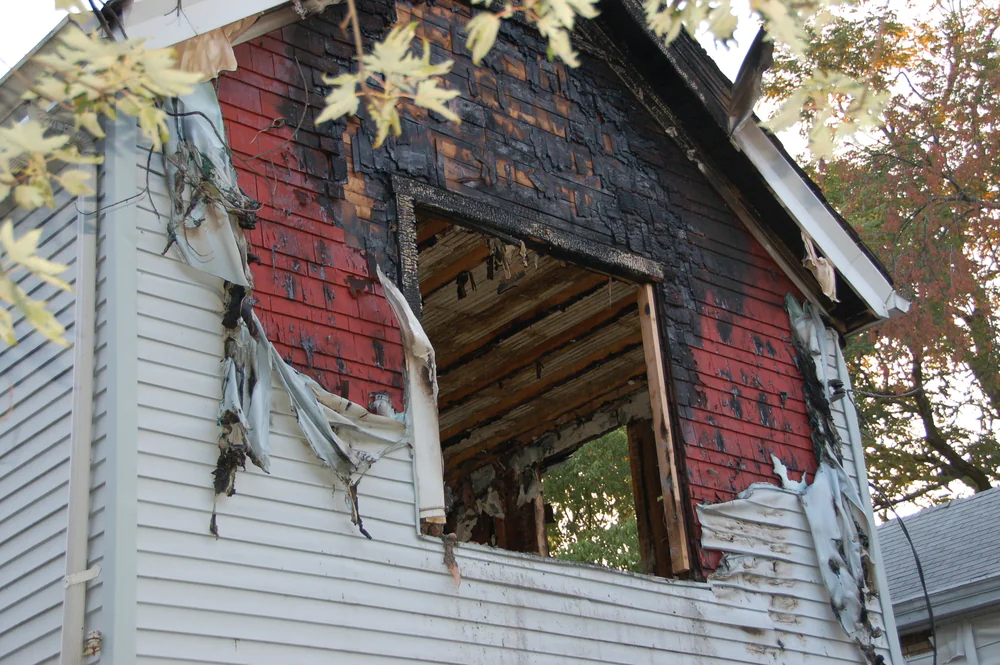
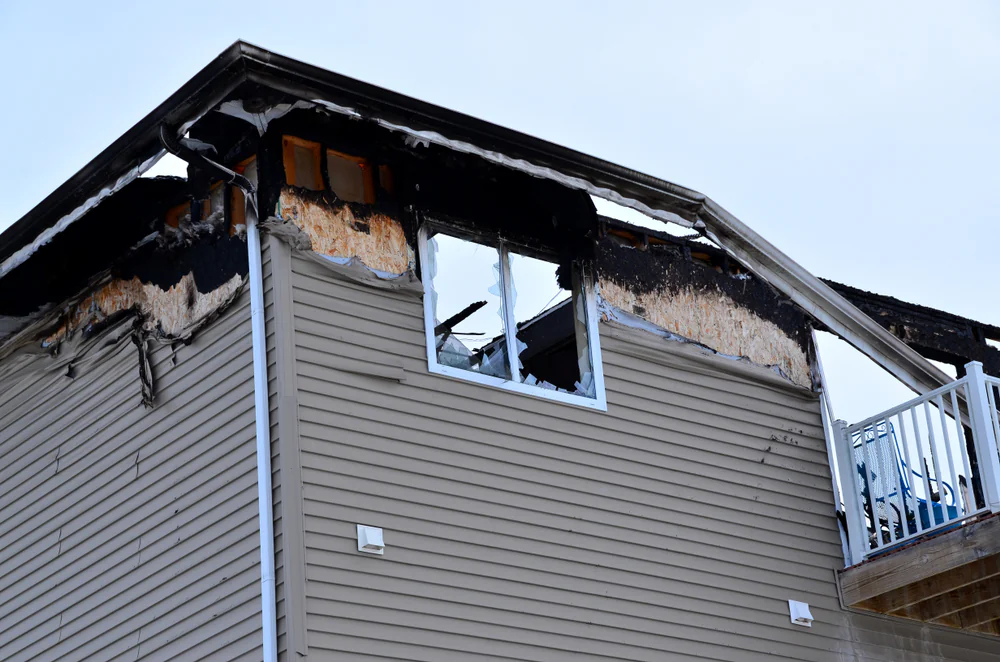
Fire damage is structural—burned materials, charred framing, melted fixtures. Smoke damage is everything the fire touched without flames: soot on walls, odor in fabrics, discoloration on ceilings, and residue inside cabinets and closets.
Most of the time, smoke damage covers a much larger area than the fire itself. It travels through your HVAC system, seeps under doors, and settles in rooms that weren’t even close to the flames. And because smoke is acidic, it keeps damaging surfaces even after the fire is out—etching glass, tarnishing metal, and yellowing paint.
We treat them as two separate problems that need two separate approaches. Fire damage requires demolition, disposal, and rebuild coordination. Smoke damage requires containment, specialized cleaning, odor neutralization, and air scrubbing. A complete fire restoration job addresses both, and that’s what we scope for from the beginning.
It depends on the extent of the damage and whether the affected area can be safely contained. If the fire was limited to one room and we can seal it off with plastic barriers and negative air pressure, you can usually stay in the rest of the house.
If the damage is widespread, if there’s structural instability, or if the smoke contamination affects your HVAC system, it’s safer to stay elsewhere until mitigation is complete. We’ll tell you honestly what makes sense based on what we find during the initial assessment.
When you do need to leave, we can coordinate contents pack-out and storage so your belongings are protected while we work. And we’ll keep you updated every 48 hours so you know exactly when it’s safe to come back. The last thing anyone wants after a fire is more disruption, so we move as fast as safety and thoroughness allow.
Mitigation—stopping the damage from getting worse—usually takes three to seven days depending on the size of the loss and how much water is involved. Full restoration, including repairs and rebuilding, can take anywhere from two weeks to two months.
The timeline depends on how much material needs to be removed, how long it takes to dry out the structure, and how quickly we can get permits and materials for reconstruction. Older homes in Franklin sometimes have complications like plaster walls, hardwood floors that need special drying, or lead paint that requires certified removal.
We’ll give you a realistic timeline during the initial assessment and update you if anything changes. The goal is to get you back in as soon as it’s safe and done right—not to rush the job and leave you with problems six months later.
Other Services we provide in Franklin