Hear from Our Customers
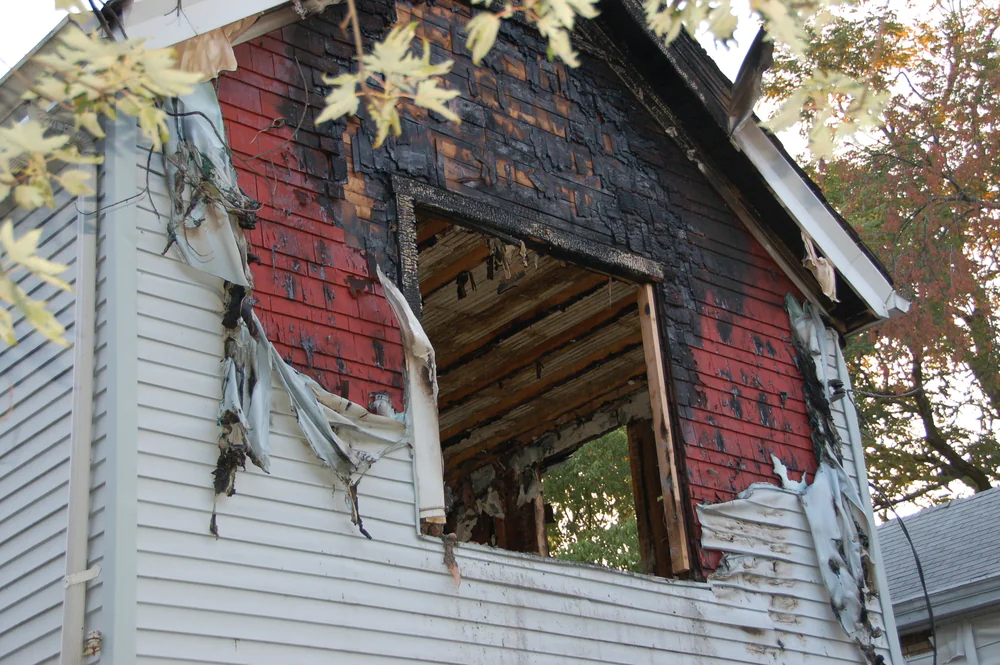
You’re not dealing with lingering smoke odor three weeks later. You’re not discovering soot damage in rooms you thought were untouched. And you’re not waiting on hold with your insurance company trying to explain what “thermal degradation” means.
Your home gets stabilized fast—within hours, not days. Soot and smoke residue are removed before they etch into surfaces or corrode metal fixtures. Water from firefighting efforts gets extracted and dried using commercial dehumidifiers and air movers, so mold doesn’t become your second disaster.
You get documentation that your insurance adjuster actually needs: moisture maps, thermal imaging, photo logs, and Xactimate-aligned estimates. No surprises. No disputes over what’s covered. Just a clear path from damage to restoration, with someone who answers the phone when you call and shows up when they say they will.
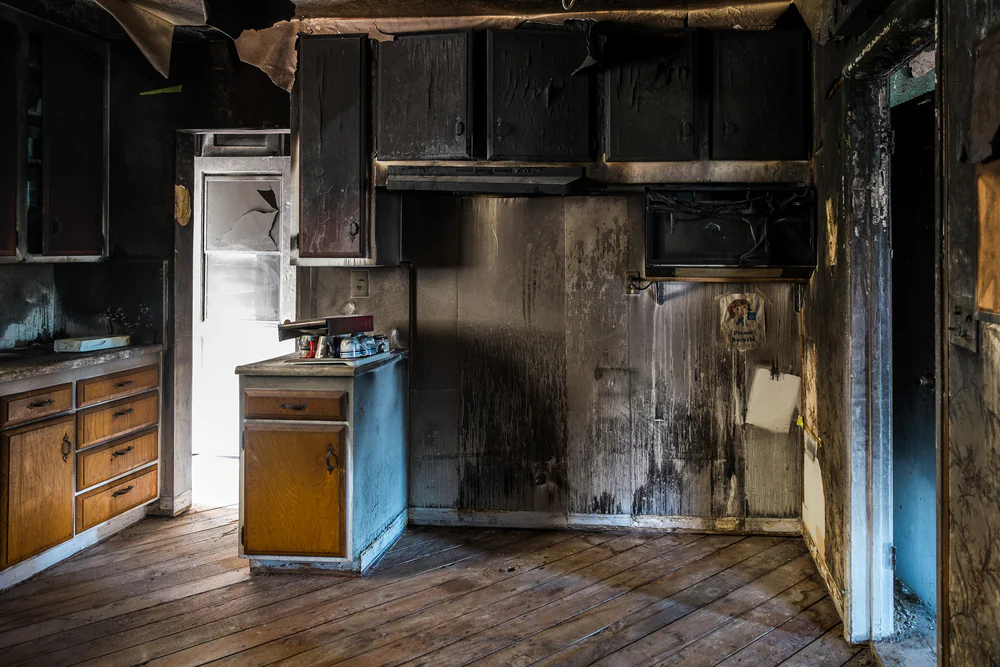
You call our live-answer line and we dispatch a crew to your property within 60 to 90 minutes. First visit is about containment and assessment: we seal off unaffected areas with plastic sheeting, set up HEPA air scrubbers to capture airborne soot particles, and document every room with photos and moisture readings.
Within 24 hours, you receive a full damage report with thermal imaging, moisture maps, and a preliminary scope of work. We send that same report to your insurance adjuster so there’s no confusion about what needs to be done. If you’re handling the claim yourself, we walk you through it. If you want us to deal with your adjuster directly, we do that too.
Next comes the actual restoration work: soot and smoke residue removal using dry chemical sponges and HEPA vacuums, odor neutralization with hydroxyl generators or ozone treatment, water extraction and structural drying if firefighting efforts soaked your floors or walls, and contents pack-out if you need belongings cleaned and stored off-site. We update you every 48 hours with progress photos until the job is done.
After restoration, we do a walkthrough with you to confirm everything meets your expectations, then follow up 14 days later to make sure no issues surfaced after you moved back in.
Ready to get started?
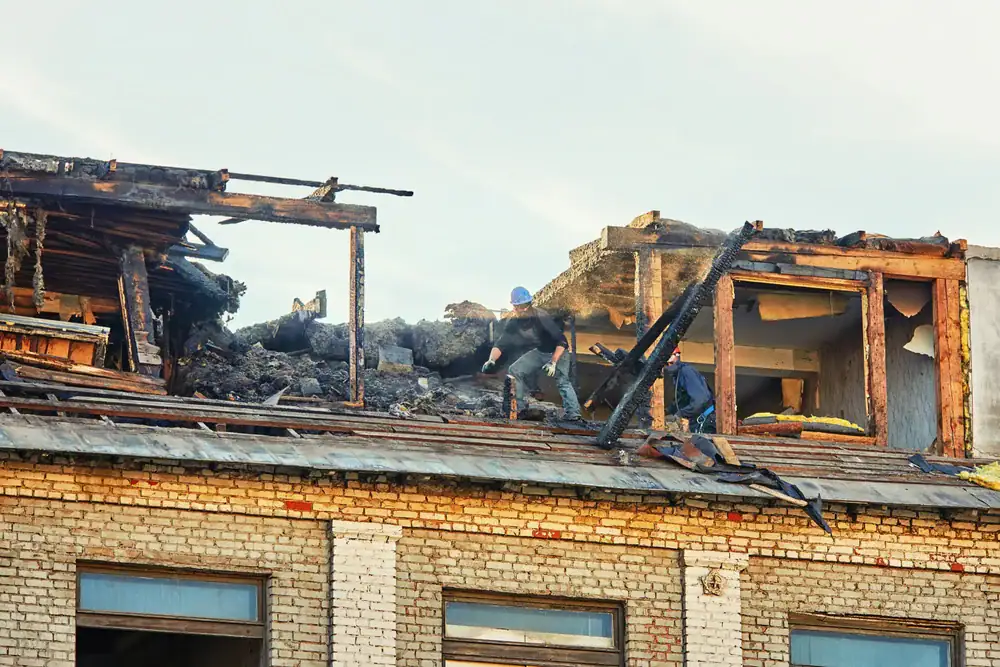
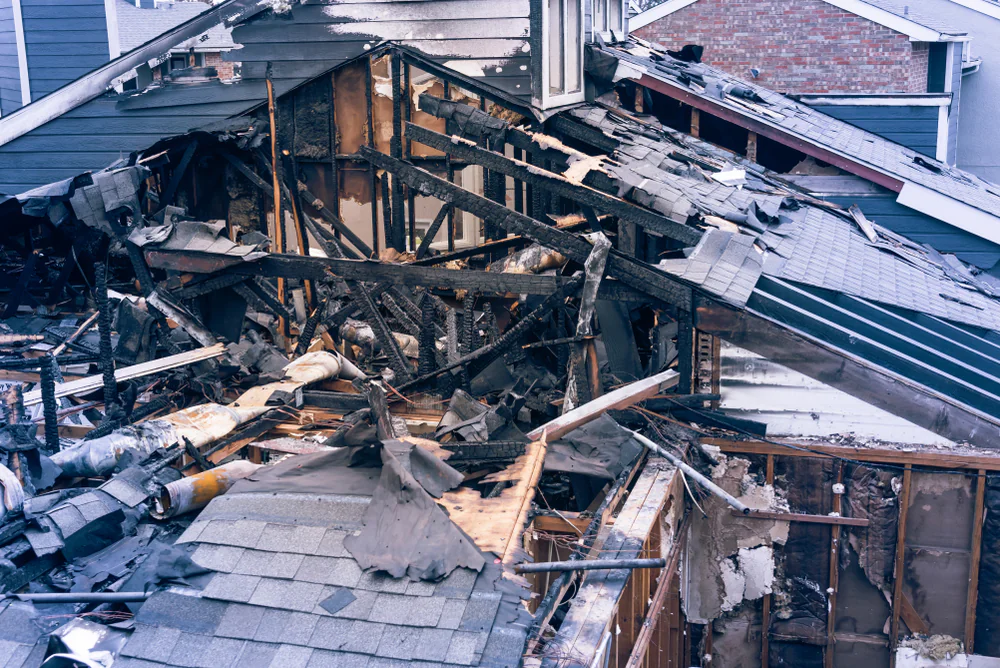
Fire restoration in Imperial Hills means dealing with three types of damage at once: fire, smoke, and water. Most homeowners don’t realize that firefighting efforts often cause as much water damage as a burst pipe, and smoke damage spreads far beyond the room where the fire started.
Our service includes emergency board-up and tarping if your roof or windows are compromised, complete soot and ash removal from all surfaces, HVAC duct cleaning to eliminate smoke particles circulating through your heating and cooling system, and thermal fogging or ozone treatment for odor removal. We also handle the water damage side: extraction, dehumidification, and structural drying to prevent mold growth in the weeks after the fire.
Indiana’s climate makes this especially important. Humidity levels here average 60-70% in summer, and that moisture accelerates mold growth on any surface that got wet during firefighting. We monitor moisture levels daily using infrared cameras and pin-type meters until everything reads dry—not just “feels” dry.
You also get a dedicated insurance liaison who speaks the same language as your adjuster, so your claim doesn’t get delayed because of missing documentation or disputed line items. We price everything using Xactimate, the same software your insurance company uses, which means fewer disputes and faster approvals.
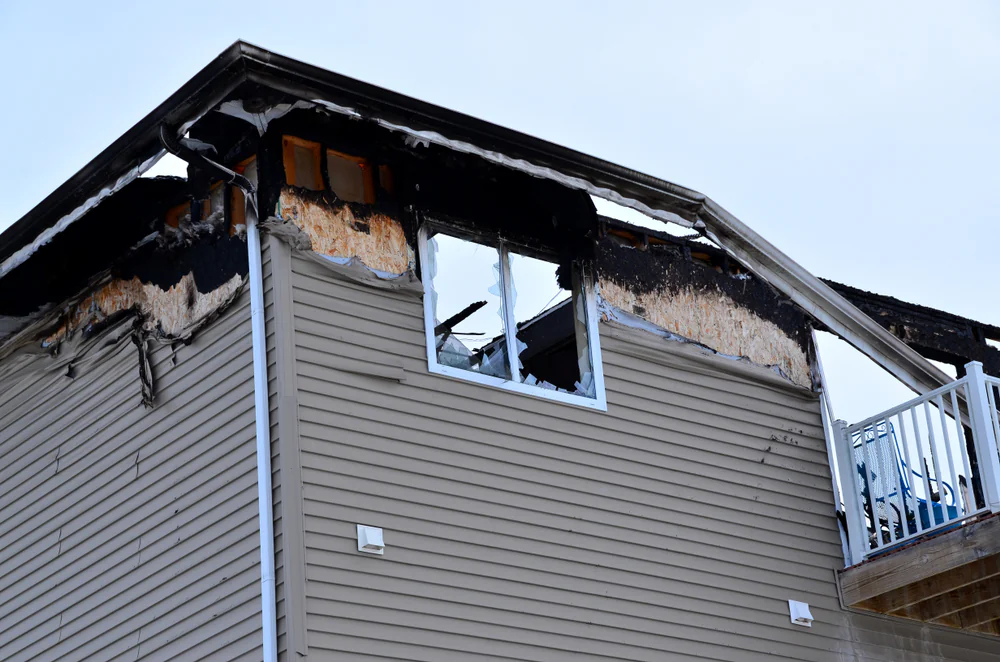
Soot and smoke start causing permanent damage within minutes, not days. Acidic soot from synthetic materials—plastics, fabrics, electronics—begins etching into porous surfaces like drywall, wood, and grout almost immediately. Within 72 hours, that same acid soot starts corroding metals: hinges, fixtures, appliances.
The discoloration you see on walls and ceilings isn’t just cosmetic. It’s a chemical reaction between soot particles and the surface material, and it gets harder to reverse the longer it sits. That’s why we prioritize containment and air scrubbing within the first few hours—stopping soot from spreading into unaffected rooms buys you time and reduces your total restoration cost.
If you’re waiting for your insurance adjuster to visit before any work starts, you’re giving smoke and soot three or four extra days to penetrate deeper into your home. Most adjusters actually prefer that you start emergency mitigation immediately, because it limits the total claim amount.
Most homeowner policies cover fire damage, including smoke and soot cleanup, water damage from firefighting, and temporary living expenses if your home is uninhabitable. But coverage depends on your specific policy, your deductible, and how well the damage is documented.
Insurance companies want to see detailed proof: photos of every affected area, moisture readings, thermal imaging, and a scope of work that explains why each line item is necessary. If you call a restoration company that shows up, sprays some deodorizer, and hands you a vague invoice, your claim will get delayed or denied.
We document everything using the same standards your adjuster expects, and we price our estimates using Xactimate—the software that insurance companies use to verify costs. That means fewer disputes, faster approvals, and less chance of you getting stuck paying out-of-pocket for work that should’ve been covered. If your adjuster pushes back on any line item, we handle that conversation directly so you’re not stuck in the middle.
It depends on the extent of the damage and whether the air quality is safe. If the fire was contained to one room and we can isolate that area with plastic sheeting and negative air pressure, you can usually stay in the unaffected parts of your home. If smoke traveled through your HVAC system or soot contaminated multiple rooms, it’s often safer to stay elsewhere until air scrubbing and cleaning are complete.
Soot particles are small enough to inhale deep into your lungs—PM2.5 size, the same particulate matter that makes air quality warnings dangerous. Breathing that in for days or weeks isn’t worth the convenience of staying home, especially if you have kids, elderly family members, or anyone with respiratory issues.
We’ll tell you honestly whether it’s safe to stay or not. If you need to leave temporarily, most insurance policies cover hotel costs or temporary housing as part of your claim. We can help you document that expense and submit it to your adjuster so you’re reimbursed.
Emergency mitigation—containment, air scrubbing, water extraction, and initial soot removal—usually takes three to five days. Full restoration, including drywall replacement, repainting, flooring, and reconstruction, can take anywhere from two weeks to two months depending on how much of your home was damaged.
Smaller fires contained to one room might be finished in two weeks. Larger fires that damaged multiple rooms or required structural repairs can take six to eight weeks, especially if we’re waiting on permits, insurance approvals, or specialty materials for older homes.
The biggest delays usually come from the insurance side, not the restoration work itself. If your adjuster takes two weeks to approve the scope of work, that’s two weeks we’re not starting repairs. That’s why we push documentation and estimates to your insurance company within 24 hours—it keeps your claim moving and gets you back in your home faster.
Fire restoration covers everything: structural repairs, charred materials, heat damage, smoke residue, and water damage from firefighting. Smoke damage cleanup is a subset of that—it’s specifically about removing soot, ash, and odor from surfaces and air without necessarily rebuilding anything.
You can have smoke damage without fire damage if, for example, a fire started in your neighbor’s unit or in your garage and smoke traveled through your HVAC system into the rest of your home. In that case, you’re not replacing drywall or framing, but you still need soot removal, air scrubbing, and odor treatment.
We handle both. If your home needs structural repairs, we coordinate that work alongside smoke cleanup so you’re not managing two separate contractors. If it’s only smoke and odor, we focus on surface cleaning, HVAC duct cleaning, and air quality restoration without tearing anything apart unnecessarily.
Yes. We offer contents pack-out, off-site cleaning, and climate-controlled storage for furniture, clothing, electronics, and personal items affected by smoke or soot. Some items can be cleaned on-site, but porous materials like upholstery, curtains, and clothing usually need specialized cleaning that’s easier to do in a controlled environment.
We inventory everything we remove, photograph it, and track it through the cleaning and storage process so there’s no confusion about what went where. Once your home is restored, we bring everything back and place it where you want it. If something can’t be saved—electronics with internal soot damage, for example—we document that for your insurance claim and dispose of it properly.
Not every restoration company offers contents cleaning, so if you’re comparing quotes, make sure you’re comparing the same scope of work. If one company is cheaper but doesn’t include pack-out or storage, you’ll end up paying someone else to do it anyway.
Other Services we provide in Imperial Hills