Hear from Our Customers
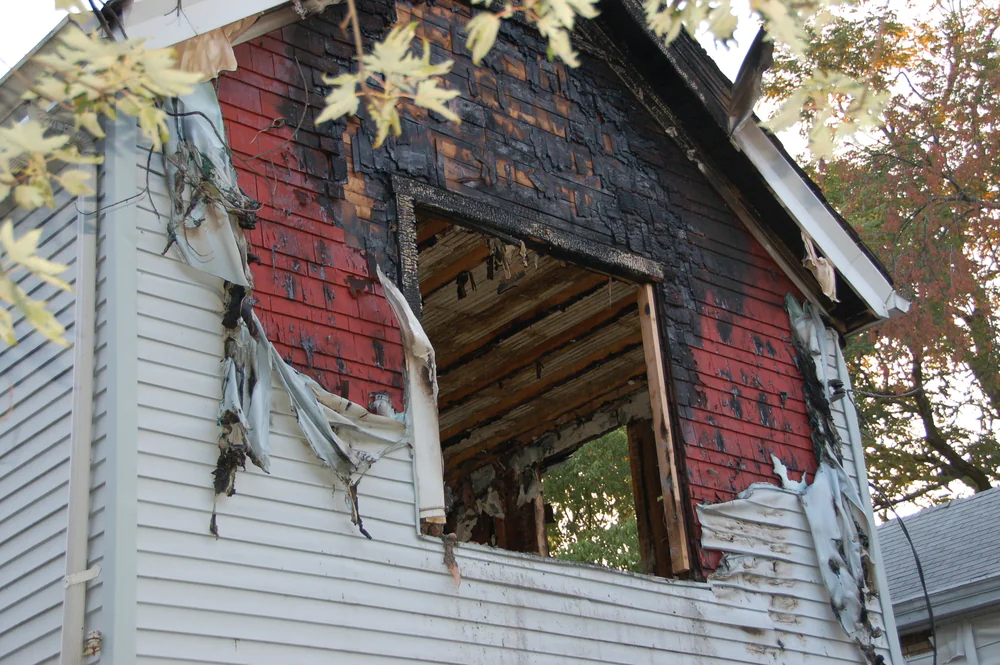
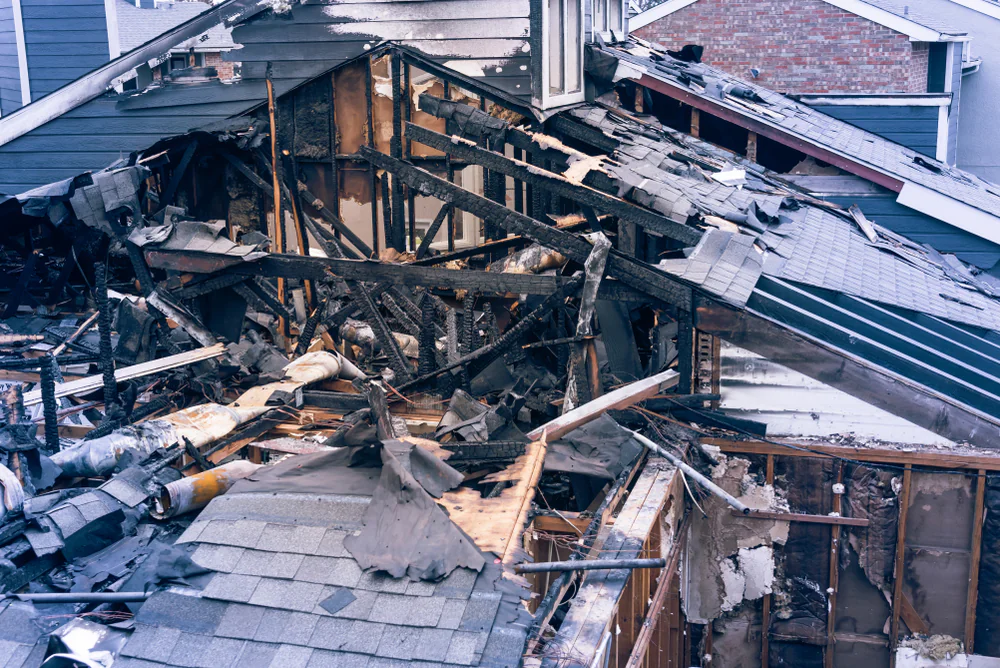
You’re looking at soot on the walls, water from the fire hoses, and an insurance adjuster who hasn’t called back yet. The smell won’t leave. You’re not sure what’s salvageable and what’s ruined.
Here’s what matters: corrosion starts within 72 hours of acid soot exposure. That means metals, fixtures, and electronics degrade fast if you wait. Water from firefighting efforts seeps into subflooring and drywall, creating mold risk within 24-48 hours.
Fire damage restoration means stopping that clock. You get a full damage inspection, moisture mapping, soot and smoke removal, odor neutralization, and contents pack-out if needed. The goal isn’t just cleanup—it’s getting your home back to pre-loss condition while your insurance claim moves forward.
You’ll know what’s happening, when it’s happening, and what it costs. No guessing.
We’ve handled fire and smoke damage across Newark Village and the wider Carmel area for nearly a decade. We’re IICRC-certified in Water Restoration (WRT), Applied Structural Drying (ASD), and Applied Microbial Remediation (AMRT). We’re also BBB-accredited and EPA RRP compliant where it applies.
Newark Village has a lot of older housing stock—homes built in the ’70s and ’80s with wood framing, older electrical, and basements that flood when hoses get turned on. We know what we’re walking into before we arrive.
You’ll get a live person when you call, a crew on-site in 60-90 minutes in most cases, and a full photo and moisture report within 24 hours. After that, updates every 48 hours until the job’s done. We work directly with your insurance carrier, align our pricing with Xactimate (the software adjusters use), and walk you through every step.
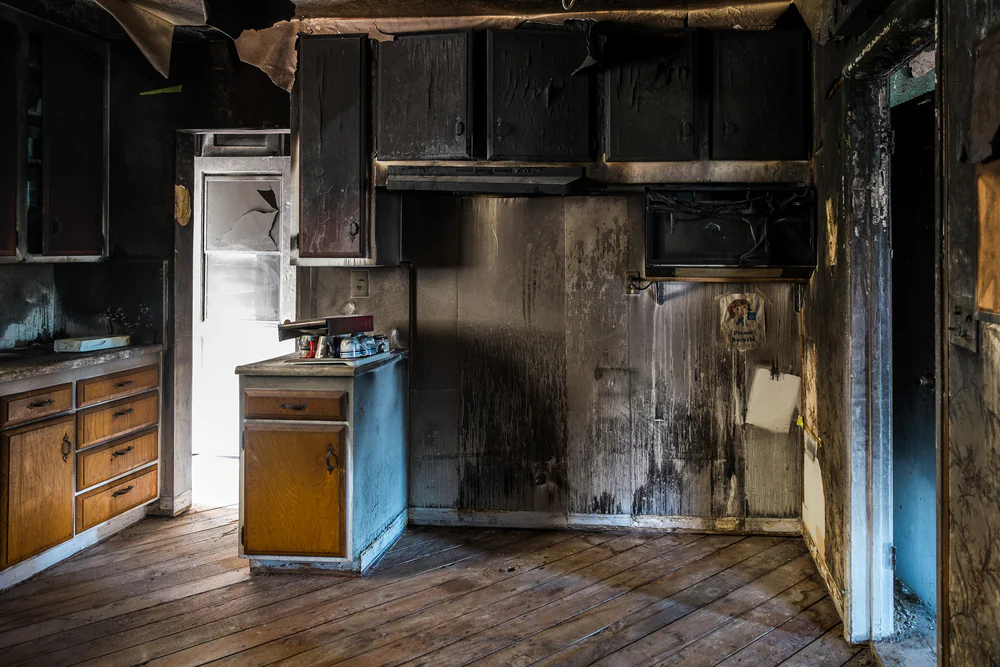
First, we assess the full scope—fire damage, smoke migration, water from suppression efforts, and structural safety. We document everything with photos and moisture readings. You’ll get that report within 24 hours.
Next, we contain unaffected areas using plastic sheeting and HEPA filtration to prevent cross-contamination. Soot and smoke residue get cleaned from walls, ceilings, and contents using specialized equipment. If items need off-site restoration, we pack them out to our secure facility.
We extract standing water, set up drying equipment, and monitor moisture levels daily. Odor neutralization happens through thermal fogging or hydroxyl generators—not just masking sprays. If there’s mold growth from water exposure, we handle remediation under our AMRT certification.
Once everything’s dry, clean, and tested, we walk you through the space. You’ll get a post-remediation report for your records and insurance. We follow up 14 days later to make sure nothing was missed.
Ready to get started?
You’re getting emergency water extraction, structural drying, soot and smoke removal, odor elimination, contents cleaning or pack-out, HVAC duct cleaning (smoke travels through ductwork), and full documentation for insurance. We also handle secondary issues like mold remediation if water sat too long.
In Newark Village, many homes have finished basements and attached garages where fires often start or spread. Smoke damage isn’t always visible—residue settles on surfaces you don’t see, and the smell embeds in porous materials like drywall and insulation. We test air quality, remove affected materials when necessary, and clean what’s salvageable.
We’re also your insurance liaison. That means we communicate directly with your adjuster, provide the documentation they need, and make sure you’re not stuck between a claim denial and a half-finished job. Our pricing matches Xactimate, so there’s no dispute over line items.
If you’re paying out of pocket (non-insurance work), we offer discounts for military, seniors, first responders, teachers, and new customers. You’ll get a transparent estimate before we start.
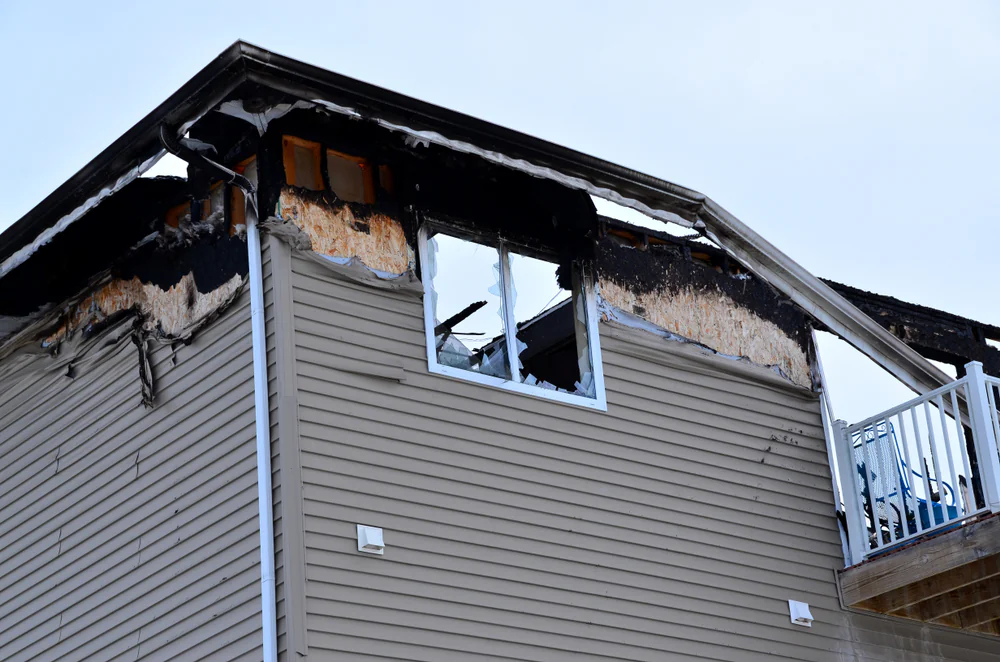
Immediately. Soot is acidic, and it starts corroding metals, tarnishing fixtures, and etching glass within 72 hours. The longer it sits, the more permanent the damage becomes.
Smoke residue also continues to spread. It moves through your HVAC system, settles into fabrics and carpets, and penetrates porous surfaces like drywall and wood. What looks like surface soot often means hidden damage behind walls or in ductwork.
Then there’s water. Firefighters use thousands of gallons to put out flames, and that water doesn’t just evaporate. It soaks into subflooring, insulation, and framing. Within 24-48 hours, you’re looking at mold growth. The faster we extract water and start drying, the less secondary damage you’ll deal with. Call as soon as it’s safe to re-enter your home.
Most homeowner policies cover fire damage restoration, including cleanup, water extraction, smoke odor removal, and contents restoration. But coverage depends on your specific policy, deductible, and the cause of the fire.
We work directly with insurance carriers. That means we document everything with photos, moisture maps, and detailed estimates using Xactimate—the same software your adjuster uses. We submit that documentation on your behalf and communicate with the adjuster throughout the process.
If there’s a dispute over scope or pricing, we provide the technical data to support the claim. You’re not navigating that alone. For non-insurance jobs, we offer upfront pricing and multiple discounts. Either way, you’ll know what you’re paying before work starts.
Fire damage is what burns—charred wood, melted materials, structural compromise. Smoke damage is what spreads—soot residue, discoloration, and odor that migrates far beyond the fire’s origin point.
Smoke is practically invisible at first, but it leaves a pungent smell and a fine layer of acidic residue on walls, ceilings, and belongings. It travels through your HVAC system and settles in rooms that never saw flames. That’s why you can have a kitchen fire and still smell smoke in the basement.
Soot also behaves differently depending on what burned. Protein fires (cooking) leave a sticky, hard-to-remove residue. Synthetic materials (plastics, fabrics) create toxic particulates that require specialized cleaning. We test surfaces, identify residue type, and use the right cleaning agents and equipment for each. You can’t just wipe this away with household cleaners.
It depends on the extent of fire, smoke, and water damage. A small kitchen fire with limited smoke migration might take 5-7 days. A whole-home fire with structural damage, water extraction, and contents pack-out can take 3-6 weeks or longer.
Drying alone takes time. We can’t rush it—materials need to reach safe moisture levels (typically below 15% for wood, below 1% for concrete) before reconstruction starts. We monitor daily with moisture meters and adjust equipment as needed.
Smoke odor removal also isn’t instant. We use thermal fogging, hydroxyl generators, and ozone treatment depending on severity. Some materials—like insulation or drywall—can’t be saved and need replacement. We’ll give you a timeline after the initial inspection, then update you every 48 hours as conditions change. If insurance is involved, adjuster response times can also affect the schedule.
Usually not, especially if there’s active water extraction, demolition, or odor treatment happening. Soot particles are toxic when disturbed, and cleaning releases them into the air. HEPA filtration helps, but it’s not safe to live in that environment.
If the fire was contained to one area and we can fully seal it off with containment barriers, you might be able to stay in unaffected parts of the house. But that’s rare. Most fire restoration involves water damage, which means drying equipment running 24/7—dehumidifiers, air movers, noise, and heat.
We’ll assess safety during the inspection. If the structure is compromised, utilities are shut off, or air quality is poor, you’ll need temporary housing. Many insurance policies cover “loss of use” or “additional living expenses” while your home is uninhabitable. We’ll document the conditions and provide that information to your carrier so you can file for those benefits.
Yes. We offer full contents pack-out, cleaning, and storage in our secure facility. That includes furniture, electronics, clothing, documents, and personal items that can be restored.
Some items can be cleaned on-site. Others need specialized treatment—ultrasonic cleaning for electronics, ozone chambers for odor removal, or dry cleaning for fabrics. We inventory everything, photograph it, and track it through the restoration process.
If something can’t be saved, we document that too. Your insurance adjuster needs proof of condition and replacement value, and we provide that. Once your home is ready, we bring everything back and place it where it belongs. You’re not hauling boxes or sorting through soot-covered belongings yourself. We handle it from start to finish.
Other Services we provide in Newark Village