Hear from Our Customers
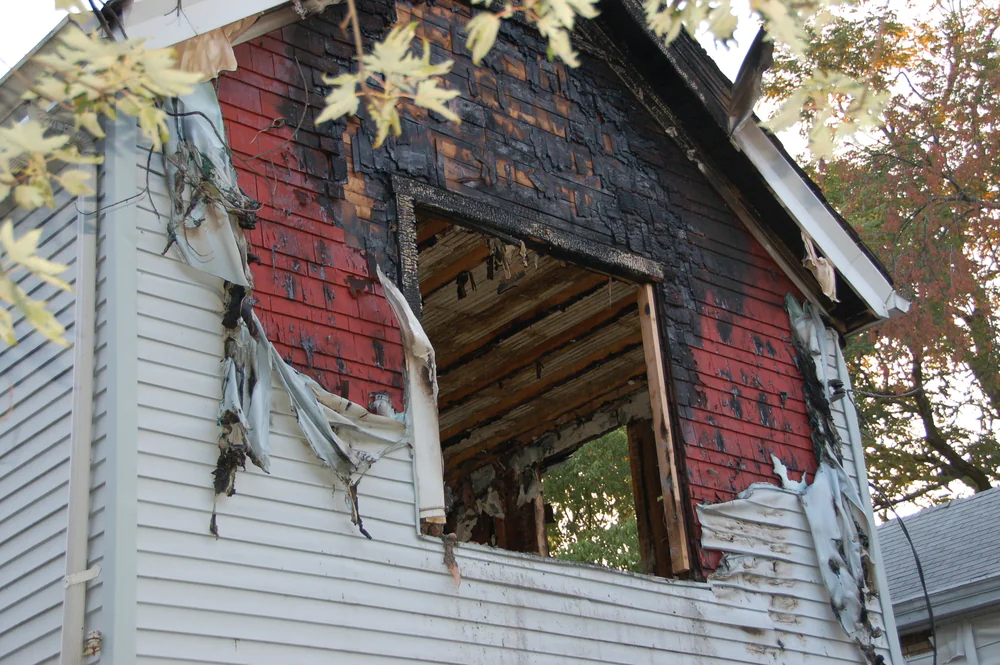
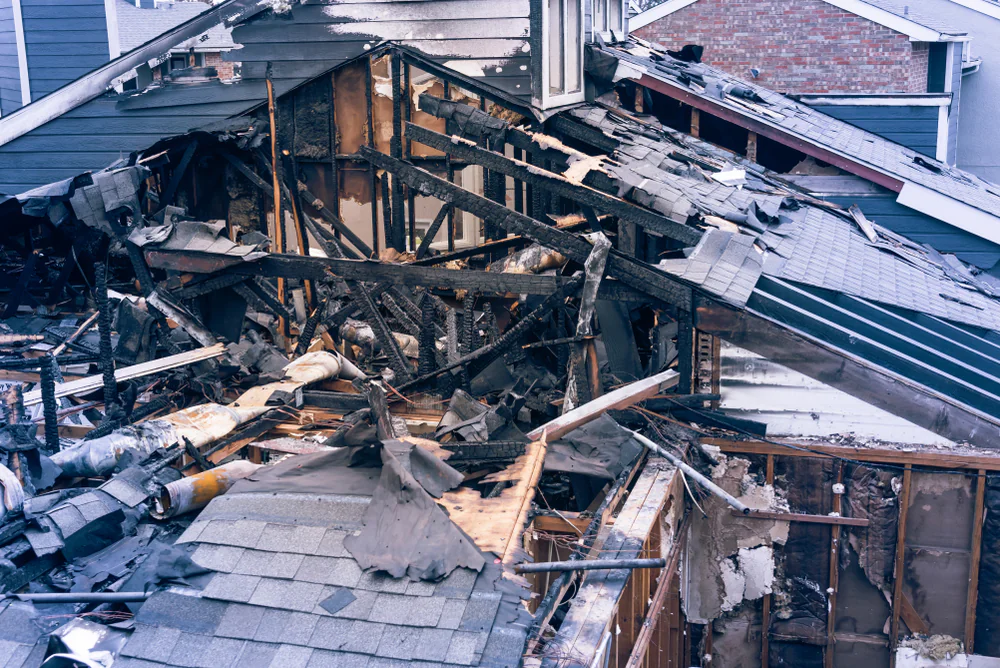
The fire’s out, but the real work is just starting. Smoke has traveled through your HVAC system. Soot is on surfaces you didn’t even know existed. Water from the fire hoses has soaked into subflooring and drywall. And the smell—it’s everywhere.
You need more than cleanup. You need a full fire damage restoration process that addresses what you can see and what you can’t.
That means removing damaged materials, drying out water, scrubbing soot from walls and ceilings, deodorizing with professional-grade equipment, and documenting everything for your insurance claim. It also means protecting the parts of your property that weren’t touched by fire so contamination doesn’t spread.
When the job’s done right, your home or business doesn’t just look clean. It’s safe, odor-free, and ready to move back into. That’s what fire restoration should deliver.
We’ve been handling emergency restoration work since 2016. We’re IICRC-certified in water damage restoration, applied structural drying, and mold remediation—credentials that matter when you’re dealing with fire, smoke, and the water damage that comes with it.
We serve Amity and the surrounding Central Indiana area with a live-answer phone line and a 60 to 90-minute response time. No voicemail. No waiting until Monday. If you call, we pick up—and we show up.
Our team works directly with your insurance company, uses Xactimate pricing, and provides the kind of documentation adjusters actually want to see. We’ve been doing this long enough to know what slows claims down, and we build our process to avoid those delays.
First, we get on-site fast. Within 60 to 90 minutes in most cases. We assess the damage, take photos, and start containment right away to keep smoke and soot from spreading into unaffected rooms.
Next, we remove standing water if firefighting efforts left any behind. We set up drying equipment, HEPA filtration, and start pulling out materials that can’t be saved—charred drywall, soaked insulation, anything that’s compromised. We bag it, document it, and dispose of it properly.
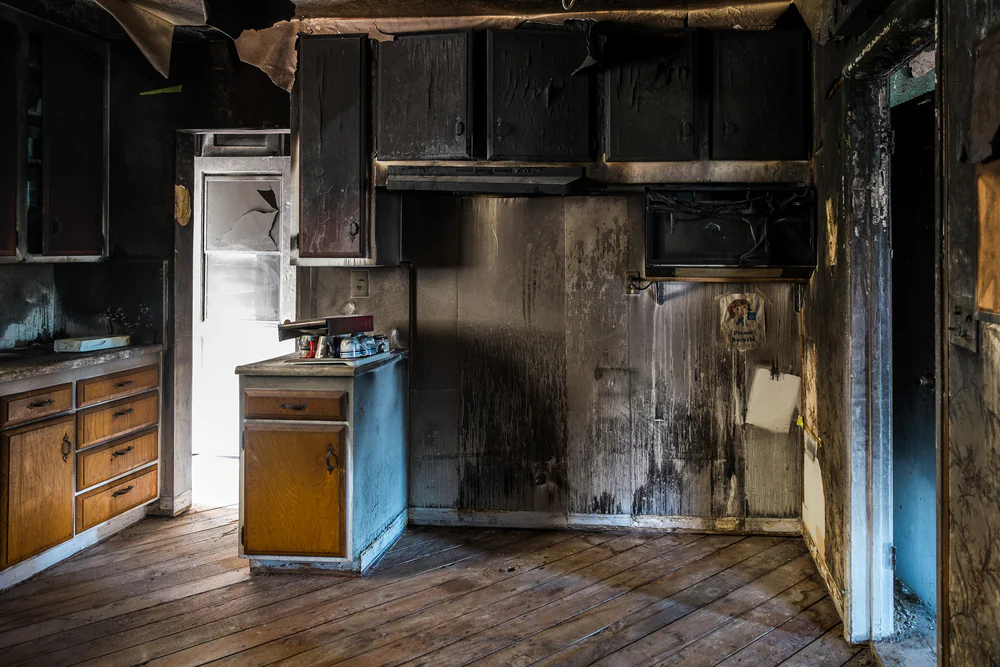
Then comes the deep cleaning. We scrub soot from every surface—walls, ceilings, floors, fixtures. We treat your HVAC system if smoke traveled through the ducts. And we run thermal foggers or hydroxyl machines to neutralize odors at the molecular level, not just cover them up.
Throughout the process, we’re updating you and your insurance adjuster. You’ll get a full photo report within 24 hours and progress updates every 48 hours after that. When we’re done, we walk the property with you, answer your questions, and follow up two weeks later to make sure everything still feels right.
Ready to get started?
Fire damage restoration in Amity isn’t just about cleaning up ash. It’s about addressing every layer of damage a fire leaves behind.
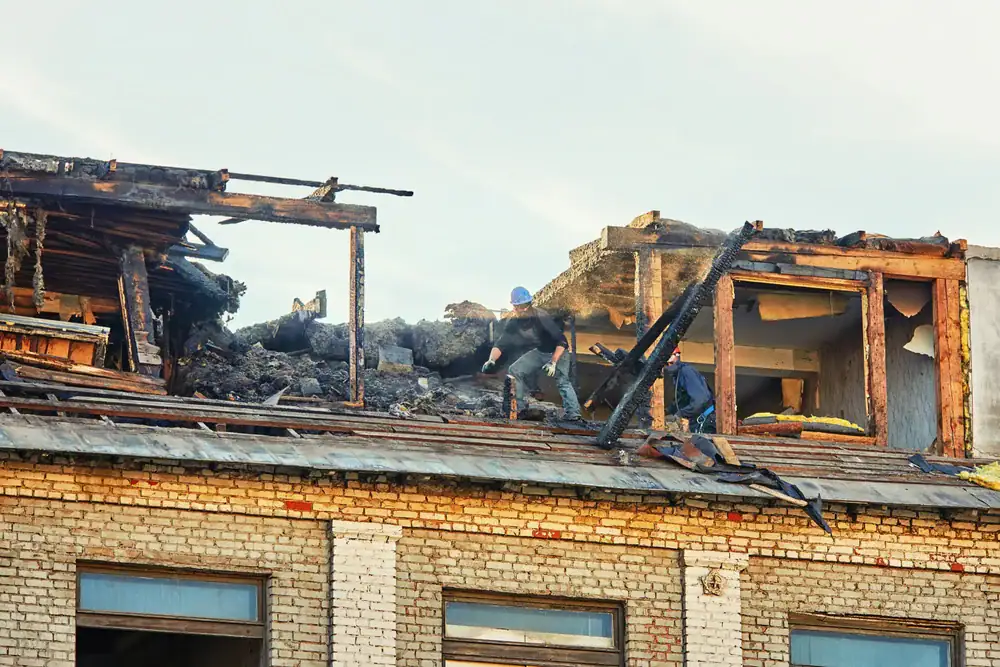
That includes emergency board-up and tarping if your roof or windows are compromised. It includes water extraction and structural drying, because the fire department’s hoses often cause as much damage as the flames. It includes soot removal from walls, ceilings, and contents—plus disinfection of affected areas.
Smoke odor removal is one of the hardest parts, especially in Indiana’s humidity. Odors cling to porous materials and get worse over time if they’re not treated correctly. We use hydroxyl generators and thermal fogging to break down odor molecules, not just mask them with air fresheners.
We also handle contents pack-out and storage if you need your belongings cleaned off-site, and we’ll clean your HVAC ducts after a fire to keep smoke residue from recirculating. If reconstruction is needed after demo, we can manage that too—so you’re not coordinating between multiple contractors.
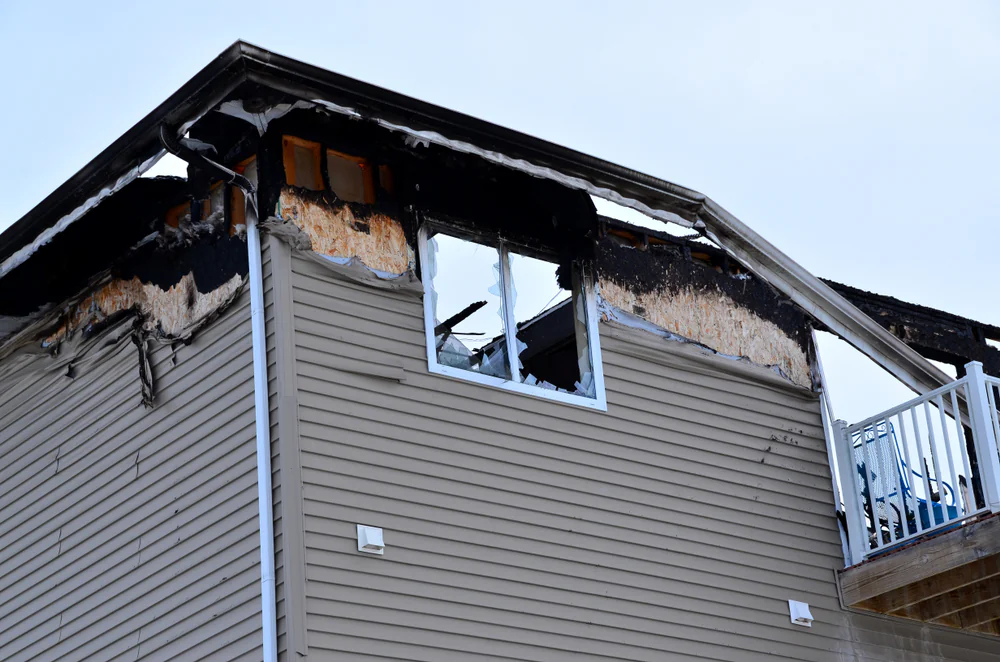
We’re available 24/7, and in most cases we’re on-site within 60 to 90 minutes of your call. That response time matters because fire damage gets worse the longer it sits—soot etches into surfaces, smoke odors set in deeper, and water from firefighting efforts starts causing secondary damage like mold.
When you call our line, a real person answers. No voicemail, no callback delays. We’ll ask a few questions about what happened, what you’re seeing, and whether the property is safe to enter. Then we dispatch a crew with the equipment needed to start containment, drying, and documentation right away.
Speed doesn’t mean we skip steps. It means we’ve done this enough times to know exactly what needs to happen first, and we’re set up to move fast without cutting corners.
Most homeowners and commercial property policies cover fire damage restoration, including smoke cleanup, water extraction from firefighting efforts, and contents restoration. But coverage depends on your specific policy, your deductible, and how the claim is documented.
We work directly with insurance companies as part of our process. That means we use Xactimate estimating software—the same platform most adjusters use—so our pricing aligns with what they expect to see. We provide detailed photo documentation, moisture maps, and progress reports within 24 hours, then update every 48 hours as the job moves forward.
We’ll also communicate directly with your adjuster if they have questions or need additional information. Our goal is to remove as much friction from the claims process as possible so you can focus on getting back to normal instead of arguing over line items.
Smoke odor removal is one of the most challenging parts of fire restoration because smoke particles are microscopic and they penetrate porous materials—drywall, insulation, upholstery, wood, even concrete. You can’t just air the place out or spray some Febreze and call it done.
We use a combination of methods depending on the severity. That includes thermal fogging, which releases a deodorizing vapor that penetrates the same spaces smoke did, neutralizing odor molecules at the source. We also use hydroxyl generators, which break down odor compounds in the air and on surfaces without leaving behind any chemical residue.
If smoke traveled through your HVAC system—which it almost always does—we’ll clean the ductwork so you’re not recirculating odors every time the heat or AC kicks on. And if materials like carpet padding or insulation are too saturated with smoke, we remove and replace them. Sometimes that’s the only way to fully eliminate the smell.
Cleanup usually means removing debris, wiping down surfaces, and getting rid of the most obvious damage. Restoration means bringing your property back to its pre-loss condition—structurally, cosmetically, and functionally.
Fire restoration includes everything cleanup covers, but it goes further. We’re drying out water damage, treating smoke odor in hidden areas like wall cavities and ductwork, removing compromised building materials, disinfecting affected zones, and documenting every step for your insurance claim. If reconstruction is needed after demolition, that’s part of restoration too.
The goal isn’t just to make your property look better. It’s to make it safe, livable, and free of long-term issues like lingering odors, mold growth from water damage, or structural problems that weren’t addressed. That’s the difference between a surface-level cleanup and a complete fire damage restoration.
Yes. We work with homeowners, property managers, landlords, and light commercial clients throughout Amity and Central Indiana. The core process is the same—assess, contain, extract, dry, clean, deodorize, document—but the scale and complexity vary depending on the property type.
Residential fire restoration often involves contents pack-out, odor treatment in living spaces, and coordinating with homeowners who are displaced and under stress. Commercial projects might include after-hours work to minimize business interruption, larger-scale water extraction, or coordination with multiple stakeholders like tenants and property management companies.
We’re set up to handle both. Our team is IICRC-certified, our equipment scales to the size of the job, and our documentation process meets the standards insurance companies expect whether it’s a single-family home or a multi-unit building.
It depends on the extent of the damage, but most fire restoration projects take anywhere from a few days to a few weeks. A small kitchen fire with limited smoke spread might be wrapped up in three to five days. A whole-structure fire with significant water damage, soot contamination, and reconstruction needs could take several weeks.
The timeline breaks down into phases. Emergency services—board-up, water extraction, containment—happen on day one. Drying and dehumidification usually take three to five days depending on how much water is involved. Cleaning, soot removal, and deodorization add another few days. If reconstruction is needed, that extends the timeline based on the scope of work.
We’ll give you a realistic estimate after the initial assessment, and we update you every 48 hours so you know where we are in the process. The goal is to move as quickly as possible without sacrificing quality, because we know you want your life back.
Other Services we provide in Amity