Hear from Our Customers
You’re not just getting soot wiped off walls. You’re getting your air quality back, your insurance paperwork handled, and a home that doesn’t smell like smoke every time the humidity spikes.
The goal isn’t to make it livable. It’s to make it yours again.
That means thermal fogging for odor, HEPA filtration during demo, and documentation your adjuster will actually accept. It means we show up in under 90 minutes, walk you through what’s salvageable, and don’t leave until the moisture readings are where they need to be. You’ll get photo updates within 24 hours and progress reports every 48 after that.
Most fire damage gets worse while you’re waiting for someone to call you back. We don’t do that.
Elite Clean Restoration handles fire and smoke restoration across Central Indiana, and we’ve worked in enough older Arcadia homes to know what you’re up against. A lot of houses here were built before 1940—that means knob-and-tube wiring, aluminum circuits, and wood that’s been drying out for 80 years.
We’re IICRC-certified in water restoration, structural drying, and microbial remediation. That’s not marketing language—it’s the training that tells us when to pull drywall, how to treat smoke residue on different surfaces, and what your insurance company needs to see in the report.
You’ll talk to a real person when you call, and we’ll be on-site within 60 to 90 minutes. We’ve been doing this long enough to know what questions you haven’t thought to ask yet.
First, we pick up the phone. You’re not getting voicemail at 2 a.m. on a Sunday.
Then we’re on-site fast—usually within 90 minutes. We’ll assess what’s damaged, what’s salvageable, and what needs to be contained right now to stop cross-contamination. That means setting up HEPA filtration, sealing off unaffected rooms, and starting documentation for your claim.
Next comes the actual restoration work: soot and smoke residue removal, thermal fogging or ozone treatment for odors, water extraction if the fire department soaked your floors, and structural drying with commercial dehumidifiers. If contents need to be packed out and stored while we work, we handle that too.
You’ll get a full photo report within 24 hours, then updates every 48 hours until the job’s done. Before we leave, we’ll walk the property with you and follow up two weeks later to make sure nothing was missed.
Ready to get started?
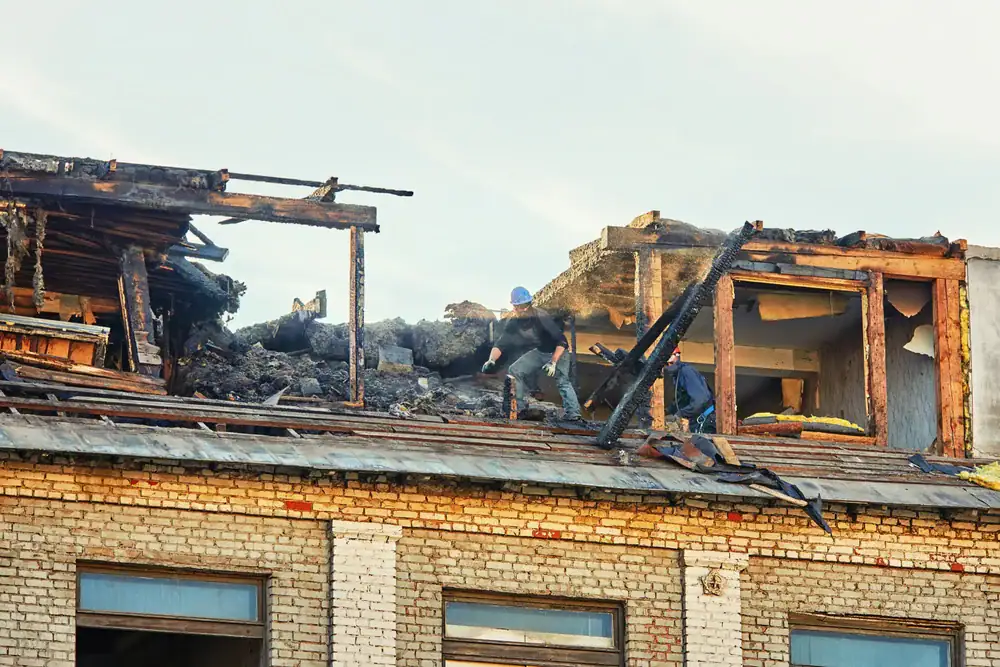
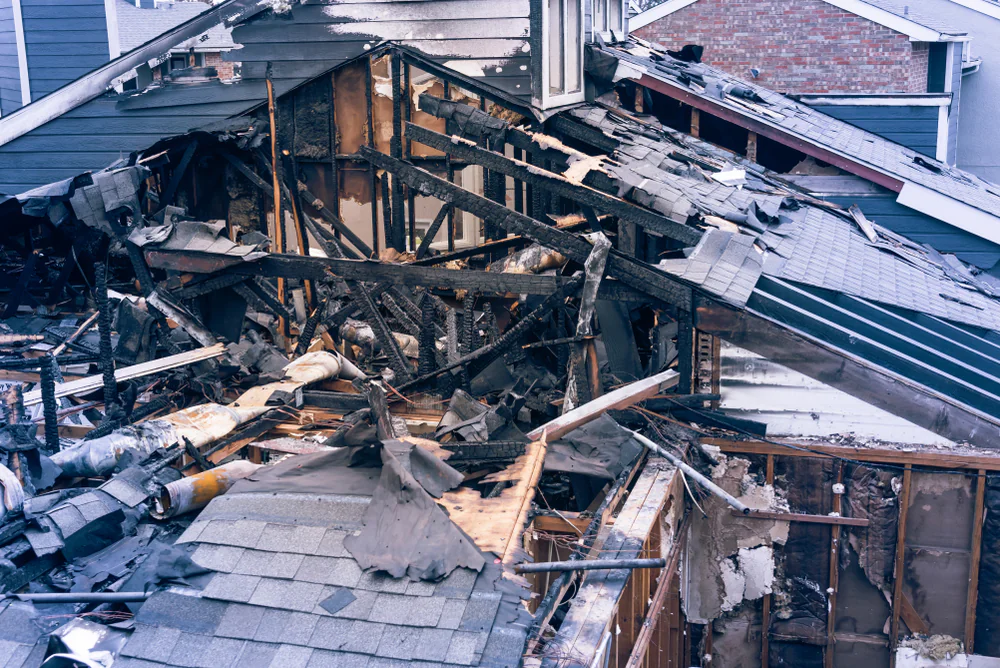
Fire restoration isn’t just about what burned. It’s about what got soaked when the fire department showed up, what’s coated in soot three rooms away, and what’s going to smell like smoke for the next five years if it’s not treated right.
We handle all of it: structural cleaning and repairs, smoke odor neutralization, content pack-out and storage, water damage mitigation, air duct cleaning if your HVAC pulled smoke through the system, and full documentation with moisture mapping and progress photos.
In Arcadia, where so many homes were built before modern fire codes, we also see a lot of hidden damage—smoke that traveled through wall cavities, soot on ductwork, and water that seeped into old subfloors. We use thermal imaging and moisture meters to find what you can’t see, and we don’t close the job until the readings are right.
Your insurance adjuster will get an Xactimate-aligned estimate, which means no surprises and no fights over line items. If you’re filing a claim, we’ll work directly with your carrier. If you’re paying out of pocket, we offer discounts for military, seniors, first responders, and teachers.
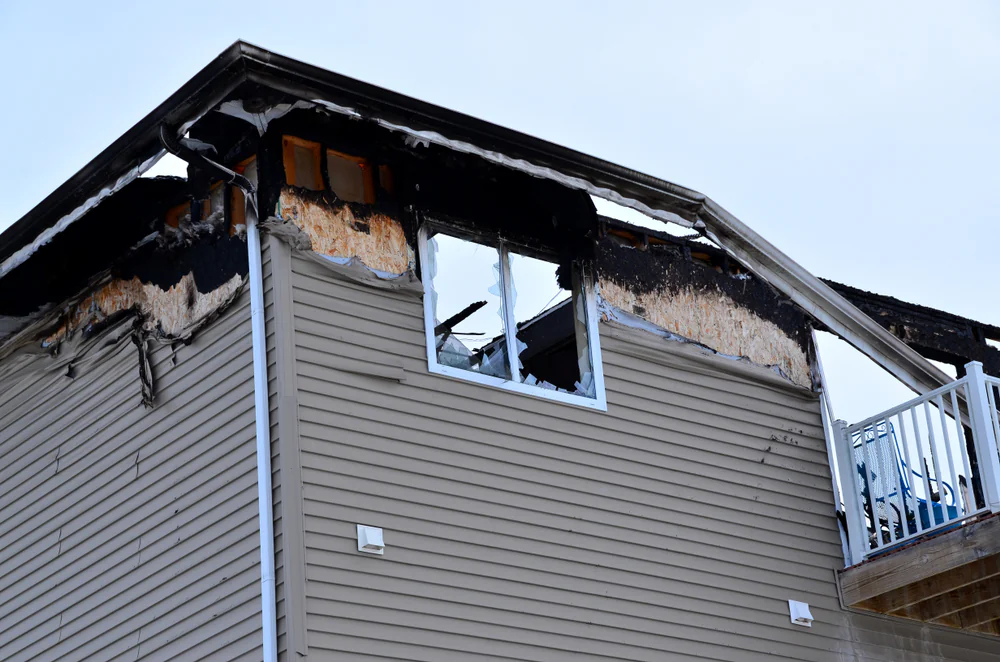
We’re on-site within 60 to 90 minutes, and that’s not an average—it’s what we plan for. Fire damage gets worse the longer it sits, especially in Indiana’s humidity. Soot becomes harder to remove, smoke odor sets deeper into porous materials, and any water left behind from firefighting efforts starts feeding mold growth within 24 to 48 hours.
When you call, you’ll reach a live person who can dispatch a crew immediately, day or night. We don’t use answering services or promise a callback in the morning.
Speed matters because the difference between surface cleaning and full demolition often comes down to how fast the drying equipment gets running. We bring truck-mounted extractors, commercial dehumidifiers, air movers, and containment barriers on the first trip—not after an estimate gets approved three days later.
Most homeowners policies in Indiana cover fire damage, including smoke cleanup, water extraction from firefighting efforts, and structural repairs. But coverage depends on your specific policy, your deductible, and how the claim is documented.
That’s where a lot of homeowners get stuck. Insurance adjusters need detailed estimates, moisture readings, photo documentation, and proof that the damage is directly related to the fire event. If the paperwork isn’t right, you’ll spend weeks going back and forth—or worse, you’ll get a partial payout that doesn’t cover the actual cost of restoration.
We use Xactimate, which is the same estimating software most insurance companies use. That means our line items match what your adjuster expects to see, and we can walk them through the scope if there are questions. We’ll also coordinate directly with your carrier if you want us to, so you’re not playing middleman while you’re trying to figure out where your family is going to sleep.
If you’re not sure what your policy covers, call your agent before you call us. But either way, we’ll document everything correctly from day one.
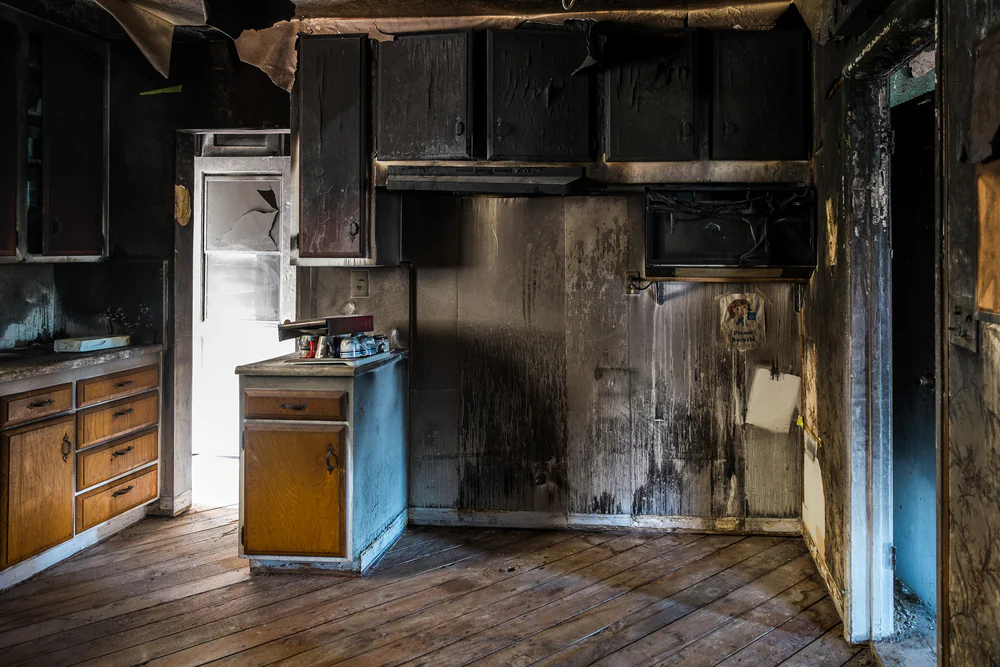
Smoke odor doesn’t just sit on surfaces—it gets into drywall, insulation, ductwork, and anything porous. You can’t cover it up with air fresheners or paint over it and hope it goes away. It won’t.
We use a combination of methods depending on what burned and how long the smoke circulated. Thermal fogging releases a deodorizing vapor that penetrates the same places smoke did, neutralizing odor at the molecular level. Ozone treatment works for severe cases, but it requires the space to be unoccupied because ozone is harsh on lungs. For contents like furniture and clothing, we either clean them on-site or pack them out for specialized treatment.
If your HVAC system was running during the fire, smoke got pulled through your ductwork and deposited residue on every vent in the house. We’ll clean the ducts and replace filters, because running your furnace after a fire without cleaning the system just recirculates the smell.
In older Arcadia homes, where walls might not have vapor barriers and insulation is often exposed in attics or crawl spaces, smoke can travel farther than you’d expect. We use thermal imaging to track where it went, and we don’t call the job done until the air quality testing comes back clean.
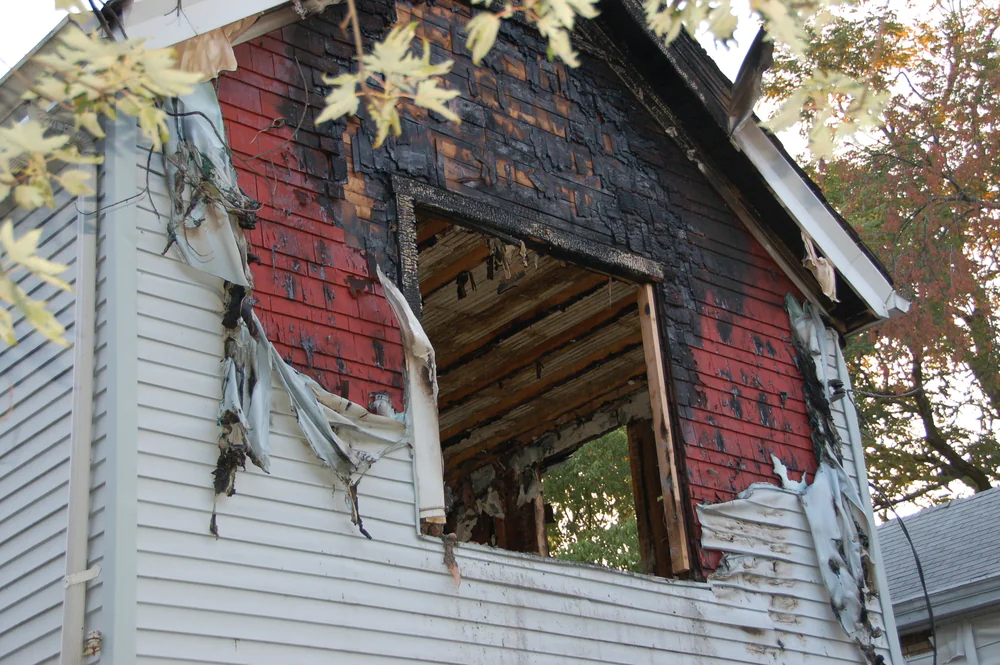
Fire damage is what burned—charred wood, melted materials, structural compromise. Smoke damage is everything else, and it’s usually more expensive to fix because it spreads farther and hides better.
Smoke leaves behind soot and residue that’s acidic and corrosive. If it’s not cleaned off quickly, it’ll etch glass, tarnish metal, and permanently discolor walls. It also carries odor compounds that bond to porous materials, which is why your couch might smell like smoke even if it was never near the flames.
Then there’s the water damage from putting the fire out. Firefighters don’t worry about your hardwood floors when they’re trying to save your house—they flood the place, and that water seeps into subfloors, drywall, and insulation. If it’s not extracted and dried within 48 hours, you’re looking at mold growth on top of everything else.
A full fire restoration job addresses all three: structural repairs for what burned, chemical cleaning and odor treatment for smoke damage, and water extraction plus drying for what got soaked. Skipping any of those steps means you’ll be dealing with problems for years.
Yes. We work with property managers, landlords, and commercial clients regularly, and we understand the timeline pressure you’re under. A rental unit that’s sitting empty because of fire damage is losing money every day, and your tenants need answers now—not next week.
We’ll coordinate directly with whoever’s managing the claim, whether that’s you, the property owner, or an insurance adjuster. You’ll get the same documentation and progress updates we provide to homeowners: photos within 24 hours, moisture maps, scope of work, and an Xactimate estimate that matches what the carrier expects to see.
If the unit needs to be turned over fast, we’ll prioritize the work that makes it habitable first—air quality, odor removal, and structural safety—then handle cosmetic repairs on a schedule that works for your lease timeline. We’ve also packed out and stored tenant belongings during restoration and returned them once the unit was ready.
For multi-unit properties, we’ll set up containment to keep smoke and demo dust from affecting neighboring units. We wear shoe covers, run HEPA filtration, and work with your maintenance team to minimize disruption.
Yes, and it’s mostly because of outdated electrical systems. A lot of homes in Arcadia were built before 1940, which means you’re dealing with knob-and-tube wiring, aluminum circuits, or cloth-insulated wiring that degrades over time. Aluminum wiring alone increases fire risk by up to 55 times compared to copper.
Old wiring wasn’t designed to handle the electrical load of modern appliances—microwaves, space heaters, window AC units. When you overload an old circuit, the insulation heats up, cracks, and eventually sparks. Add in old wood framing that’s been drying out for 80 years, and fires spread faster than they would in newer construction.
If you’re buying or renovating an older home in Arcadia, it’s worth having an electrician inspect the wiring and upgrade anything that’s not up to code. It’s also worth checking your homeowners insurance policy to make sure it covers fire damage related to older systems—some carriers exclude coverage if they know you have aluminum wiring and you haven’t replaced it.
If a fire does happen, older homes also tend to have more hidden damage because smoke travels through wall cavities, attics, and crawl spaces that aren’t sealed the way modern homes are. That’s why thermal imaging and moisture mapping matter—you need to know where the damage actually is, not just where you can see it.
Other Services we provide in Arcadia