Hear from Our Customers
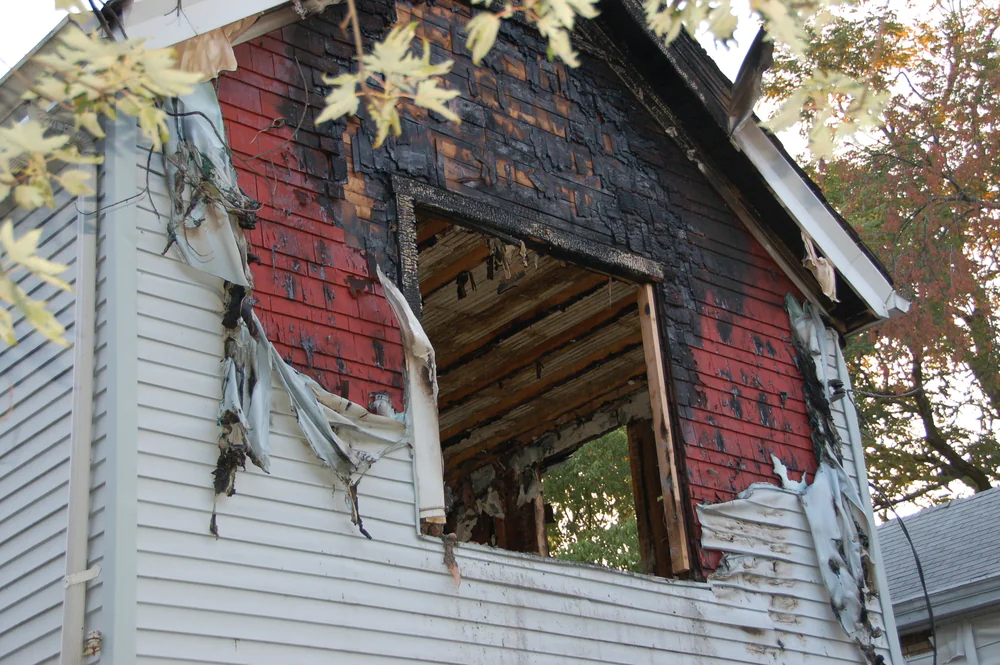
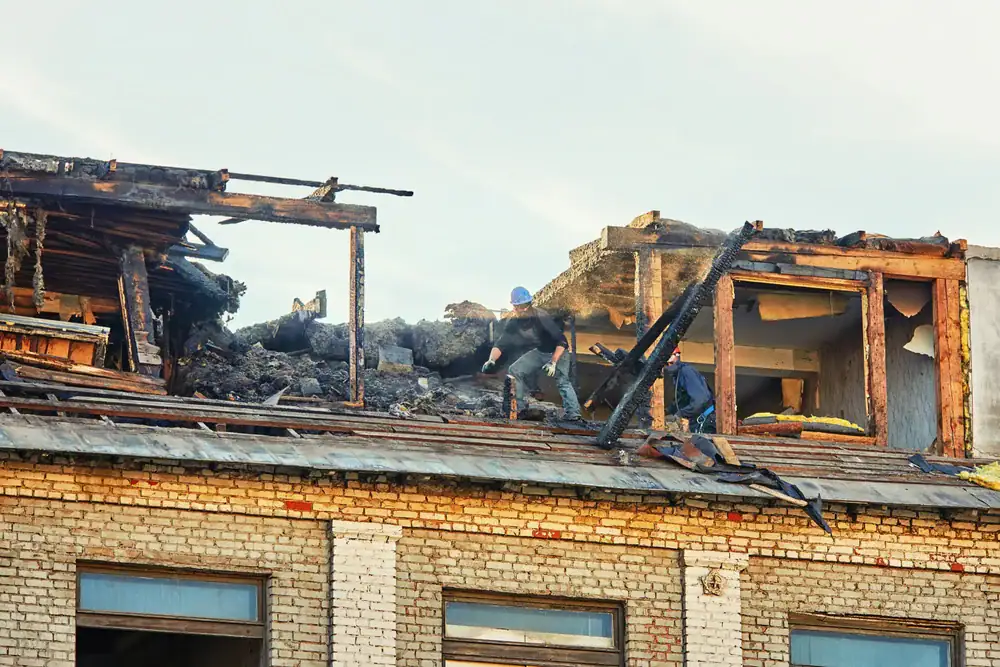
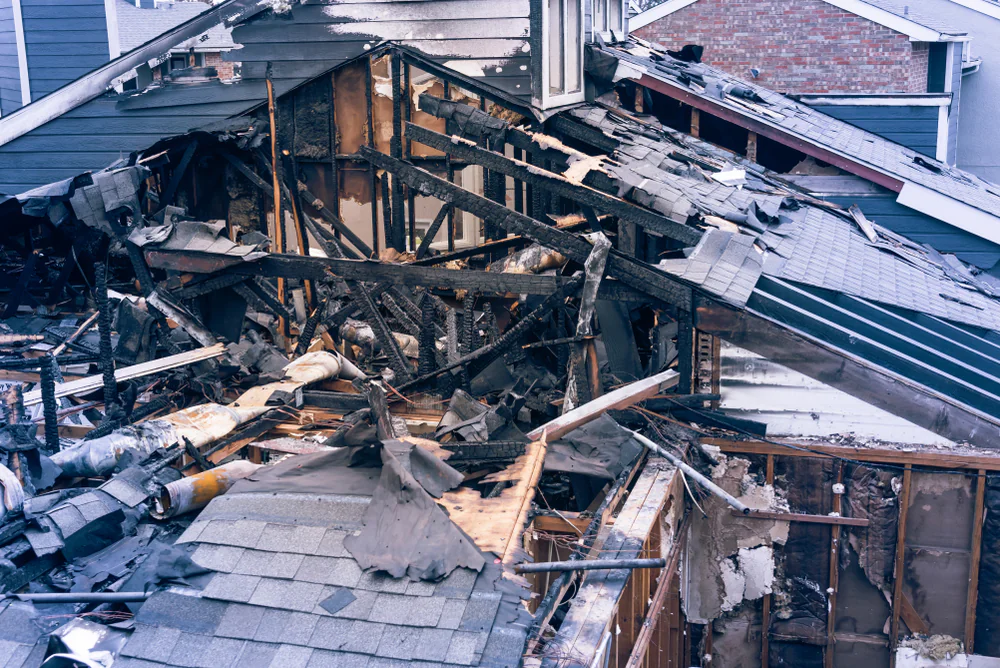
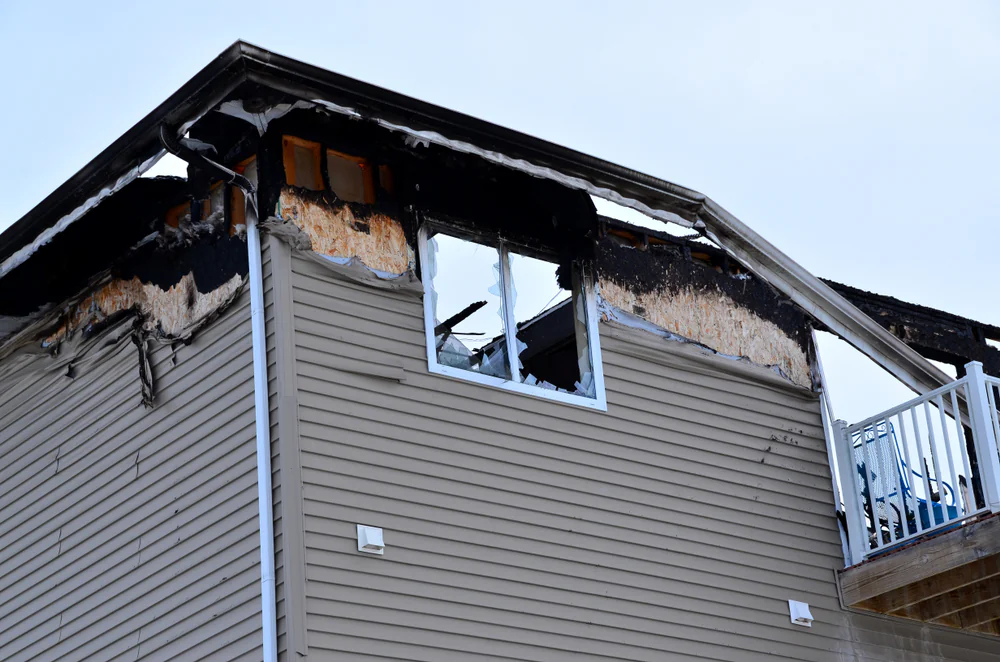
Fire damage doesn’t end when the flames go out. Smoke seeps into walls. Water from firefighting efforts pools in places you can’t see. Soot settles on surfaces and starts corroding metal, etching glass, discoloring fabric.
The longer that sits, the worse it gets. And the more expensive it becomes to fix.
Our fire restoration process stops secondary damage before it compounds. We document everything within 24 hours—photos, moisture maps, affected materials—so your insurance claim moves forward without delays. We contain the damaged areas with physical barriers and HEPA filtration so the rest of your property stays clean. And we don’t leave until the smoke smell is actually gone, not just masked.
You get a property that’s safe to occupy, belongings that are cleaned or properly inventoried for replacement, and a clear timeline for what happens next. No guessing. No lingering odors six months later. No surprise bills because someone didn’t catch hidden damage early.
Elite Clean Restoration has been handling fire and smoke restoration in Belleville and across Indiana since 2016. We’re IICRC-certified in water damage restoration, applied structural drying, and mold remediation—credentials that matter when insurance adjusters review your claim.
You won’t get voicemail when you call. Our line is answered 24/7 by someone who can dispatch a crew, not a call center reading a script. We know Belleville’s older housing stock, the way Indiana humidity affects drying timelines, and how winter freezes can complicate water damage from firefighting efforts.
We work directly with your insurance company, bill them directly when applicable, and use Xactimate pricing so there’s no sticker shock. You’ll get progress updates every 48 hours, a dedicated claims liaison if needed, and a post-job walkthrough before we consider anything complete.
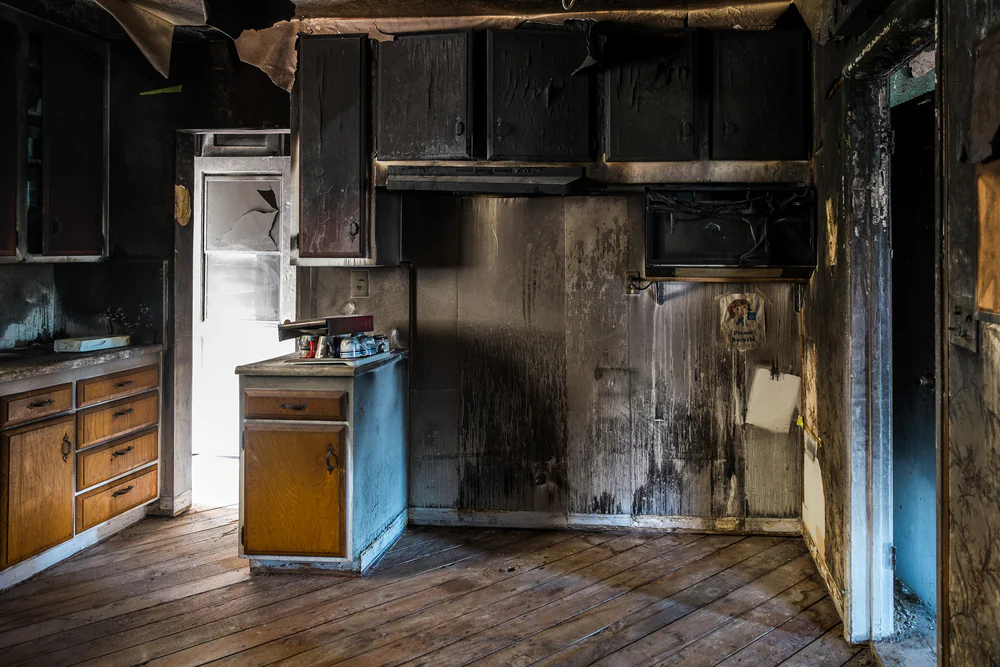
First, we assess safety and scope. Our team identifies structural risks, checks for electrical hazards, and maps out what’s salvageable versus what needs removal. You get a walkthrough explanation, not a clipboard and silence.
Next, we contain and extract. Plastic sheeting and negative air machines keep soot and odor from spreading to clean areas. If there’s standing water from hoses or sprinklers, we extract it immediately and start drying with commercial dehumidifiers and air movers. Wet materials left alone grow mold within 48 hours—we don’t let that clock run.
Then comes cleaning and deodorization. Soot gets removed from walls, ceilings, and contents using dry chem sponges, HEPA vacuums, and specialized cleaners depending on the surface. Smoke odor isn’t something you spray away—we use hydroxyl generators or thermal fogging to neutralize it at the molecular level.
Finally, we document and restore. You receive a full photo record, moisture readings, and scope of work within 24 hours. Contents that can be cleaned are cleaned; items beyond saving are inventoried for your claim. If reconstruction is needed—drywall, paint, flooring—we handle that too, so you’re not coordinating three different contractors.
Ready to get started?
Every fire damage restoration project we take on includes emergency board-up if needed, complete content inventory with photos, pack-out and storage for salvageable items, and odor elimination that actually works. We also clean HVAC ducts after fire events—smoke residue circulates through your system and recontaminates cleaned spaces if ducts aren’t addressed.
Belleville’s older homes often have plaster walls, hardwood floors, and crawl spaces that complicate drying and cleaning. We adjust our approach based on what your property actually needs, not a one-size-fits-all checklist. If your basement flooded from fire hoses, we’ll pull baseboards, drill weep holes if necessary, and monitor subfloor moisture daily until it’s dry.
Insurance companies want documentation. We provide it—moisture logs, daily progress photos, detailed estimates aligned with Xactimate pricing. That means fewer disputes, faster approvals, and less back-and-forth while you’re trying to get back to normal.
You also get a 14-day follow-up after we finish. If something doesn’t look right or smell right, we come back. No charge, no argument.
We’re on-site in 60 to 90 minutes in most cases. Our dispatch line is answered 24/7 by a real person who can send a crew immediately, not schedule you for the next business day.
Speed matters because fire damage gets worse by the hour. Soot becomes harder to remove. Smoke odor sets deeper into porous materials. Water from firefighting efforts starts soaking into subfloors and wall cavities. The faster we contain and start mitigation, the more of your property we can save and the lower your total restoration cost.
We keep trucks stocked with containment barriers, extraction equipment, air scrubbers, and moisture meters so we’re not making trips back to the shop while your property sits open.
Most homeowner and commercial property policies cover fire damage restoration, including smoke cleanup, water extraction from firefighting, content cleaning, and structural repairs. Coverage depends on your specific policy, deductible, and cause of the fire.
We work directly with insurance companies every day. That means we know what documentation they require, how they want estimates formatted, and what fights aren’t worth having. We’ll invoice your carrier directly when applicable so you’re not fronting tens of thousands of dollars and waiting for reimbursement.
You’ll get a detailed scope of work and estimate within 24 hours of our initial assessment. If your adjuster pushes back on anything, we provide the photos, moisture readings, and industry standards to back up what we’re claiming. We use Xactimate pricing, which is the same software most adjusters use, so there’s transparency on every line item.
Smoke odor doesn’t sit on surfaces—it penetrates them. That’s why air fresheners and ozone machines alone don’t work. We use a combination of physical cleaning, thermal fogging, and hydroxyl generation depending on what materials were affected.
First, we remove the source. Anything too damaged to clean—charred insulation, melted plastics, heavily soaked fabrics—gets disposed of. Then we clean all surfaces with dry chem sponges and HEPA vacuums to remove soot particles that hold odor.
For odor that’s absorbed into walls, floors, and ductwork, we use hydroxyl generators or thermal fogging. Hydroxyls break down odor molecules safely while the space is occupied. Thermal fogging uses a heated deodorizing fog that penetrates the same way smoke did, neutralizing odor at the source. We also clean or seal HVAC ducts so your system isn’t recirculating smoke residue every time it runs.
We inventory everything—photos, descriptions, condition notes—within the first 24 hours. Items that can be cleaned are cleaned using ultrasonic equipment, dry cleaning, or specialized treatments depending on the material. Items that are too damaged get documented for your insurance claim with photos and replacement cost estimates.
If your home isn’t safe to occupy during restoration, we offer pack-out and climate-controlled storage. Your belongings are cataloged, transported, cleaned off-site, and returned when reconstruction is complete. You get a full manifest so you know exactly what’s where.
For high-value items—electronics, artwork, documents—we bring in specialists when needed. We don’t guess on whether something is salvageable. If we’re not confident we can restore it properly, we’ll tell you and document it for replacement instead of wasting time on a half-measure that doesn’t work.
It depends on the extent of damage, how much water was used to fight the fire, and whether reconstruction is needed. A small kitchen fire with minimal smoke spread might take one to two weeks. A whole-structure fire requiring drywall replacement, duct cleaning, and subfloor drying can take four to eight weeks.
Drying timelines in Indiana are affected by humidity and temperature. Winter freezes slow evaporation. Summer humidity requires more dehumidification. We monitor moisture levels daily with calibrated meters and don’t move to the next phase until materials hit the right benchmarks—not because a calendar says it’s been long enough.
You’ll get a realistic timeline after our initial assessment, and we update you every 48 hours on progress. If something changes—materials are wetter than expected, insurance approval takes longer, hidden damage appears—we tell you immediately, not three days later. Most delays come from insurance back-and-forth, not the actual work, which is why having a crew that knows how to document and communicate with adjusters matters.
Yes. We work with homeowners, property managers, landlords, and light commercial clients across Belleville and the surrounding area. The process is similar, but commercial projects usually involve coordinating with tenants, minimizing business downtime, and working around operating hours.
For commercial fire damage, we can set up containment barriers so unaffected areas stay operational while we work. We’ll schedule loud equipment or demolition during off-hours if that keeps your business running. And we move faster on documentation because commercial policies often have stricter timelines for filing claims.
Whether it’s a single-family home or a multi-unit property, the fundamentals don’t change—stop secondary damage, document everything, communicate clearly, and don’t leave until it’s done right. We’ve been doing this since 2016, and we’re IICRC-certified in the processes that matter for fire and smoke restoration. You’re not getting a general contractor trying to figure it out as they go.
Other Services we provide in Belleville