Hear from Our Customers
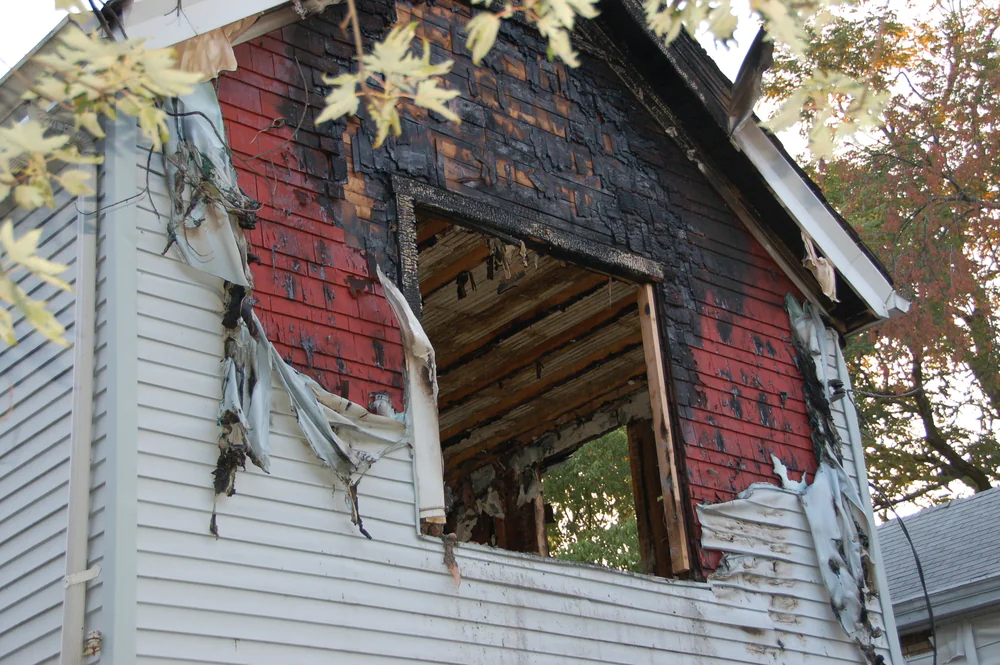
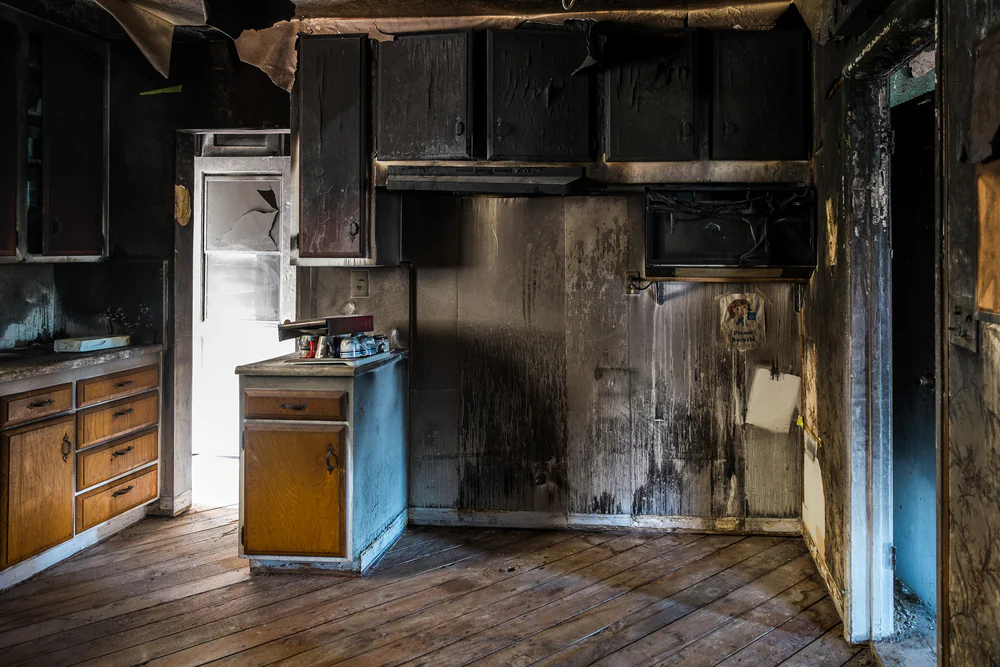
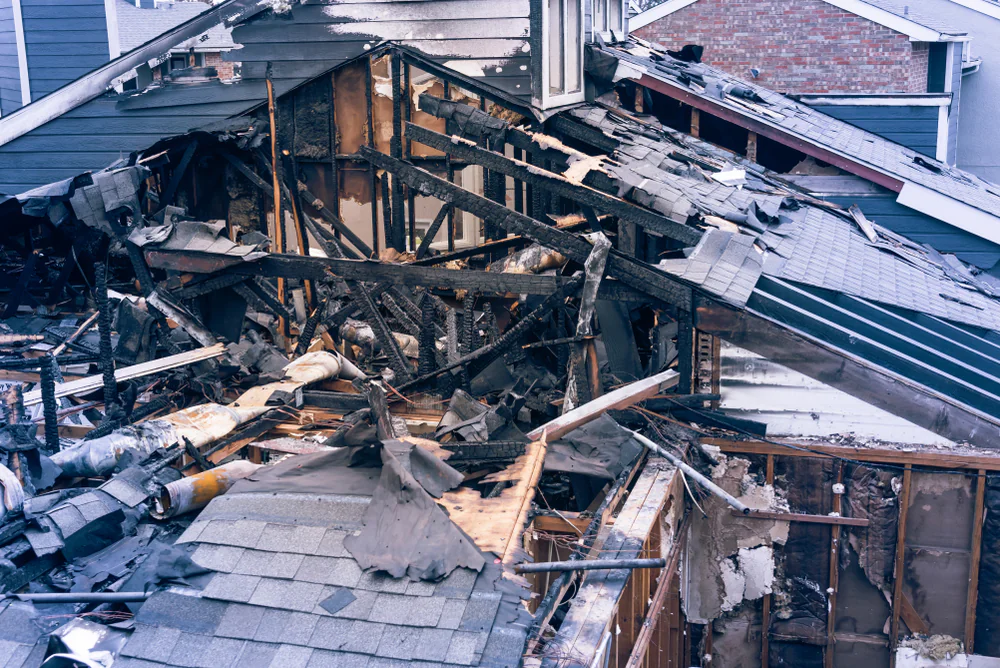
You’re not just dealing with what burned. You’re dealing with smoke residue in places you can’t see, water damage from firefighting efforts, and that acrid smell that won’t leave. The longer all of that sits, the worse it gets.
Fire restoration means stopping secondary damage before it compounds your loss. We contain affected areas with physical barriers and HEPA filtration so smoke particles don’t migrate to untouched rooms. We document everything with photos and moisture mapping within 24 hours because your insurance adjuster will need that detail.
The outcome you’re after isn’t just “cleaned up.” It’s walking back into rooms that don’t smell like smoke, belongings that are actually salvageable, and an insurance claim that doesn’t shortchange you because the documentation was incomplete. You want your property back to pre-loss condition, and you want someone who knows the difference between surface cleaning and actual restoration.
We’ve handled fire and smoke damage across Carmel for over eight years. We’re IICRC-certified in water damage restoration, applied structural drying, and applied microbial remediation—credentials that matter when you’re dealing with the overlap of fire, smoke, and water damage that most house fires create.
Carmel homes average $663,000 in value. You’ve got a significant investment, and the restoration company you hire needs to understand what’s at stake. We’re BBB A+ accredited, EPA RRP compliant where lead paint is a factor, and we answer our emergency line live—no voicemail tree at 2 a.m.
We’re local enough to reach you in 60 to 90 minutes, experienced enough to handle complex insurance-backed projects, and transparent enough to align our estimates with Xactimate so your adjuster sees pricing they recognize. You’re not getting a national franchise with rotating crews. You’re getting a Carmel-based team that’s been here since 2016.
First, we assess the full scope. That means identifying what burned, what got soaked by sprinklers or hoses, and where smoke traveled. We use thermal imaging to find hidden heat spots and moisture meters to map water intrusion. You get a walkthrough of what we find and a transparent scope of work before we start tearing anything out.
Next, we contain and protect. Unaffected areas get sealed off with plastic sheeting and negative air pressure so soot and odor don’t spread. We remove standing water, set up air scrubbers with HEPA filters, and begin extracting damaged contents. Anything salvageable gets packed out, photographed, cleaned off-site, and stored until your property is ready.
Then comes the actual restoration. We remove unsalvageable materials—drywall, insulation, flooring that’s too far gone. We clean structural elements, treat surfaces for smoke residue, and run ozone generators or hydroxyl machines to neutralize odors at the molecular level. We don’t mask smells. We eliminate them.
Finally, we document and follow up. You get progress photos every 48 hours, a post-remediation walkthrough, and a 14-day follow-up call to make sure nothing was missed. If your HVAC system circulated smoke, we’ll clean the ductwork. If you need reconstruction after demo, we can coordinate that too.
Ready to get started?
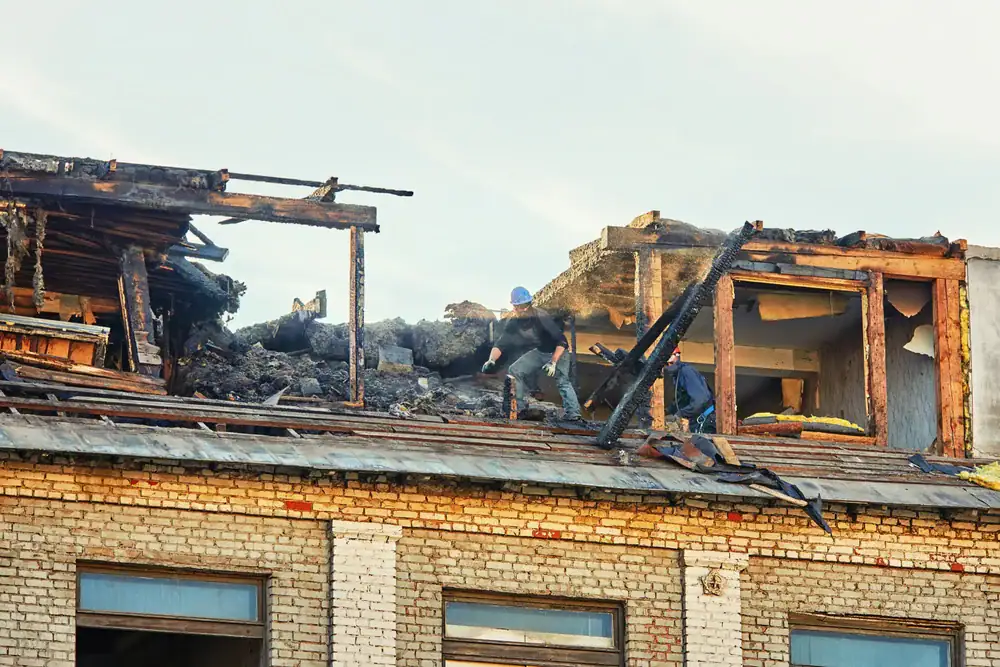
Fire restoration in Carmel means dealing with the reality that modern homes burn faster and hotter than older construction. Synthetic furnishings and open floor plans give you roughly three minutes to get out, but they also create dense smoke that penetrates everything. That’s why surface wiping doesn’t cut it.
You’re getting thermal fogging to neutralize smoke odor in porous materials. You’re getting contents pack-out so your belongings aren’t sitting in a contaminated environment. You’re getting a dedicated insurance liaison who speaks the adjuster’s language and makes sure your claim reflects the actual scope of damage—not the minimum payout.
Carmel’s housing stock includes plenty of older homes where electrical fires and kitchen fires still happen despite strict fire codes. If your property has lead paint, our EPA RRP certification means we handle debris safely. If your crawl space flooded from firefighting water, we’ll dry it with commercial dehumidifiers and air movers before mold starts growing.
You also get transparency. We photograph everything, map moisture levels, and send you updates every 48 hours. We wear shoe covers, we explain what we’re doing, and we don’t disappear for days at a time. You’re dealing with enough chaos—you don’t need a contractor adding to it.
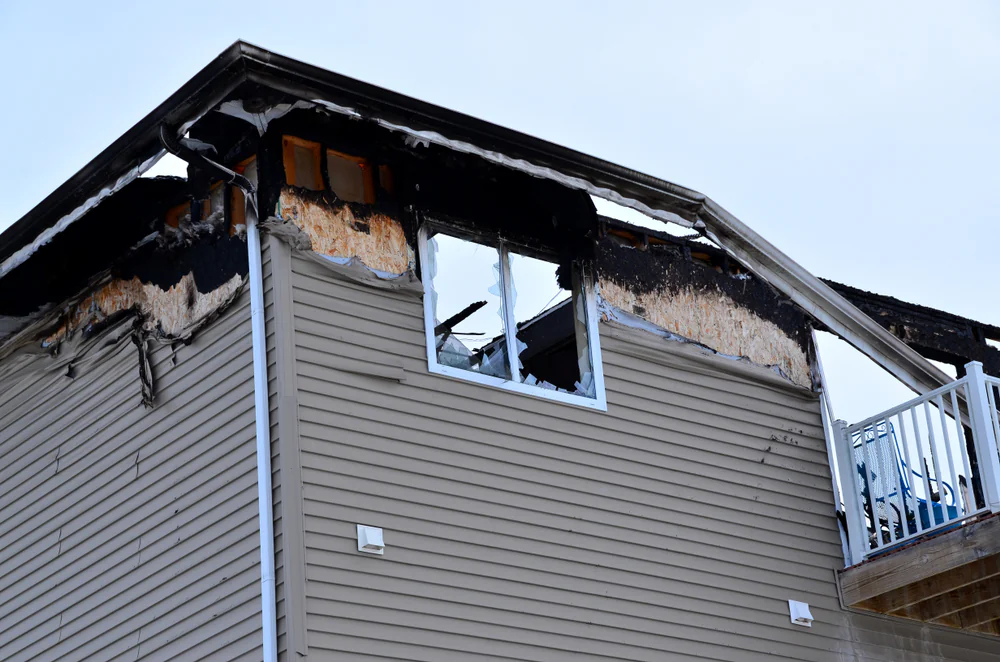
The national average for fire damage repair is around $12,900, but your actual cost depends on the size of the affected area, the extent of smoke migration, and whether you’re dealing with water damage from firefighting efforts. A small kitchen fire with localized smoke might run $5,000 to $8,000. A whole-house event with structural damage can easily exceed $50,000.
We use Xactimate to build estimates, which is the same software most insurance carriers use. That means our pricing aligns with what your adjuster expects to see, reducing the back-and-forth and speeding up your claim. You’ll get a transparent scope of work after our initial assessment, broken down by category—demo, cleaning, deodorization, contents handling, drying, reconstruction if needed.
Most fire restoration is covered by homeowners insurance, assuming you carry adequate coverage. We work directly with your carrier, provide all the documentation they require, and act as a liaison so you’re not translating between contractor language and insurance language. If you’re paying out of pocket, we offer discounts for seniors, military, first responders, and teachers on non-insurance jobs.
It depends on severity, but a typical residential fire restoration takes two to four weeks from emergency response to final walkthrough. That timeline assumes moderate smoke and water damage, contents pack-out, odor treatment, and some level of reconstruction. Larger losses or homes with extensive structural damage can stretch to six weeks or more.
The first 24 to 48 hours are critical. We arrive within 60 to 90 minutes, assess the damage, set up containment, and start extraction and drying. You’ll have a documented scope and moisture map within 24 hours. Demo of unsalvageable materials usually happens in the first few days. Odor treatment with ozone or hydroxyl machines can take three to five days depending on how deeply smoke penetrated.
Contents cleaning and storage happen in parallel. We pack out salvageable items, clean them at our facility, and store them until your home is ready. Reconstruction—new drywall, paint, flooring—happens after all cleaning and deodorization is complete. We don’t rush it. Sealing in smoke odor behind fresh paint is a rookie mistake that costs you more in the long run.
Most homeowners policies cover fire damage, including smoke and soot cleanup, water damage from firefighting, and contents restoration. What they don’t always cover without a fight is the full scope of work—especially if your adjuster underestimates how far smoke traveled or how much demolition is actually necessary.
That’s where documentation matters. We photograph everything, map moisture and smoke migration with thermal cameras and meters, and provide detailed estimates using Xactimate. We’ve worked with enough adjusters to know what they need to see, and we act as your liaison during the claims process. You’re not navigating this alone.
Some policies have sub-limits on certain categories—contents, temporary housing, debris removal. Read your declarations page or have your agent walk you through it. If your claim gets denied or low-balled, we can provide the documentation to support an appeal. We’ve seen plenty of initial offers that didn’t account for hidden damage, and our reports have helped homeowners get fair settlements.
Yes, but only if it’s done right. Smoke odor isn’t just a surface issue. Soot particles are microscopic and they penetrate drywall, insulation, ductwork, and anything porous. Spraying air freshener or wiping down walls won’t touch it. You need a combination of physical cleaning, thermal fogging, and oxidation to break down odor molecules at the source.
We start by removing materials that can’t be saved—carpet, padding, insulation that’s saturated with smoke residue. Then we clean all structural surfaces with commercial-grade detergents designed for soot. After that, we run thermal foggers that heat deodorizing agents into a fine mist, allowing them to penetrate the same places smoke did. Finally, we use ozone generators or hydroxyl machines to oxidize remaining odor molecules.
If your HVAC system was running during the fire, smoke circulated through your ductwork. We’ll clean the ducts and replace filters. If you have a crawl space or attic where smoke settled, we’ll treat those areas too. The goal is complete odor elimination, not masking. If you walk back in and still smell smoke two weeks later, we didn’t finish the job.
Fire restoration is a multi-phase process that addresses structural damage, smoke migration, water intrusion, and contamination. Regular cleaning is surface-level work. If you hire a standard cleaning crew after a fire, you’ll end up with bigger problems—sealed-in odors, undetected moisture that leads to mold, and an insurance claim that doesn’t cover the real cost because the scope was wrong from the start.
Restoration starts with assessment and containment. We identify what’s salvageable, what needs demo, and where smoke traveled using thermal imaging and moisture meters. We set up HEPA air scrubbers and physical barriers to prevent cross-contamination. We document everything for your insurance carrier. Then we remove water, extract damaged contents, demo unsalvageable materials, and treat for smoke odor using industrial equipment.
A cleaning company doesn’t carry IICRC certifications in fire and smoke restoration. They don’t have ozone generators, hydroxyl machines, or thermal foggers. They don’t know how to read a moisture map or write a scope that an insurance adjuster will approve. Fire restoration is a specialized trade, and cutting corners on it means you’ll be smelling smoke and dealing with hidden damage for years.
It depends on the extent of the damage and what phase of restoration we’re in. If the fire was contained to one room and we’re running air scrubbers with containment barriers in place, you can usually stay in unaffected areas. If we’re doing whole-house demo, running ozone generators, or the air quality is compromised, you’ll need to stay elsewhere temporarily.
Ozone treatment requires the property to be vacant because ozone is harmful to breathe at the concentrations needed to neutralize smoke odor. Hydroxyl machines are safe for occupied spaces, but they’re slower. We’ll walk you through the plan during our initial assessment and let you know what to expect. If you need to relocate temporarily, most homeowners policies cover additional living expenses—hotels, meals, storage.
We protect your home while we work. Shoe covers, dust barriers, and controlled access points are standard. We’re not tracking soot into clean areas or leaving your property unsecured. You’ll get progress updates every 48 hours, and we’re available by phone if you have questions. The goal is to make this process as transparent and low-stress as possible, given the circumstances.
Other Services we provide in Carmel