Hear from Our Customers
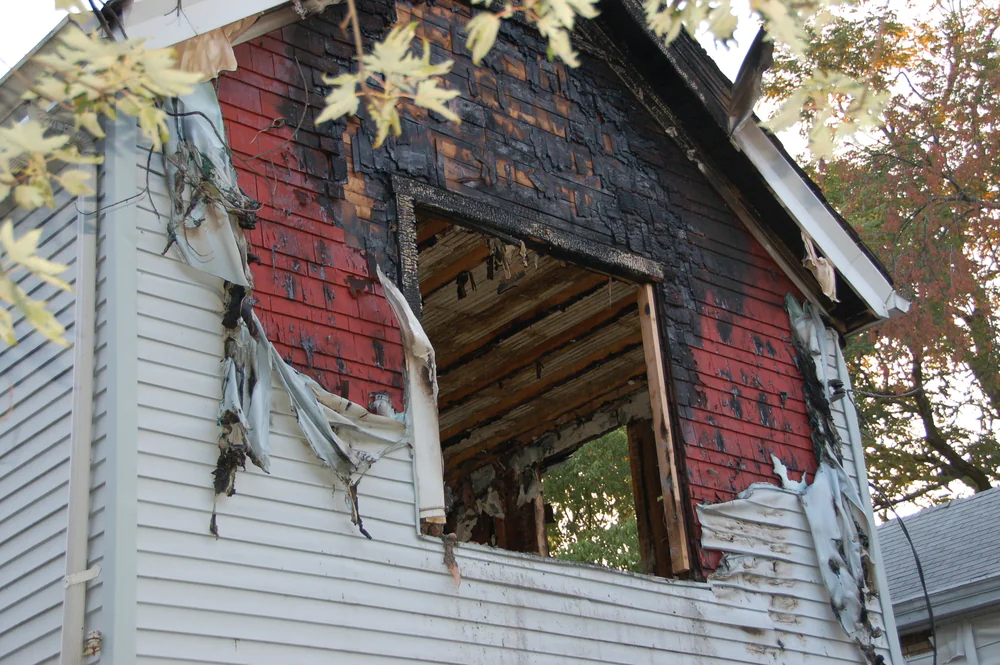
The fire’s out. The firefighters are gone. Now you’re standing in your home wondering where to even start—and whether your insurance will cover what actually needs fixing.
Here’s what changes when you call us. You get a crew that shows up in under 90 minutes, not tomorrow. You get photo documentation, moisture mapping, and a detailed scope sent to your adjuster within 24 hours—not whenever we get around to it. You get a dedicated person who speaks insurance language so you don’t have to translate claim jargon at 11 p.m. on a Tuesday.
The smoke smell goes away. The soot comes off. The water from the fire hoses gets dried before mold starts growing in your walls. Your belongings get packed out, inventoried, and stored if they can be saved. And 14 days after we finish, we come back to make sure everything still looks right—because we know that’s when the questions usually start.
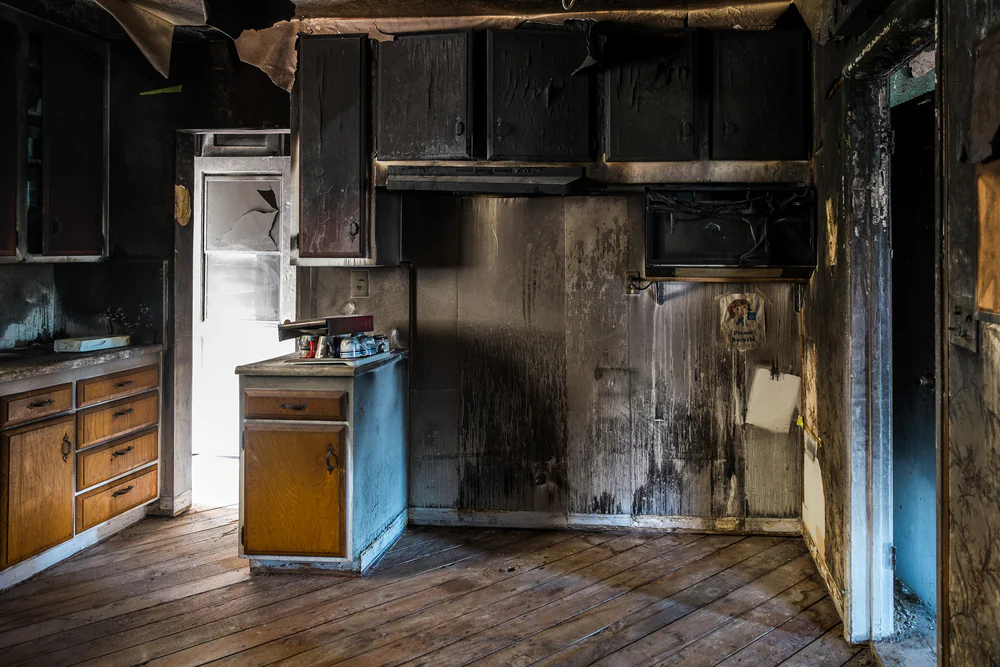
First, you call. A real person answers—not a recording—and we’re on the road within the hour. When we arrive, we do a full walkthrough and damage assessment. We’re looking for visible fire damage, hidden smoke residue, and water damage from the hoses. All of it gets photographed and logged.
Next, we set up containment barriers and HEPA filtration to keep soot and smoke particles from spreading into unaffected rooms. Then we start the actual restoration: soot removal, odor neutralization, water extraction, and structural drying. If your HVAC system pulled smoke through the ducts, we clean those too—because that’s where the smell hides.
Within 24 hours, you get a full report with photos, moisture readings, and a scope of work sent directly to your insurance adjuster. We update you every 48 hours after that until the job’s done. If contents need to be moved offsite for cleaning or storage, we handle the pack-out and inventory. When everything’s finished, we walk you through the completed work and follow up two weeks later to make sure nothing was missed.
Ready to get started?
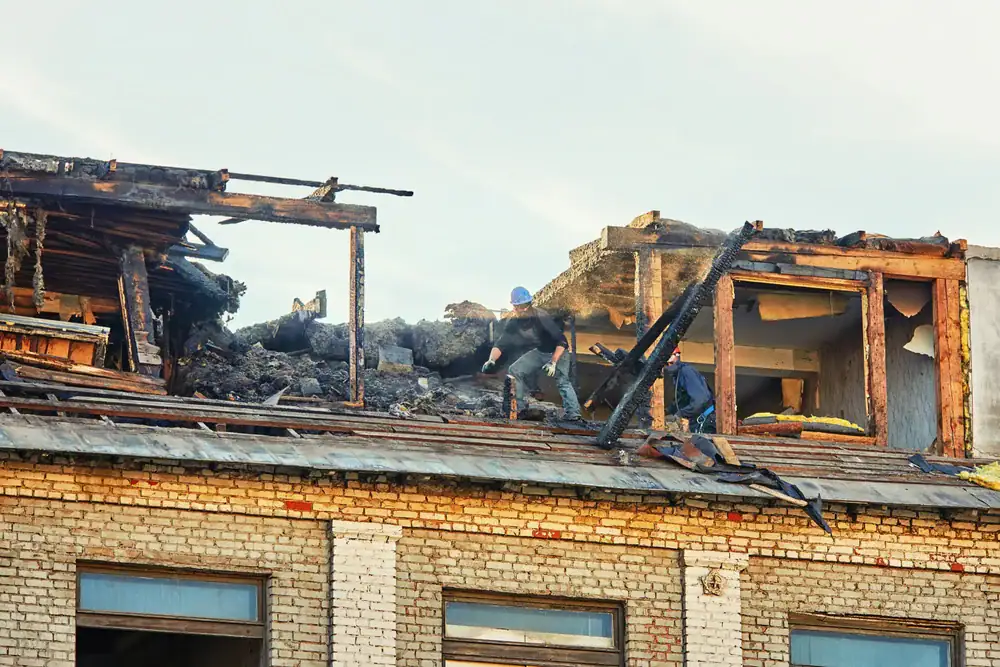
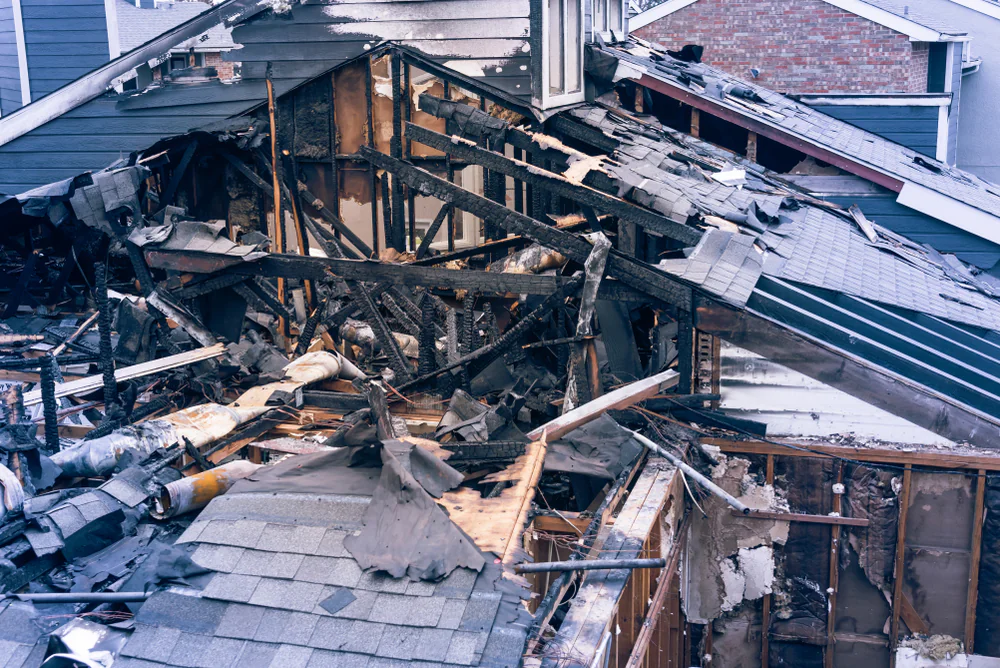
Fire restoration isn’t one thing—it’s a sequence of specialized services that need to happen in the right order. You’re getting emergency board-up if windows or doors were damaged. You’re getting complete smoke damage cleanup, including walls, ceilings, and contents. You’re getting thermal fogging or ozone treatment to neutralize odors that regular cleaning won’t touch.
You’re also getting water damage mitigation, because the fire hoses dumped hundreds of gallons into your home and that water doesn’t just evaporate. We pull it out with extractors, set up commercial dehumidifiers, and monitor moisture levels daily until your structure is dry. In Clayton, where a third of homes were built before 1940, that often means dealing with plaster walls, hardwood subfloors, and crawl spaces that hold moisture longer than modern materials.
You’re getting Xactimate-based pricing, which is the software every major insurance carrier uses. That means no surprises, no inflated line items, and no fights with your adjuster over whether something’s covered. And if you’re military, a senior, a first responder, or a teacher, you’re getting a discount on any non-insurance work.
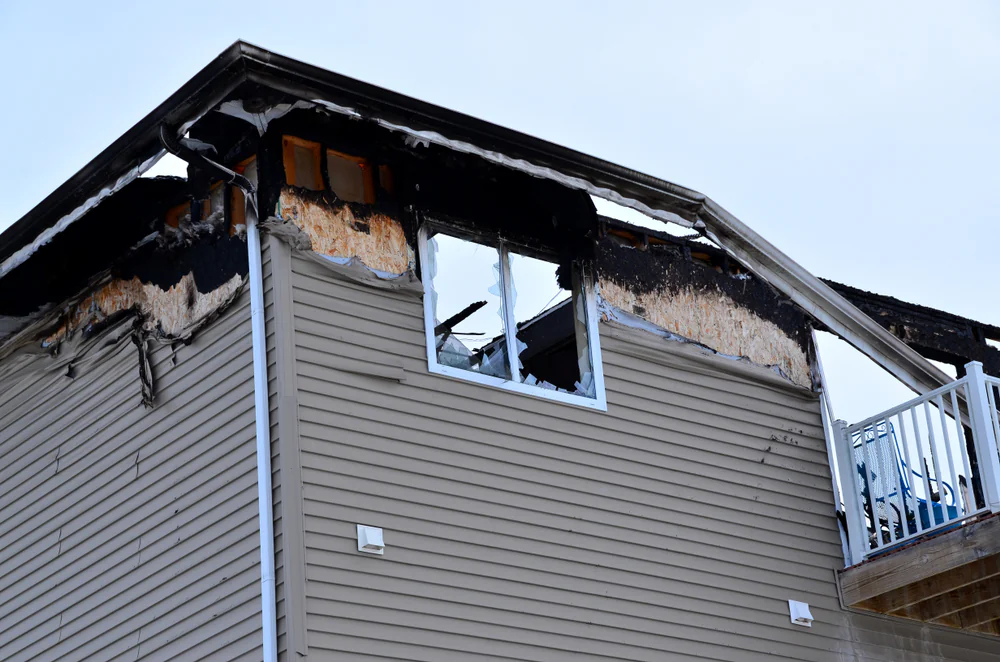
We’re on-site within 60 to 90 minutes of your call, any time of day or night. That’s not an estimate—it’s our standard response time for fire restoration emergencies in Clayton and the surrounding area.
Speed matters because every hour of delay increases smoke damage, lets odors set deeper into porous materials, and gives water from firefighting efforts more time to soak into your subfloors and framing. The longer soot sits on surfaces, the harder it is to remove without causing permanent staining. We keep crews on call 24/7 specifically so you’re not waiting until tomorrow morning when the damage is already worse.
When we say someone will answer your call, we mean a real person who can dispatch a truck immediately—not an answering service that takes a message and calls you back in 20 minutes.
Most homeowner policies in Indiana cover fire damage restoration, including smoke cleanup, water removal from firefighting, and contents restoration. But coverage depends on your specific policy, your deductible, and how the fire started.
Here’s where it gets tricky: insurance companies want documentation. They want photos, moisture readings, a detailed scope of work, and line-item pricing that matches industry standards. If you hire someone who doesn’t document properly or uses pricing that doesn’t align with Xactimate, your claim can get delayed or partially denied.
We handle that documentation as part of the service. Within 24 hours of starting work, your adjuster gets a full report with everything they need to process your claim. We also offer direct billing, which means you’re not paying out of pocket and waiting for reimbursement. And if there’s a coverage question, our claims liaison works with your adjuster to get it resolved—because we speak their language.
Smoke odor doesn’t sit on surfaces—it penetrates them. It gets into drywall, insulation, ductwork, upholstery, and anything porous. You can’t just spray air freshener or wash the walls with soap. The smell comes back as soon as the air warms up.
We use a combination of methods depending on what burned and how much smoke spread. First, we remove all soot and residue with specialized cleaners—because odor clings to particulates. Then we treat affected areas with thermal fogging or hydroxyl generators, which break down odor molecules at a chemical level. If smoke traveled through your HVAC system, we clean the ductwork and replace filters. For severe cases, we use ozone treatment in unoccupied spaces to neutralize odors in materials that can’t be physically cleaned.
The goal isn’t to cover up the smell. It’s to eliminate the source so it doesn’t come back when the temperature changes or humidity rises. That’s the difference between a quick cleanup and actual fire restoration.
It depends on what was damaged and how badly. Some contents can be cleaned onsite. Others need to be packed out, taken to a controlled environment, and restored using specialized equipment. And some things—especially anything with heavy soot, heat damage, or prolonged smoke exposure—can’t be saved.
We do a full contents assessment during the initial walkthrough. Items that can be restored get photographed, inventoried, and either cleaned in place or packed out for offsite restoration. We handle electronics, textiles, furniture, documents—anything that didn’t suffer structural damage. Everything gets logged with condition notes so there’s a clear record for your insurance claim.
If items need to be stored while we’re working on your home, we coordinate that too. You’ll get an itemized list of what was removed, where it is, and when it’s coming back. The last thing you need after a fire is to wonder where your belongings went or whether they’re being taken care of.
Small fires with limited smoke damage—think a kitchen fire that stayed contained—usually take 3 to 5 days. Larger fires with structural damage, water intrusion, and smoke spread throughout the home can take 2 to 4 weeks or longer, depending on the scope of repairs.
Drying time is the biggest variable. If firefighters used hoses inside your home, we’re extracting water, drying framing and subfloors, and monitoring moisture levels until everything hits safe thresholds. In Clayton’s older homes—especially those with plaster walls, hardwood floors, and uninsulated crawl spaces—drying takes longer because those materials hold moisture differently than modern construction.
We give you a realistic timeline during the initial assessment, and we update you every 48 hours as work progresses. If something takes longer than expected, you’ll know why. If we finish early, you’ll know that too. The timeline matters because it affects where you’re staying, how long you’re displaced, and when your insurance company stops paying for temporary housing.
It depends on the extent of the damage and what phase of restoration we’re in. If the fire was small and contained, you can often stay in unaffected areas of the home while we work. If there’s significant smoke damage, water intrusion, or structural repairs, it’s usually safer and more practical to stay elsewhere until restoration is complete.
Here’s why: fire restoration involves chemicals, equipment, and processes that aren’t safe to be around 24/7. Ozone treatment requires the space to be unoccupied. Thermal fogging and hydroxyl generators run for hours at a time. Demolition creates dust. Drying equipment is loud and runs continuously. And if we’re tearing out drywall or flooring, you don’t want to be living in that environment.
We’ll tell you upfront whether you need to leave and for how long. If your insurance policy includes loss-of-use coverage (sometimes called Additional Living Expenses), it typically covers hotel stays or temporary housing while your home is uninhabitable. Our claims liaison can help you understand what’s covered and how to file for those benefits so you’re not paying out of pocket.
Other Services we provide in Clayton