Hear from Our Customers
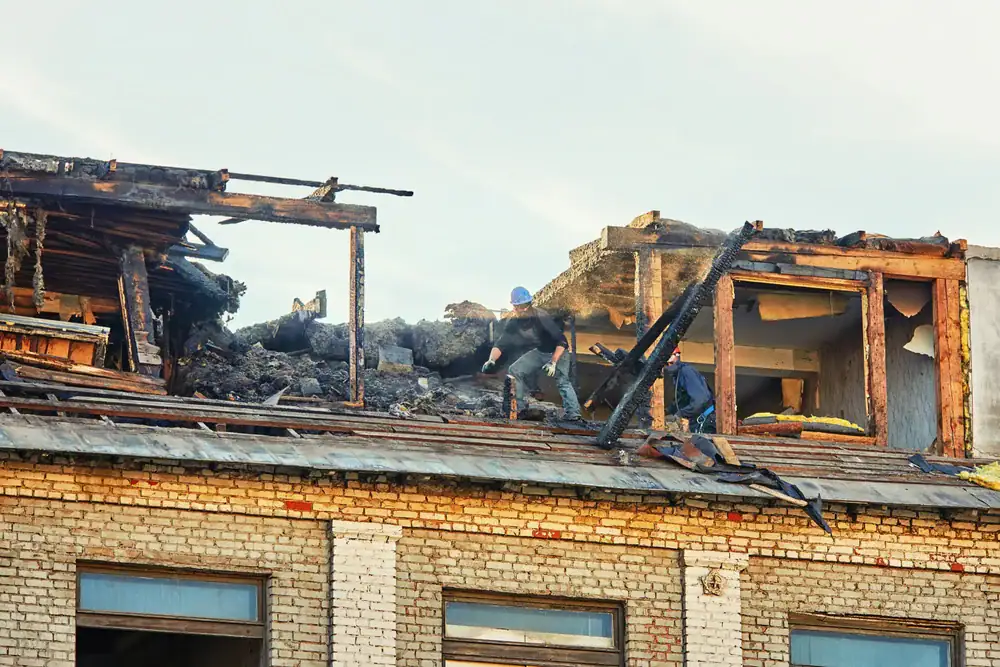
The fire’s out, but the real work is just starting. Soot is settling into fabrics and drywall. Smoke odor is burrowing deeper into every porous surface. Water from the fire hoses is soaking into subfloors and creating the perfect environment for mold to start growing within 24 to 48 hours.
Every hour you wait, the damage compounds. That’s not a scare tactic—it’s chemistry and physics working against you.
When fire restoration starts fast, you stop secondary damage before it starts. Smoke odors get neutralized at the molecular level instead of masked. Soot gets removed before it etches into surfaces permanently. Water gets extracted and dried before mold takes hold. Your insurance claim gets documented correctly from day one, so you’re not fighting for coverage later.
You get your property back faster, with less long-term damage, and fewer surprises during the process. That’s what proper fire damage restoration looks like when it’s done by people who’ve seen this hundreds of times and know exactly what needs to happen next.
We’ve been handling emergency fire and smoke restoration across Central Indiana since 2016. We’re IICRC-certified in water damage restoration, applied structural drying, and mold remediation—the three disciplines that matter most when fire damage involves water from suppression efforts.
We’re locally owned, BBB-accredited, and we’ve built our reputation on showing up fast and doing the work right. Edinburgh sits in an area where the median home was built in 1965, and about a quarter of the housing stock dates back before the 1940s. Older homes mean older wiring, older heating systems, and construction materials that burn differently than modern builds.
We understand what fire does to these properties. We know how smoke travels through balloon framing and settles into horsehair plaster. We’ve worked with every major insurance carrier in the area, and we know how to document damage so your claim gets processed without unnecessary delays or disputes.
You call our 24/7 live-answer line, and a real person picks up—not a voicemail, not an answering service. We ask a few quick questions about what happened, what you’re seeing, and whether the property is safe to enter. Then we dispatch a crew with a 60 to 90 minute arrival time.
When we arrive, we do a full fire damage inspection to assess structural safety, identify all affected areas, and determine what can be saved versus what needs replacing. We take photos, document moisture levels, and start containment to protect areas that weren’t damaged. HEPA filtration goes up immediately to keep soot and smoke particles from spreading.
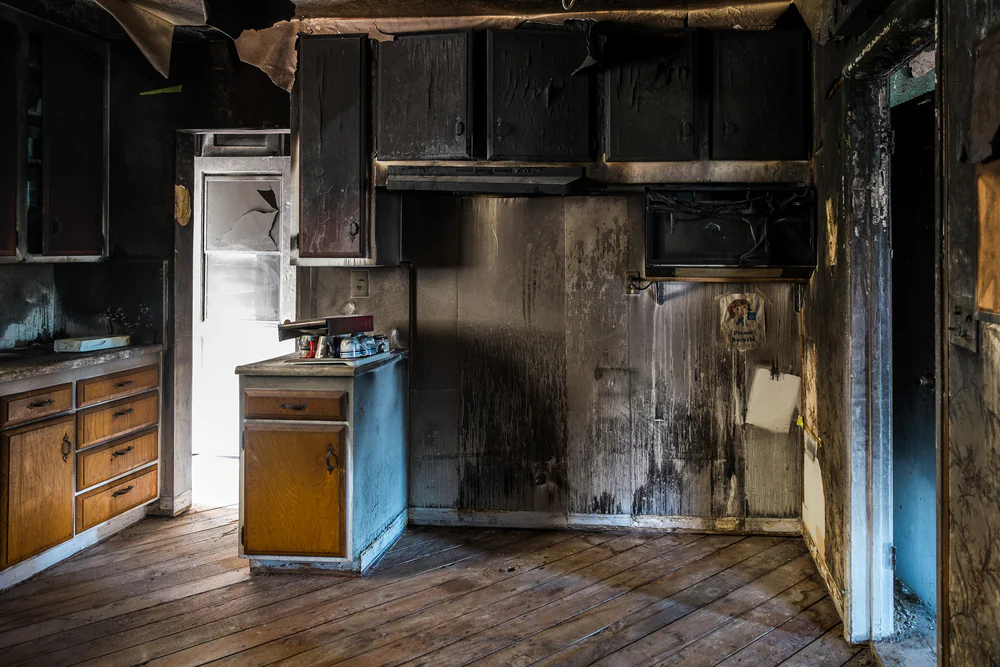
Next comes the actual fire and smoke restoration work. We remove standing water if suppression efforts left any behind. We extract soot from walls, ceilings, and contents using specialized cleaning agents—not household cleaners that can set stains permanently. We treat smoke odor at the source with hydroxyl generators or ozone treatment, depending on what’s safe for your specific situation.
Throughout the process, you get documentation within 24 hours and updates every 48 hours after that. We work directly with your insurance adjuster using Xactimate pricing, so estimates align with what carriers expect to see. When the work is done, we walk the property with you to make sure everything meets your standards, and we follow up 14 days later to confirm the odor is gone and you’re satisfied.
Ready to get started?
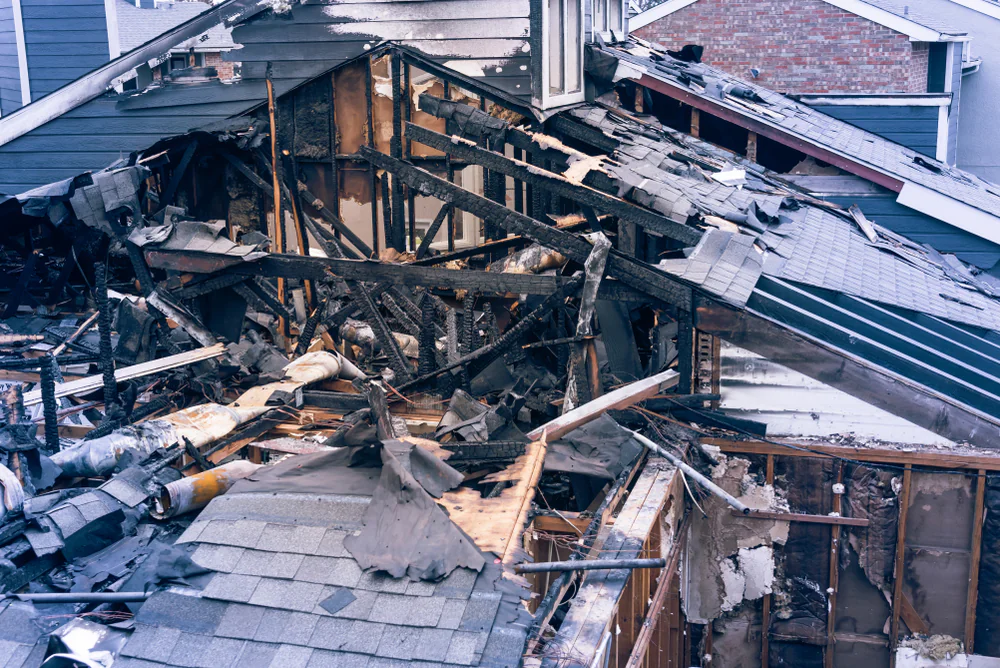
Fire restoration isn’t just cleaning up what you can see. It’s addressing the smoke that traveled through your HVAC system and coated every duct. It’s treating the water damage from fire hoses that soaked into subflooring. It’s removing soot from porous surfaces before it causes permanent discoloration.
Here’s what that actually looks like. We handle emergency board-up and tarping if your property has structural openings. We extract water and set up industrial dehumidifiers and air movers to dry out the structure completely. We clean or dispose of contents depending on what’s salvageable—and if you need contents packed out and stored during restoration, we coordinate that too.
Smoke damage cleanup involves treating walls, ceilings, and contents with professional-grade products designed for soot removal. We clean or replace HVAC filters and duct-clean the system if smoke circulated through it. Odor neutralization uses hydroxyl or ozone technology to break down smoke molecules, not just cover them up with fragrance.
Edinburgh sees about 33 fire incidents per year, and a third of those are structure fires. With older homes making up a significant portion of the housing stock here, fire damage often comes with complications—knob-and-tube wiring, balloon framing that lets smoke travel vertically, and plaster that absorbs odor differently than drywall. We adjust our approach based on what your property actually needs, not a one-size-fits-all checklist.
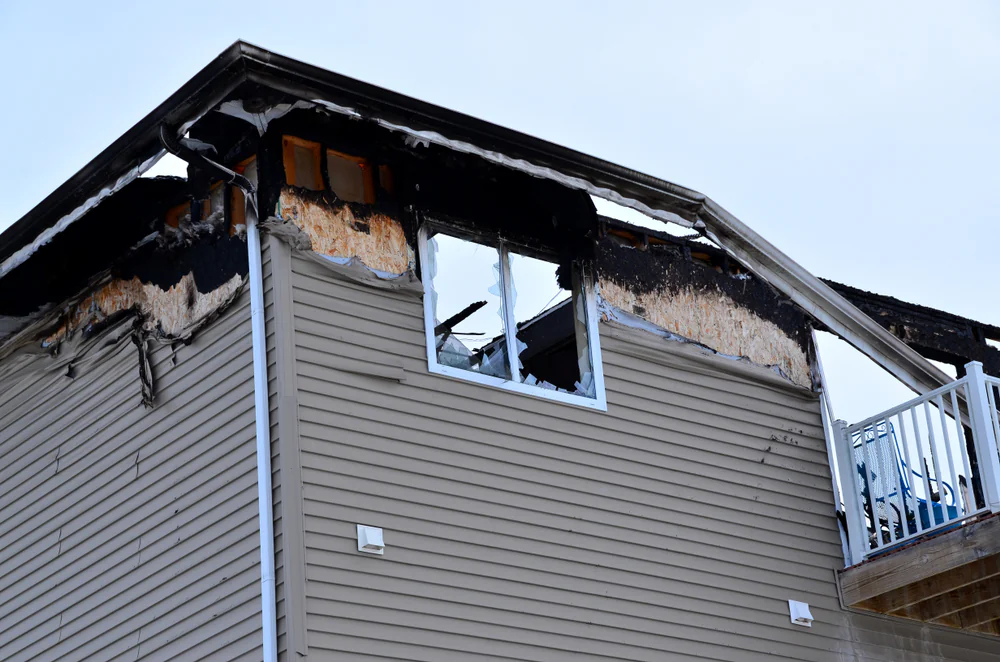
We dispatch a crew within 60 to 90 minutes of your call, any time of day or night. That response time matters because secondary damage from smoke and water starts immediately—soot etches into surfaces, smoke odor penetrates deeper, and moisture creates mold risk within 24 to 48 hours.
Our live-answer phone line means you talk to a real person who can get a crew moving right away, not a voicemail system that delays response by hours. We serve Edinburgh and the surrounding Central Indiana area, so we’re close enough to respond fast but experienced enough to handle complex fire damage restoration correctly.
Speed matters, but so does doing the work right. A fast response that misses hidden damage or doesn’t document properly for your insurance claim just creates more problems later.
Most homeowner policies cover fire damage, including the cost of cleanup, restoration, and temporary housing if your property is uninhabitable. Coverage specifics depend on your policy, your deductible, and whether the fire was accidental or involved negligence.
We work directly with insurance carriers and use Xactimate pricing software, which is the same estimating platform most adjusters use. That alignment means fewer disputes over pricing and faster claim approvals. Our dedicated claims liaison helps with documentation, communicates with your adjuster, and makes sure nothing gets missed that could affect your coverage.
We provide detailed photo documentation, moisture mapping, and progress reports within 24 hours of starting work. That level of documentation protects you if questions come up later about scope or cost. For non-insurance jobs, we offer upfront pricing and discounts for military members, seniors, first responders, and teachers.
Smoke odor removal is one of the hardest parts of fire restoration because masking the smell doesn’t work—you have to neutralize it at the molecular level. We use hydroxyl generators or ozone treatment depending on what’s safe for your property and what materials were burned.
Hydroxyl technology breaks down odor molecules and is safe to use while people and pets are present. Ozone is more aggressive and works well for severe smoke odor, but the space needs to be unoccupied during treatment. We also clean or seal porous surfaces that absorbed smoke—drywall, insulation, subflooring—because odor will keep returning if the source isn’t addressed.
HVAC systems get special attention because smoke travels through ductwork and contaminates the entire system. We replace filters, clean ducts if needed, and make sure your heating and cooling isn’t recirculating smoke particles every time it runs. If odor persists after initial treatment, we come back—our 14-day follow-up is specifically designed to catch any lingering issues before they become permanent problems.
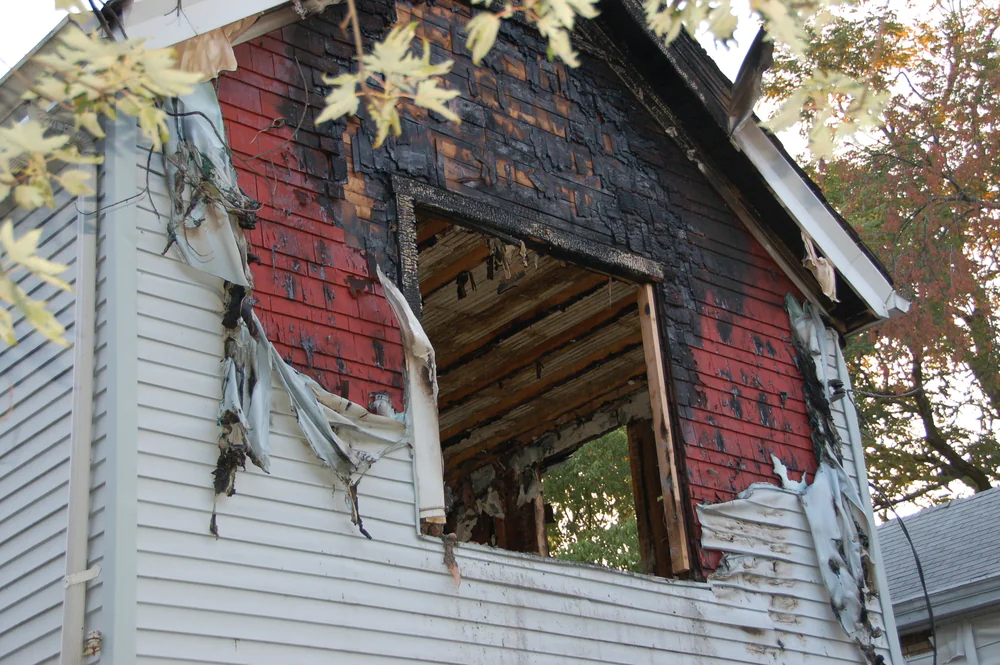
Fire damage refers to what flames directly touched—burned materials, charred structure, melted items. Smoke damage is everything else—soot deposits, discoloration, odor, and corrosive residue that spreads far beyond where the fire actually burned.
Smoke damage is often more extensive than fire damage because smoke travels through the entire structure. It gets into closets, crawl spaces, HVAC systems, and rooms that were nowhere near the flames. Soot is acidic and will continue corroding metal, etching glass, and discoloring surfaces if it’s not removed quickly.
Both types of damage need professional restoration, but the techniques are different. Fire damage often involves demolition and reconstruction. Smoke damage involves specialized cleaning, odor treatment, and sometimes sealing surfaces to prevent off-gassing. A proper fire damage inspection identifies both types of damage so nothing gets missed—because smoke damage that’s ignored will keep causing problems long after the visible fire damage is repaired.
Timeline depends on the extent of damage, but most residential fire restoration projects take two to four weeks from start to finish. Small fires with limited smoke damage might be done in a week. Larger structure fires that involve water damage, extensive demolition, and reconstruction can take several months.
The first 24 to 72 hours are critical for emergency mitigation—water extraction, soot removal, odor treatment, and protecting undamaged areas. That work happens fast. Reconstruction timelines depend on material availability, permit requirements, and how quickly your insurance claim gets approved.
We provide a detailed timeline after the initial fire damage inspection so you know what to expect. Updates every 48 hours keep you informed as work progresses, and our claims liaison coordinates with your insurance adjuster to prevent delays. Edinburgh’s older housing stock sometimes reveals hidden issues once demolition starts—outdated wiring, asbestos-containing materials, structural damage that wasn’t visible initially—so we build some flexibility into estimates to account for unknowns.
Yes. We handle fire and smoke restoration for homeowners, property managers, and light commercial clients throughout Edinburgh and Central Indiana. The core process is similar—assess damage, mitigate secondary issues, clean and restore—but commercial projects often involve larger spaces, more complex HVAC systems, and tighter timelines to minimize business interruption.
Commercial fire damage also comes with different documentation requirements, especially if the property has tenants or needs to meet code for reopening. We coordinate with fire marshals, building inspectors, and commercial insurance adjusters who have different expectations than residential carriers.
Whether it’s a single-family home built in 1940 or a multi-unit property with commercial tenants, we adjust our approach based on what the project actually requires. Our IICRC certifications, EPA RRP compliance, and BBB accreditation apply to both residential and commercial work—the standards don’t change just because the building type does.
Other Services we provide in Edinburgh