Hear from Our Customers
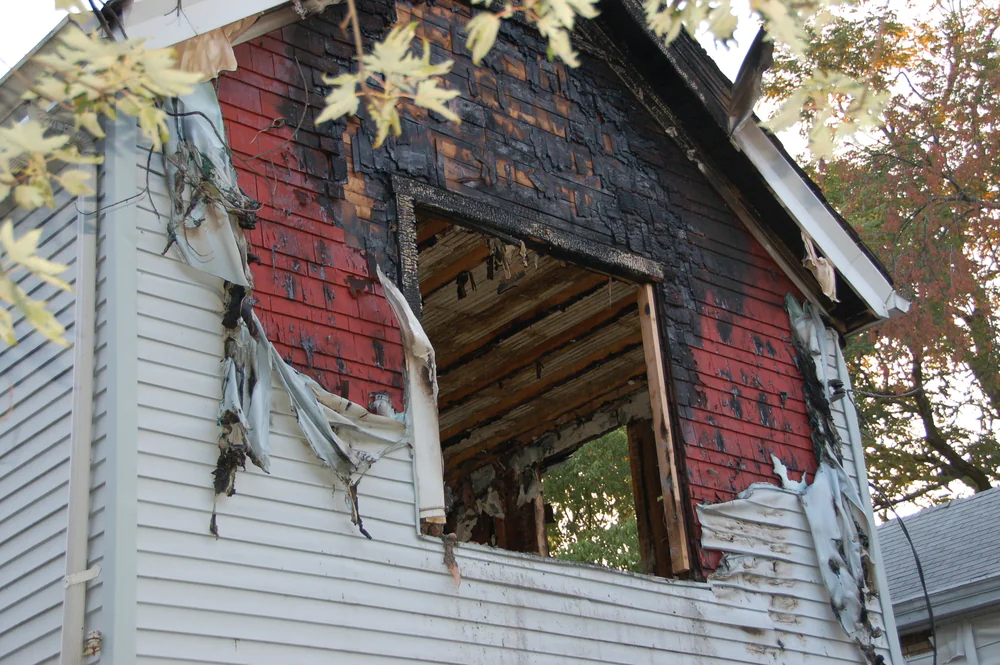
You walk back into a home that doesn’t smell like smoke. The soot’s gone from your walls, your HVAC isn’t circulating ash, and your insurance adjuster has everything they need to close your claim without a fight.
That’s what fire restoration actually looks like when it’s done right. Not “good enough for now.” Not covered up with air freshener and hope. Restored.
We handle fire and smoke damage the way it needs to be handled—fast, thorough, and with enough documentation that your insurer doesn’t come back asking questions. You’re not waiting weeks to move back in. You’re not discovering hidden smoke damage six months later. You’re getting your property back the way it was before the fire, and you’re getting it back faster than you thought possible.
Most fire damage gets worse while you’re waiting. Water from the fire hoses soaks into subflooring. Soot etches into painted surfaces. Smoke odor sets into ductwork. Every hour counts, and we treat it that way.
We’re an IICRC-certified restoration company that’s been serving Greenwood and Central Indiana since 2016. We specialize in the kind of work that can’t wait—fire damage, smoke cleanup, water mitigation, and biohazard removal.
Our crews are trained in fire and smoke restoration through the Institute of Inspection, Cleaning and Restoration Certification. That means they know how to remove soot without damaging what’s underneath, neutralize smoke odor at the molecular level, and document every step so your insurance claim doesn’t stall.
Greenwood’s housing stock skews older, which means more wood framing, more porous materials, and more surfaces that hold onto smoke. We’ve worked enough fire scenes in Johnson County to know what we’re dealing with before we arrive. You’re not getting a one-size-fits-all approach. You’re getting a crew that understands how fire damage behaves in Indiana homes.
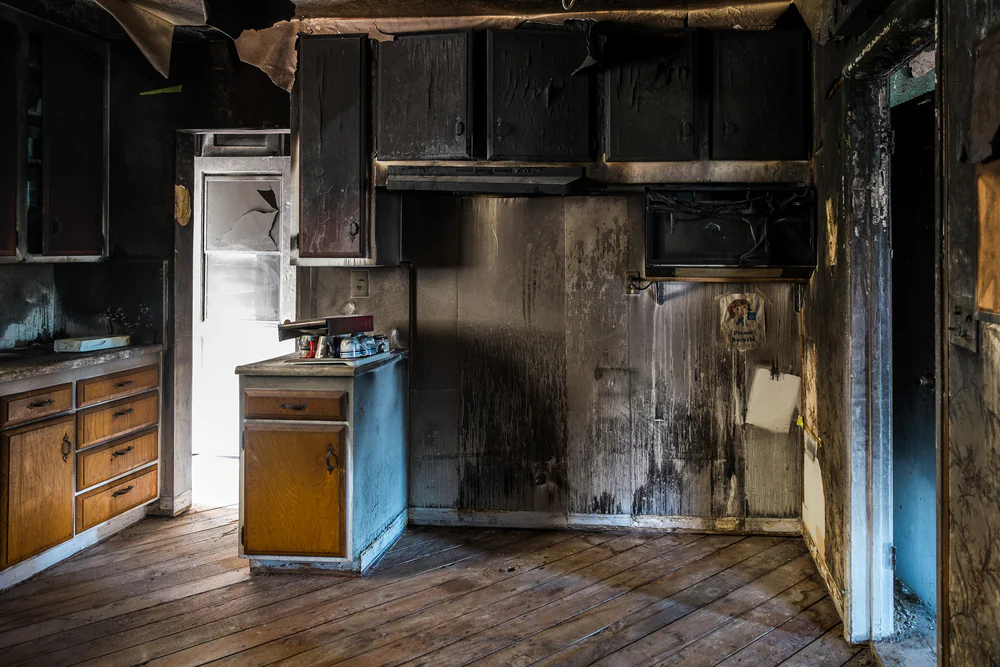
You call our live-answer line, day or night. No voicemail. No “we’ll get back to you.” A real person picks up, asks the right questions, and dispatches a crew. In most cases, we’re on-site in 60 to 90 minutes.
First step is containment. We seal off unaffected areas, set up HEPA filtration, and make sure smoke and soot don’t spread while we work. Then we assess the damage—what’s restorable, what’s not, and what the insurance company needs to see. We take photos, map moisture levels, and send you a full report within 24 hours.
From there, it’s soot removal, smoke odor neutralization, and structural drying if water damage is involved. We don’t mask smells. We eliminate them using thermal fogging, ozone treatment, or hydroxyl generators depending on what the job requires. If your HVAC system pulled smoke through the ducts, we clean those too.
Every 48 hours, you get an update. When we’re done, you get a walkthrough. Two weeks later, we follow up to make sure everything’s still right. That’s the process. No surprises, no shortcuts.
Ready to get started?
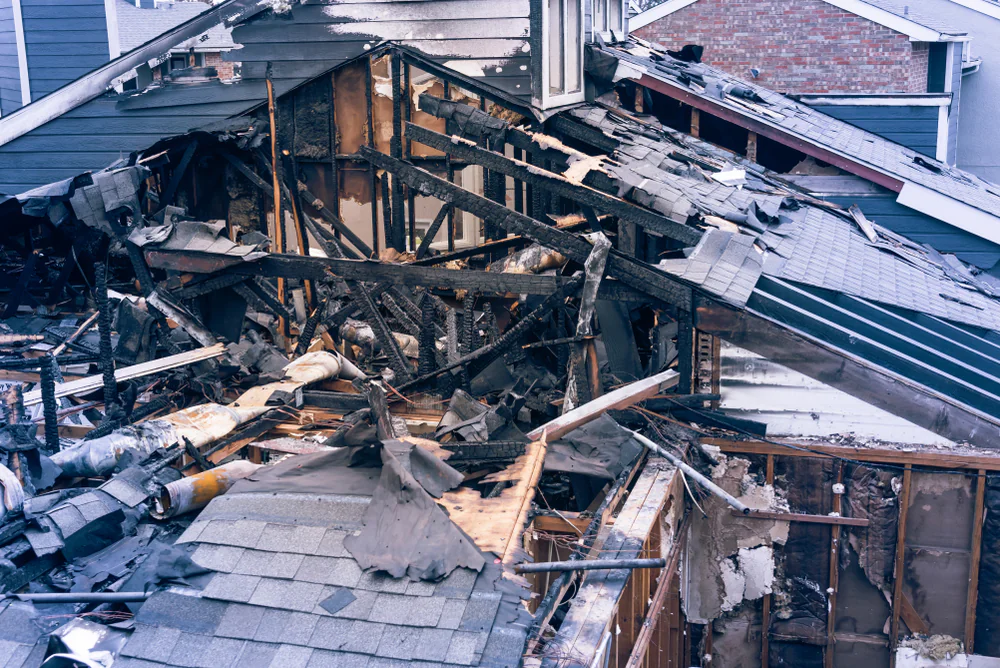
Fire restoration isn’t just wiping down walls. It’s soot and char removal from every affected surface. It’s deep-cleaning your HVAC system so it doesn’t keep circulating smoke particles. It’s treating fabrics, carpets, and contents with specialized deodorizers that actually work.
It also means dealing with the water damage the fire department left behind. Greenwood sees its share of winter fires, and when crews are pumping water in freezing temps, that water doesn’t just evaporate. It soaks into drywall, insulation, and subflooring. We dry it out before mold starts growing.
You’re also getting someone who talks to your insurance company for you. We bill them directly using Xactimate, the same estimating software they use. We provide the documentation they ask for before they ask for it. And if they lowball the estimate, we push back with photos, moisture maps, and line-item justifications.
If your contents need to be moved out while we work, we handle pack-out and storage. If the fire was traumatic—especially in cases involving injury or loss—we bring in our biohazard team to handle what most restoration crews won’t touch. This isn’t just about getting your house clean. It’s about getting your life back.
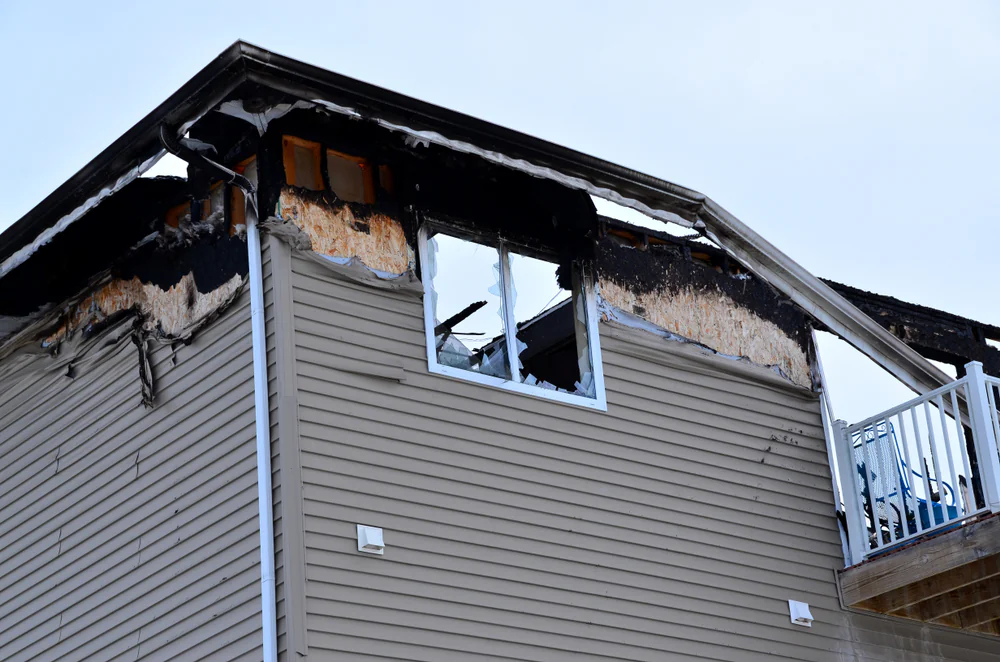
It depends on how much of the house was affected and whether there’s water damage from firefighting efforts. A kitchen fire with smoke damage in adjacent rooms usually takes five to ten days. A whole-structure fire with water saturation and soot throughout can take three to six weeks.
The timeline also depends on how fast your insurance company approves the scope of work. We send our initial estimate and documentation within 24 hours, but some carriers take a week or more to respond. That’s why we stay in contact with your adjuster and push things along when needed.
Most of our Greenwood clients are back in their homes faster than they expected, because we’re not waiting around for approvals to start containment and mitigation. The longer soot and moisture sit, the worse the damage gets. We move fast, document everything, and keep you in the loop every 48 hours so you know exactly where things stand.
Most homeowners policies in Indiana cover fire damage, including the cost of smoke cleanup, soot removal, structural repairs, and contents restoration. They also typically cover water damage caused by firefighting efforts, which is a big part of what we deal with after a fire.
What they don’t always cover without a fight is the full scope of smoke odor treatment, especially if it requires HVAC duct cleaning or ozone treatment. Some adjusters will try to limit coverage to surface cleaning, even when smoke has penetrated walls and ductwork. That’s where documentation matters.
We work directly with your insurance company and bill them using the same software they use. If there’s a gap between what they initially offer and what the job actually requires, we provide the photos, moisture readings, and technical justification to close that gap. You shouldn’t have to accept a settlement that leaves your house smelling like smoke six months later. We make sure the claim reflects the real cost of full restoration.
If it’s done right, smoke odor doesn’t come back. If it’s done wrong—or halfway—it absolutely does. The difference is whether you’re masking the smell or eliminating it at the source.
Smoke odor comes from microscopic particles that settle into porous materials like drywall, insulation, carpets, and ductwork. You can’t just spray deodorizer and call it done. You have to physically remove soot from every surface, treat affected materials with encapsulants or oxidizers, and clean your HVAC system so it’s not recirculating particles every time the heat kicks on.
We use thermal fogging for hard-to-reach areas, hydroxyl generators for occupied spaces, and ozone treatment when the house is empty. Which method we use depends on the severity of the smoke damage and what materials were burned. After treatment, we do a post-remediation walkthrough and follow up two weeks later. If you’re still smelling smoke after we leave, we come back. That’s not normal, and it means something was missed.
It depends on the extent of the damage and what kind of cleaning we’re doing. If the fire was contained to one room and there’s no structural risk, you can usually stay in the house while we work. We’ll seal off the affected area with plastic sheeting and run HEPA filtration to keep dust and odor from spreading.
If there’s significant smoke damage throughout the house, or if we’re using ozone treatment for odor removal, you’ll need to stay somewhere else for a few days. Ozone is effective, but it’s not safe to breathe during treatment. Same goes for situations where we’re tearing out drywall or insulation—there’s too much dust and debris to live around.
We’ll tell you up front whether you need to relocate, and for how long. If your policy includes Additional Living Expenses coverage, your insurance will usually pay for a hotel or rental while the work is being done. We can help you navigate that part of the claim if needed. The goal is to get you back in as soon as it’s safe and livable, not a day later.
Fire damage is what burns. Smoke damage is what spreads. A kitchen fire might char the cabinets and ceiling in one room, but the smoke travels through your whole house, leaving soot on walls, odor in fabrics, and residue in your ductwork.
Fire damage restoration involves removing burned materials, cleaning soot and char from structural surfaces, and repairing or replacing what can’t be saved. Smoke damage restoration is about treating the areas the fire didn’t touch—wiping down walls in bedrooms three doors away, cleaning your HVAC system, deodorizing carpets and furniture.
Most fire scenes involve both. Even a small fire creates enough smoke to affect rooms that never saw flames. That’s why our crews are trained in fire and smoke restoration through the IICRC. We’re not just cleaning up the burn site. We’re treating your entire property so it doesn’t smell like smoke, look like smoke passed through, or pose a health risk from lingering soot particles.
In most cases, we’re on-site within 60 to 90 minutes of your call. We run a live-answer line 24 hours a day, 365 days a year, and we dispatch crews immediately—not “first thing in the morning” or “when someone’s available.” Immediately.
Speed matters in fire restoration because the damage doesn’t stop when the flames go out. Soot keeps etching into painted surfaces. Water from fire hoses soaks deeper into subflooring. Smoke odor sets into porous materials. The longer you wait, the more expensive and time-consuming the restoration becomes.
We’ve been serving Greenwood and Johnson County since 2016, and we know the area well enough to get to you fast no matter where you’re located. When you call, you’ll talk to a real person who understands what you’re dealing with, and you’ll have a crew at your door before the shock wears off. That’s how emergency restoration is supposed to work.
Other Services we provide in Greenwood