Hear from Our Customers
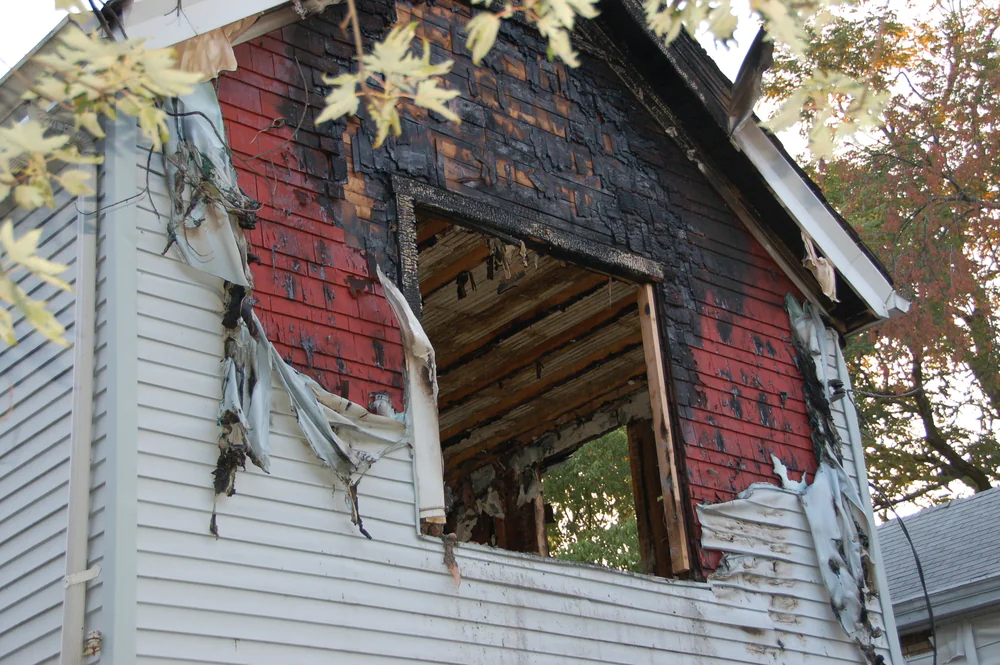
You’re not looking for someone to show up and spray foam. You need your house to stop smelling like smoke. You need your insurance company to pay the claim without a fight. You need to know if your kid’s bedroom furniture is salvageable or if you’re starting over.
That’s what fire restoration actually is. It’s documentation that holds up under adjuster scrutiny. It’s containment that keeps soot from spreading into rooms that weren’t even touched. It’s knowing which belongings can be cleaned off-site and which ones are too far gone.
We’ve been doing this since 2016 in Home Place, IN, and the surrounding area. The outcome you’re after isn’t just a cleaned-up house—it’s a home you can move back into without wondering if the smell will come back or if mold is growing behind a wall because water from the fire hoses wasn’t dried properly.
Elite Clean Restoration is an IICRC-certified restoration company serving Home Place, IN with 24/7 emergency response. We’ve been handling fire and smoke restoration, water damage, mold remediation, and biohazard cleanup since 2016, and we’re BBB-accredited.
What sets us apart is how fast we move and how clearly we communicate. You’ll reach a live person when you call, and we’re on-site in 60 to 90 minutes. We use Xactimate pricing so your insurance adjuster sees numbers they recognize, and we assign a dedicated claims liaison to keep the paperwork moving.
Indiana’s older housing stock—especially homes built before 1980—means outdated wiring and materials that burn differently than newer construction. We’ve adapted our protocols for that reality, and we know how to document it in a way that protects your claim.
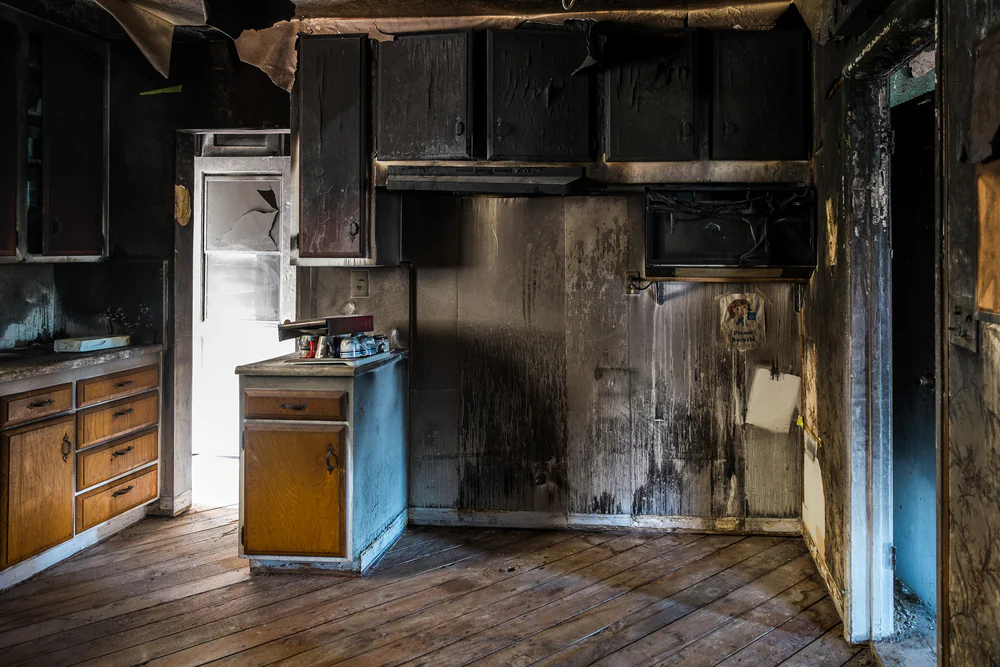
First, we answer the phone. Not a voicemail—a real person who can dispatch a crew in under 90 minutes. When we arrive, we assess structural safety, identify what’s salvageable, and contain unaffected areas with plastic sheeting and HEPA filtration to stop soot and smoke odor from spreading.
Next, we document everything. Photos, moisture maps, material inventories—all within 24 hours, then progress updates every 48 hours. This isn’t for us; it’s for your insurance company. The better the documentation, the faster your claim moves.
Then we start the actual restoration. That means water extraction if the fire department soaked your floors, soot and ash removal, odor neutralization, and structural drying. If your contents need off-site cleaning or storage, we pack them out and bring them back when the work is done.
Finally, we walk you through the finished space and follow up 14 days later to make sure nothing was missed. If you smell smoke or notice discoloration we didn’t catch, we come back.
Ready to get started?
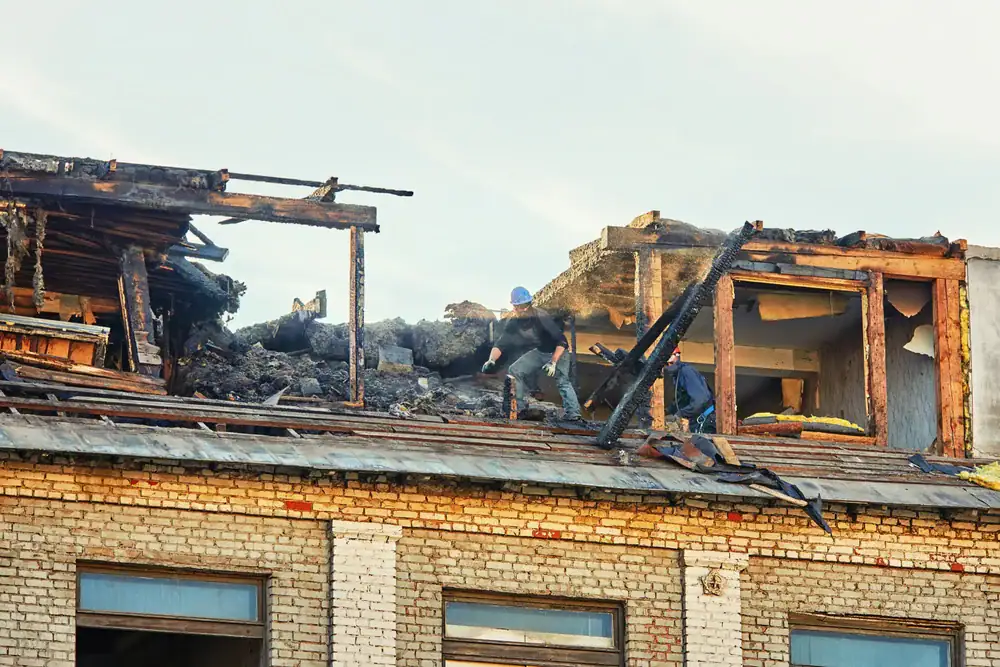
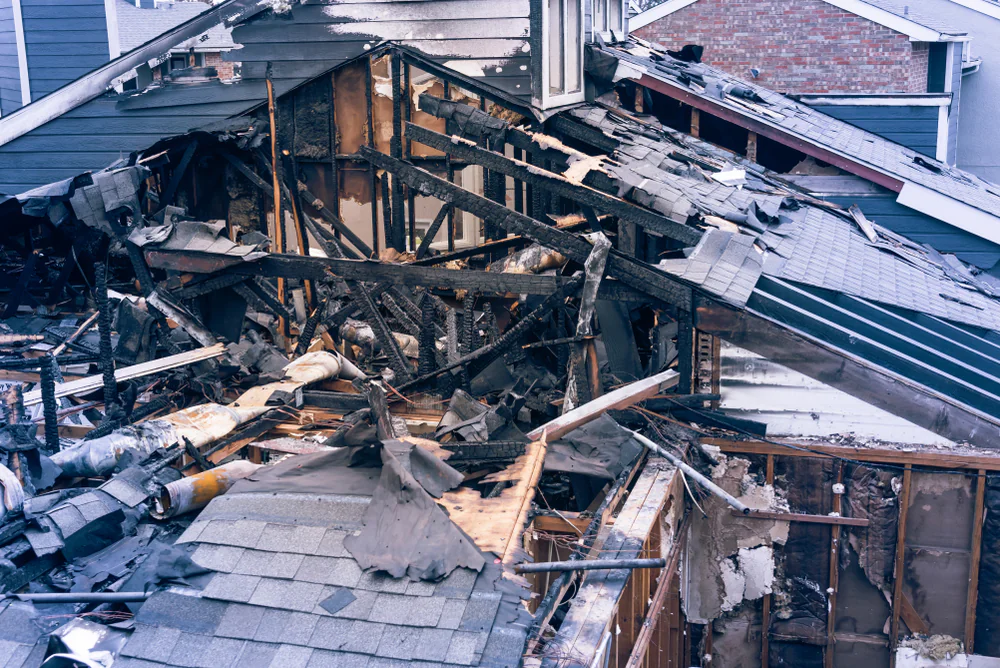
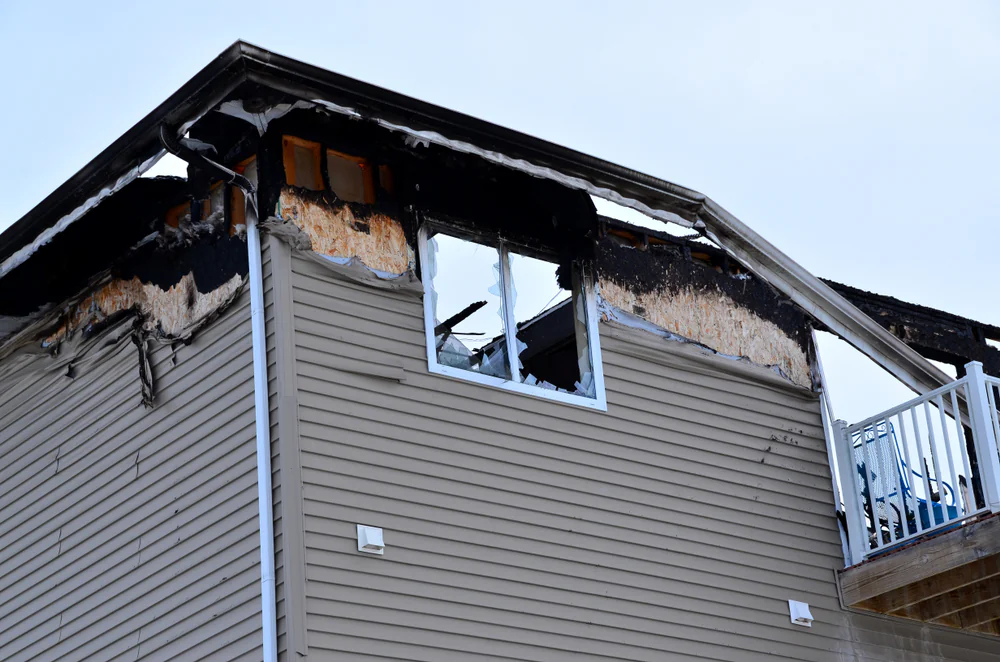
Fire restoration in Home Place, IN covers more than you’d think. Smoke damage doesn’t stop at the room where the fire started—it moves through HVAC ducts, settles on walls three rooms over, and leaves residue that corrodes metal and eats through fabric if it’s not cleaned fast.
We handle soot removal from walls, ceilings, and contents. We clean or replace HVAC filters and ductwork. We neutralize smoke odor with hydroxyl generators or thermal fogging, not just air fresheners that mask the smell. And we dry out water damage from fire hoses or sprinkler systems before mold starts growing.
Indiana sees an average of nearly 3,000 house fire deaths annually nationwide, with cooking equipment responsible for 48% of residential fires. In Home Place and surrounding areas, older homes with pre-1980 electrical systems are especially vulnerable. We also see a spike in fire calls around Thanksgiving, Christmas Eve, and Christmas Day due to cooking and candle-related incidents.
If your belongings are covered in soot but structurally intact, we offer contents pack-out and off-site cleaning. If the fire damaged your crawl space or attic, we dry and treat those areas too. Every job is different, but the process is always the same: contain, document, restore.
We’re on-site in 60 to 90 minutes, 24/7. That includes nights, weekends, and holidays.
Speed matters because smoke and soot keep damaging your home even after the fire is out. Acidic residue corrodes metal, discolors paint, and etches glass. Water from fire hoses soaks into subfloors and drywall, creating the perfect environment for mold within 24 to 48 hours.
The faster we contain the affected area and start drying, the less secondary damage you’ll deal with. We don’t schedule you for “sometime next week”—we dispatch immediately because waiting costs you more in the long run.
Most homeowners policies cover fire and smoke damage, but coverage depends on your specific policy, deductible, and the cause of the fire. We can’t guarantee what your insurer will pay, but we can make the claims process a lot easier.
We bill your insurance company directly, so you’re not fronting tens of thousands of dollars out of pocket. We use Xactimate software to generate estimates that adjusters recognize and accept. And we assign a dedicated claims liaison who coordinates with your adjuster, submits documentation, and keeps you updated.
The average fire damage claim in 2020 was $78,838. That’s not small money, and insurers scrutinize every line item. Our job is to document everything so thoroughly that your claim doesn’t get delayed or denied over missing photos or vague descriptions.
Smoke odor doesn’t just sit on surfaces—it penetrates porous materials like drywall, insulation, upholstery, and wood. You can’t eliminate it with candles or spray. You need to neutralize it at the molecular level.
We start by removing soot and ash from all surfaces, including walls, ceilings, and contents. Then we clean or replace HVAC filters and ductwork, because smoke travels through your ventilation system and recontaminates clean areas if you don’t address it.
For odor neutralization, we use hydroxyl generators or thermal fogging depending on the severity. Hydroxyl generators break down odor molecules safely while you’re in the house. Thermal fogging uses a heated solution that penetrates the same porous materials smoke did, neutralizing odor from the inside out. If the odor is embedded in carpet padding or insulation, we remove and replace those materials—cleaning won’t be enough.
Cleaning up means you’re wiping down visible soot and throwing out charred furniture. Fire restoration means you’re addressing hidden damage, preventing secondary problems, and documenting everything for insurance.
Smoke migrates. Even if the fire was contained to your kitchen, soot particles travel through air currents and settle in bedrooms, closets, and HVAC ducts. Water from fire hoses soaks into subfloors and wall cavities where you can’t see it, and if it’s not dried within 48 hours, mold starts growing.
Restoration includes moisture mapping to find hidden water, thermal imaging to identify heat damage inside walls, air scrubbing with HEPA filters to remove airborne particles, and containment to protect unaffected areas. It also includes detailed documentation—photos, material lists, moisture readings—that your insurance adjuster needs to approve your claim. If you skip restoration and just clean up, you’ll deal with mold, lingering odor, and a denied claim six months later.
Minor fire damage—smoke in one room, limited water intrusion—usually takes 3 to 7 days. Larger fires with structural damage, water extraction, and contents pack-out can take several weeks.
The timeline depends on how much area was affected, how quickly we can dry out water damage, and how fast your insurance company approves the scope of work. We can speed things up by starting within the first 24 to 48 hours, which prevents mold growth and reduces the amount of material we have to remove and replace.
We give you a timeline during the initial assessment, and we update you every 48 hours as the job progresses. If something changes—your adjuster requests more documentation, we find hidden damage behind a wall—we let you know immediately. The goal is to get you back in your home as fast as possible without cutting corners that’ll cause problems later.
It depends on what the item is, what it’s made of, and how much direct fire, smoke, or water damage it sustained. Solid wood furniture, metal items, and hard-surface belongings can usually be cleaned. Upholstered furniture, mattresses, and porous materials are harder to save if they’ve absorbed smoke odor or water.
We assess every item during the initial walkthrough and separate salvageable contents from total losses. Salvageable items go through our contents pack-out process—we inventory, photograph, clean off-site, and store them until your home is ready. Items that can’t be saved get documented with photos and descriptions for your insurance claim.
We understand the sentimental value of personal belongings. If something matters to you, we’ll try every method available to restore it. But we’ll also be honest if an item is too damaged to save, because bringing smoke-contaminated belongings back into a clean house just recontaminates the space. Our job is to give you the best possible outcome, not to tell you what you want to hear.
Other Services we provide in Home Place