Hear from Our Customers
The air in your home smells clean again. Not covered up with sprays or candles—actually clean. You walk through rooms without that acrid reminder in your throat.
Your insurance adjuster has every photo, moisture reading, and line item they need. No back-and-forth. No disputes over what’s cleanable versus what needs replacing. The claim moves forward because the documentation is thorough and aligned with what carriers expect.
Salvageable belongings are inventoried, cleaned with IICRC-approved methods, and stored securely until you’re ready. Unsalvageable items are documented for your claim. You’re not left guessing what can be saved or scrambling to prove what was lost. The structure is dry, stable, and safe for the rebuild crew. Soot is gone from surfaces. HVAC ducts are cleaned so you’re not circulating smoke particles for months. You can move forward instead of wondering if the job was done right.
We’ve served Jolietville, IN and Central Indiana since 2016. We’re IICRC-certified in fire and smoke restoration, which means our team follows the same protocols insurance companies expect when they review your claim.
When you call, a person answers—not a voicemail. We’re on-site within 60 to 90 minutes in most cases, 24/7. That speed matters because every hour of exposure increases smoke damage to walls, floors, and belongings.
Jolietville’s older housing stock—homes built in the 1960s through 1980s—means fire damage often comes with complications. Plaster walls, original wood trim, and outdated wiring require careful assessment. We’ve worked in these homes. We know what to look for and how to document it so your insurance claim reflects the real scope of damage.
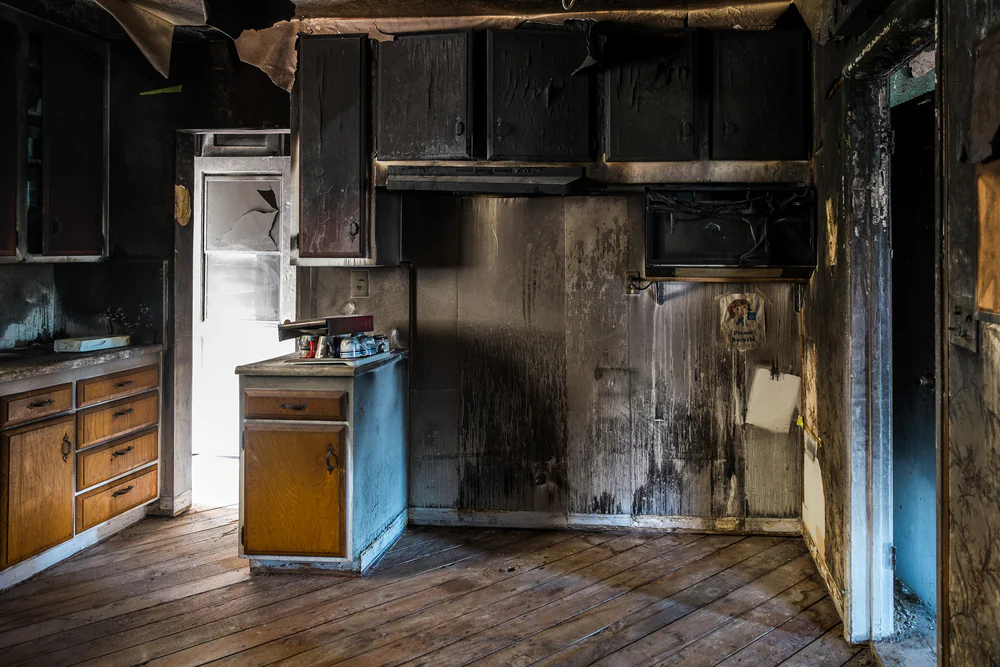
First, we assess the damage. That means walking every room, checking moisture levels in walls and subfloors, identifying what fire touched directly and what smoke affected. We take photos and notes that match what your insurance adjuster will need—room by room, surface by surface.
Next, we contain the affected areas. HEPA filtration and physical barriers keep soot and smoke odor from spreading to undamaged parts of your home. Our team wears shoe covers and handles your belongings like they’re our own.
Then we remove standing water if firefighting efforts left any, extract moisture from materials that can be saved, and begin cleaning soot from surfaces. Smoke odor removal isn’t about masking—it’s about breaking down the particles that cause the smell. We use hydroxyl generators and thermal fogging depending on what the damage requires.
Contents that can be saved get packed out, cleaned with specialized equipment, and stored in a secure facility. You receive an inventory. Items that are too damaged get documented for your claim with photos and descriptions.
Throughout the process, you get updates. Initial report within 24 hours, then every 48 hours until the job is done. We also communicate directly with your insurance company so you’re not translating between contractors and adjusters.
Ready to get started?
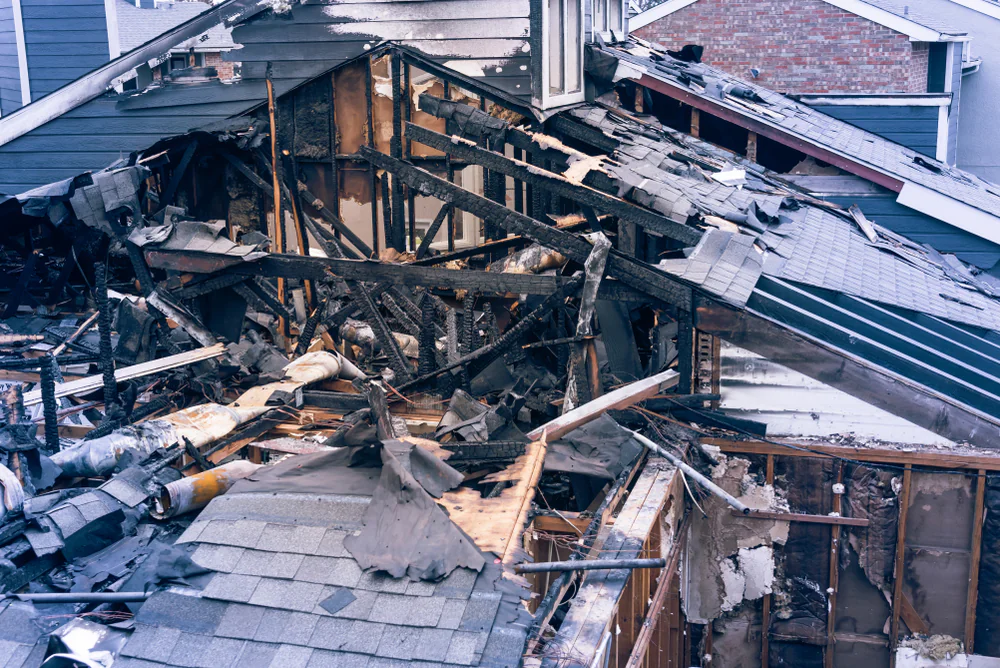
You get a full fire damage inspection that identifies obvious destruction and hidden problems—like water trapped in wall cavities from fire hoses or soot inside your HVAC system. Many Jolietville homes have forced-air heating, which means smoke can travel through ductwork and settle in rooms the fire never touched.
We handle smoke damage cleanup on all surfaces—walls, ceilings, floors, cabinetry. Soot is acidic and will continue damaging materials if left untreated. We also clean or document contents, from furniture to clothing to kitchen items.
Your insurance claim gets support from someone who speaks their language. We use Xactimate, the same estimating software most carriers use. Our pricing aligns with what adjusters expect, which reduces disputes and speeds up approvals. If your claim gets pushback, we provide the documentation to back up what’s needed.
Odor removal is part of the standard process, not an add-on. If you smell smoke after we leave, we come back. You also get a post-job walkthrough and a follow-up call 14 days later to make sure everything still meets your expectations.
Jolietville’s location in Central Indiana means humidity can complicate fire restoration. Wet materials from firefighting efforts can develop mold within 48 hours if not dried properly. We monitor moisture levels and use commercial dehumidifiers to prevent secondary damage that would expand your claim—or worse, get denied because it wasn’t mitigated in time.
We’re on-site within 60 to 90 minutes in most cases. That’s not a marketing claim—it’s how we operate. When you call, you reach a live person who dispatches a crew immediately.
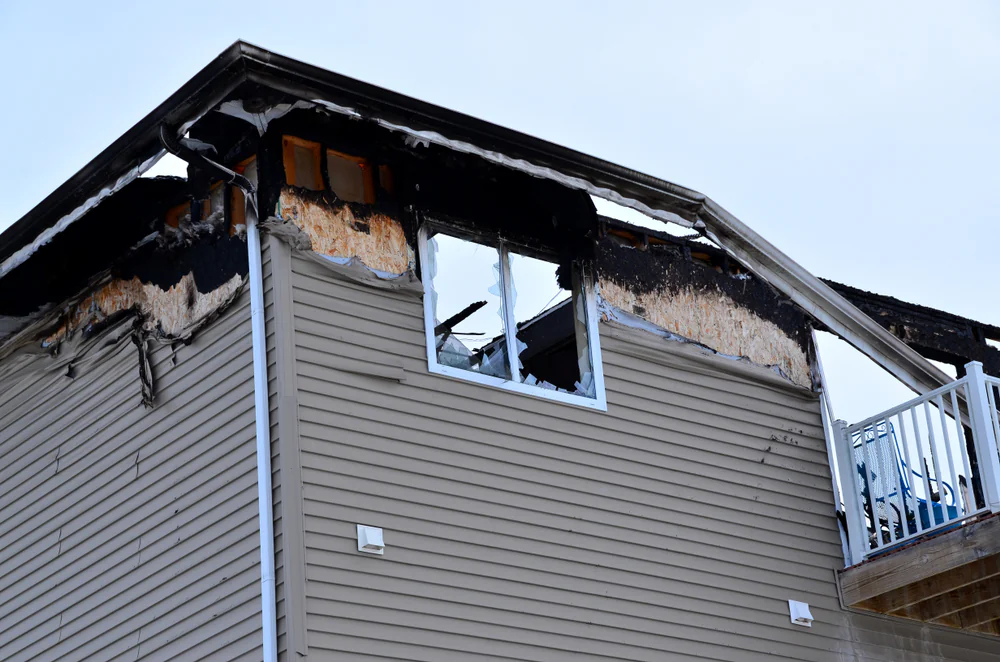
Speed matters because smoke damage gets worse with time. Soot is acidic. It etches into glass, tarnishes metal, and discolors walls. The longer it sits, the more materials shift from cleanable to unsalvageable, which increases your claim and your stress.
We also start documentation right away. Insurance companies want to see that mitigation began promptly. Delays can complicate claims, especially if secondary damage like mold develops because wet materials weren’t addressed. Fast response protects your home and your coverage.
Most homeowner policies in Indiana cover fire and smoke damage, including cleanup, repairs, and contents restoration. But coverage depends on your specific policy, deductible, and how well the damage is documented.
That’s where detailed reporting matters. We photograph everything, map moisture levels, and write estimates using Xactimate—the same software your adjuster uses. When our numbers match their system, claims move faster and disputes drop.
We also offer a claims liaison service. That means we communicate directly with your insurance company, answer their questions, and provide any additional documentation they request. You’re not stuck translating between us and them. If your carrier pushes back on something we know is covered, we provide the support to get it approved. And if you’re paying out of pocket, we offer discounts for seniors, military, first responders, and teachers.
Smoke odor removal is permanent when it’s done right. That means breaking down the particles causing the smell, not covering them up with deodorizers or ozone that just masks the problem temporarily.
We use hydroxyl generators and thermal fogging depending on the type of fire and materials affected. Hydroxyl technology is safe to use while people and pets are present, and it neutralizes odor molecules at the source. Thermal fogging reaches into porous materials like drywall and wood where smoke particles settle.
We also clean your HVAC system. Smoke travels through ductwork and settles on coils, filters, and vents. If those aren’t addressed, you’ll smell smoke every time the system runs. If odor persists after we finish, we come back. That’s part of the job, not an extra charge. You shouldn’t have to live with reminders of the fire every time you walk into a room.
Salvageable items get packed out, inventoried, cleaned, and stored in a secure facility until your home is ready. You receive a detailed list of what we took, and you can request specific items if you need them during the restoration.
Cleaning methods depend on what the item is and how it was damaged. Soft contents like clothing and linens go through specialized laundering. Hard contents like dishes and electronics get cleaned with appropriate techniques for each material. We follow IICRC standards, which is what insurance companies expect.
Items that are too damaged to restore get documented with photos and descriptions for your claim. That documentation is critical—it’s how you prove what was lost and what it’s worth. We’ve seen claims delayed or reduced because belongings weren’t properly inventoried. You won’t have that problem. Everything is accounted for, photographed, and reported to your adjuster.
Mold prevention starts with fast water extraction and drying. Firefighting efforts often leave more water damage than the fire itself—soaked carpets, wet drywall, standing water in basements. If those materials stay wet for more than 48 hours, mold starts growing.
We use commercial dehumidifiers, air movers, and moisture meters to dry your home to safe levels. We don’t guess—we measure. Moisture maps show exactly where water is trapped and when it’s gone. Those readings also go to your insurance company as proof that mitigation was done correctly.
Central Indiana’s humidity makes this even more important. Summer moisture levels above 60% mean materials dry slower and mold risk increases. We adjust our equipment and timelines based on current conditions, not a one-size-fits-all approach. If mold does develop, we’re IICRC-certified in mold remediation and can handle that as part of the same project. You don’t need to hire a second contractor.
Yes. We communicate directly with your insurance adjuster, provide all requested documentation, and use Xactimate pricing so our estimates align with what carriers expect. That reduces disputes and speeds up approvals.
You’re not stuck in the middle translating between us and them. Our claims liaison handles that. If your adjuster has questions about scope, methods, or pricing, we answer them with the technical detail they need. If they push back on something that should be covered, we provide the documentation and industry standards to support it.
We’ve worked with every major carrier in Indiana—State Farm, Allstate, Nationwide, Farm Bureau, and more. We know what they require and how they process claims. That experience means fewer surprises and faster payments. And if you’re paying out of pocket for any reason, we offer transparent pricing and discounts for seniors, military members, first responders, and teachers on non-insurance work.
Other Services we provide in Jolietville