Fire Restoration in Lizton, IN
Your Home Secure in Under 90 Minutes
Hear from Our Customers
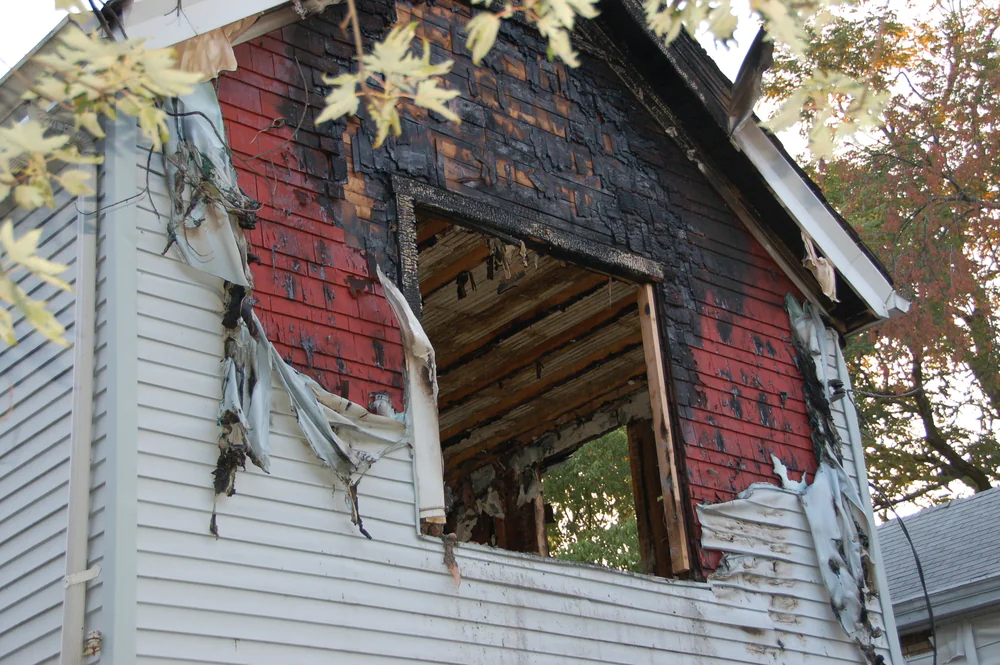
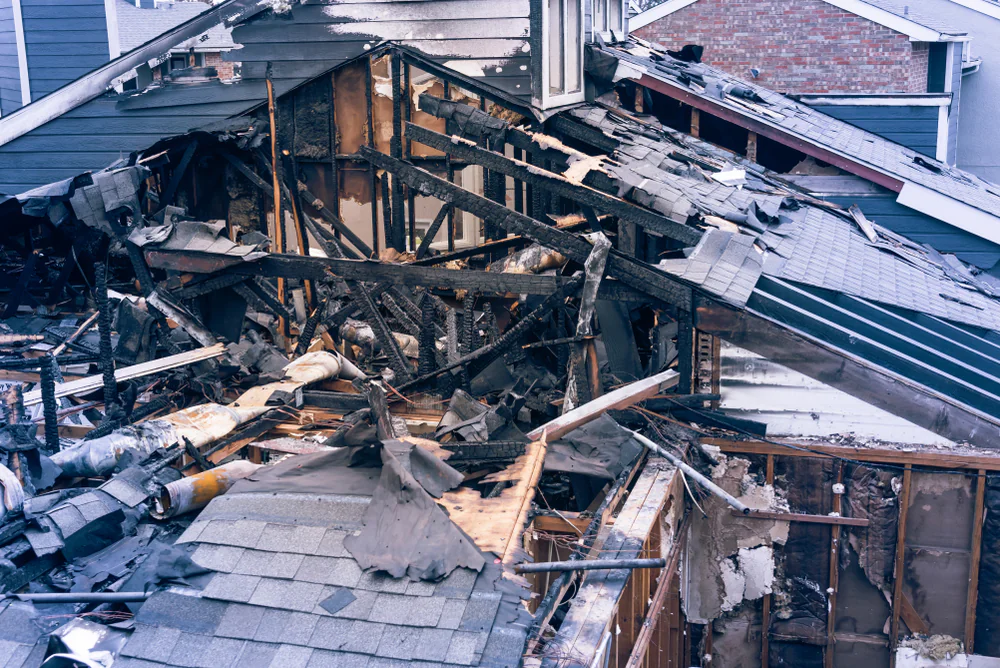
Fire Damage Restoration Service Results
The smell is gone. The soot isn’t spreading to rooms that weren’t touched. Your insurance adjuster has every photo, moisture reading, and line item they need—no back-and-forth, no disputes over what’s covered.
You’re not wondering if mold is growing behind your walls from the water the fire department used. You’re not calling three times to get an update. You know exactly what’s happening because you got a full report within 24 hours and updates every 48 after that.
That’s the difference between a fire cleanup and actual fire restoration. One stops when the visible damage is gone. The other stops when your home is genuinely safe, dry, and documented for your claim. Most companies in Central Indiana promise fast response—we show up in 60 to 90 minutes with IICRC-certified techs, not a sales guy with a clipboard.
Trusted Fire Restoration Lizton, IN
We’ve handled fire and smoke restoration across Hendricks County since 2016. We’re IICRC-certified in Water Restoration, Applied Structural Drying, and Microbial Remediation—the credentials your insurance company actually recognizes when they’re reviewing your claim.
We’re not a franchise. We’re a local team that answers our own phone 24/7, uses Xactimate pricing so your adjuster doesn’t lowball the estimate, and assigns you a dedicated claims liaison who knows how to speak their language. Lizton’s older housing stock and Indiana’s freeze-thaw cycles mean fire damage here often comes with hidden water intrusion and faster mold timelines. We account for that in every job.
You’ll work with the same crew from start to finish. No subcontractors, no handoffs, no wondering who’s responsible when something doesn’t match the original scope.
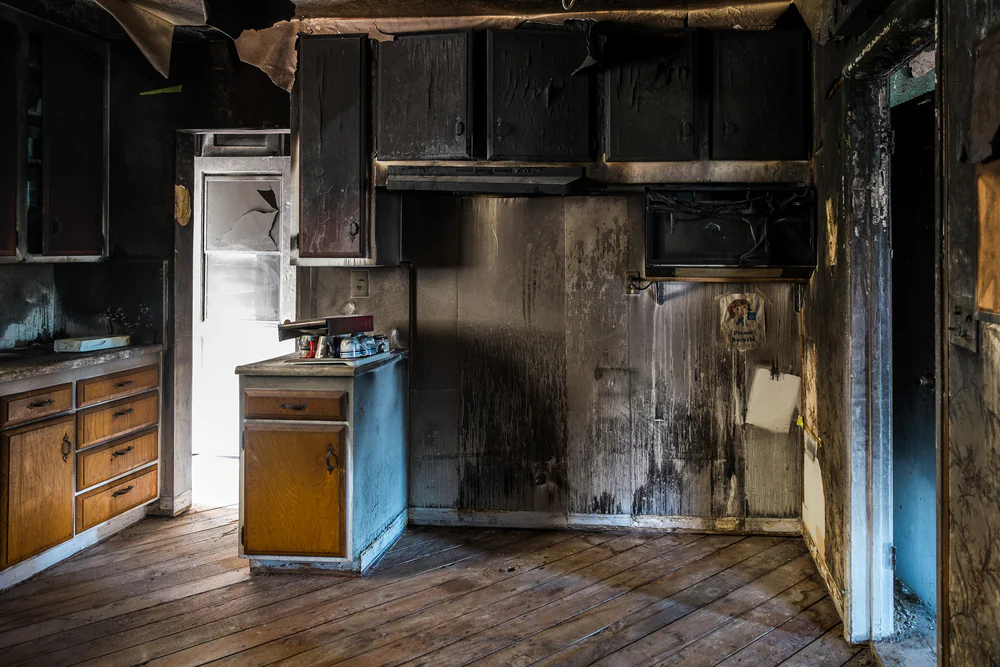
Our Fire Damage Restoration Process
You call. We answer—not a voicemail, not an answering service. Within 60 to 90 minutes, our team is on-site in Lizton with moisture meters, thermal cameras, and containment equipment.
First, we stop the damage from spreading. That means sealing off affected areas with plastic sheeting and negative air pressure, pulling out soaked insulation or contents that can’t be saved, and setting up HEPA filtration so soot particles don’t migrate into your HVAC system. We notify your insurance carrier within 24 hours and send them a full damage report with photos, moisture maps, and our initial scope.
Then we dry, clean, and deodorize. Structural drying takes 3 to 5 days depending on materials and humidity levels—we’re monitoring moisture daily and adjusting equipment as needed. Soot gets cleaned with dry chemical sponges and HEPA vacuums before we apply odor-neutralizing agents, not just masking sprays. If your ductwork was exposed to smoke, we clean that too—most companies skip it.
Every 48 hours, you get a progress update. When we’re done, you get a post-remediation walkthrough and a follow-up call 14 days later to make sure nothing was missed.
Ready to get started?
What's Included in Fire Restoration
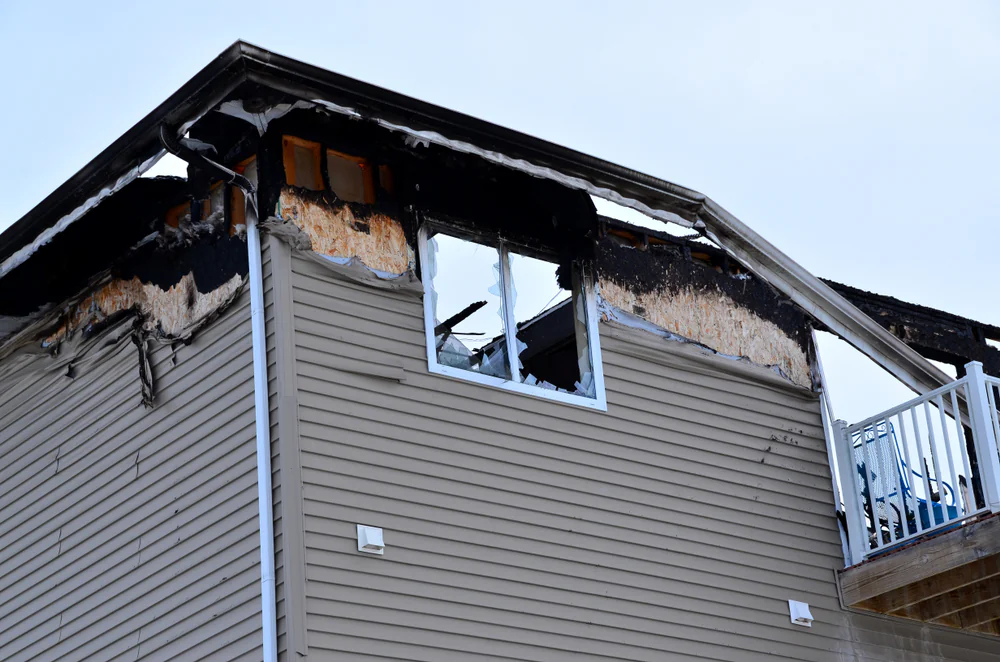
Fire restoration in Lizton isn’t just about scrubbing walls. It’s about addressing every layer of damage—flame, heat, smoke, soot, and the water used to put it out.
We handle structural drying and dehumidification to prevent mold in the 48-hour window after firefighters leave. We remove and inventory contents that need off-site cleaning or storage, document everything for your insurer, and return items once your home is safe. Smoke odor gets neutralized at the molecular level using hydroxyl generators or thermal fogging, depending on severity—not ozone machines that leave their own smell behind.
Soot cleanup involves more than wiping down surfaces. We use dry methods first to avoid smearing acidic residue deeper into porous materials like drywall or wood. HVAC ducts get inspected and cleaned if smoke entered the system—critical in homes where central air can spread contamination to every room.
Hendricks County’s median home value sits around $210,000, and most families here own their homes. You’re not just restoring a property—you’re protecting an investment. That’s why we align our estimates with Xactimate, the software most adjusters use, so there’s no gap between what we bill and what they approve.
How quickly does fire damage get worse if I wait?
Soot and smoke residue turn acidic within hours, especially on metal surfaces like fixtures, appliances, and electronics. If you wait more than 24 to 48 hours, that residue etches into finishes and becomes permanent—meaning you’re replacing items instead of cleaning them.
Water damage from firefighting efforts follows the same timeline. Within 48 hours, mold spores start colonizing on wet drywall, insulation, and framing. Indiana’s humidity makes that window even tighter in summer months. The longer materials stay wet, the more likely you’ll need full tear-out instead of drying and salvage.
Smoke odor also sets deeper into porous materials like carpet, upholstery, and wood the longer it sits. What could’ve been surface-cleaned in the first day often requires sealing or replacement a week later. Speed isn’t about convenience—it’s about keeping your claim smaller and your home salvageable.
Will my insurance cover fire restoration costs in Lizton?
Most homeowner policies in Indiana cover fire damage restoration, including smoke cleanup, water extraction from firefighting, and contents pack-out. But coverage depends on your specific policy limits, deductible, and whether the fire was accidental or involved negligence.
Your adjuster will send their own estimator to assess damage—and their number is often lower than what full restoration actually costs. That’s where documentation matters. We use the same Xactimate software they do, so our line items match their system. We also take detailed photos, moisture readings, and thermal images that back up every charge.
If there’s a gap between their estimate and ours, we’ll walk through it with you and, if needed, provide a second opinion or supplemental claim documentation. Insurance companies work for their bottom line, not yours—but a well-documented claim with IICRC-certified work behind it is much harder to dispute. We’ve been doing this since 2016, and we know how to get claims approved without you having to fight for it.
What's the difference between fire cleanup and fire restoration?
Cleanup means removing visible soot, debris, and charred materials. Restoration means returning your home to pre-loss condition—structurally sound, dry, odor-free, and safe to occupy. Most companies stop at cleanup. We don’t.
Fire restoration includes drying out water damage from hoses and sprinklers, testing moisture levels in framing and subfloors, cleaning HVAC ducts so smoke particles don’t recirculate, and neutralizing odors at the molecular level instead of masking them with air fresheners. It also means documenting every step for your insurance claim so you’re not stuck paying out of pocket for work that should’ve been covered.
In Lizton and the rest of Hendricks County, older homes often have plaster walls, hardwood subfloors, and crawl spaces that hold moisture longer than modern construction. If those areas aren’t properly dried and treated, you’ll have mold growth within a week—and that’s a separate claim most insurers won’t cover if it stems from incomplete fire restoration. We handle it right the first time so you’re not calling someone else to fix our work.
How do you get rid of smoke smell permanently?
Smoke odor doesn’t sit on surfaces—it penetrates them. That’s why air fresheners, ozone machines, and ventilation don’t work long-term. The smell comes back because the source is still embedded in walls, ducts, insulation, and subflooring.
We start with physical removal. Anything too saturated with smoke—carpet padding, insulation, porous furniture—gets pulled out and disposed of. Then we clean all remaining surfaces with dry chemical sponges and HEPA vacuums to lift soot without smearing it. After that, we use hydroxyl generators or thermal fogging to break down odor molecules at a chemical level, not just cover them up.
If smoke entered your HVAC system, we clean the ductwork too. Otherwise, every time your furnace or AC kicks on, it pushes smoke particles back into the air. Most fire cleanup companies skip that step—we don’t. Indiana homes with central air need duct cleaning after any fire that produced heavy smoke, even if the flames didn’t reach the vents. It’s the difference between a house that smells clean and a house that actually is clean.
Do I need to leave my home during fire restoration?
It depends on the extent of damage and what phase of restoration we’re in. If we’re actively removing soot, running HEPA filtration, or applying odor-neutralizing treatments, it’s safer and more comfortable for you to stay elsewhere—especially if you have kids, pets, or respiratory sensitivities.
We set up containment barriers with plastic sheeting and negative air pressure to keep dust and particles from spreading into unaffected rooms. But even with containment, the noise from air movers, dehumidifiers, and HEPA scrubbers runs 24/7 during the drying phase. Most families in Lizton choose to stay with relatives or use their insurance’s Additional Living Expense coverage to pay for a hotel while we work.
If the fire was small and limited to one room, you might be able to stay in another part of the house—we’ll walk you through that during our initial assessment. Either way, we wear shoe covers, keep work areas sealed, and clean up daily so your home isn’t left looking like a construction zone. You’ll know exactly what to expect before we start, and we’ll give you a realistic timeline so you can plan accordingly.
How long does fire damage restoration take in Lizton?
Most fire restoration projects take 5 to 10 days from start to clearance, but that depends on the size of the loss, how much water the fire department used, and whether we’re waiting on insurance approval for demolition or contents replacement.
Structural drying alone takes 3 to 5 days in Indiana’s climate—longer if we’re dealing with crawl spaces, hardwood subfloors, or plaster walls that hold moisture. Soot and smoke cleanup can happen simultaneously, but odor neutralization often requires a final treatment after everything else is dry and clean. If your HVAC ducts need cleaning or we’re doing a contents pack-out, add another 2 to 3 days.
We’ll give you a projected timeline during the initial walkthrough, and we update you every 48 hours so you’re never guessing where we are in the process. If your adjuster delays approval or we uncover hidden damage that wasn’t in the original scope, we’ll let you know immediately—not three days later when you’re wondering why we’re still there. Speed matters, but accuracy matters more. We’d rather take an extra day to dry your walls completely than leave early and have you dealing with mold two weeks later.
Other Services we provide in Lizton