Hear from Our Customers
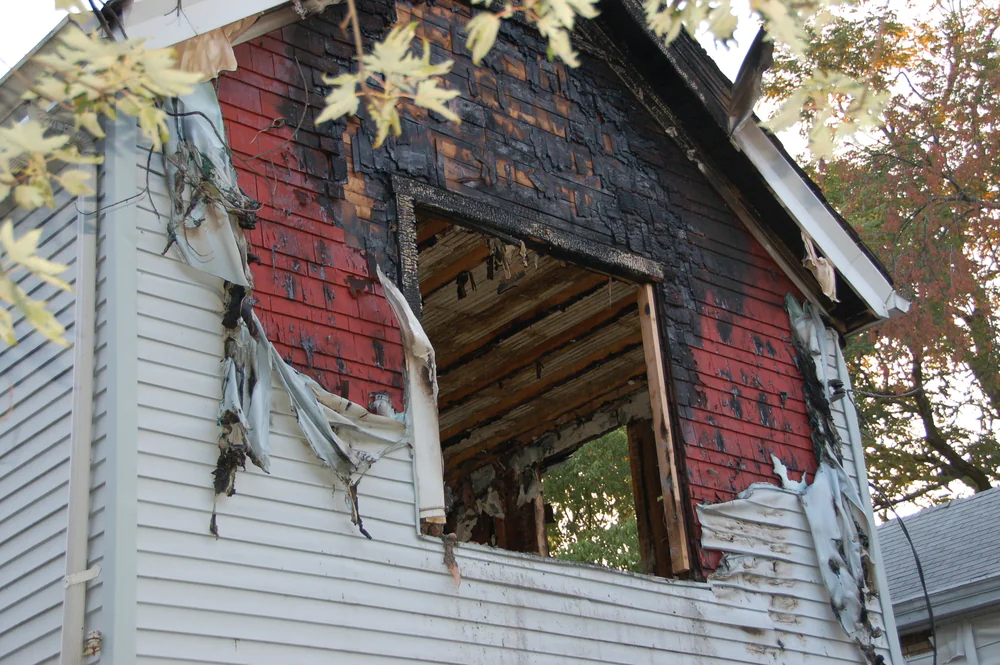
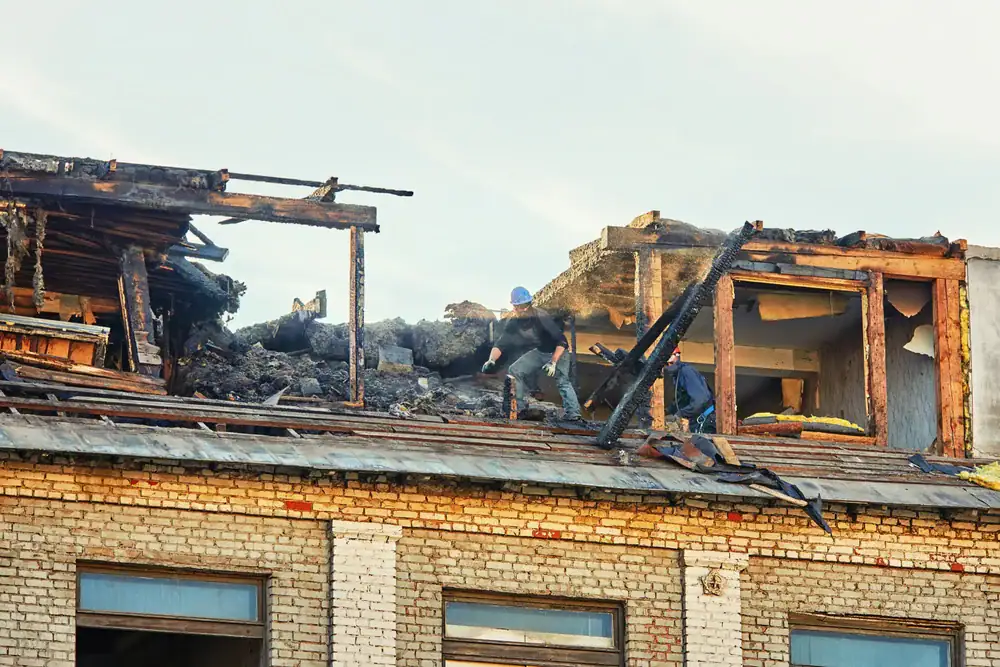
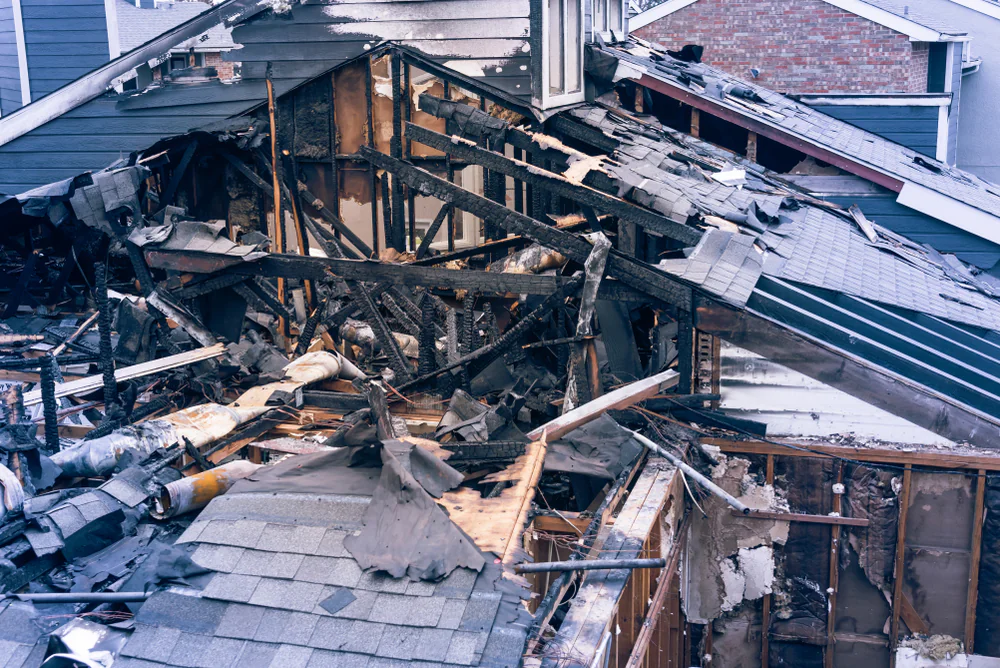
The fire’s out, but the damage keeps spreading. Smoke seeps into walls. Soot settles on everything. Water from firefighting efforts soaks into floors and subflooring. Every hour you wait, the restoration bill climbs.
You get a team that shows up in 60 to 90 minutes, not “sometime tomorrow.” We assess structural safety first, then lock down the damage with containment barriers and HEPA filtration so the rest of your property stays clean. You’re not guessing what’s salvageable—we document everything with photos and moisture maps within 24 hours, then send updates every 48 hours so you and your insurance adjuster stay on the same page.
Your belongings get packed out, cleaned, and stored if needed. Your home gets dried, deodorized, and brought back to pre-loss condition. You get a walkthrough when we’re done, plus a follow-up two weeks later to make sure nothing was missed.
We’ve been handling fire and smoke restoration in Montclair, IN since 2016. We’re IICRC-certified in Fire & Smoke Restoration Technician (FSRT) protocols, which means our crews are trained in scoping, mitigation, cleaning, deodorization, and documentation—not just general cleanup.
Montclair’s older housing stock, with a median build year of 1938, means fire damage often reveals hidden structural issues that newer homes don’t face. We know how to assess charred wood framing, check for compromised electrical behind plaster walls, and identify where smoke traveled through balloon framing that’s common in pre-war construction.
We’re BBB-accredited, bonded, and we answer our phone 24/7—no voicemail, no call-back queue. You talk to a real person who can dispatch a crew while you’re still on the line.
First, we make sure the structure is safe to enter. Fire weakens beams, warps steel, and compromises load-bearing walls. If there’s any question, we bring in a structural engineer before anyone goes inside.
Next, we stop secondary damage. That means extracting standing water from firefighting efforts, setting up dehumidifiers and air movers, and sealing off unaffected rooms with plastic sheeting and negative air pressure. Smoke and soot don’t stay put—they migrate into HVAC ducts, behind baseboards, and into insulation. Containment keeps the damage from spreading while we work.
Then we document everything. You’ll get a full photo set, moisture readings, and a scope of work within 24 hours. We use Xactimate, the same estimating software your insurance adjuster uses, so there’s no confusion about line items or pricing.
Cleaning comes next—HEPA vacuums for dry soot, chemical sponges for walls and ceilings, and specialized cleaners for different surface types. We pack out contents that need off-site restoration, then treat odors with hydroxyl generators or thermal fogging, depending on what the job requires. Finally, we walk you through the finished work and follow up two weeks later to confirm everything’s holding up.
Ready to get started?
Every fire restoration job in Montclair, IN includes emergency water extraction, because firefighting efforts often cause as much water damage as the fire itself. We pull out standing water, then dry structural cavities with commercial dehumidifiers and air movers to prevent mold from taking hold in the 24 to 48 hours after the fire.
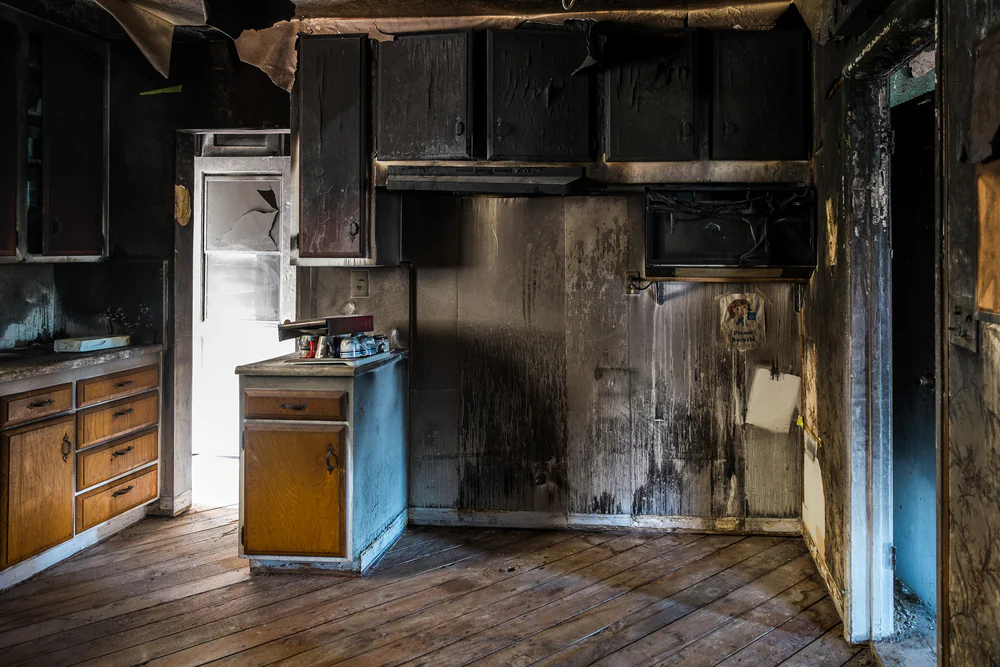
You also get complete smoke and soot removal. Class A fires—wood, paper, fabric—leave a dry, powdery residue that’s easier to clean than the sticky, petroleum-based soot from synthetic materials. We identify what burned, then match the cleaning method to the residue type. Walls, ceilings, and contents all get treated differently.
Odor neutralization is part of the standard scope. Smoke smell doesn’t just sit on surfaces—it penetrates porous materials like drywall, insulation, and subflooring. We use hydroxyl generators for occupied spaces and ozone treatment for unoccupied areas, depending on what the situation calls for. HVAC ducts get cleaned and sanitized so you’re not recirculating smoke particles every time the furnace kicks on.
If your home is unlivable during restoration, we coordinate contents pack-out and climate-controlled storage. You’ll get an itemized inventory with photos, and we’ll return everything once the property is ready.
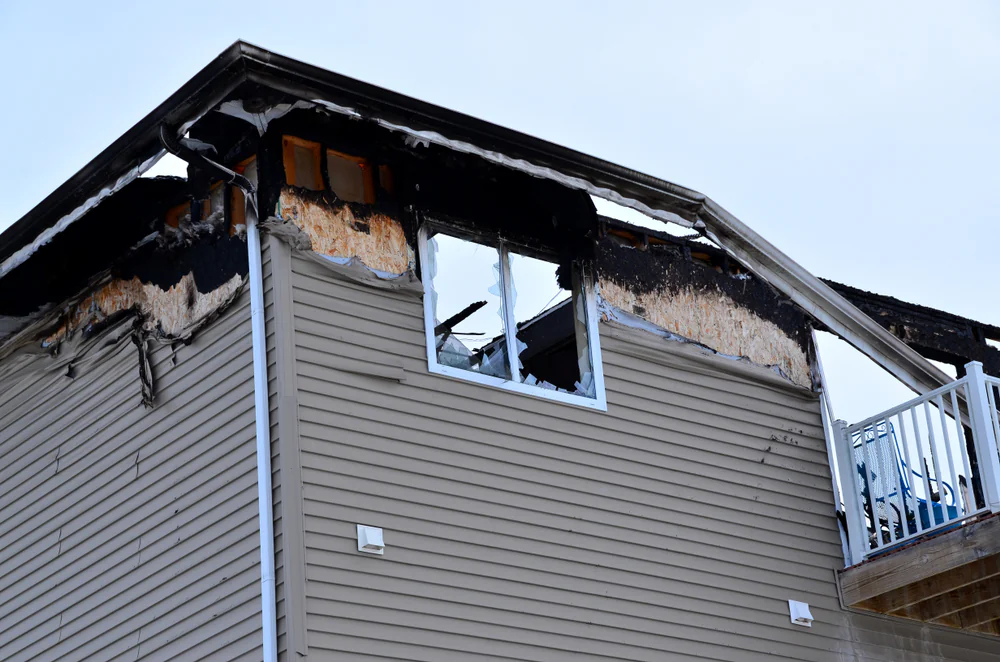
Soot becomes harder to remove within hours. Acidic residue from smoke starts etching glass, tarnishing metal, and discoloring grout almost immediately. If you’ve got porous surfaces like unsealed wood or drywall, they absorb smoke odor fast—and the longer it sits, the deeper it penetrates.
Water damage from firefighting is even more time-sensitive. In Montclair’s older homes, water soaks into wood lath, plaster, and subflooring that wasn’t built with moisture barriers. You’ve got 24 to 48 hours before mold starts growing in wall cavities and under flooring. After 48 hours, you’re often looking at demolition instead of drying.
Insurance companies expect you to mitigate damage promptly. If you wait a week to call and mold spreads, they may deny coverage for the mold remediation because it was preventable. Calling within the first few hours protects both your property and your claim.
Most homeowner policies cover fire damage restoration, including smoke cleanup, water extraction from firefighting, and contents restoration. You’ll need to file a claim within 24 to 48 hours—check your policy for the exact window.
Your insurance company will send an adjuster to assess the damage and write an estimate. Here’s where it gets tricky: adjusters sometimes miss hidden damage like smoke in HVAC ducts, water in wall cavities, or soot behind baseboards. That’s why you want a restoration company on-site early to document everything before the adjuster arrives.
We use Xactimate, the same software most adjusters use, so our estimates align with theirs. If the adjuster’s scope is lower than ours, we provide the documentation—photos, moisture maps, material testing—to support the difference. We also act as a liaison between you and your carrier, which means fewer phone calls and less back-and-forth on your end. You’ll still need to pay your deductible, but the insurance company pays us directly for covered work once the claim is approved.
Fire damage is structural—charred wood, melted materials, compromised framing. Smoke damage is everything the fire touched without burning: soot on walls, odor in fabrics, residue on electronics, and discoloration on ceilings.
Smoke damage often costs more to clean than fire damage costs to rebuild, especially if the fire was small but smoky. Soot travels through your HVAC system, settles in every room, and leaves an acidic film that keeps corroding surfaces until it’s removed. You can’t just paint over it—the staining and smell will bleed through.
Different materials produce different types of smoke. Burning wood leaves a dry, ashlike residue. Burning plastic or synthetic fabrics leaves a sticky, oily soot that’s harder to clean and smells worse. We test surfaces to identify what burned, then match the cleaning method to the residue type. Some items can be cleaned on-site; others need to be packed out for specialized restoration. The goal is to save what we can and replace only what’s unsalvageable.
Small fires with limited smoke damage—say, a kitchen fire that stayed contained—usually take one to two weeks. That includes water extraction, drying, soot removal, odor treatment, and final cleaning.
Larger fires that affected multiple rooms or required structural work can take four to eight weeks, depending on how much demolition and rebuild is involved. If we’re waiting on insurance approval for certain line items, that can add time.
Montclair’s older homes sometimes reveal surprises once we open walls—outdated wiring, asbestos insulation, or structural issues that weren’t caused by the fire but need to be addressed before we close everything back up. We flag those issues immediately and work with your adjuster to determine what’s covered.
You’ll get a timeline during the initial walkthrough, and we update it if anything changes. We also send progress photos every 48 hours so you’re never wondering what’s happening.
Most contents are salvageable if they’re cleaned quickly. Furniture, clothing, electronics, documents, and even some porous items like books can be restored with the right techniques.
We start by sorting items into categories: clean on-site, pack out for specialized cleaning, or dispose. Items with light soot can often be cleaned in place. Items with heavy smoke odor or oily residue get packed out to a controlled environment where we can use ultrasonic cleaning, ozone treatment, or dry-ice blasting depending on the material.
Electronics need special attention because soot is conductive and corrosive. We don’t just wipe them down—we disassemble, clean internal components, and test functionality before returning them. Documents and photos can be freeze-dried if they got wet, and textiles go through deodorization and cleaning cycles until the smoke smell is gone.
You’ll get an itemized inventory with photos of everything we pack out, and we store it in a climate-controlled facility until your property is ready. The goal is to return your home and your belongings to pre-loss condition, not just hand you an insurance check and walk away.
For non-insurance jobs—meaning you’re paying out of pocket instead of filing a claim—we offer discounts for military members, seniors, first responders, teachers, and new customers. The discount varies depending on the scope of work, but it’s our way of supporting the people who support the community.
Insurance jobs are different. When your insurance company is paying, we bill at the agreed-upon rate in the estimate, and we can’t discount that without violating our agreement with the carrier. But we do everything we can to maximize your coverage and minimize your out-of-pocket costs, including documenting hidden damage the adjuster might miss and providing line-item justifications for every charge.
If you’re not sure whether to file a claim or pay out of pocket, we can give you a rough estimate before you decide. Sometimes small jobs cost less than your deductible, and it makes sense to skip the claim. Other times, the damage is more extensive than it looks, and filing is the right move. We’ll walk you through the pros and cons based on what we find during the initial inspection.
Other Services we provide in Montclair