Hear from Our Customers
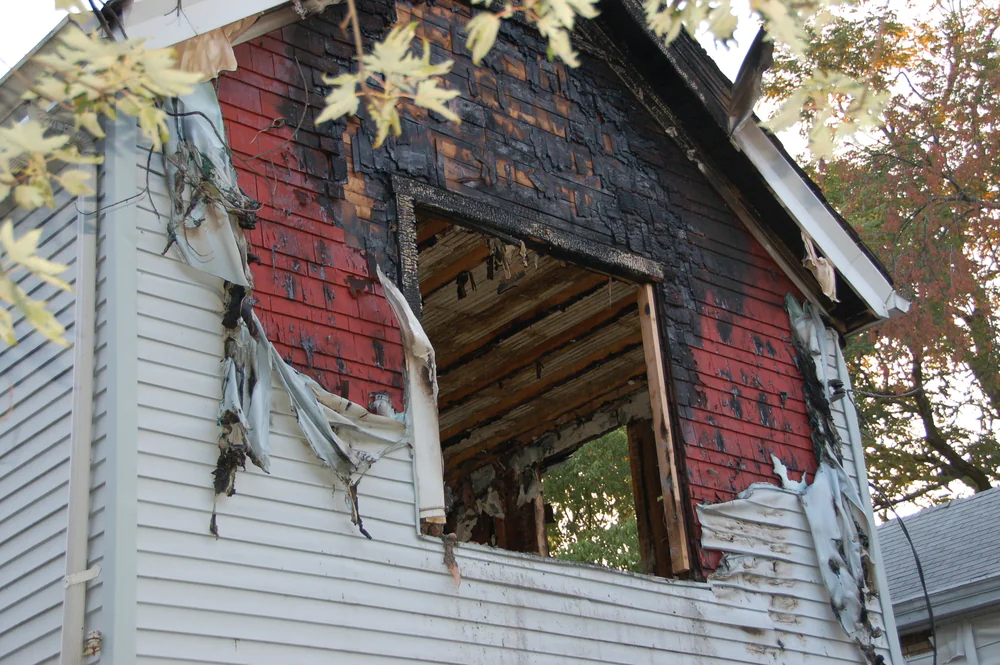
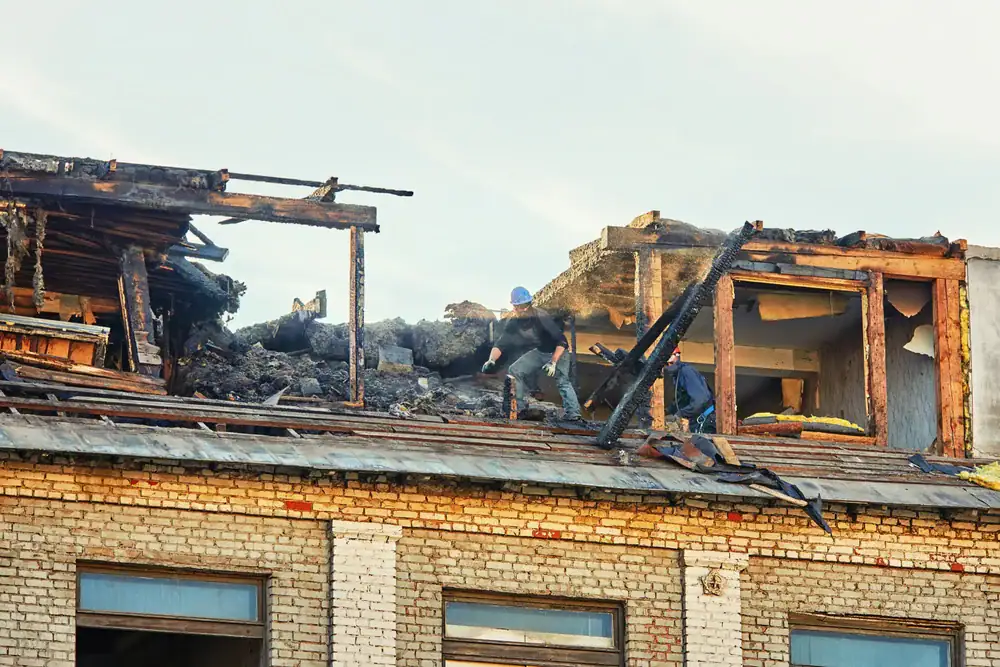
Fire damage doesn’t stop when the flames go out. Soot keeps etching into walls. Smoke odor settles deeper into fabrics and ductwork. Water from firefighting efforts starts breeding mold in hidden spaces.
The difference between a manageable restoration and a total loss often comes down to the first 24 to 48 hours. That’s when acidic soot can be neutralized before it permanently stains surfaces. When wet materials can be dried before mold takes hold. When your insurance adjuster gets the documentation they need to approve your claim without delays.
You get a team that shows up in 60 to 90 minutes, not tomorrow. We assess what can be saved versus what needs replacing. We protect the unaffected areas of your property while we work. And we handle the insurance paperwork with the same software your adjuster uses, so there’s no back-and-forth over line items.
The result: you’re back in your property weeks faster, with less out-of-pocket cost, and without the stress of coordinating five different contractors who don’t talk to each other.
We’ve been handling fire and smoke restoration across Central Indiana since 2016. We’re IICRC-certified in water damage restoration, applied structural drying, and mold remediation—which matters because fire damage almost always involves water damage too.
We’re not a franchise. You’re calling a local team that knows Needham’s older housing stock, understands how Indiana’s humidity affects drying timelines, and has relationships with the insurance carriers operating in this area. We’re BBB-accredited and EPA RRP certified for lead-safe work practices when restoration involves pre-1978 homes.
Our phone is answered by a real person 24/7. Not a call center in another state. When you need fire damage restoration in Needham, IN, you’re talking directly to someone who can dispatch a crew to your property within the hour.
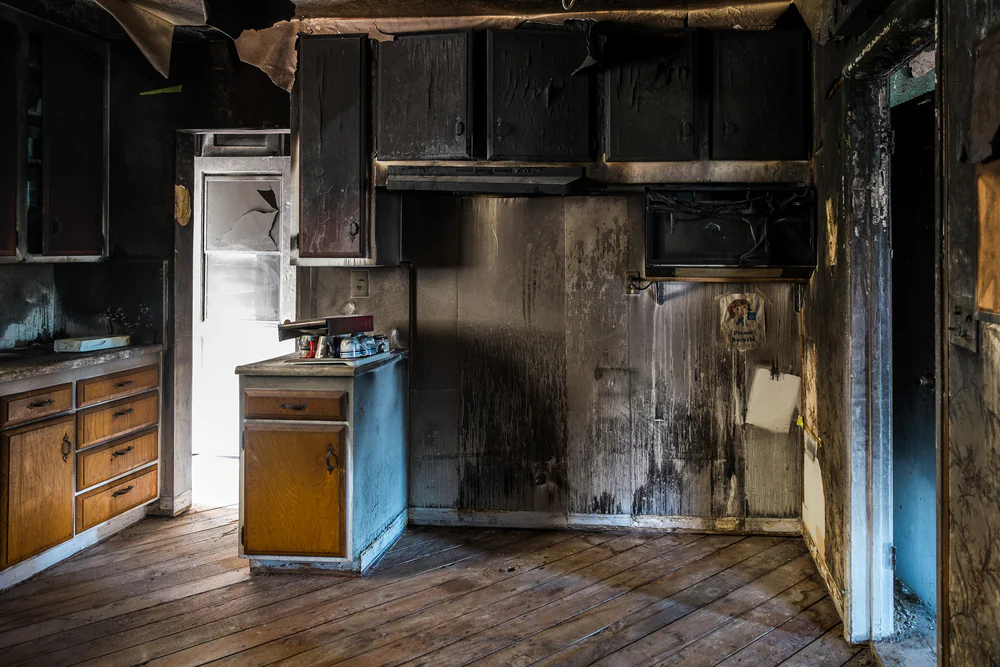
First, we secure your property. That means emergency board-up if needed, tarping damaged roofs, and setting up containment barriers with HEPA filtration to keep soot and odor from spreading to clean areas.
Next comes the fire damage inspection and documentation. We photograph everything, map moisture levels in walls and floors, and create a detailed scope for your insurance company using Xactimate—the same estimating software they use. You’ll have this report within 24 hours.
Then we start the actual restoration work. Soot and smoke residue get cleaned from all affected surfaces using specialized chemicals and techniques. We remove unsalvageable materials. We dry out any water damage from firefighting efforts. We treat for odor at the molecular level, not just mask it with air fresheners. If your HVAC system ran during or after the fire, we clean the ductwork so you’re not circulating soot particles every time the heat kicks on.
Throughout the process, you get progress updates every 48 hours. We coordinate directly with your insurance adjuster. And we handle contents pack-out and storage if you need to move items off-site during the work.
After restoration is complete, we walk through the property with you to confirm everything meets your expectations. Then we follow up 14 days later to make sure no issues have surfaced.
Ready to get started?
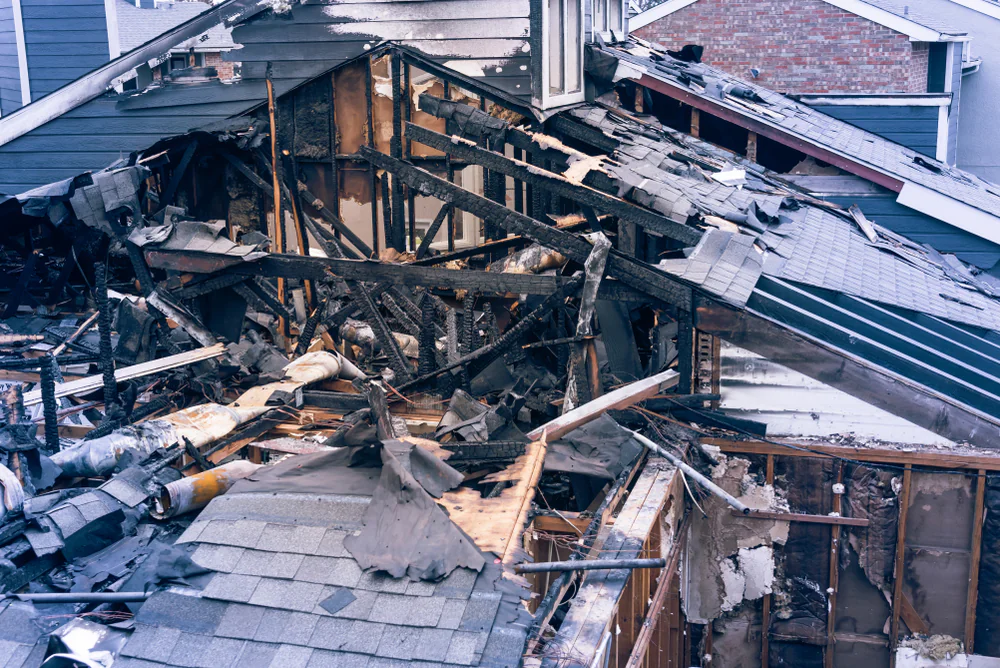
Fire restoration means more than wiping down walls. You’re dealing with multiple types of damage that need different approaches.
Smoke damage cleanup involves treating different residue types—wet smoke, dry smoke, protein residue, and fuel oil soot all require specific cleaning methods. We test surfaces first, then apply the right technique so we’re restoring materials, not damaging them further.
Water damage restoration is almost always part of fire restoration. Firefighting efforts can saturate floors, walls, and insulation. We extract standing water, set up commercial dehumidifiers and air movers, and monitor moisture levels daily until everything hits safe thresholds. This prevents mold growth and structural issues down the line.
Odor neutralization goes beyond surface cleaning. We use thermal fogging, ozone treatment, or hydroxyl generators depending on what your property needs. The goal is eliminating odor at the source, not covering it up.
In Needham and Central Indiana, we also see fire damage complicated by the age of homes in the area. Many properties built before 1978 contain lead-based paint or asbestos in insulation. We’re EPA RRP certified and follow proper protocols when restoration work disturbs these materials. Indiana’s climate also means humidity levels can work against you during restoration—we adjust our drying strategy based on current conditions, not a one-size-fits-all timeline.
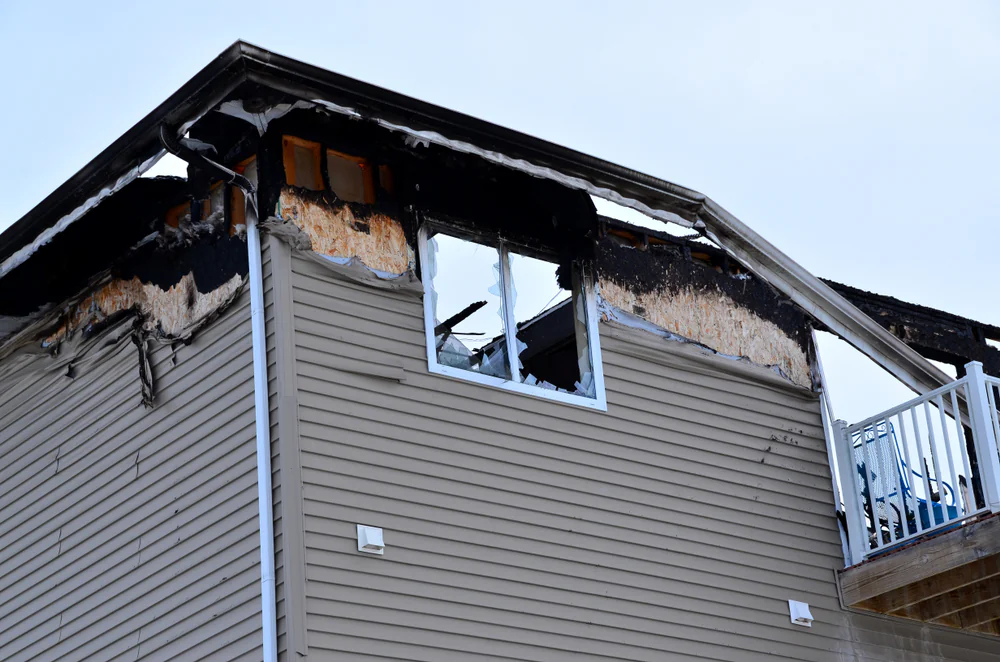
You should start within 24 to 48 hours if possible. That’s not a sales tactic—it’s chemistry.
Soot is acidic. The longer it sits on surfaces, the deeper it etches in. What might wipe off on day one can become permanent staining by day three. Smoke odor also sets deeper into porous materials like drywall, wood, and fabric with each passing day.
Then there’s the water damage from putting out the fire. Wet building materials start growing mold within 48 to 72 hours in Indiana’s humidity. Once mold takes hold, you’re adding a whole separate remediation process to your restoration project.
Starting fast also helps with insurance. Most policies require you to mitigate damage promptly. Waiting too long can give your insurance company grounds to deny coverage for secondary damage that could have been prevented.
Most homeowner policies cover fire damage, but coverage varies based on your specific policy and what caused the fire. Your policy likely covers the structure, your belongings, and additional living expenses if you need to stay elsewhere during restoration.
The key is documentation. Insurance companies want to see proof of what was damaged, what it costs to repair or replace, and that you took reasonable steps to prevent further damage. That’s where working with a restoration company that understands the insurance process makes a difference.
We use Xactimate software to create estimates that match what your adjuster expects to see. We take detailed photos and moisture readings. We communicate directly with your insurance company so you’re not playing middleman. And we can bill your insurance directly in many cases, so you’re not fronting tens of thousands of dollars out of pocket.
If your claim gets pushback, we provide the documentation and technical backup to support what’s needed. We’ve been doing this since 2016—we know what adjusters look for and how to present a claim that gets approved the first time.
It depends on the extent of damage, but most residential fire restoration projects take two to six weeks from start to finish. A small kitchen fire with localized damage might be done in two weeks. A fire that spread through multiple rooms or involved significant water damage from firefighting efforts can take six weeks or longer.
The timeline breaks down into phases. Emergency services and initial cleaning happen in the first few days. Drying out water damage takes anywhere from three days to two weeks depending on how much water was used and what materials got wet. Actual restoration work—replacing drywall, repainting, reinstalling flooring—happens after everything is dry and clean.
One thing that extends timelines: waiting for insurance approval. If your adjuster needs to visit the property or if there’s back-and-forth on the scope of work, that adds days or weeks. That’s why we prioritize documentation and direct communication with insurance companies. The faster we get approval, the faster we finish the work.
We’ll give you a realistic timeline after the initial inspection. Then we update you every 48 hours so you know exactly where things stand.
Smoke odor can be eliminated completely, but it requires more than air fresheners and surface cleaning. Smoke particles are microscopic—they penetrate porous materials like drywall, insulation, wood framing, and ductwork. If you only clean visible surfaces, the smell comes back as soon as temperatures or humidity levels change.
We treat smoke odor at the molecular level. That starts with removing any materials too saturated to salvage—carpet padding, insulation, or drywall that absorbed heavy smoke. Then we clean all remaining surfaces with specialized deodorizing agents that neutralize odor compounds instead of masking them.
For odor embedded in structural materials, we use thermal fogging, ozone treatment, or hydroxyl generators depending on what your property needs. Thermal fogging releases deodorizing particles that penetrate the same spaces smoke did. Ozone and hydroxyl treatments chemically alter odor molecules so they no longer smell.
We also clean your HVAC system. If the system was running during or after the fire, smoke particles are sitting in your ductwork. Every time the furnace or AC runs, it circulates that odor. Duct cleaning is a standard part of our fire restoration process for that reason.
The result: your property smells clean, not like someone tried to cover up smoke with perfume.
It depends on the extent of damage and what phase of restoration we’re in. If the fire damaged a large portion of your home, or if we’re treating for heavy smoke odor using ozone, you’ll need to stay elsewhere temporarily. If damage is localized to one area and we can seal it off with containment barriers, you can often stay in unaffected parts of the house.
Safety is the main factor. After a fire, there may be structural concerns, exposed electrical wiring, or airborne soot particles. We assess those risks during the initial inspection and let you know if it’s safe to stay or if you should plan on alternative housing for a few weeks.
If you do need to leave, your homeowner’s insurance typically covers additional living expenses—hotel costs, meals, and other reasonable expenses while your home is uninhabitable. We can provide the documentation your insurance company needs to approve those costs.
We also offer contents pack-out and storage. If you have furniture, clothing, or belongings in the affected area, we can move them to a secure, climate-controlled facility while we work. Items get inventoried, photographed, and cleaned before they’re returned to your property.
Fire cleanup means removing visible soot and debris. Fire restoration means returning your property to its pre-loss condition—or better.
Cleanup is surface-level work. Someone wipes down walls, hauls out burned materials, and maybe runs an air scrubber for a few days. It looks better, but the underlying damage is still there. Smoke odor lingers. Water damage from firefighting efforts isn’t addressed. Soot in your HVAC system keeps circulating. Your insurance company sees an incomplete job and you end up with problems months later.
Restoration is comprehensive. We document everything for insurance. We treat structural damage, not just cosmetic damage. We dry out hidden moisture. We clean ductwork. We neutralize odor at the molecular level. We handle contents cleaning and storage. And we coordinate with your insurance adjuster so the work gets approved and paid for properly.
You’re also working with IICRC-certified technicians who understand building science—how materials react to fire, smoke, and water, and what it takes to restore them correctly. We follow industry protocols, not shortcuts. The result is a property that’s actually restored, with no lingering issues that surface six months down the road.
Other Services we provide in Needham