Hear from Our Customers
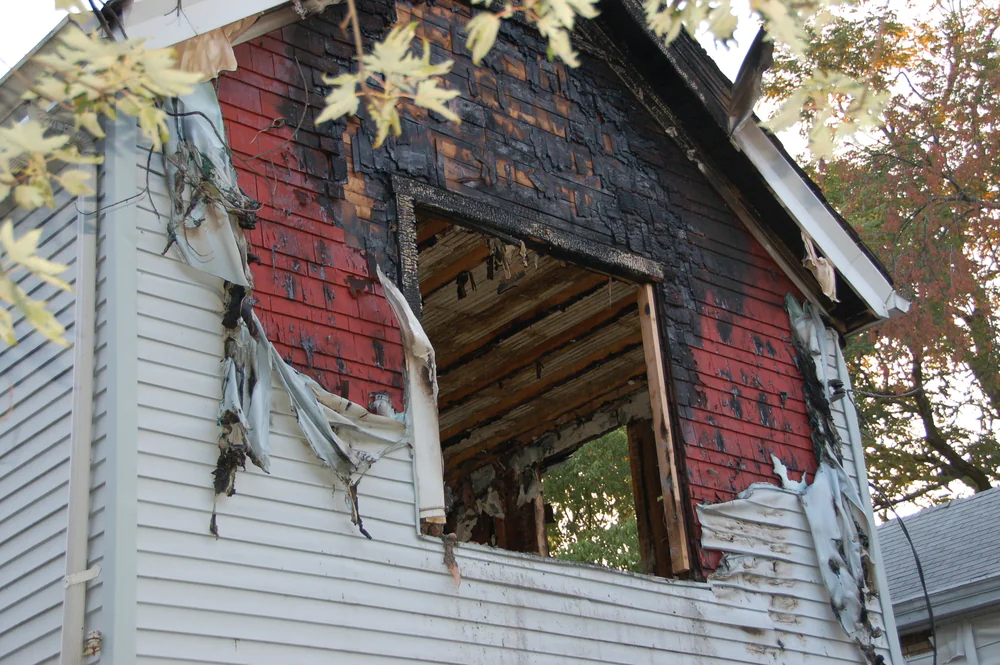
You’re not thinking about next month right now. You’re thinking about tonight—where your family sleeps, whether your business opens tomorrow, and if anything can actually be saved.
The air smells like smoke. Water from the fire hoses is pooling in places it shouldn’t. Soot is on everything. You need someone who knows what to do next, and you need them now.
Within 60 to 90 minutes of your call, our crew is on-site with containment equipment, HEPA filtration, and moisture meters. We document everything with photos and readings before we move a single item. That documentation protects your insurance claim. We set up barriers to keep smoke and soot from spreading into unaffected rooms. Then we start extraction, drying, and deodorization using IICRC-certified methods.
You get a full report within 24 hours. Every 48 hours after that, you receive progress updates with photos. No guessing. No waiting by the phone. You know exactly what’s happening, what’s next, and when you can move back in.
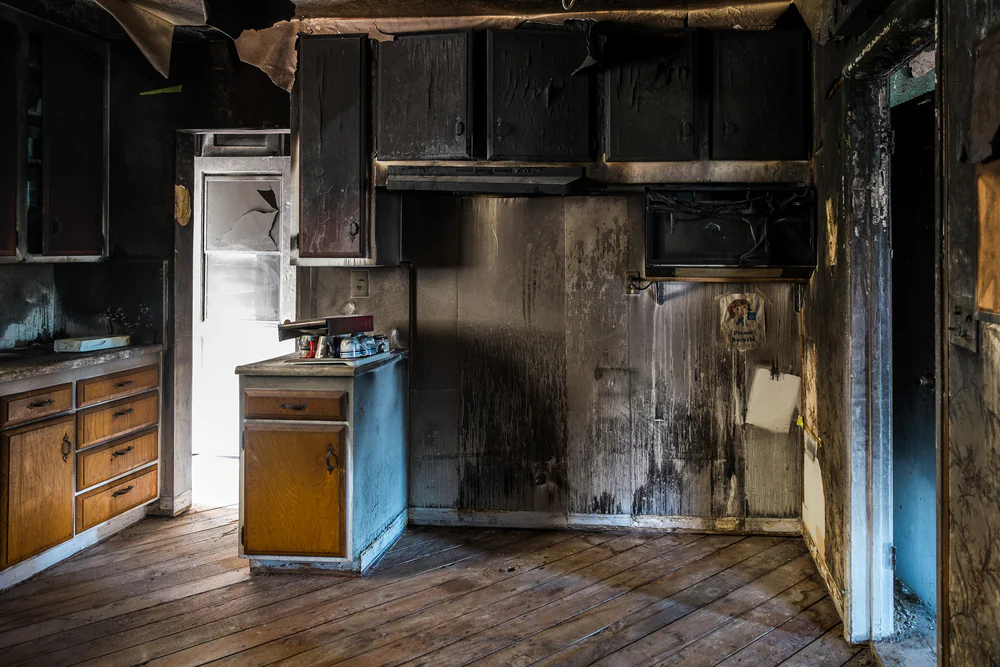
First, we assess the damage. That means walking every room, checking for structural issues, measuring moisture levels, and identifying what’s salvageable. We take photos and video of soot buildup, water damage from firefighting efforts, and any compromised materials. This documentation goes straight to your insurance company.
Next, we contain the affected areas. Smoke and soot spread fast, so we seal off damaged rooms with plastic barriers and run HEPA filtration to stop contamination. Then we extract standing water, remove unsalvageable materials, and begin drying with commercial dehumidifiers and air movers.
Smoke odor doesn’t just disappear. We use hydroxyl generators and thermal fogging to neutralize odors at the molecular level—not just cover them up. If your HVAC system was running during the fire, we clean the ductwork so you’re not circulating soot every time the heat kicks on.
Salvageable contents get packed out, cleaned off-site, and stored in a secure facility until your property is ready. You get a detailed inventory. Once the space is dry, clean, and odor-free, we walk you through everything before you move back in. Fourteen days later, we follow up to make sure nothing was missed.
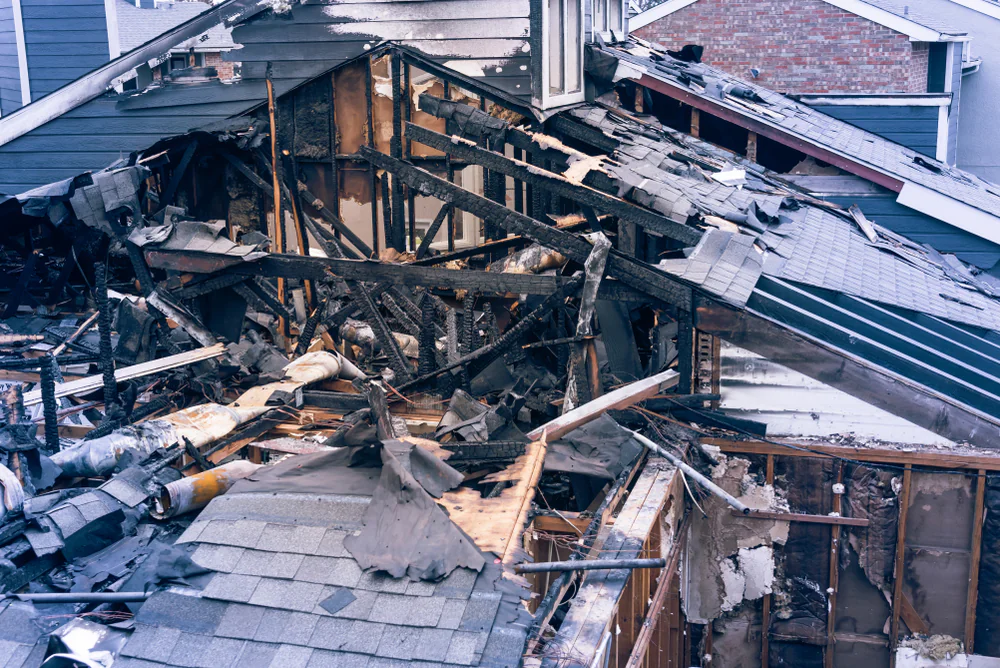
Ready to get started?
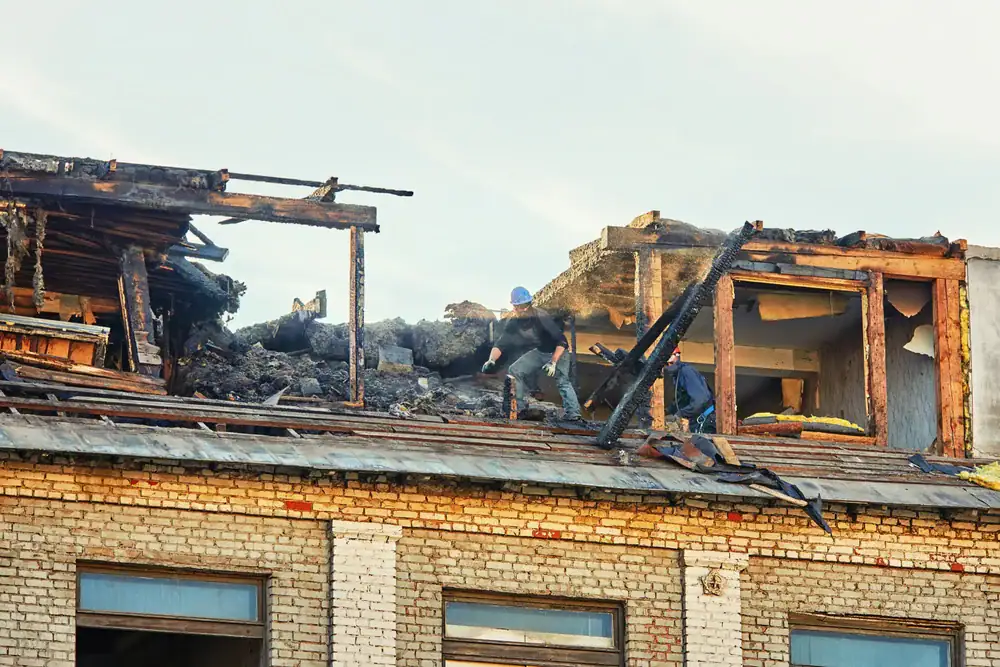
Fire restoration isn’t just about cleaning up soot. It’s about stopping secondary damage before it costs you more. Water from fire hoses soaks into subflooring, drywall, and insulation. If that’s not dried within 48 hours, mold starts growing. Smoke residue is acidic—it keeps corroding metal, etching glass, and staining walls long after the fire is out.
Our fire damage restoration service includes emergency board-up if windows or doors were compromised. We handle water extraction and structural drying using the same equipment and methods we use for flooding. We remove smoke-damaged materials that can’t be saved, then clean and deodorize everything else.
In Orchard Park, where median home values sit around $110,000 and many homeowners are first-time buyers or young families, a fire can feel financially catastrophic. That’s why we align our pricing with Xactimate—the software most insurance companies use. You’re not getting surprise bills that your adjuster won’t cover. We also coordinate directly with your insurance company as a dedicated claims liaison, so you’re not translating between contractors and adjusters.
If you’re a veteran, senior, teacher, or first responder handling a fire cleanup that’s not covered by insurance, we offer discounts. It’s not charity—it’s just the right thing to do.
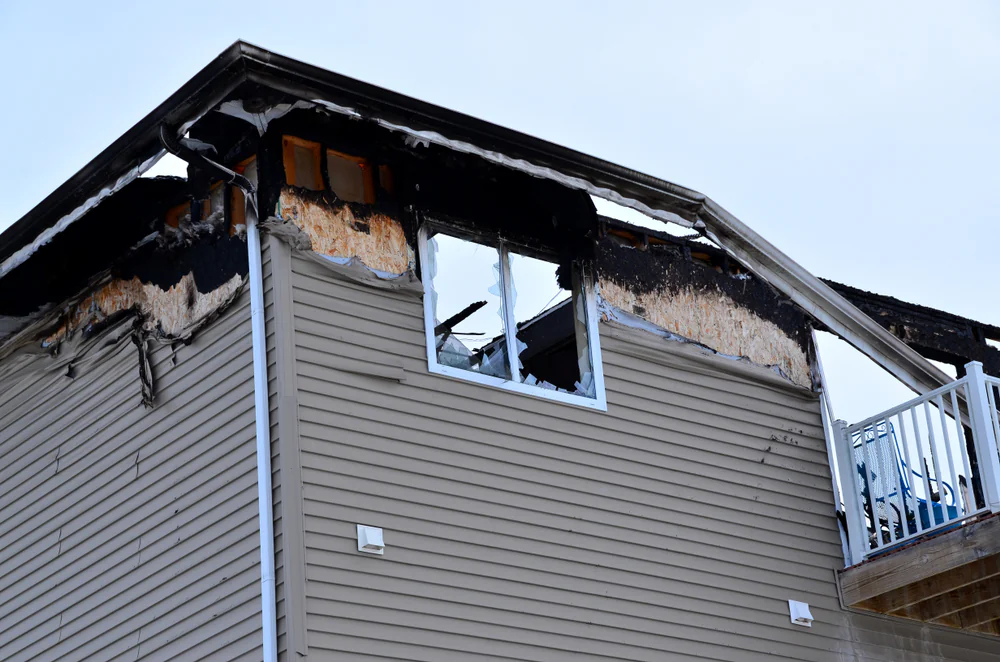
We’re on-site within 60 to 90 minutes of your call, 24 hours a day, seven days a week. That includes nights, weekends, and holidays.
Speed matters with fire damage. Soot is acidic and keeps corroding surfaces. Water from firefighting efforts starts soaking into building materials immediately. The longer those sit, the more expensive your restoration becomes. Mold can start growing within 48 hours if moisture isn’t addressed.
When you call our live-answer line, you’re talking to someone who can dispatch a crew right away—not an answering service that takes a message. Our trucks are stocked with containment materials, moisture meters, HEPA filtration, and extraction equipment, so we can start mitigation work the moment we arrive.
Most homeowners insurance policies cover fire damage restoration, including smoke cleanup, water extraction from firefighting efforts, and contents cleaning. But coverage depends on your specific policy, your deductible, and how quickly you report the loss.
Insurance companies typically require notification within 24 to 48 hours of the incident. Delays can give them grounds to deny your claim. That’s why we document everything immediately—photos, moisture readings, and a detailed scope of damage—so your claim is filed correctly the first time.
We work directly with your insurance adjuster. Our pricing aligns with Xactimate, the software most carriers use, so there’s no back-and-forth over costs. We’ve worked with nearly every major insurance company. We know what they need, how they process claims, and how to get you approved without unnecessary delays. You’re not stuck translating between us and your adjuster.
Smoke odor doesn’t just sit on surfaces—it penetrates porous materials like drywall, insulation, upholstery, and wood. Cleaning visible soot doesn’t eliminate the smell. You need equipment that neutralizes odor at the molecular level.
We use hydroxyl generators and thermal fogging to break down smoke particles in the air and inside materials. Hydroxyl generators are safe to run while people are in the building. Thermal fogging uses a heated deodorizing agent that penetrates the same places smoke did, neutralizing odor instead of masking it with fragrance.
If your HVAC system was running during the fire, smoke and soot traveled through your ductwork and settled inside. Every time your furnace or AC kicks on, it circulates that contamination. We clean ducts and replace filters as part of fire restoration. If soft contents like clothing, curtains, or furniture absorbed smoke, we pack those out and clean them off-site using specialized equipment. You’re not living with that smell.
Fire damage refers to materials that were burned, charred, or structurally compromised by flames. Smoke damage refers to soot, discoloration, and odor that spread throughout your property—even in rooms where there was no fire.
Smoke travels through air vents, under doors, and into cabinets. It leaves a greasy, acidic residue on walls, ceilings, countertops, and belongings. That residue keeps corroding metal and etching glass long after the fire is out. If it’s not cleaned properly, it causes permanent staining and damage.
Fire damage restoration involves removing unsalvageable burned materials, drying out water damage from firefighting efforts, and rebuilding structural components. Smoke damage cleanup involves HEPA filtration, surface cleaning with specialized agents, contents pack-out, odor neutralization, and duct cleaning. Most fire incidents involve both. We handle the full scope—mitigation, cleaning, deodorization, drying, and reconstruction—so you’re not coordinating multiple contractors.
Yes. We work as a dedicated claims liaison between you and your insurance carrier. That means we communicate directly with your adjuster, provide all required documentation, and make sure nothing gets lost in translation.
When we arrive, we document the damage with photos, video, and moisture mapping. We create a detailed scope of work using Xactimate, the same estimating software your insurance company uses. That alignment prevents disputes over pricing and speeds up approval.
We’ve worked with most major carriers—State Farm, Allstate, Nationwide, Liberty Mutual, and others. We know what they require, how they process fire damage claims, and what documentation prevents delays. You’re not stuck playing middleman between contractors and adjusters. We handle that communication so you can focus on your family, your business, or just getting through the day. You’ll still need to file the claim and communicate with your adjuster, but we make the technical side easier.
It depends on the size of the fire, how much water was used to put it out, and whether structural repairs are needed. Small kitchen fires with minimal smoke spread might take three to five days. Whole-home fires with significant smoke, water, and structural damage can take several weeks.
Drying alone takes 48 to 72 hours in most cases, but high humidity or poor ventilation can extend that. Smoke odor neutralization adds another few days. If contents need to be packed out, cleaned, and stored while we work, that extends the timeline. Reconstruction—replacing drywall, flooring, or cabinetry—adds time depending on the scope.
We give you a realistic timeline during the initial assessment, and we update you every 48 hours with progress photos. If something changes—materials take longer to dry, or we find hidden damage—we tell you immediately. No surprises. Orchard Park’s older housing stock sometimes means we discover wiring issues or hidden water damage once we open walls, so transparency matters.
Other Services we provide in Orchard Park