Hear from Our Customers
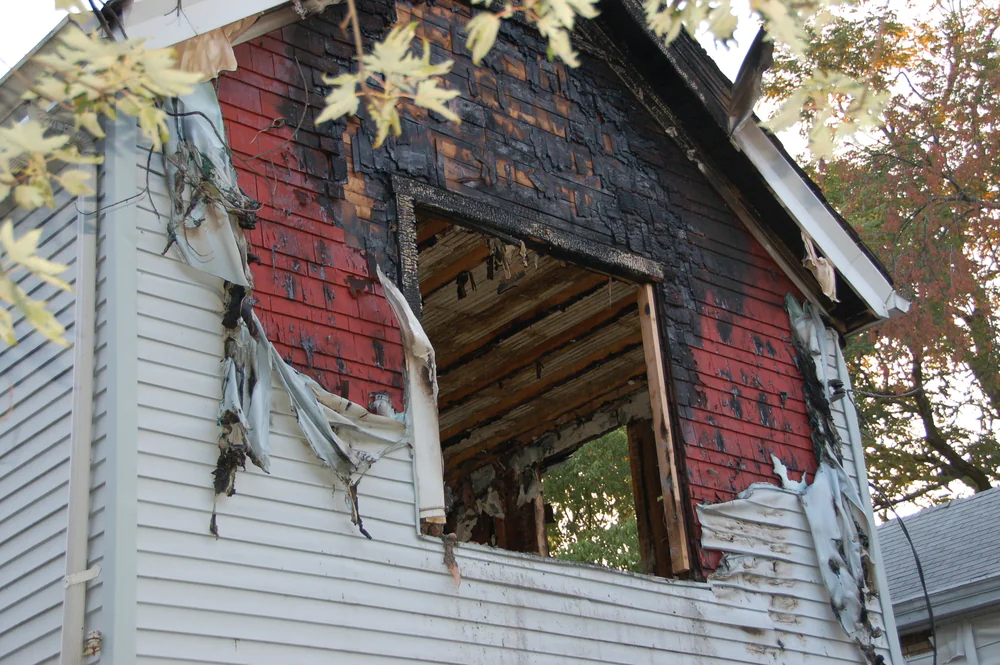
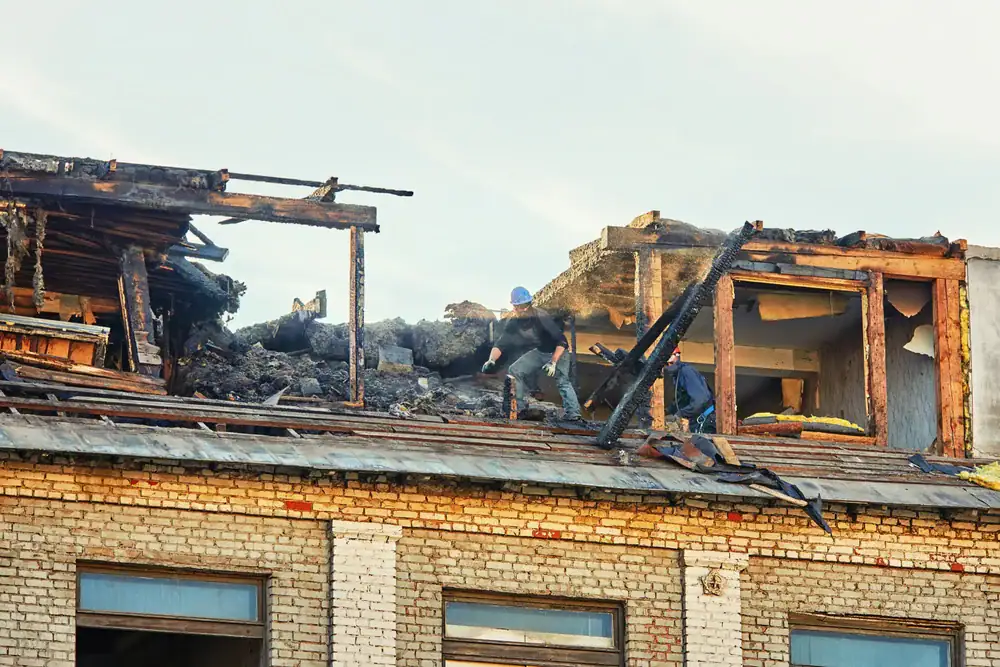
The fire’s out, but the real damage is just starting. Smoke residue keeps corroding metal fixtures. Soot keeps settling deeper into drywall. Water from the fire hoses is soaking into your subfloor right now.
Every hour you wait, the restoration bill climbs. That’s not a scare tactic—it’s chemistry and physics working against your property.
Our job is to stop that clock. Within 60 to 90 minutes of your call, we’re on-site with moisture meters, thermal cameras, and containment equipment. We document everything with photos and readings before we move a single item, because your insurance adjuster will need that trail.
You get a full assessment within 24 hours. Then updates every 48 hours until the job’s done. No guessing where things stand or when you can get back to normal.
The outcome you’re paying for isn’t just clean walls. It’s a property that passes inspection, an insurance claim that doesn’t get kicked back, and the ability to sleep in your own home again without smelling smoke every time the heat kicks on.
We’ve been handling fire and smoke restoration across Indiana for over eight years. We’re IICRC-certified in Water Restoration (WRT), Applied Structural Drying (ASD), and Applied Microbial Remediation (AMRT), which means our crews know how to dry a structure properly and prevent mold from taking over after the fire trucks leave.
We’re based locally, and we know what Pecksburg properties are up against. Older homes with balloon framing let smoke travel between floors faster. Freezing temps in winter mean burst pipes on top of fire damage. High humidity in summer accelerates mold growth if water damage isn’t handled right.
We answer our phone 24/7—not a call center, not a voicemail. When you call, you’re talking to someone who can dispatch a crew, walk you through next steps, and start your insurance claim documentation the same day.
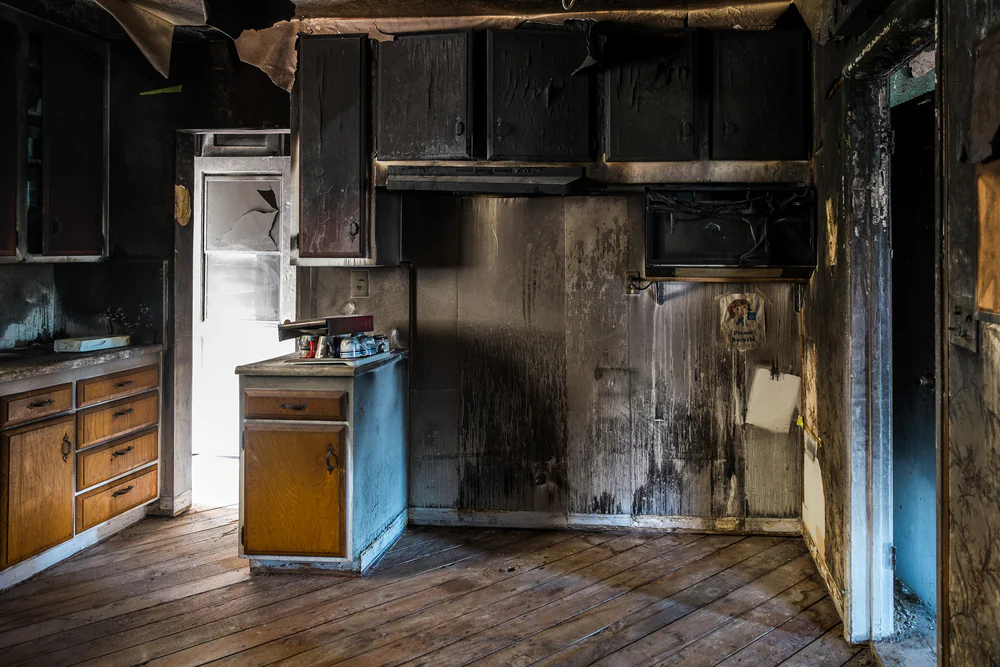
First, we get someone on-site fast—usually within 60 to 90 minutes. They’ll assess the fire damage, check for water damage from firefighting efforts, and identify any immediate safety hazards like structural instability or electrical issues.
Next, we set up containment zones with plastic sheeting and negative air pressure to keep soot and smoke odor from spreading into unaffected rooms. HEPA air scrubbers start pulling particulates out of the air immediately.
Then we document everything. Photos of every damaged surface, moisture readings in floors and walls, a full inventory of affected contents. This documentation goes straight to your insurance company, and it’s formatted in Xactimate so adjusters can process it without back-and-forth delays.
Demo and cleaning come next. We remove unsalvageable materials—drywall that’s burned through, insulation that’s soaked, anything that can’t be restored. Surfaces that can be saved get cleaned with commercial-grade smoke and soot removers, not hardware store spray bottles.
Drying equipment runs until moisture levels hit industry standards, which we verify with meters. We don’t guess. If your subfloor is reading 18% moisture content, we keep drying until it’s below 12%.
Finally, we handle odor neutralization with hydroxyl generators or thermal fogging, depending on what the space needs. Then we walk you through the finished work, answer your questions, and follow up 14 days later to make sure everything’s still holding up.
Ready to get started?
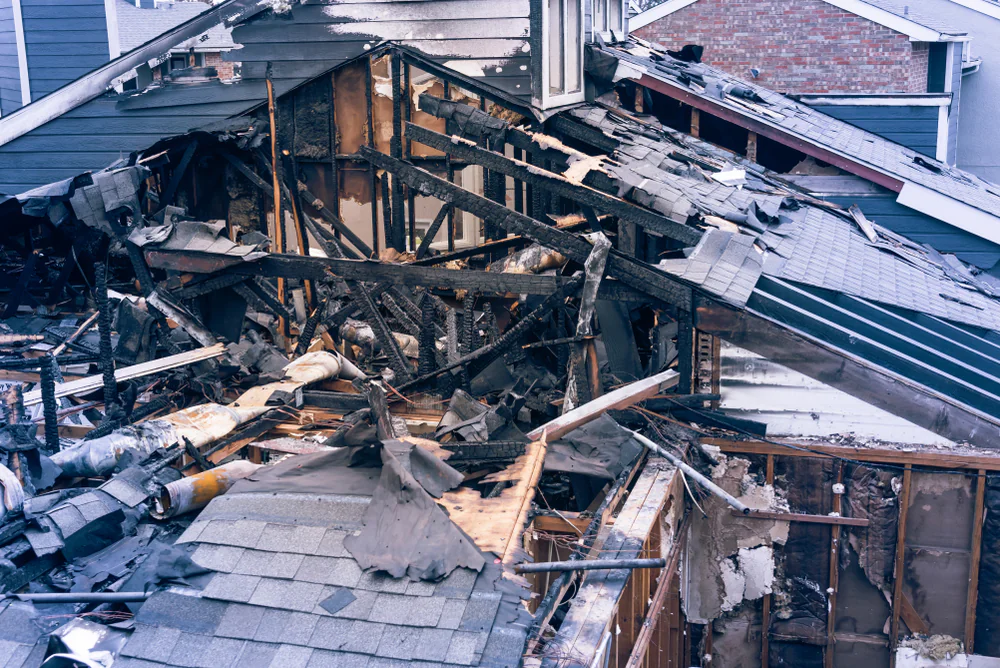
Fire restoration isn’t just about scrubbing walls. You’re dealing with smoke damage that’s traveled through your HVAC system, soot that’s settled on every horizontal surface, and water damage from fire hoses that’s now sitting in your crawl space.
We handle all of it. Smoke damage cleanup includes treating walls, ceilings, and contents with the right cleaning agents for each material—what works on metal will ruin fabric. Soot removal involves HEPA vacuuming before any wet cleaning, because wiping soot just smears it deeper into porous surfaces.
If firefighters used water, we’re extracting it from carpets and padding, setting up dehumidifiers and air movers, and monitoring moisture levels in framing lumber and subfloors. Pecksburg’s older housing stock often has hardwood floors that can be saved if they’re dried correctly within the first 48 hours.
We also clean or replace HVAC filters and ductwork, because smoke residue in your ventilation system will keep recirculating odors for months. Contents pack-out and storage is available if you need items removed and cleaned off-site while reconstruction happens.
Our crews wear shoe covers, set up dust barriers, and treat your property like it’s our own. You’ll get a dedicated claims liaison who speaks directly with your insurance company, so you’re not playing phone tag between your adjuster and the restoration crew.
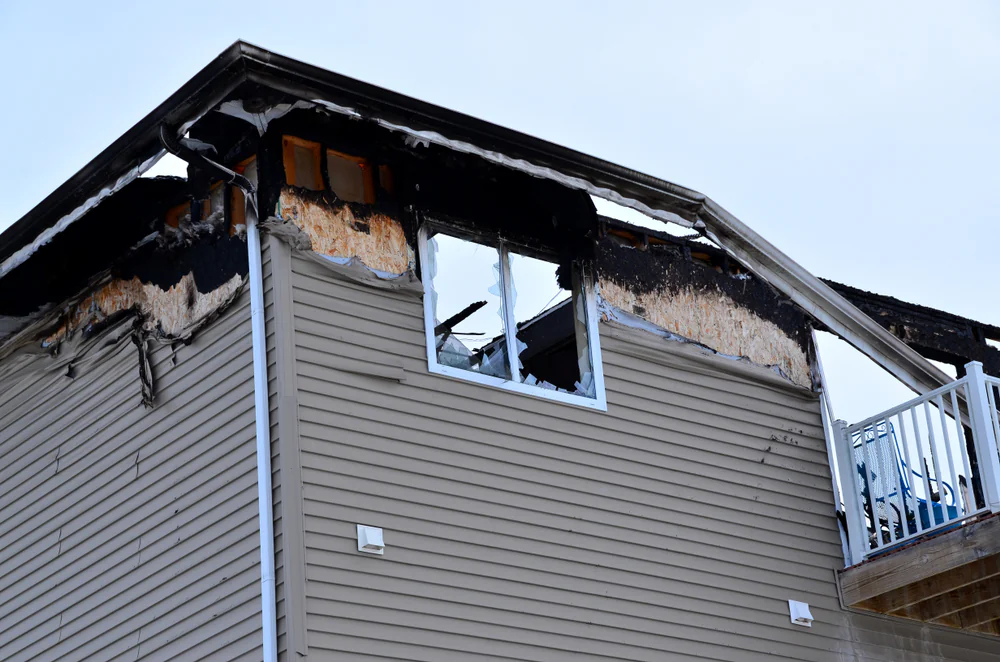
Call immediately—as in, the same day the fire department clears the scene. Fire damage doesn’t pause while you figure out your next steps. Acid soot starts etching into glass and corroding metal within hours. Smoke residue keeps penetrating drywall and insulation the longer it sits.
Water damage from firefighting efforts is on an even tighter clock. If standing water or soaked materials aren’t addressed within 24 to 48 hours, mold starts colonizing. Once that happens, you’re paying for mold remediation on top of fire restoration.
The faster we can get equipment running and start documentation, the lower your total restoration cost will be. Insurance companies also look more favorably on claims where mitigation started promptly, because it shows you took reasonable steps to prevent further damage.
Most homeowner policies cover fire damage restoration, including smoke and soot cleanup, water damage from firefighting, and even temporary living expenses if your home is uninhabitable. But coverage depends on your specific policy, your deductible, and how the fire started.
We work directly with insurance companies every day, and we know how to document damage in a way that adjusters can approve without unnecessary delays. Our estimates are built in Xactimate, which is the same software most carriers use, so there’s no translation gap between what we’re proposing and what they’re willing to pay.
Your claims liaison will handle the back-and-forth with your adjuster, submit all required documentation, and flag any coverage questions early so you’re not surprised later. If you’re not sure what your policy covers, we can walk you through your declaration page and explain what to expect before work starts.
It depends on the extent of the damage, but most residential fire restoration projects take anywhere from one week to several weeks. A small kitchen fire with minimal smoke spread might be wrapped up in five to seven days. A whole-house fire with structural damage and water intrusion could take a month or more.
Drying time is usually the longest phase, because we can’t start rebuilding until moisture levels are back to normal. Rushing that process just traps moisture behind new drywall, which leads to mold and rot down the line.
You’ll get a realistic timeline during the initial assessment, and we’ll update you every 48 hours as work progresses. If something changes—like we find hidden water damage once we open up a wall—we’ll explain what that means for the schedule and get adjuster approval before adding scope.
It depends on the severity of the damage and what part of the house was affected. If the fire was contained to one room and there’s no structural risk, you might be able to stay in unaffected areas while we work. But if there’s widespread smoke damage, active demolition, or compromised air quality, it’s usually safer to stay elsewhere.
Soot and smoke particulates are respiratory irritants, especially for kids, elderly family members, or anyone with asthma. Running HEPA air scrubbers helps, but demolition and cleaning stir up a lot of debris. We’ll set up containment barriers and negative air pressure to protect the rest of the house, but that doesn’t make the work zone comfortable to live around.
If your policy includes Additional Living Expenses (ALE) coverage, your insurance will typically pay for a hotel or rental while your home is being restored. We can help you understand what’s covered and how to file that part of your claim.
Fire restoration requires specialized equipment, cleaning agents, and techniques that regular cleaning companies don’t have. Soot isn’t just dirt—it’s acidic, oily, and it bonds to surfaces in a way that household cleaners can’t touch. Using the wrong product or method can actually set the stain permanently or damage the material you’re trying to save.
We use different approaches depending on what we’re cleaning. Protein-based smoke residue (from burned food or natural materials) needs enzyme cleaners. Synthetic smoke residue (from plastics or foam) requires solvent-based products. Porous materials like drywall and insulation often can’t be cleaned at all—they have to be removed and replaced.
Then there’s the water damage component. Firefighting efforts usually dump hundreds of gallons of water into your home, and that has to be extracted and dried using commercial dehumidifiers, air movers, and moisture monitoring equipment. A regular cleaning crew doesn’t carry that gear or know how to interpret moisture readings in structural materials. Fire restoration is a multi-phase process that involves mitigation, cleaning, drying, odor control, and reconstruction—not something you can handle with a mop and a bottle of Lysol.
Smoke odor doesn’t just sit on surfaces—it penetrates porous materials like drywall, insulation, carpet, and upholstery. You can scrub walls all day and still smell it because the odor molecules are embedded in the material itself. That’s why air fresheners and ozone machines alone don’t solve the problem.
We start by removing any materials that can’t be saved, like burned insulation or carpet padding that’s absorbed smoke and water. Then we clean all salvageable surfaces with commercial-grade smoke neutralizers that break down odor molecules instead of just masking them.
HVAC systems get special attention because smoke travels through ductwork and settles in filters and vents. If we don’t clean or replace those components, the smell recirculates every time your furnace or AC runs. After cleaning, we use hydroxyl generators or thermal fogging to treat the air and any remaining porous materials. Hydroxyls are safe to use in occupied spaces and break down odor molecules at a molecular level. Thermal fogging uses a heated deodorizing agent that penetrates the same places smoke did, neutralizing odors in cracks, crevices, and behind walls. The process takes time, but when it’s done right, the smell is gone—not covered up.
Other Services we provide in Pecksburg