Hear from Our Customers
You’re not wondering if the smoke smell will ever leave. You’re not guessing whether your insurance will cover it. You’re not waiting days for someone to show up and tell you what comes next.
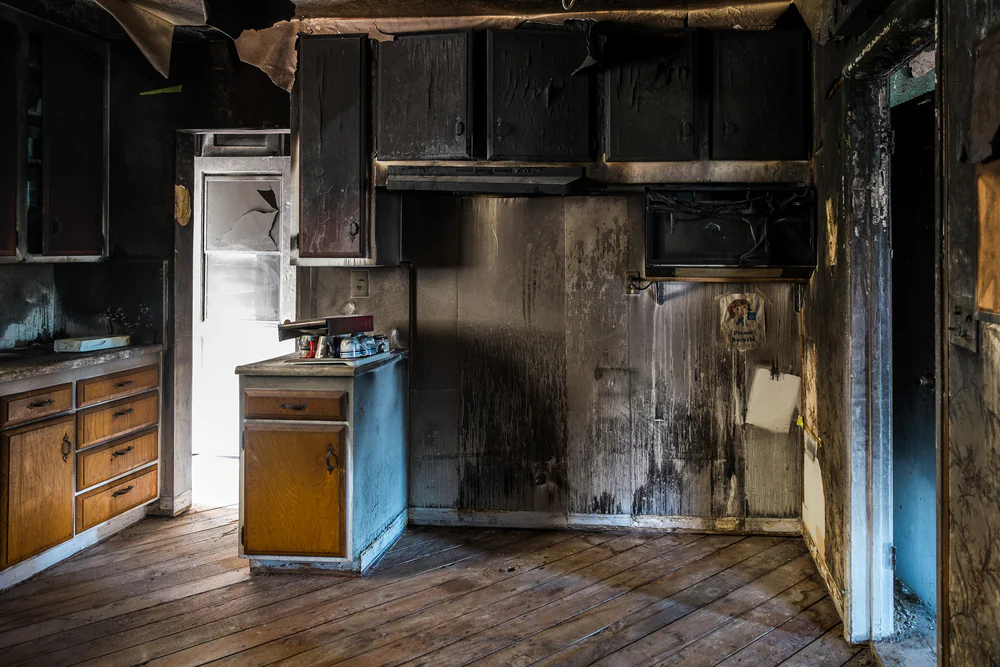
The soot is gone from your walls. The HVAC system has been cleaned so smoke isn’t recirculating through your home. Your belongings that could be saved were packed out, cleaned, and returned. The structural repairs are done right, with proper permits and materials. You have documentation for every step, so your claim moves forward without confusion.
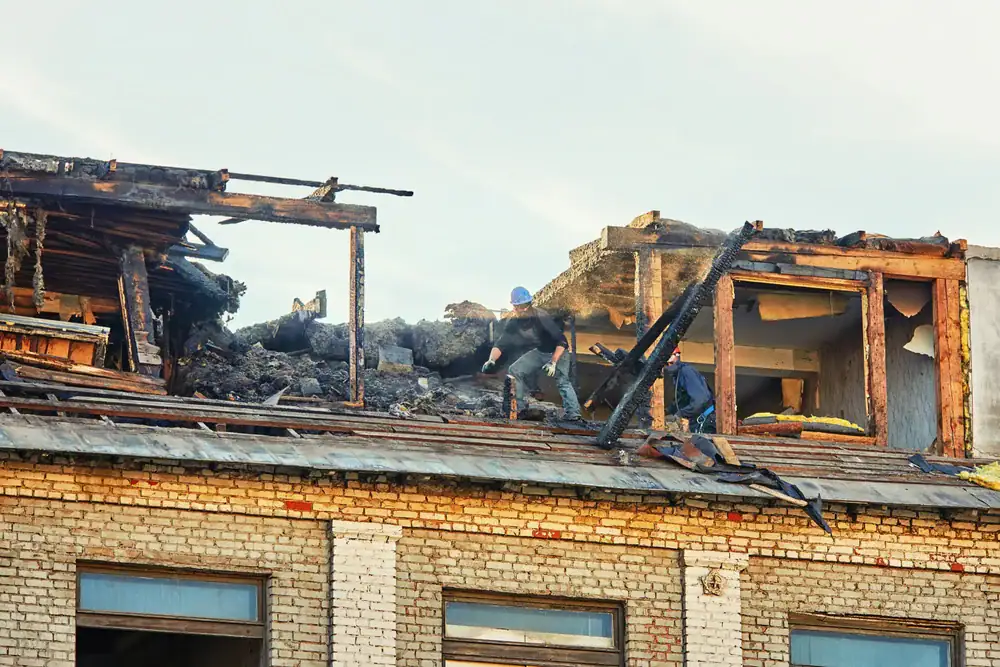
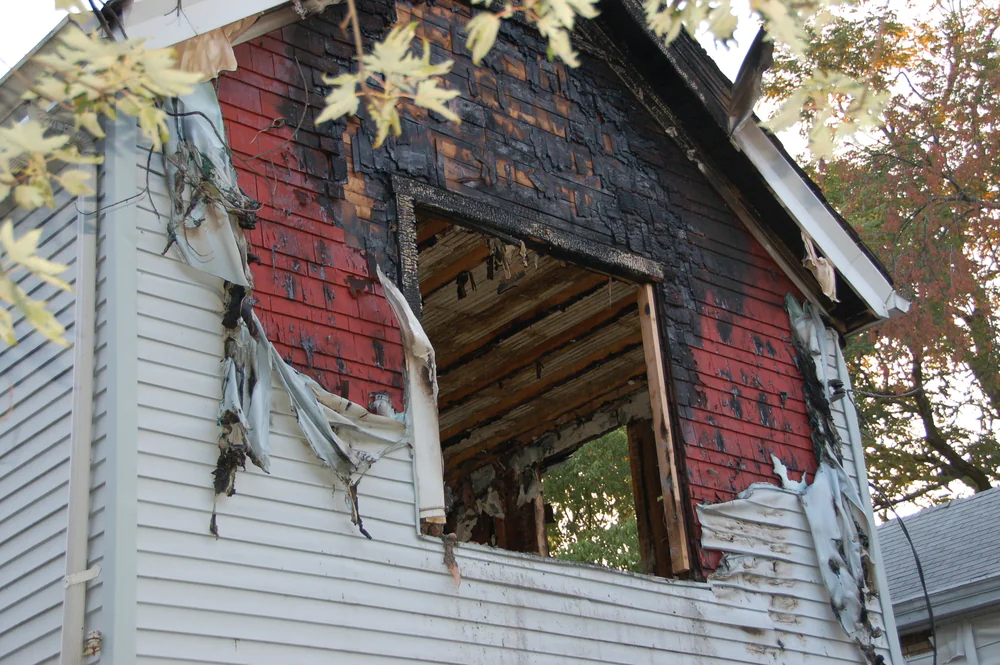
That’s what fire damage restoration should look like. You get your property back in livable condition, your insurance company gets the proof they need, and you’re not left managing the chaos on your own. The faster the response, the less permanent damage you’re dealing with—and the sooner you’re back to normal.
We’ve been handling fire and smoke restoration in Riverwood, IN and the greater Indianapolis area since 2016. We’re IICRC-certified in Water Damage Restoration, Applied Structural Drying, and Applied Microbial Remediation—which matters because fire scenes almost always involve water damage from firefighting efforts, and improper drying leads to mold within 48 hours.
We’re also EPA RRP certified for safe handling of hazardous materials, BBB accredited with an A+ rating, and we carry the credentials your insurance company expects to see. You’ll reach a live person when you call our emergency line, and we’re typically on-site within 60 to 90 minutes. Riverwood’s older housing stock and Indiana’s humidity make fire restoration more complex—smoke odor gets trapped, wood absorbs moisture fast, and soot causes corrosion if it’s not removed within 72 hours.
We’ve seen what happens when restoration gets delayed or done wrong. That’s why we move fast, document everything, and communicate clearly from the first call through your final walkthrough.
You call our 24/7 line and speak to a real person—not a voicemail. We ask a few questions about the fire, the visible damage, and whether the property is safe to enter. Then we’re on the way, usually within 60 to 90 minutes.
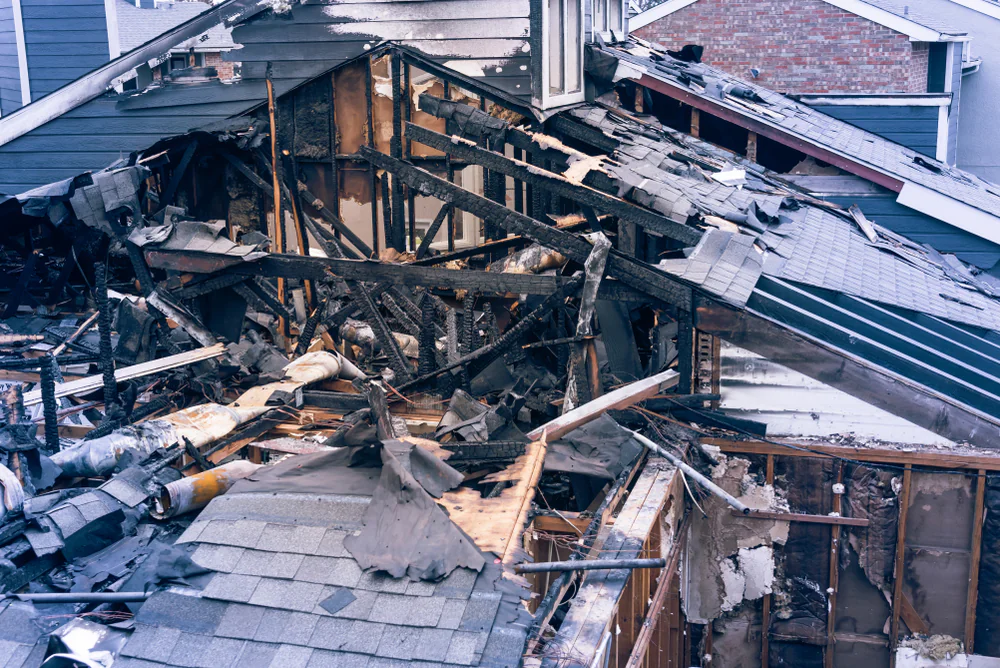
Once on-site, we assess the full scope: fire damage, smoke migration, water from firefighting, structural safety, and what needs immediate containment. We tarp or board up openings, set up HEPA filtration and containment barriers to protect undamaged areas, and start emergency mitigation—that means pulling out soaked materials, extracting standing water, and removing loose soot before it stains permanently.
Within 24 hours, you get photos, a moisture map, and a documented scope of work. We align our estimates with Xactimate so your insurance adjuster sees pricing they recognize. Every 48 hours after that, you get a progress update—no guessing, no waiting by the phone.
We handle contents pack-out if your belongings need off-site cleaning or storage. We clean your HVAC ducts so smoke smell doesn’t keep recirculating. We remove damaged materials, treat for odor with hydroxyl or ozone technology depending on the situation, and then move into full reconstruction—drywall, paint, flooring, whatever the fire took.
Before we call it done, you get a walkthrough. Fourteen days later, we follow up to make sure you’re satisfied and nothing was missed.
Ready to get started?
Fire restoration isn’t just about cleaning up what you can see. Smoke travels through your HVAC system in about 90% of structural fires, which is why duct cleaning is part of our standard process in Riverwood. Soot is acidic—if it sits on metal surfaces for more than 72 hours, corrosion starts. That’s why speed matters.
Our fire and smoke restoration services include emergency board-up and tarping, water extraction and structural drying (because firefighting efforts leave behind gallons of water), soot and smoke residue removal from all surfaces, thermal fogging or ozone treatment for odor elimination, contents cleaning and pack-out, HVAC cleaning, demolition of unsalvageable materials, and full reconstruction. We also handle the insurance side—we’ll meet with your adjuster, provide documentation, and use Xactimate pricing so there’s no back-and-forth over line items.
Riverwood properties, especially older homes, often have plaster walls, wood framing, and crawl spaces that complicate fire cleanup. Smoke gets into every crack. Water soaks into subfloors. We’ve handled all of it. If your property also has asbestos or lead paint—common in pre-1980s Indiana homes—we’re EPA-certified to manage that safely during demolition and reconstruction.
You’re not just getting cleanup. You’re getting a property returned to you in pre-loss condition, with every step documented and every surface tested to make sure it’s safe.
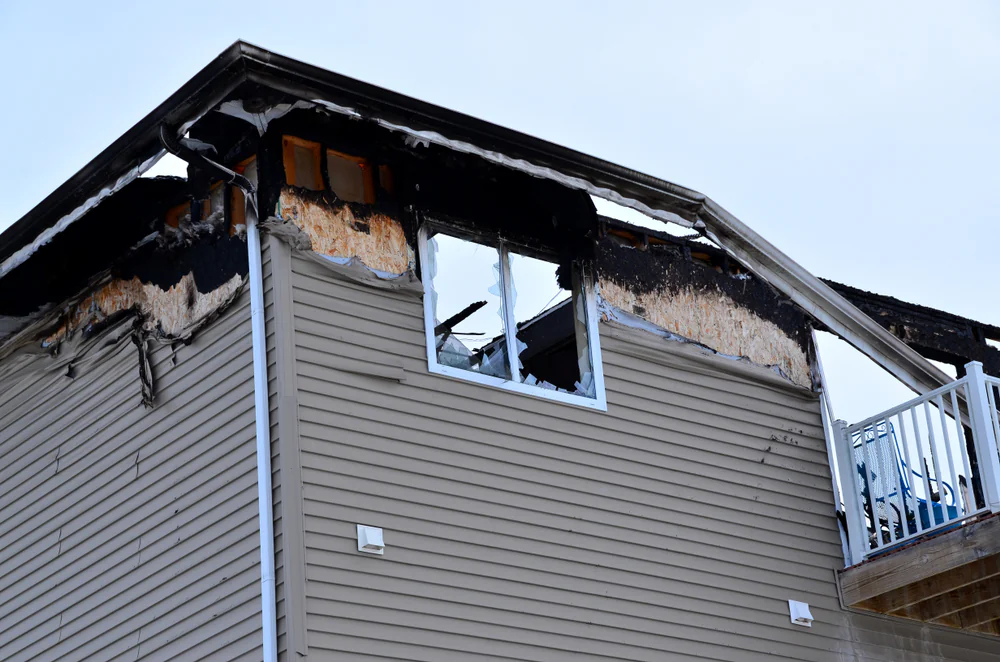
Restoration should start within 24 to 48 hours if you want to prevent permanent damage. Smoke residue begins staining porous surfaces like drywall and wood within minutes, and soot starts corroding metals within 72 hours. The longer it sits, the deeper it penetrates—and the more expensive it becomes to fix.
Water damage from firefighting efforts adds another clock. If wet materials aren’t dried within 48 hours, mold starts growing. In Riverwood’s humid Indiana climate, that window can be even shorter during summer months. You’re not just dealing with fire damage—you’re racing against secondary damage that makes everything worse.
That’s why we respond within 60 to 90 minutes. We start mitigation immediately: extracting water, removing wet materials, setting up dehumidifiers and air movers, and cleaning soot before it sets. The faster we start, the more we can save—and the lower your total restoration cost will be.
Most homeowner and commercial property policies cover fire damage, including the cost of smoke cleanup, water extraction from firefighting, contents restoration, and reconstruction. But coverage depends on your specific policy, your deductible, and how the fire started. Your insurance company will send an adjuster to assess the damage and determine what’s covered.
We work directly with insurance companies every day. We’ll meet with your adjuster, provide detailed photo documentation, moisture readings, and a line-item estimate using Xactimate—the same software most insurers use. That alignment speeds up approval and reduces disputes over pricing. We can also help you understand your policy and what to expect during the claims process.
You’re responsible for your deductible, and sometimes there are coverage limits on certain items like electronics or jewelry. But the core restoration work—structure, smoke cleaning, water mitigation—is almost always covered if the fire was accidental. We’ll walk you through it so you’re not guessing what you’ll owe or what gets approved.
It depends on the extent of the damage. A small kitchen fire with localized smoke damage might take two to three weeks. A whole-structure fire that requires gutting and rebuilding can take two to four months. The timeline is affected by how much demolition is needed, whether we’re waiting on permits, how long materials take to dry, and whether there are any hazardous materials like asbestos that need abatement.
Emergency mitigation—water extraction, board-up, soot removal—happens in the first 24 to 72 hours. Drying and dehumidification usually takes three to five days depending on how much water was used to fight the fire. Once everything is dry and cleaned, we move into reconstruction: framing, drywall, electrical, plumbing, flooring, paint. That’s where the bulk of the time goes.
We’ll give you a realistic timeline after the initial inspection, and we update you every 48 hours so you know where we are in the process. Riverwood projects sometimes face delays with permit approval or material availability, but we stay on top of it and keep you informed. You won’t be left wondering when you can move back in.
Yes, but it takes the right equipment and process—not just air fresheners or repainting. Smoke odor comes from tiny particles that penetrate porous materials like drywall, insulation, wood, and fabric. If those particles aren’t neutralized or removed, the smell comes back, especially when humidity rises or the HVAC system kicks on.
We use a combination of methods depending on the severity. HVAC ducts get cleaned because smoke travels through ductwork in about 90% of fires. We remove any materials that are too saturated to save—like insulation or carpet padding. Then we treat surfaces with hydroxyl generators or ozone machines, which break down odor molecules at a chemical level. Ozone is effective in about 85% of structural fire cases, but it requires the space to be unoccupied during treatment.
We also seal surfaces before repainting, using odor-blocking primers that trap any remaining particles. If contents like furniture or clothing are affected, we pack them out for specialized cleaning or ozone treatment off-site. The goal is complete odor elimination—not just masking it. If you can still smell smoke two weeks after we’re done, we come back. That’s part of our 14-day follow-up.
It depends on what was damaged and how severely. Some items can be cleaned and restored on-site. Others need to be packed out, taken to a controlled facility, cleaned with specialized equipment, and stored until your property is ready. And some items—especially anything with heavy soot saturation or heat damage—can’t be saved and need to be documented for your insurance claim.
We do a full contents inventory during the initial assessment. Soft goods like clothing, curtains, and upholstery can often be restored using ozone treatment and professional cleaning. Electronics are tricky—smoke residue is conductive and corrosive, so we work with specialists who can disassemble and clean sensitive equipment. Hard surfaces like furniture, dishes, and decor usually clean up well if they weren’t directly burned.
Everything we pack out is photographed, labeled, and tracked. You’ll get a contents list for your insurance company, and we store items in a climate-controlled space until reconstruction is done. When your property is ready, we bring everything back and place it where you want it. You’re not sorting through boxes in a garage or paying for a storage unit on your own. We handle it end to end.
In most cases, yes—at least during the mitigation and demolition phases. Soot contains toxic particles, and disturbing it during cleanup releases those into the air. If we’re using ozone treatment for odor removal, the space has to be unoccupied because ozone is a respiratory irritant. And if there’s significant demolition or asbestos abatement, it’s not safe or comfortable to be on-site.
Your insurance policy may cover Additional Living Expenses (ALE), which pays for temporary housing like a hotel or rental while your home is uninhabitable. We’ll document the conditions and timeline so you can file that claim. Some smaller fires—like a single-room event with no structural damage—might allow you to stay in another part of the house if we can seal off the work area with containment barriers.
We’ll tell you upfront whether you need to relocate and for how long. Once the heavy work is done—cleaning, drying, odor treatment, demolition—and we move into reconstruction, you might be able to return depending on the scope. We keep the site as clean as possible, wear shoe covers, and run HEPA filtration to protect unaffected areas. But your safety and comfort come first. If it’s not safe or livable, we’ll let you know.
Other Services we provide in Riverwood