Hear from Our Customers
The fire trucks leave. The adrenaline fades. Then you’re standing there looking at soot on the walls, water from the hoses soaking your floors, and that smoke smell in everything you own.
Here’s what most people don’t realize: you’ve got maybe 24 to 48 hours before temporary damage becomes permanent. Acid soot starts corroding metal. Smoke odor sets into porous surfaces. Moisture creates mold. The longer you wait, the more you lose and the more you pay.
Fire restoration isn’t about making things look better eventually. It’s about stopping secondary damage right now, documenting everything your insurance needs to see, and getting your space livable again without you having to become a restoration expert overnight. You get your property back in pre-loss condition. You get clear answers about timing and cost. You get one company handling the whole job so you’re not coordinating five different contractors while you’re already stressed.
We’ve been handling fire and smoke restoration in Samaria and throughout central Indiana since 2016. We’re IICRC-certified in Water Damage Restoration, Applied Structural Drying, and Applied Microbial Remediation—the credentials that matter when insurance adjusters and property owners need proof you know what you’re doing.
We answer our phone 24/7 with a real person, not a voicemail system. Our average on-site arrival time is 60 to 90 minutes because we know that speed directly affects your final repair bill. We’re BBB-accredited, we align our pricing with Xactimate so your insurance claim goes smoother, and we assign you a dedicated claims liaison who handles the paperwork you don’t want to figure out right now.
Samaria properties—especially older homes—face specific risks from Indiana’s freeze-thaw cycles, high humidity, and severe storm season. We’ve built our protocols around those realities, not some generic national playbook.
First, we get someone on-site fast—usually within 60 to 90 minutes. We do a full damage assessment, take detailed photos, and use moisture mapping tools to find hidden water damage from firefighting efforts. You get a written report within 24 hours that documents everything for your insurance claim.
Next, we contain the affected areas with physical barriers and HEPA filtration so soot and smoke odor don’t spread to undamaged rooms. We remove standing water, pull out unsalvageable materials, and start the drying process. If your contents need professional cleaning or temporary storage, we handle pack-out and inventory.
Then comes the actual restoration work: soot and smoke residue removal, odor neutralization (not just masking), HVAC duct cleaning if smoke traveled through your system, and full cleaning of salvageable contents. We update you every 48 hours with progress reports so you always know where the job stands. After we’re done, we walk the property with you and follow up again in 14 days to make sure nothing was missed.
Ready to get started?
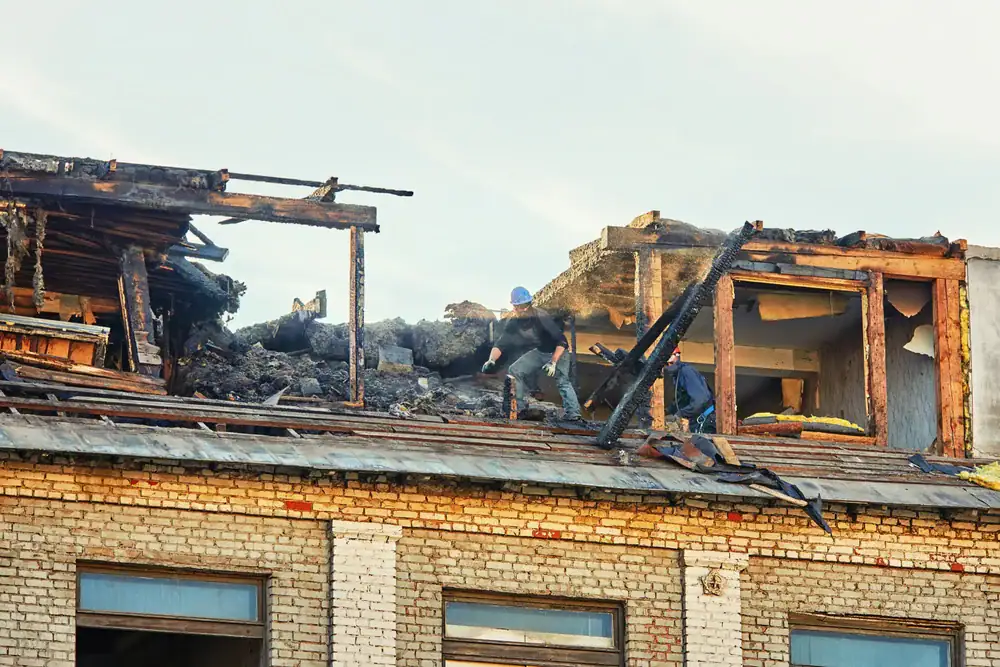
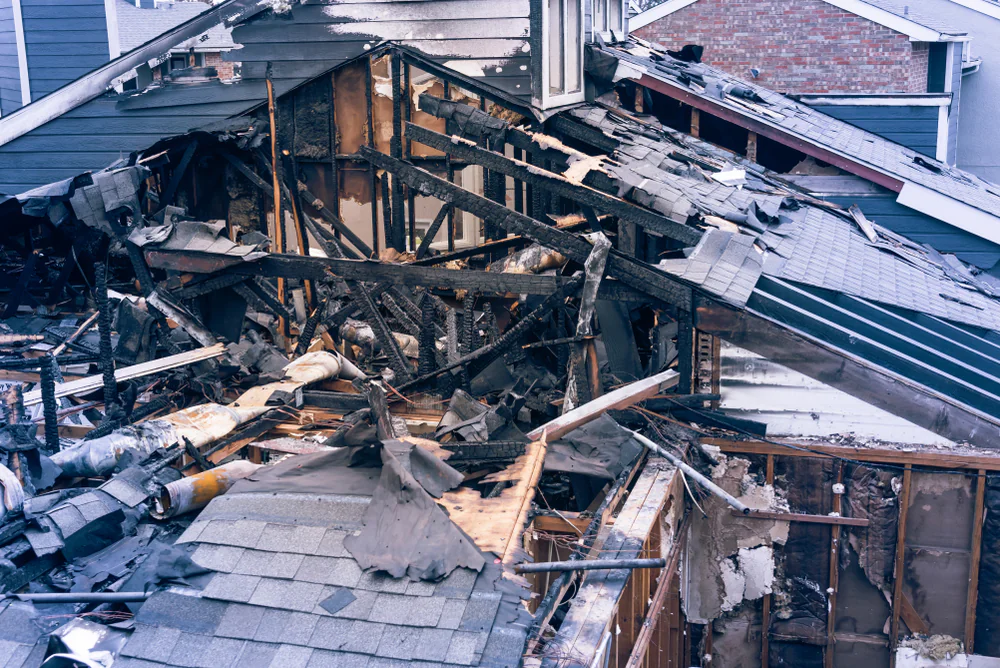
Fire restoration means handling everything fire, smoke, and water damaged in one project. That includes emergency board-up if windows or doors were compromised, soot and ash removal from all surfaces, smoke odor elimination using thermal fogging or ozone treatment, and complete water extraction and drying from fire hoses.
In Samaria, we see a lot of older homes with porous materials—wood paneling, plaster, original hardwood—that absorb smoke odor quickly. Indiana’s humidity makes that worse. We don’t just spray air freshener and call it done. We treat the source: deep cleaning, sealing, and in some cases, removing materials that can’t be saved.
You also get contents cleaning and pack-out, HVAC system cleaning (because smoke travels through ductwork and recontaminates your air), and help coordinating with your insurance adjuster. We’re EPA RRP compliant where applicable, and we protect unaffected areas with shoe covers and containment barriers because the last thing you need is soot tracked into clean rooms. If the damage involves biohazards or trauma cleanup, we handle that too with the same speed and discretion.
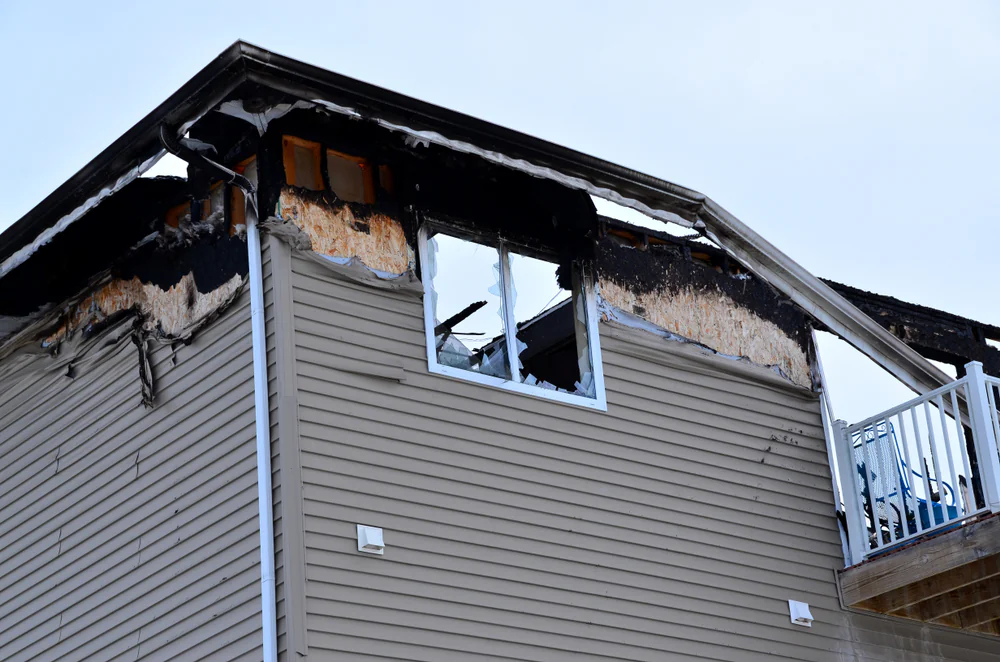
We typically arrive on-site within 60 to 90 minutes of your call, any time of day or night. Speed matters because secondary damage from soot, smoke, and water starts immediately.
Our phone is answered 24/7 by a real person, not an answering service. When you call, we dispatch a certified technician who brings moisture meters, thermal imaging cameras, and containment equipment on the first trip. You’re not waiting until Monday morning or the next business day—fire damage doesn’t pause for weekends, and neither do we.
That first visit includes a full visual inspection, moisture mapping, photo documentation, and an initial scope of work. You’ll have a written assessment within 24 hours that your insurance company can use to start your claim.
Most homeowner and commercial property policies cover fire damage restoration, including smoke and soot cleanup, water damage from firefighting efforts, and temporary living expenses if your home isn’t livable. But every policy is different, and coverage depends on your specific limits, deductibles, and exclusions.
We work directly with your insurance adjuster and provide documentation in the format they need—photos, moisture readings, detailed line-item estimates using Xactimate software that aligns with what insurers expect to see. Our claims liaison handles the back-and-forth so you’re not translating restoration language into insurance language yourself.
If you’re not sure what your policy covers, call us anyway. We’ll review your situation, explain what’s typically covered, and help you file accurately the first time. For non-insurance jobs, we offer discounts for military members, seniors, first responders, and teachers.
It depends on the size of the fire, how much smoke spread, and whether there’s water damage from fire hoses. A small kitchen fire with localized smoke might take one to two weeks. A whole-structure fire with significant water intrusion can take four to eight weeks or longer.
Here’s what affects the timeline: drying time for wet materials (usually three to five days with commercial dehumidifiers and air movers), soot and smoke cleaning (varies by surface type), odor treatment (can require multiple passes), and rebuild work if structural materials need replacement. Indiana’s humidity can extend drying time, especially in basements and crawl spaces.
We give you a realistic timeline during the initial assessment and update you every 48 hours as the job progresses. If something changes—we find hidden damage, your insurance approves additional work, or materials are back-ordered—you’ll know immediately, not three weeks later.
It depends on the extent of the damage and what work we’re doing. If the fire was contained to one room and we’re able to seal off that area with containment barriers and HEPA filtration, you can often stay in the unaffected parts of your home.
If there’s significant smoke odor throughout the house, active demolition, or safety concerns like compromised structure or electrical issues, your insurance may cover a hotel stay while we work. We’ll be honest with you during the assessment about whether staying is realistic or just uncomfortable.
Some homeowners choose to stay even when it’s not ideal because of pets, kids’ school schedules, or just wanting to keep an eye on their property. We get it. If you do stay, we use containment plastic, run air scrubbers to control dust and odor, and work in sections to minimize disruption. You won’t have strangers wandering your whole house—we keep work zones clearly defined and clean up daily.
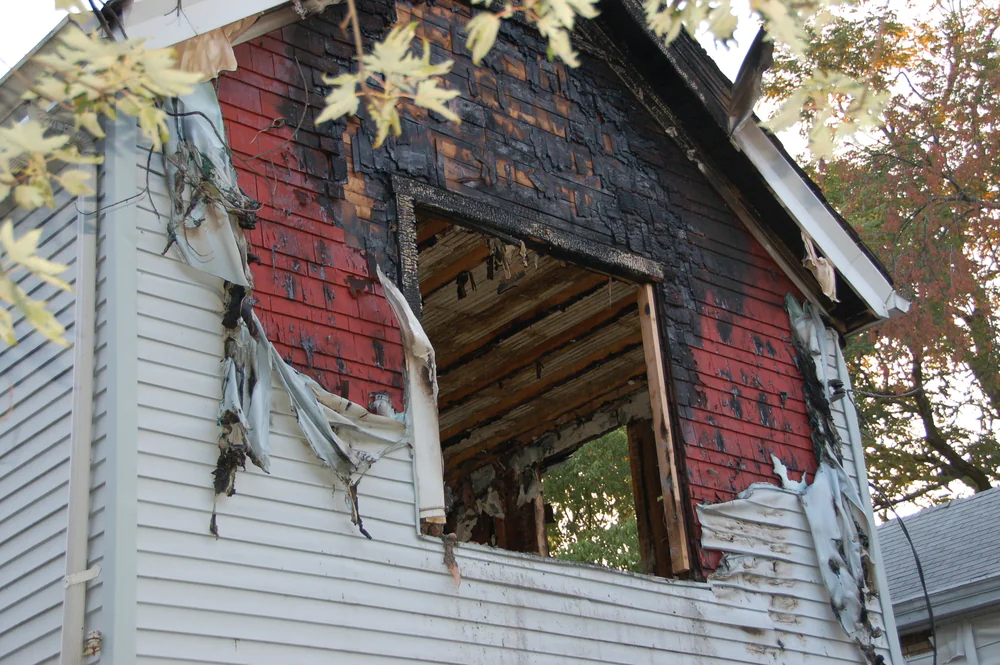
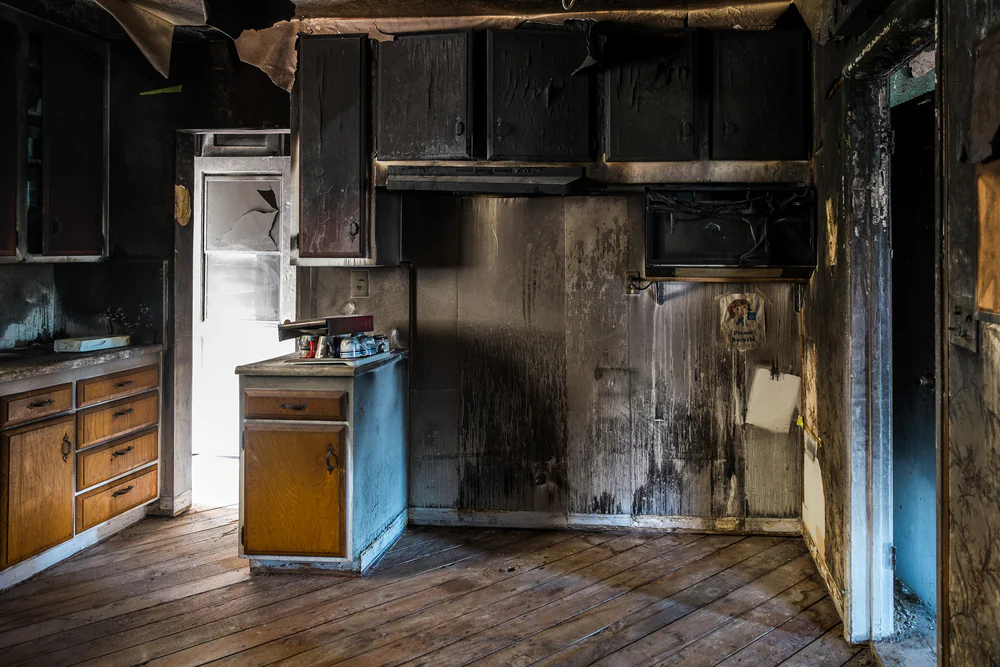
Fire damage is the direct destruction from flames—burned materials, charred structure, melted belongings. Smoke damage is what happens in areas the fire never touched: soot residue on walls and ceilings, odor embedded in fabrics and porous surfaces, and discoloration from heat and acidic particles.
Smoke is often the bigger problem. It travels through your HVAC system, seeps into closets and cabinets, and coats everything with a film that’s acidic and corrosive. If you don’t remove it properly within 48 to 72 hours, it permanently stains surfaces and starts corroding metals. You can’t just wipe it off with household cleaners—different types of smoke (protein, petroleum, synthetic) require different cleaning agents and techniques.
We treat both. Fire damage means removing destroyed materials, drying out water from fire hoses, and stabilizing structure. Smoke damage means deep cleaning with commercial-grade products, thermal fogging or ozone treatment for odor, HVAC duct cleaning, and content restoration. One fire can create both types of damage in different areas of your property, and both need professional attention to prevent long-term problems.
We don’t file the claim for you—that’s something you need to initiate with your insurance company—but we handle almost everything after that. You get a dedicated claims liaison who coordinates directly with your adjuster, provides all required documentation, and answers their questions in the language they expect.
That includes detailed photo documentation of all damage, moisture maps showing where water infiltrated, a line-item estimate using Xactimate software (the same system most insurers use), and progress photos as work is completed. If your adjuster needs additional information or wants to schedule a site visit, we coordinate that.
We’ve worked with every major carrier operating in Indiana. We know what they require, how they calculate depreciation, and what documentation prevents your claim from getting delayed. Our pricing aligns with Xactimate rates, so there’s no sticker shock when your adjuster reviews our estimate. You’re not stuck in the middle translating between restoration work and insurance terms—we make the process as straightforward as it can be when you’re already dealing with fire damage.
Other Services we provide in Samaria