Hear from Our Customers
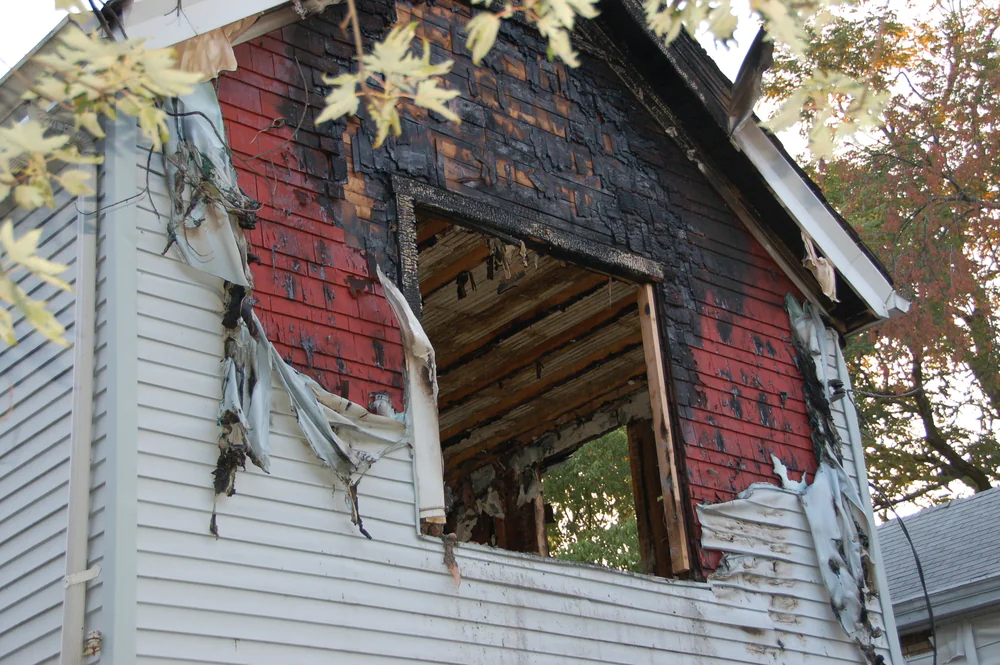
You’re not wondering if the soot in your attic is going to make your family sick. You’re not arguing with your insurance adjuster about what’s covered. You’re not waiting three months for someone to call you back.
Your home smells normal again. The charred drywall is gone, the HVAC system is clean, and your belongings that could be saved are back where they belong. You have a file full of photos, moisture maps, and progress reports that your adjuster actually accepted.
The structure passed inspection. You’re not displaced anymore. And you didn’t pay out of pocket for work your policy should have covered, because we handled the documentation and billing from day one.
We’ve been running 24/7 emergency response across Hamilton County since 2016. We’re IICRC-certified in fire and smoke restoration, which means our techs follow the same protocols adjusters expect to see when they walk your property.
We’re not a franchise. You call us, you get us. Same crew, same truck, same standards whether it’s a kitchen fire in Strawtown or smoke damage from a chimney backup near Noblesville.
We work directly with State Farm, Nationwide, Farmers, Indiana Farm Bureau, USAA, and over a dozen other carriers. Most of our jobs are insurance-backed, so we know what documentation survives claims review and what gets kicked back.
You call our live-answer line. We don’t route you to a call center. You talk to someone who can dispatch a truck to Strawtown in the next hour, sometimes faster.
Our crew arrives and walks the property with you. We’re looking for structural stability, active hazards, and hidden smoke damage in places you wouldn’t think to check—attic insulation, HVAC ducts, wall cavities. We document everything with photos and notes before we move a single item.
If your adjuster hasn’t been out yet, we coordinate that visit. We use the same Xactimate software they do, so our scope and their estimate line up. No surprises, no disputes over what’s reasonable.
We set up containment and HEPA filtration to keep soot from spreading into clean areas. Then we remove unsalvageable materials, pull out contents that can be cleaned or stored, and start the actual restoration—drying, deodorizing, rebuilding. You get progress updates every 48 hours until the job is done.
When we’re finished, you walk the property with us. If something doesn’t look right, we handle it before you sign off. Fourteen days later, we follow up to make sure nothing was missed.
Ready to get started?
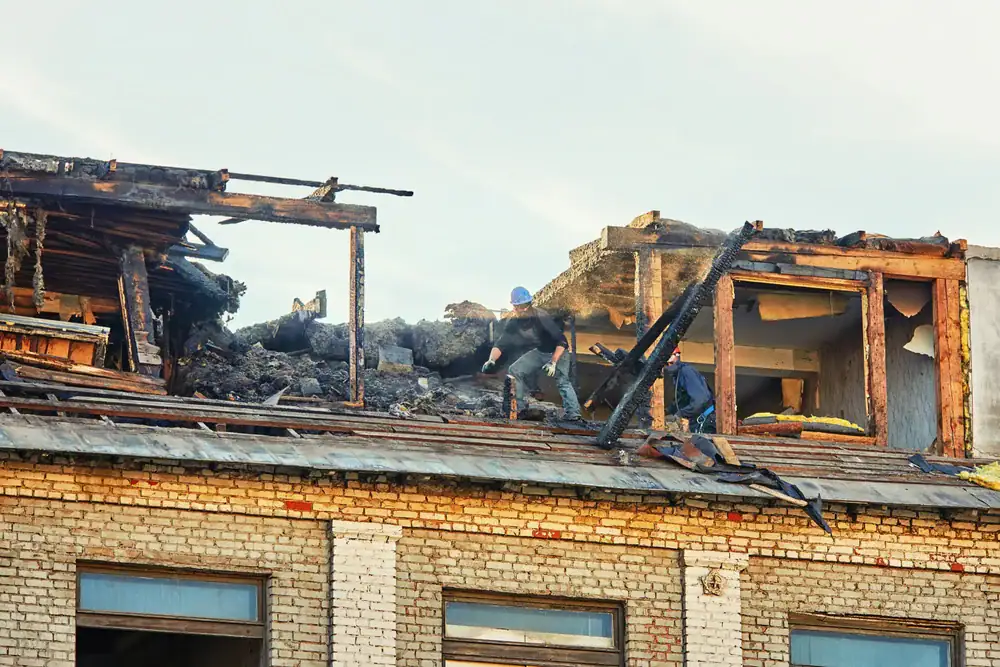
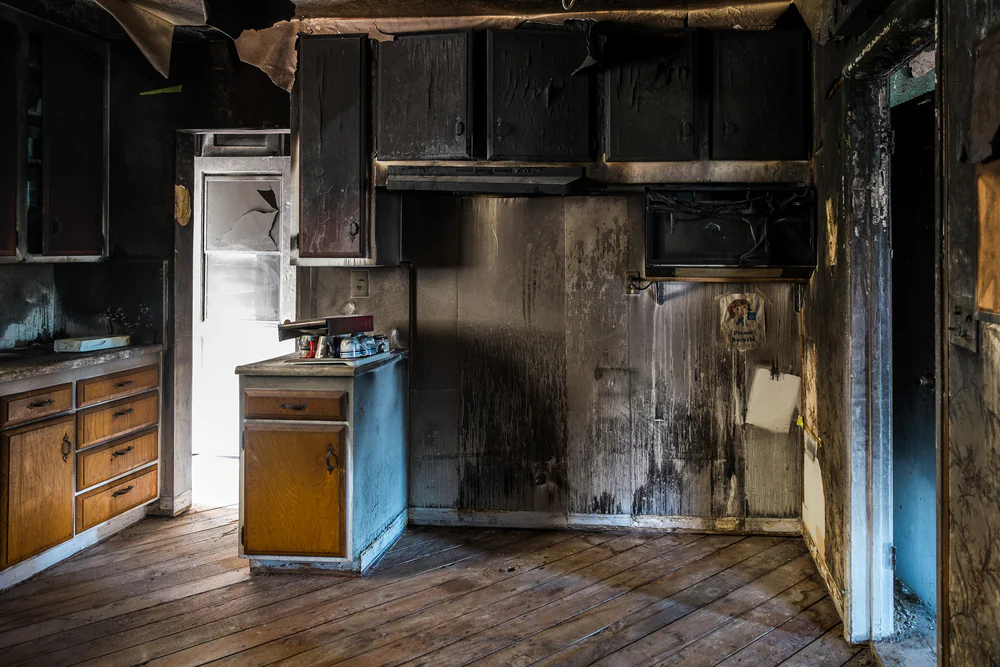
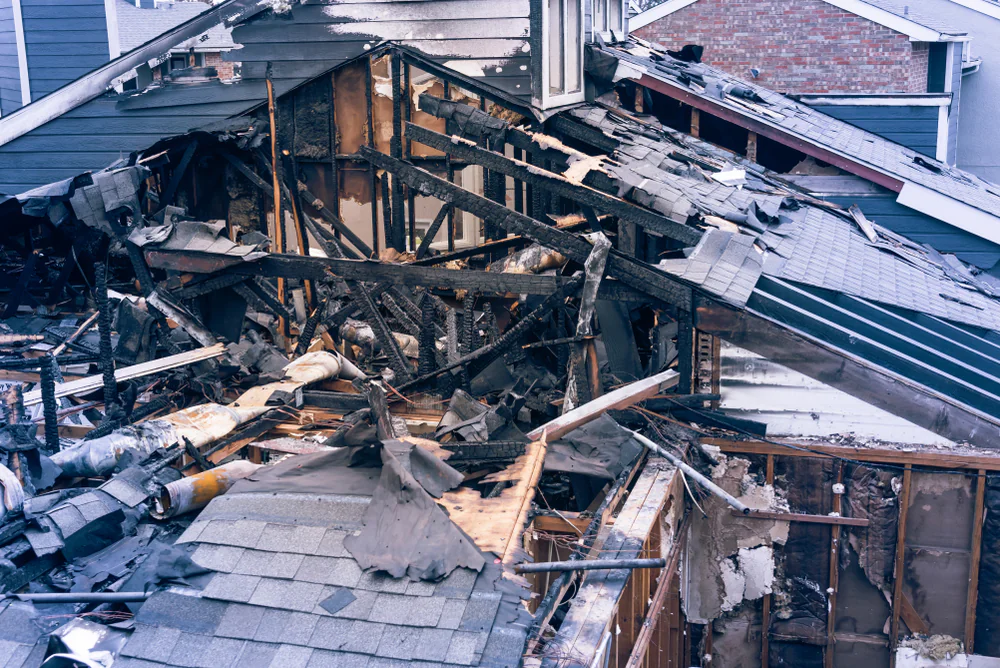
Fire damage restoration in Strawtown isn’t just cleaning up what you can see. Soot travels through your HVAC system. Smoke odor embeds in insulation, subflooring, and ductwork. Water from the fire department sits in wall cavities and under flooring, breeding mold within 48 hours if it’s not extracted.
We handle all of it. Structural drying with commercial dehumidifiers and air movers. Soot and smoke residue removal from walls, ceilings, and contents. Thermal fogging and hydroxyl generators for odor neutralization—not just covering it up with spray. HVAC duct cleaning so you’re not recirculating contaminated air every time the furnace kicks on.
If your belongings need to be moved out during repairs, we pack, inventory, and store them in a climate-controlled facility. When the work is done, we bring everything back. Hamilton County has seen its share of chimney fires and electrical issues in older homes, especially during winter. We’ve restored properties in Strawtown, Cicero, and Noblesville where the visible fire damage was minimal but the smoke infiltration was severe. That’s where certification matters—knowing where to look and how to test for hidden contamination.
You’re also getting a dedicated claims liaison. Someone who answers when your adjuster has questions, who sends updated estimates when scope changes, and who makes sure your invoice reflects what was actually approved.
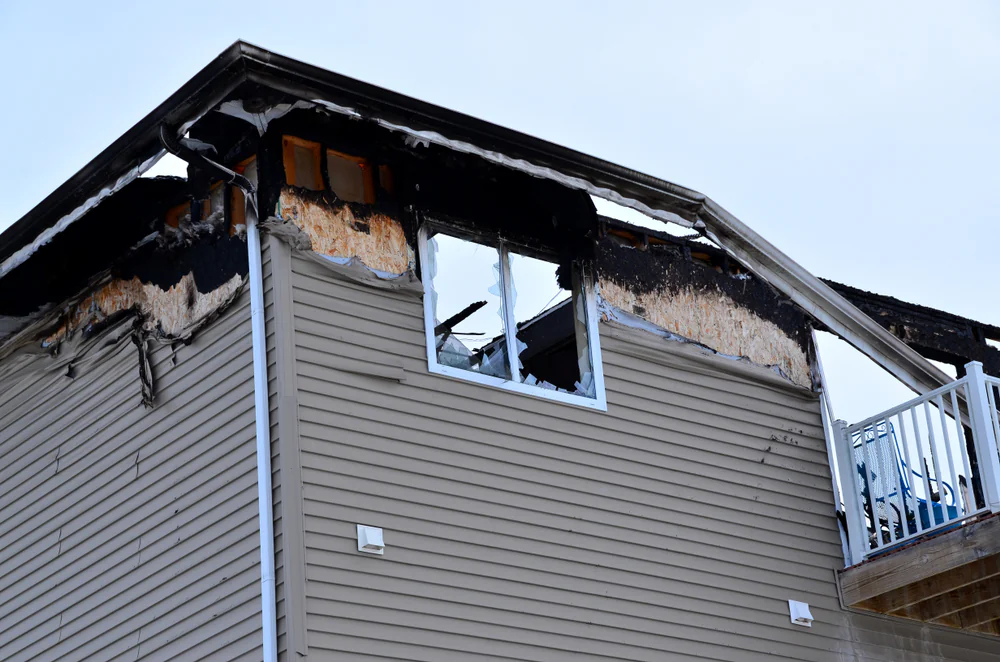
We’re typically on-site within 60 to 90 minutes of your call, sometimes faster depending on where our crew is when you reach us. Fire damage gets worse by the hour—soot etches into surfaces, smoke odor sets deeper into porous materials, and water from firefighting efforts starts the mold clock.
Speed matters, but so does showing up with the right equipment. Our trucks carry moisture meters, thermal cameras, HEPA air scrubbers, and containment supplies so we can start mitigation immediately, not schedule a follow-up visit to “assess and quote.”
If it’s the middle of the night or a weekend, nothing changes. We run 24/7 because fires don’t wait for business hours, and neither does secondary damage.
Most homeowners policies in Indiana cover fire damage, including the cost of smoke cleanup, structural repairs, and temporary relocation if your home isn’t livable. But coverage depends on your specific policy, your deductible, and how well the damage is documented.
That’s where we come in. We work directly with your insurance carrier, use Xactimate to write estimates that match what adjusters expect, and provide the photo and moisture documentation that keeps claims moving. We’ve worked with State Farm, Nationwide, Farmers, Indiana Farm Bureau, and most other major carriers across Hamilton County.
If your adjuster hasn’t visited yet, we coordinate that walk-through. If they push back on scope or pricing, we provide the technical justification—IICRC standards, moisture readings, contamination levels—that supports the work. You’re not stuck translating between your contractor and your insurance company. We handle that conversation.
Cleanup means removing debris, wiping down soot, and maybe running an ozone machine. Restoration means returning your property to pre-loss condition—structurally sound, odor-free, safe to occupy, and passing any required inspections.
Cleanup might get rid of what you can see and smell in the first few days. Restoration addresses what’s hidden: moisture in wall cavities, soot in your HVAC system, smoke residue on framing lumber, compromised insulation in the attic. It includes drying, decontamination, odor neutralization, rebuilding, and verification that contamination levels are back to normal.
We do restoration, not cleanup. That means thermal imaging to find hidden moisture, air quality testing after deodorization, duct cleaning so your furnace isn’t spreading soot every time it runs, and a final walk-through where you see proof the job is done right. If your goal is to move back in and stay there—not deal with lingering smells or failed inspections three months later—you need restoration, not a surface scrub.
Smoke odor doesn’t just sit on surfaces—it penetrates drywall, insulation, ductwork, subflooring, and anything porous. Spraying deodorizer or running an ozone machine might mask it temporarily, but it comes back as soon as temperatures or humidity change.
We use a combination of methods depending on what burned and how far the smoke traveled. Thermal fogging releases a deodorizing vapor that penetrates the same places smoke did, neutralizing odor at the molecular level. Hydroxyl generators break down odor-causing compounds in the air and on surfaces without the health risks of ozone. And if the contamination is severe, we remove and replace affected materials—insulation, drywall, flooring—because you can’t deodorize something that’s structurally compromised.
We also clean your HVAC system. If there’s soot in the ductwork, every time your furnace or AC runs, you’re recirculating smoke residue throughout the house. Duct cleaning is part of fire restoration, not an add-on. You’ll know the odor is gone because we test for it before we call the job complete, and we follow up two weeks later to make sure nothing returned.
It depends on the extent of the damage and what work needs to happen. If the fire was contained to one room and the rest of the house is structurally sound with no active smoke or soot contamination, you might be able to stay in unaffected areas while we work.
If there’s widespread smoke damage, compromised air quality, or we’re removing large sections of drywall and insulation, you’ll need to relocate temporarily. We set up containment barriers and HEPA filtration to isolate work zones, but some jobs produce dust, odors, and airborne particles that aren’t safe to live around—especially if you have kids, elderly family members, or anyone with respiratory issues.
Your insurance policy likely includes Additional Living Expenses coverage, which pays for hotel stays, meals, and other costs while your home is uninhabitable. We document the scope of damage and the timeline for repairs so your adjuster can approve those expenses. Most of our clients are back home within one to three weeks, depending on how much rebuilding is required and how quickly inspections and approvals move.
Look for IICRC certification in Fire and Smoke Restoration (FSRT). The IICRC sets the standards that insurance companies and building inspectors reference when they evaluate restoration work. If your contractor isn’t certified, they’re winging it—and your claim might get denied because the work doesn’t meet industry protocols.
We’re IICRC-certified in fire and smoke restoration, water damage restoration, and applied structural drying. That means our techs have been trained and tested on contamination assessment, safe demolition, odor control, and documentation practices that hold up under claims review.
You also want a contractor who carries liability insurance and workers comp, who can provide references from insurance carriers they’ve worked with, and who’s willing to walk the property with your adjuster. We’re BBB-accredited, we’ve been serving Hamilton County since 2016, and we’re an approved vendor for over 20 insurance companies. Credentials matter because fire restoration isn’t cosmetic—it’s structural, environmental, and financial. You need someone who knows what they’re doing and can prove it.
Other Services we provide in Strawtown