Hear from Our Customers
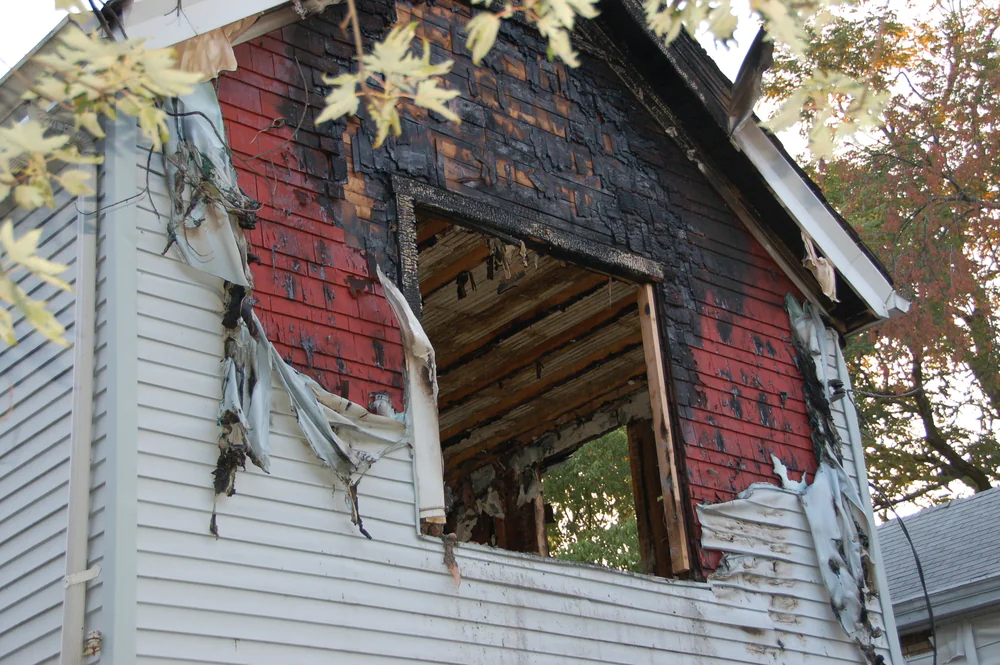
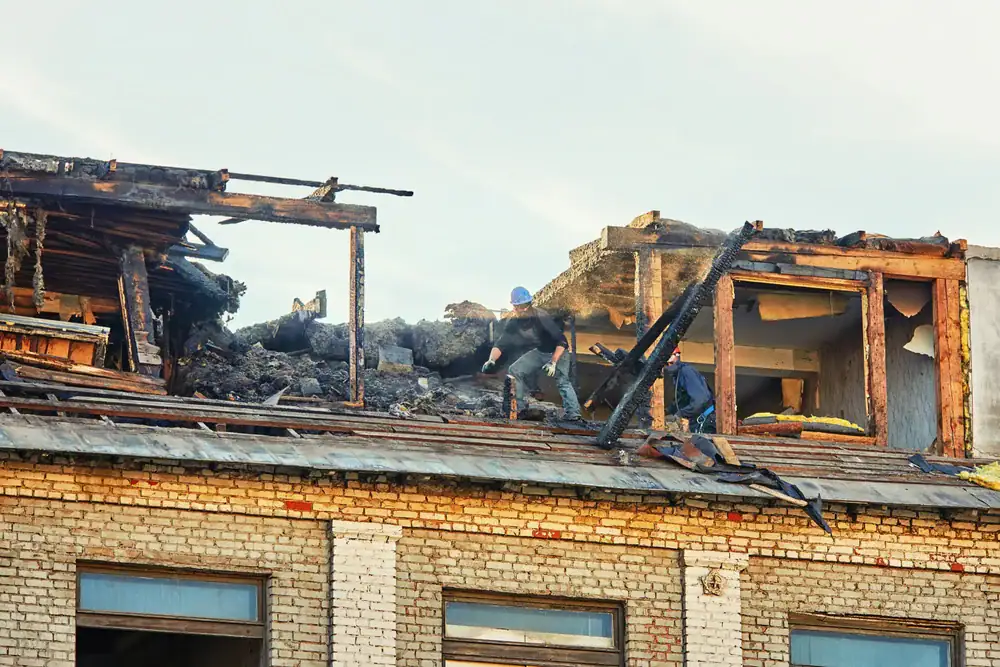
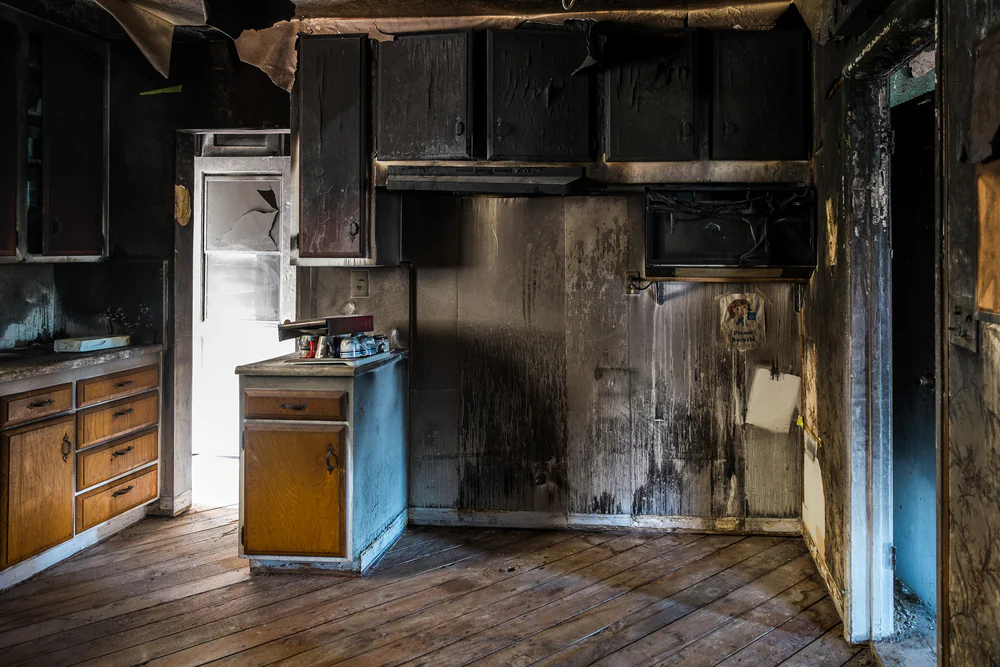
The moments after a fire are overwhelming. Smoke odor seeps into walls. Soot settles on surfaces you can’t even see. Water from firefighting efforts starts soaking into floors and drywall. And somewhere in the middle of all that, you’re supposed to figure out what to do next.
Here’s what actually matters: stopping the damage from getting worse. Fire damage doesn’t pause while you’re on hold with your insurance company or waiting for someone to call you back. Smoke particles keep spreading. Moisture keeps migrating. Corrosion starts within hours.
You need someone who picks up the phone, shows up fast, and knows exactly what to do when they get there. That’s the difference between a property that’s salvageable and one that spirals into a total loss. When you call us, you’re talking to a live person who can be on-site in Tilden within 60 to 90 minutes—not tomorrow, not when it’s convenient, but now.
We’ve been serving Tilden and Central Indiana since 2016. We’re IICRC-certified in water damage restoration, applied structural drying, and applied microbial remediation—credentials that matter when your property and your insurance claim are on the line.
We’re not a franchise. We’re a locally owned restoration company that answers our own phone, runs our own jobs, and stands behind our own work. We’ve built our reputation on speed, documentation, and doing what we say we’re going to do.
Tilden’s older housing stock and unpredictable Indiana weather—freezing pipes in winter, severe storms in spring—mean fire and water damage often go hand in hand. We handle both, and we do it with the kind of attention to detail that keeps insurance adjusters happy and gets you back to normal faster.
First, we answer. You’re not leaving a voicemail or filling out a form. You’re talking to someone who can dispatch a crew to Tilden in under 90 minutes in most cases.
When we arrive, we assess the damage—visible and hidden. That means checking walls, ceilings, HVAC systems, and crawl spaces for smoke infiltration and moisture from firefighting efforts. We document everything with photos and moisture mapping, and that report goes to you and your insurance company within 24 hours.
Next, we contain the affected areas using physical barriers and HEPA filtration to keep soot and smoke odor from spreading. We extract standing water, set up drying equipment, and start the process of removing damaged materials that can’t be saved. Anything that can be cleaned and restored—contents, structural elements—gets treated using IICRC-approved methods.
Throughout the job, you get progress updates every 48 hours. We coordinate directly with your insurance adjuster, use Xactimate pricing so estimates align with what insurers expect, and invoice the carrier directly when applicable. You’re not fronting tens of thousands of dollars and waiting for reimbursement.
Once the space is dry, clean, and odor-free, we walk you through it. Then we follow up 14 days later to make sure everything still looks and smells the way it should.
Ready to get started?
Fire restoration isn’t just about removing soot. It’s about addressing every layer of damage—some obvious, some hidden—so your property is actually restored, not just surface-cleaned.
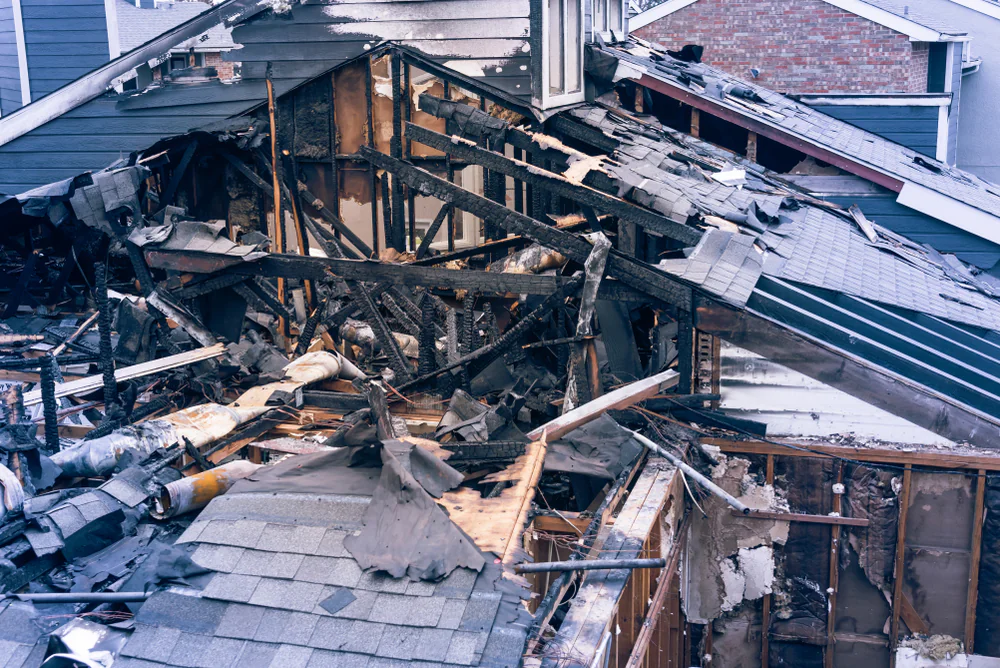
Our fire damage restoration service includes emergency board-up and tarping if needed, complete smoke and soot removal from all affected surfaces, thermal fogging and ozone treatment for odor neutralization, and HVAC duct cleaning to prevent recontamination. We also handle contents pack-out and storage if you need items removed during the restoration process, and we dry out any water damage caused by firefighting efforts.
In Tilden and the surrounding area, older homes often have hidden cavities where smoke can settle—between floors, inside wall voids, above ceilings. We don’t just treat what’s visible. We use thermal imaging and moisture meters to find problem areas before they turn into long-term issues like lingering odor or mold growth.
If your property needs reconstruction after demolition, we handle that too. You’re working with one company from start to finish, not coordinating between a mitigation crew, a cleaning company, and a general contractor. That saves time, reduces miscommunication, and keeps your insurance claim cleaner.
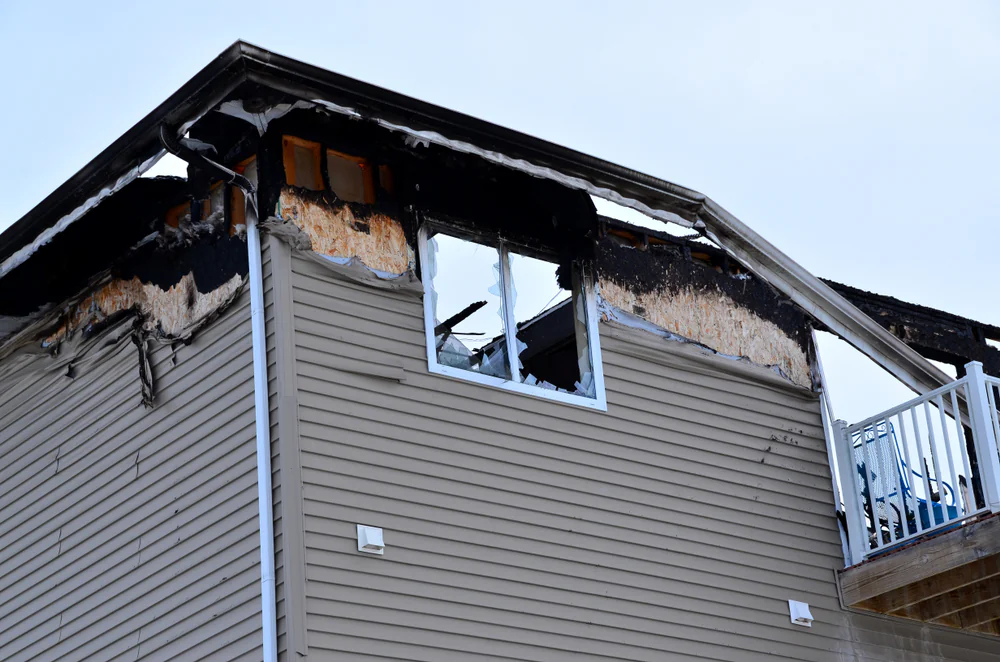
We’re on-site in 60 to 90 minutes in most cases. That’s not an estimate—it’s what we do. When you call, you’re speaking with someone who can immediately dispatch a crew, not schedule you for tomorrow or next week.
Speed matters because fire damage doesn’t stop when the flames are out. Acid soot starts etching into metal and glass within hours. Smoke odor embeds deeper into porous materials the longer it sits. Water from firefighting efforts begins soaking into subfloors and drywall, creating conditions for mold growth within 24 to 48 hours.
The faster we start mitigation, the more we can save. That means lower costs, fewer materials that need replacing, and a faster path back to normal. We’re available 24/7 because disasters don’t wait for business hours, and neither do we.
Most homeowner and commercial property policies cover fire damage restoration, but coverage depends on your specific policy, deductible, and the cause of the fire. We work with insurance companies every day, and we know how to document damage in a way that supports your claim.
Here’s how we help: we provide detailed photo documentation and moisture mapping within 24 hours of arrival. We use Xactimate, the same estimating software your insurance adjuster uses, so our pricing aligns with what they expect to see. We also assign a dedicated claims liaison who communicates directly with your adjuster, answers their questions, and provides any additional documentation they request.
If your claim is approved, we can invoice your insurance company directly in many cases. That means you’re not paying out of pocket and waiting for reimbursement. You’ll still be responsible for your deductible, but we handle the rest. And if you’re paying out of pocket—whether by choice or necessity—we offer discounts for military members, seniors, first responders, teachers, and new customers on non-insurance jobs.
Fire damage refers to structural harm caused by flames—burned materials, charred framing, melted fixtures. Smoke damage is what happens in areas the fire never touched: soot residue on walls, ceilings, and contents; acidic particles that corrode metal and etch glass; and odor that penetrates fabrics, insulation, and HVAC systems.
In most residential fires, smoke damage affects a much larger area than the fire itself. Smoke travels through doorways, vents, and wall cavities, depositing fine particles that are difficult to remove without the right equipment and training. Different types of smoke—wet smoke from smoldering fires, dry smoke from fast-burning fires, protein smoke from kitchen fires—require different cleaning methods.
We assess the type of smoke damage present and treat it accordingly. That includes HEPA vacuuming, chemical sponging, and specialized cleaning agents for different surfaces. For odor, we use thermal fogging, ozone treatment, and hydroxyl generators depending on the severity and the materials involved. We also clean or replace HVAC filters and duct systems to prevent smoke particles from recirculating once you turn the system back on.
It depends on the extent of the damage, but most fire restoration projects take between one and three weeks from start to finish. Smaller jobs—limited smoke damage in a single room, for example—can be completed in a few days. Larger projects involving structural repairs, extensive water damage from firefighting, and full contents cleaning take longer.
Here’s what affects the timeline: how much material needs to be removed and replaced, how long it takes to dry out water damage, whether contents need to be packed out and stored, and how quickly your insurance company processes the claim and approves the scope of work.
We don’t control the insurance approval process, but we do everything we can to speed it up. That includes submitting detailed documentation within 24 hours, responding immediately to adjuster requests, and using industry-standard pricing that doesn’t trigger unnecessary back-and-forth. Once we have approval, we move fast. Our crews are experienced, our processes are efficient, and we’re not juggling your job with ten others across three states.
Yes, but only if it’s done right. Smoke odor removal isn’t about masking the smell with air fresheners or repainting over soot-stained walls. It’s about eliminating the source: the microscopic smoke particles embedded in porous materials like drywall, insulation, carpet, upholstery, and wood.
We start by removing materials that are too damaged to clean—charred insulation, saturated drywall, anything that’s structurally compromised. Then we clean all remaining surfaces using IICRC-approved methods: HEPA vacuuming, dry chemical sponging, and wet cleaning with specialized agents designed for smoke residue.
For odor that’s absorbed into materials, we use thermal fogging, which releases a deodorizing vapor that penetrates the same places smoke did. We also use ozone generators and hydroxyl machines depending on the situation. Ozone is highly effective but requires the space to be unoccupied during treatment. Hydroxyls are safer for occupied spaces and work well for ongoing odor control during the restoration process. We also clean or replace HVAC components, because if smoke particles are sitting in your ductwork, they’ll keep reintroducing odor every time the system runs.
It depends on the extent of the damage and the type of work being done. If the fire was contained to a small area and there’s no structural risk, you may be able to stay in unaffected parts of your home while we work. If there’s significant smoke damage, water damage, or demolition required, it’s usually safer and more practical to stay elsewhere temporarily.
We set up containment barriers and use HEPA filtration to isolate work areas and prevent soot, dust, and odors from spreading to the rest of the property. We also wear shoe covers, control access points, and keep the site as clean as possible. But restoration work is disruptive—there’s equipment running, materials being removed, and odor treatment happening. For many people, it’s easier to stay with family, in a hotel, or in temporary housing arranged through their insurance.
If you do need to relocate, most homeowner policies include “loss of use” or “additional living expense” coverage that pays for temporary housing, meals, and other costs while your home is uninhabitable. We can help you understand what documentation your insurer needs and coordinate our schedule to minimize how long you’re displaced. Our goal is to get you back home as quickly as possible without cutting corners on the work.
Other Services we provide in Tilden