Hear from Our Customers
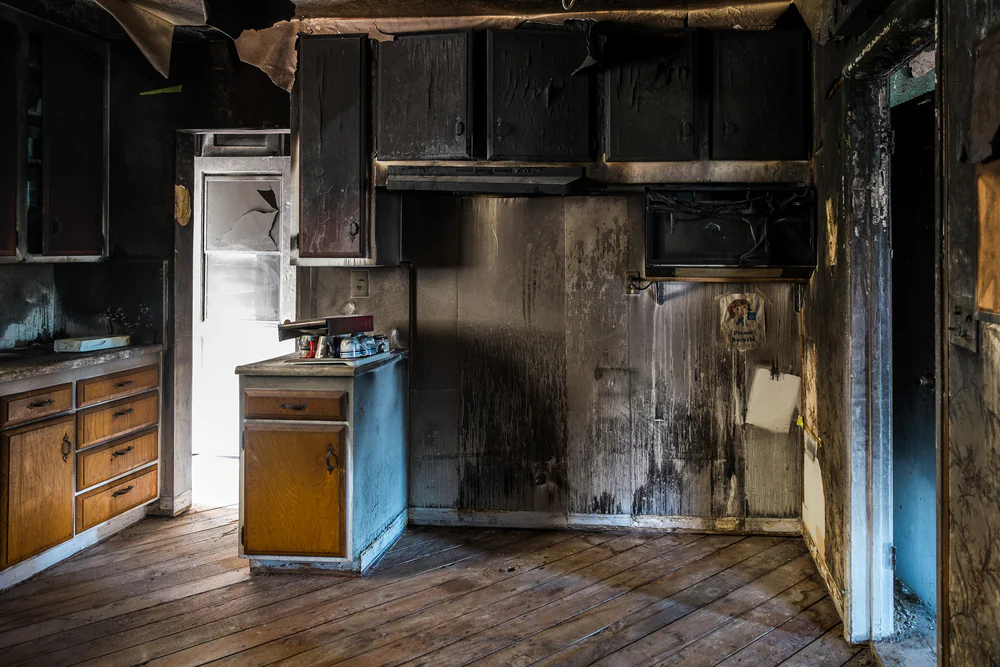
You walk back into a space that doesn’t smell like smoke. The soot is gone from the walls. Your belongings that seemed lost are cleaned, cataloged, and returned. The insurance claim is filed correctly the first time.
That’s what fire restoration actually means. Not just cleaning up—restoring your home to the point where you can sleep there again without your throat burning or your eyes watering.
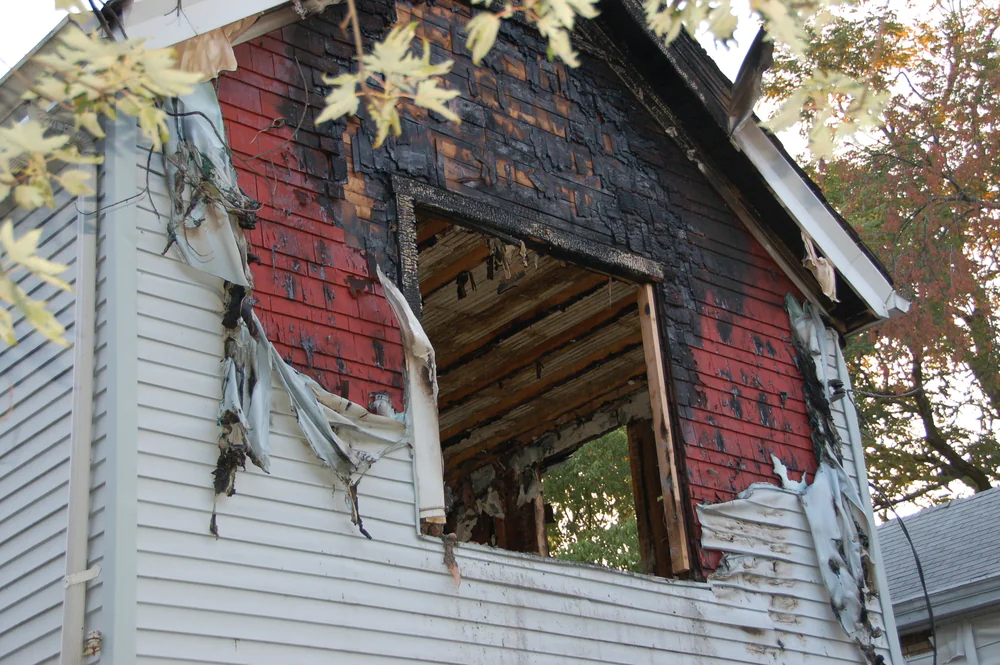
Most homeowners don’t realize that smoke damage keeps spreading even after the flames are out. It seeps into HVAC ducts, behind drywall, into carpets and upholstery. Within hours, acids in the smoke start etching glass and tarnishing metal. Within days, walls and floors can be permanently discolored.
Speed matters. So does knowing what you’re doing. Our team uses HEPA filtration to contain affected areas, thermal foggers to neutralize odors at the molecular level, and moisture mapping to catch hidden water damage from firefighting efforts. You get documentation within 24 hours and updates every 48 hours after that, so you’re never wondering what’s happening or what it’s going to cost.
We’ve been handling fire and smoke restoration across the Indianapolis area for over eight years. We’re IICRC-certified in water damage restoration, applied structural drying, and applied microbial remediation—credentials that matter when your insurance adjuster shows up.
Walnut Grove’s housing stock skews older, which means balloon framing, knob-and-tube wiring, and spaces where fire and smoke travel fast. We’ve seen it. We know how to contain it, document it, and restore it without tearing out more than necessary.
You’ll reach a live person when you call, not a voicemail tree. We’re on-site in 60 to 90 minutes, and we stay in contact with your insurance company from day one so you’re not translating between adjusters and contractors.
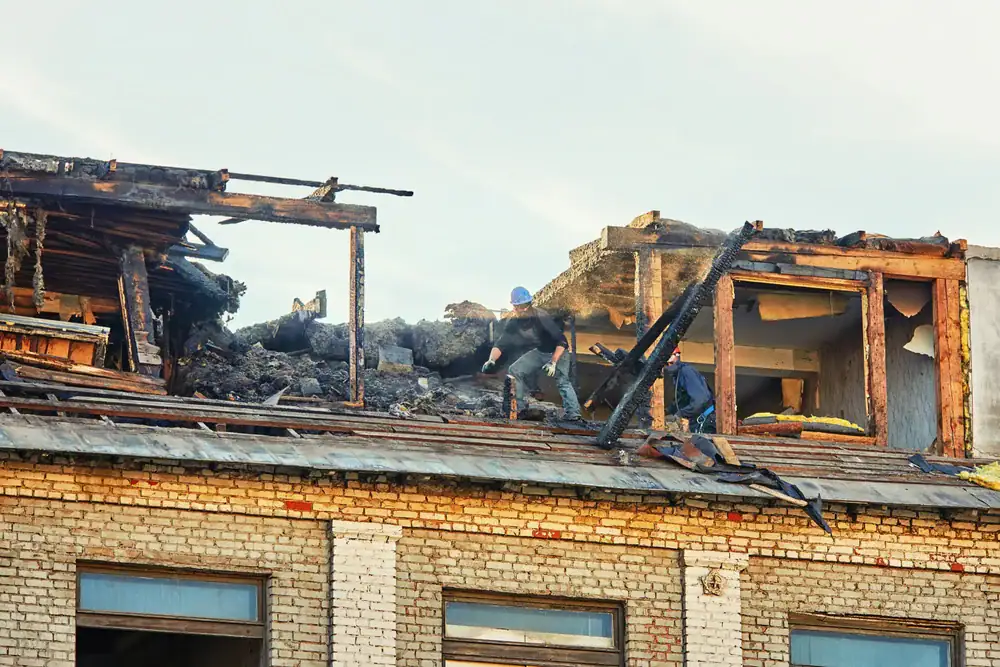
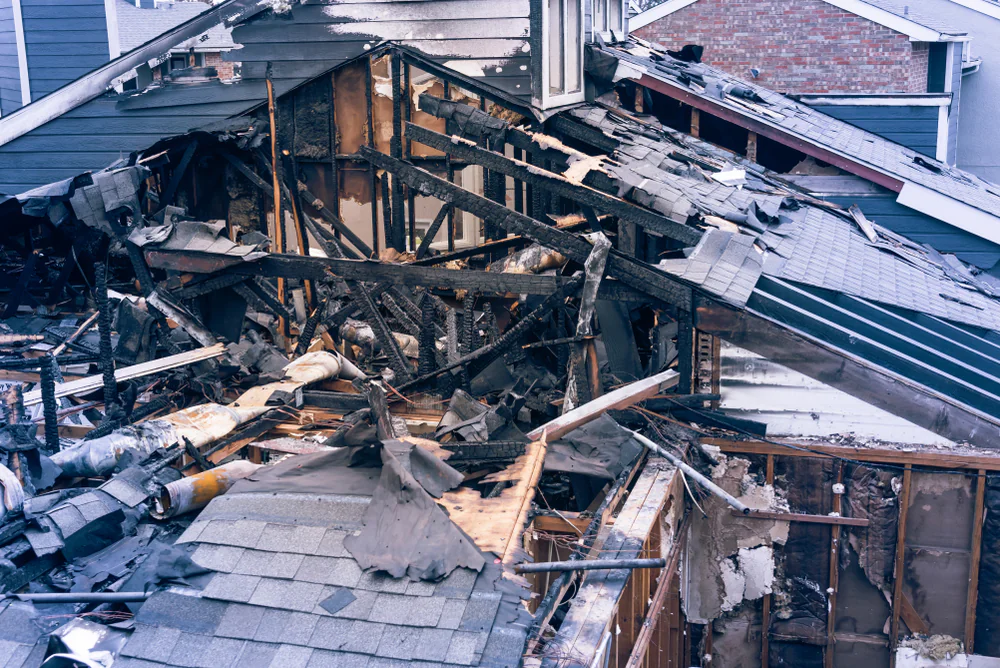
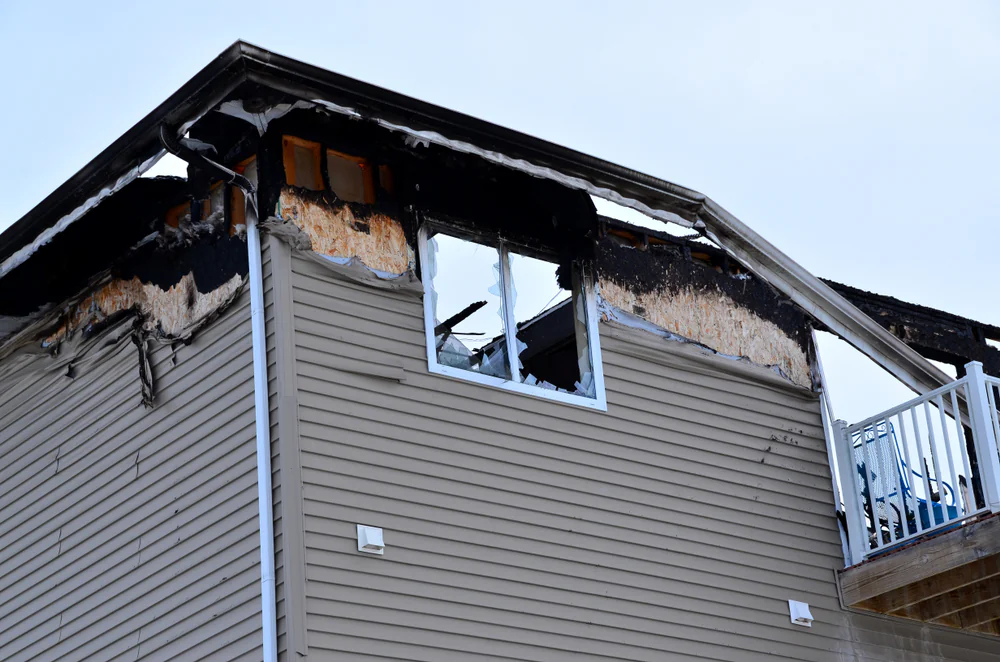
First, we make sure it’s safe to enter. That means checking for structural damage, confirming the fire department has cleared the scene, and identifying any electrical or water hazards. If the roof or windows are compromised, we tarp and board up immediately to prevent weather damage or theft.
Next, we assess the full scope. Fire damage is obvious. Smoke damage isn’t. We inspect HVAC systems, check behind walls with thermal imaging, and map out where water from hoses has pooled or soaked into subfloors. Everything gets photographed and logged for your insurance claim.
Then we contain and extract. Unaffected rooms get sealed off with plastic sheeting and negative air pressure so soot and odors don’t spread. We pull out standing water, set up dehumidifiers, and start removing debris. Salvageable contents get packed out, cleaned off-site, and stored until your home is ready.
Finally, we clean and deodorize. Walls, ceilings, and floors get scrubbed with commercial-grade detergents. HVAC ducts are cleaned or sealed. We use hydroxyl generators or ozone treatment to break down smoke molecules, not just mask them. You get a walkthrough before we leave and a follow-up call 14 days later to make sure nothing was missed.
Ready to get started?
Fire restoration covers more than wiping down walls. You’re dealing with soot, smoke, water, odor, and often mold if the space stays wet too long. Our process handles all of it.
Soot and smoke residue get removed from every surface—walls, ceilings, floors, fixtures, and personal belongings. We don’t just clean what’s visible. Smoke infiltrates air ducts, so we clean or replace HVAC filters and ductwork to keep contaminated air from recirculating.
Water damage from firefighting efforts is almost guaranteed. We extract standing water, dry out structural materials, and monitor moisture levels daily to prevent mold growth. If mold has already started, we handle the remediation under the same roof.
Odor removal is non-negotiable. Lingering smoke smell isn’t just unpleasant—it’s a sign that particles are still present and causing damage. We use thermal fogging, ozone, or hydroxyl treatments depending on the severity and materials involved.
In Walnut Grove and the surrounding Indianapolis area, older homes often have crawl spaces that trap moisture and smoke. We dry and deodorize those spaces too, because ignoring them means the smell comes back in a month. Contents pack-out and storage are available if you need your belongings cleaned and kept safe while the work happens. And if the fire involved a traumatic event, we’re trained and equipped to handle biohazard cleanup with discretion.
It depends on the size of the fire and how much smoke spread. A small kitchen fire with contained damage might take three to five days. A whole-home fire with structural damage, water extraction, and contents restoration can take several weeks.
The timeline breaks down like this: emergency services (tarping, board-up, water extraction) happen within hours. Assessment and documentation take one to two days. Cleaning, drying, and deodorizing usually take one to two weeks depending on materials and moisture levels. Reconstruction—if walls, floors, or ceilings need replacing—adds another week or more.
We give you a projected timeline within 24 hours of starting the job, and we update it if anything changes. Most delays come from insurance approvals or discovering hidden damage once we open up walls, not from the work itself.
Most homeowner policies cover fire damage, including smoke and water damage from firefighting. But coverage varies depending on your policy, your deductible, and how the fire started.
We work directly with your insurance company to document everything they need: photos, moisture maps, line-item estimates using Xactimate software (the same system adjusters use), and progress reports. That alignment reduces the chance of disputes or underpayment.
If your claim gets delayed or denied, we can walk you through the appeals process. We’ve been doing this since 2016, so we know what adjusters look for and how to present the scope of work in a way that gets approved. You’re not navigating this alone.
Yes, but only if it’s done right. Smoke odor doesn’t come from a single source—it comes from particles embedded in porous materials like drywall, insulation, carpet, upholstery, and wood. Spraying air freshener or wiping down walls won’t fix it.
We start by removing the source: charred materials, soot-covered belongings, and anything too damaged to salvage. Then we clean all surfaces with detergents designed to break down smoke residue. HVAC ducts get cleaned or sealed so contaminated air doesn’t keep circulating.
For odor that’s soaked into materials, we use thermal fogging (which releases a deodorizing mist that penetrates the same way smoke did), ozone treatment (which chemically neutralizes odor molecules), or hydroxyl generators (a safer option if the space is occupied). The method depends on what materials are involved and how severe the damage is. If the smell is still there after treatment, we go back and find what we missed.
Don’t go back inside until the fire department says it’s safe. Even small fires can weaken floors, ceilings, or staircases. Once you’re cleared to enter, don’t start cleaning on your own—you can accidentally make things worse or void your insurance coverage.
Call your insurance company first and let them know what happened. Then call a restoration company. The faster you get professionals on-site, the less damage smoke and water will cause. We can tarp your roof, board up windows, and extract standing water within 90 minutes of your call.
If you need to grab essentials like medication, documents, or clothing, we can escort you in safely and help you locate items. Don’t turn on electronics, appliances, or HVAC systems until they’ve been inspected—smoke damage can cause electrical shorts or spread soot through your ductwork.
Yes. We pack out your belongings, clean them at our facility, and store them until your home is ready. That includes furniture, electronics, clothing, documents, and anything else that’s salvageable.
Some items—like upholstered furniture or mattresses that absorbed heavy smoke—may not be restorable. We’ll tell you upfront what can and can’t be saved, and we document everything for your insurance claim.
Cleaning happens off-site using specialized equipment and techniques depending on the material. Electronics get cleaned with compressed air and anti-static solutions. Clothing and linens go through deodorizing wash cycles. Hard surfaces get hand-wiped and treated for smoke residue. Once your home is restored, we deliver everything back and help you unpack if needed.
The national average is around $27,000, but your actual cost depends on the extent of fire, smoke, and water damage. A single-room fire with minimal smoke spread might cost $5,000 to $10,000. A whole-home fire with structural damage and contents loss can run $50,000 or more.
We use Xactimate pricing software, which is the same system insurance companies use. That means our estimates align with what your adjuster expects to see, which speeds up approvals and reduces disputes.
You’ll get a detailed estimate within 24 hours of our initial assessment. It breaks down labor, materials, equipment, and any additional services like contents pack-out or HVAC cleaning. If we find hidden damage once work starts—like mold behind drywall or compromised floor joists—we document it, get approval, and update the estimate before proceeding. No surprises.
Other Services we provide in Walnut Grove