Hear from Our Customers
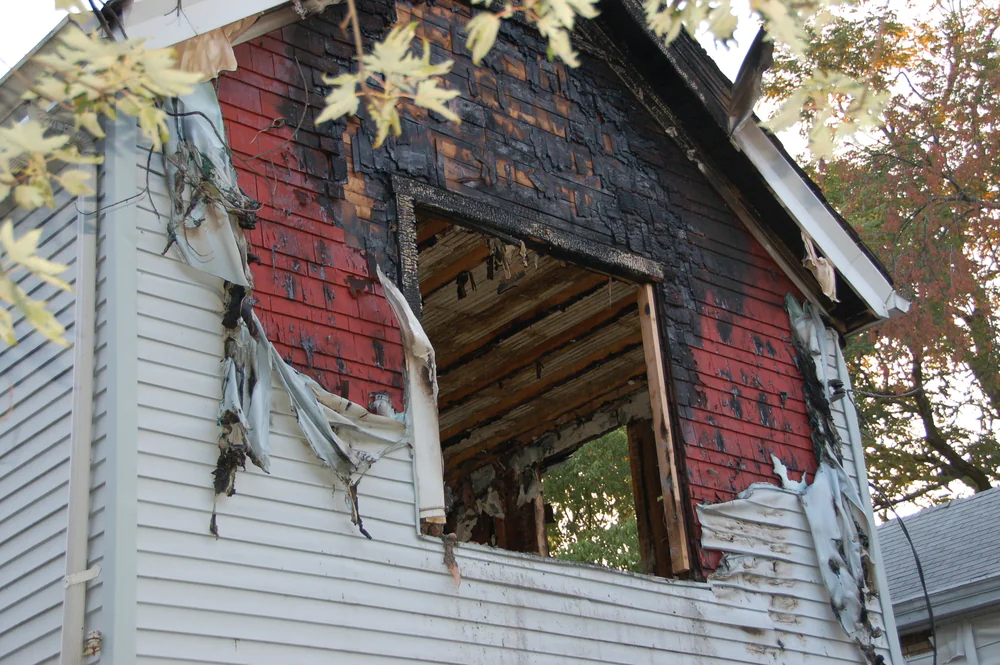
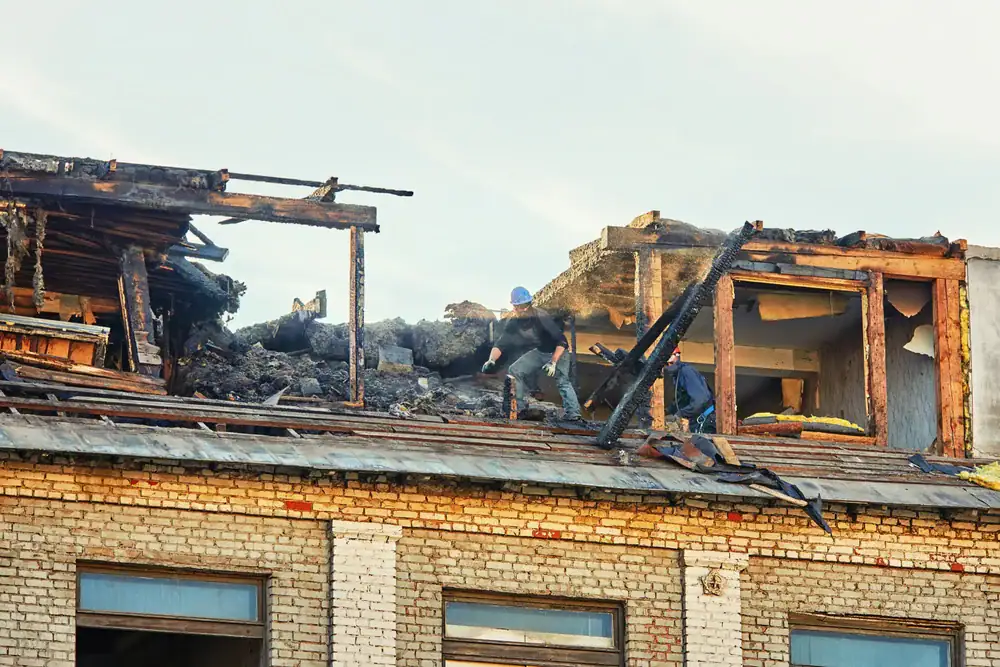
The fire’s out, but the damage keeps spreading. Soot eats into walls, smoke odor settles deeper into fabrics and ductwork, and water from firefighting efforts starts its own countdown to mold. You’ve got maybe 48 hours before items that could’ve been cleaned now need replacing.
That’s where speed and the right process matter. Fire restoration isn’t just about cleaning up—it’s about stopping secondary damage, documenting everything your insurance needs, and getting your property back to safe, livable condition without the runaround.
You need someone who shows up fast, knows exactly what to look for, and can prove it to your adjuster. In West Noblesville, where many homes were built in the 1990s and early 2000s, older electrical systems and HVAC units increase fire risk—and the restoration process has to account for how smoke travels through ductwork and settles in hidden spaces.
We’ve been handling fire and smoke restoration across Hamilton County since 2016. We’re IICRC-certified in water restoration, structural drying, and microbial remediation—credentials that matter when your insurance company asks who’s doing the work.
We’re not a franchise. We’re a local team that understands how Indianapolis-area humidity complicates smoke damage, how older homes in West Noblesville trap odors differently than new construction, and what your adjuster needs to see in documentation before they’ll approve the claim.
Our live-answer line means you talk to someone who can actually dispatch a crew, not a call center three states away. We’re usually on-site within 60 to 90 minutes, and we start documenting and containing damage the moment we arrive.
First, we answer. Not a voicemail, not an answering service—a real person who can get a crew moving. If it’s 2 a.m. or Sunday afternoon, doesn’t matter. You’ll have someone on-site in about an hour.
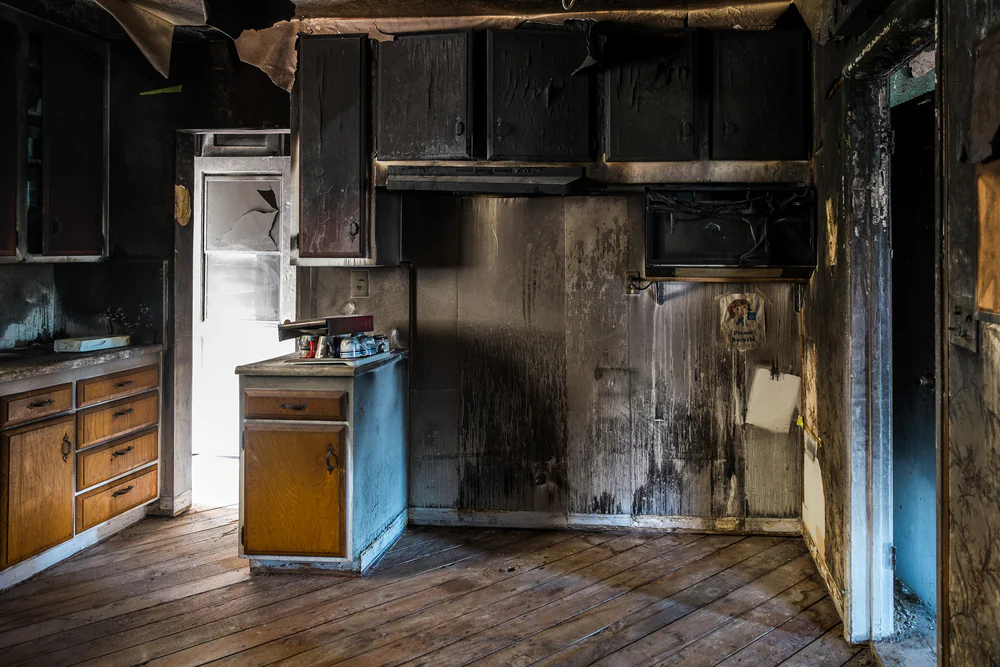
When we arrive, we assess structural safety, air quality, and the extent of smoke and soot damage. We’re looking at what the fire touched, what smoke reached, and what water from firefighting affected. Then we set up containment with HEPA filtration to keep soot and odor from spreading to clean areas of your home.
Within 24 hours, you get a full photo-documented report with moisture mapping and a damage assessment your insurance company can actually use. We handle the Xactimate pricing, the adjuster calls, the paperwork. Every 48 hours after that, you get a progress update—no chasing us down for answers.
We remove damaged materials, clean and deodorize what’s salvageable, dry out any water damage, and verify air quality before we’re done. Then we walk you through everything and follow up two weeks later to make sure nothing was missed.
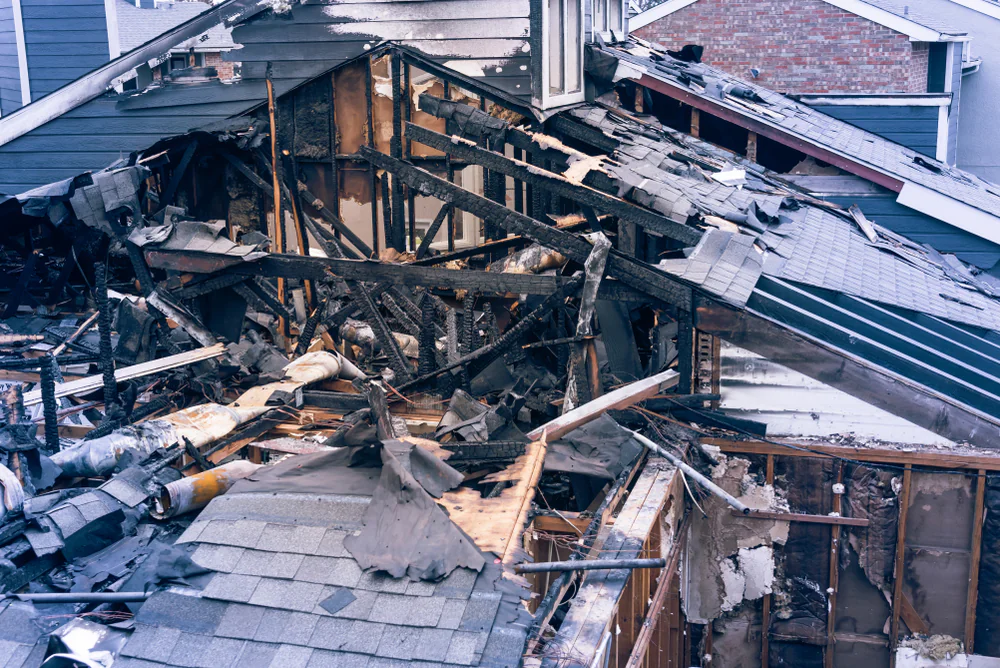
Ready to get started?
Fire restoration covers more than wiping down walls. It’s structural assessment, hazardous material identification, complete soot and smoke residue removal, odor neutralization, content pack-out and storage, HVAC duct cleaning, and air quality verification.
In West Noblesville, where the median home value sits around $379,000 and most properties are single-family detached homes, fire damage hits hard financially. The average fire and lightning claim in the U.S. costs over $83,000. That’s why documentation matters—we photograph everything, map moisture levels, track progress, and provide the paper trail your insurer requires.
Hamilton County’s humid summers mean smoke odor doesn’t just air out on its own. It gets trapped in insulation, ductwork, and porous materials. We use thermal fogging and hydroxyl generators to neutralize odors at the molecular level, not just cover them up. If your HVAC system was running during the fire, we clean the ducts—because soot circulating through your home for months isn’t an option.
We also coordinate contents pack-out if you need belongings cleaned or stored off-site during restoration. And if the fire department had to flood your basement to kill the fire, we’re handling that water damage at the same time.
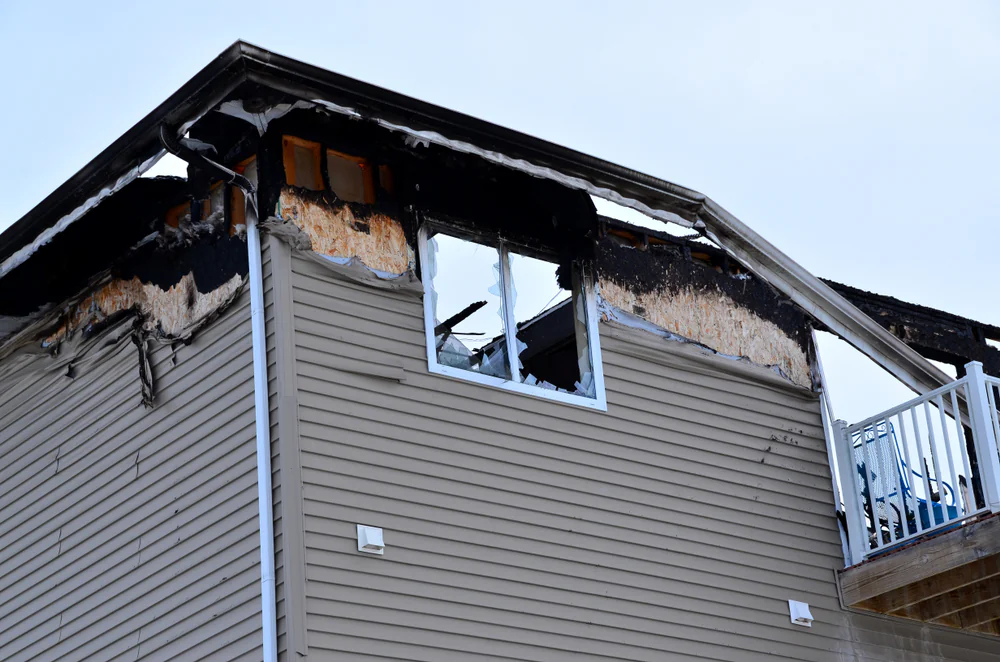
We’re usually on-site within 60 to 90 minutes of your call. That’s not an estimate or a goal—it’s what actually happens when you reach our live-answer line.
Speed matters because soot is acidic. It keeps etching into surfaces, discoloring walls, and corroding metal fixtures even after the flames are out. Smoke odor also sets deeper into fabrics and insulation with every passing hour. The longer you wait, the more items shift from “cleanable” to “total loss.”
We dispatch immediately and start containment, assessment, and documentation the moment we arrive. You’ll have a preliminary damage report within 24 hours, which your insurance company needs to start processing your claim.
Most homeowners policies in Indiana cover fire damage, including the cost of restoration, temporary housing, and contents replacement. But coverage depends on your specific policy, deductible, and how well the damage is documented.
That’s where we come in. We use Xactimate—the same pricing software your insurance company uses—so our estimates align with what adjusters expect to see. We also provide detailed photo documentation, moisture maps, and progress reports that meet Indiana insurance requirements and local building codes.
We’ll work directly with your adjuster, handle the paperwork, and make sure nothing gets missed in the claim. If there’s a coverage question, we flag it early so you’re not surprised later. You’re not navigating this alone.
You can try, but it’s not recommended—and here’s why. Soot contains toxic residues, and the wrong cleaning products can actually set stains permanently into walls, ceilings, and floors. Commercially available cleaners often make things worse.
Smoke also hides. It travels through ductwork, settles in wall cavities, and penetrates porous materials you can’t see or reach. If you don’t address hidden smoke damage, the odor comes back, air quality stays poor, and your insurance company may deny parts of your claim because the damage wasn’t properly mitigated.
Professional fire restoration includes HEPA filtration, thermal fogging, hydroxyl treatment, and air quality testing. We’re trained to identify what’s salvageable, what’s a health risk, and what your insurer will actually pay for. DIY might save money up front, but it usually costs more in the long run.
Fire damage is what the flames physically touched—burned materials, charred structure, melted fixtures. Smoke damage is everything else: soot residue on walls and ceilings, odor in fabrics and insulation, discoloration on surfaces far from the fire, and corrosion on metal components.
Smoke damage is often more expensive to fix because it spreads farther and hides better. If your HVAC was running during the fire, smoke circulated through every room. If you have an older home in West Noblesville with ductwork from the ’90s, that smoke is now coating the inside of your ventilation system.
Fire restoration addresses both. We remove and dispose of fire-damaged materials, then we clean, deodorize, and restore everything smoke affected. That includes content cleaning, duct cleaning, air scrubbing, and odor neutralization. It’s a full-scope process, not just a cleanup.
It depends on the extent of the damage, but most residential fire restorations take anywhere from a few days to several weeks. A small kitchen fire with contained smoke damage might be done in three to five days. A whole-home fire with structural damage, water from firefighting, and heavy soot contamination can take a month or more.
The timeline also depends on how fast your insurance approves the work, how quickly we can get materials, and whether you need contents packed out or temporary housing while we work. We’ll give you a realistic timeline during the initial assessment—not best-case, not worst-case, just honest.
What we control is response time, communication, and process. You’ll get progress updates every 48 hours, and we’ll flag any delays before they become problems. We don’t disappear for a week and show up with excuses.
You’re still the policyholder, so the claim is technically yours—but we handle almost everything else. We document the damage with photos and moisture maps, write the estimate in Xactimate so it matches what your adjuster uses, communicate directly with your insurance company, and provide all the paperwork they need to process the claim.
We’ve worked with every major carrier, and we know what they require. That means fewer back-and-forth requests, faster approvals, and less chance of a denial due to missing documentation. We also catch things that homeowners often miss—like hidden water damage or smoke in the HVAC system—that should be part of the claim.
If your adjuster pushes back on something, we’ll explain why it’s necessary and provide the documentation to back it up. We’re not just cleaning up—we’re making sure you get the full coverage you’re entitled to under your policy.
Other Services we provide in West Noblesville