Hear from Our Customers
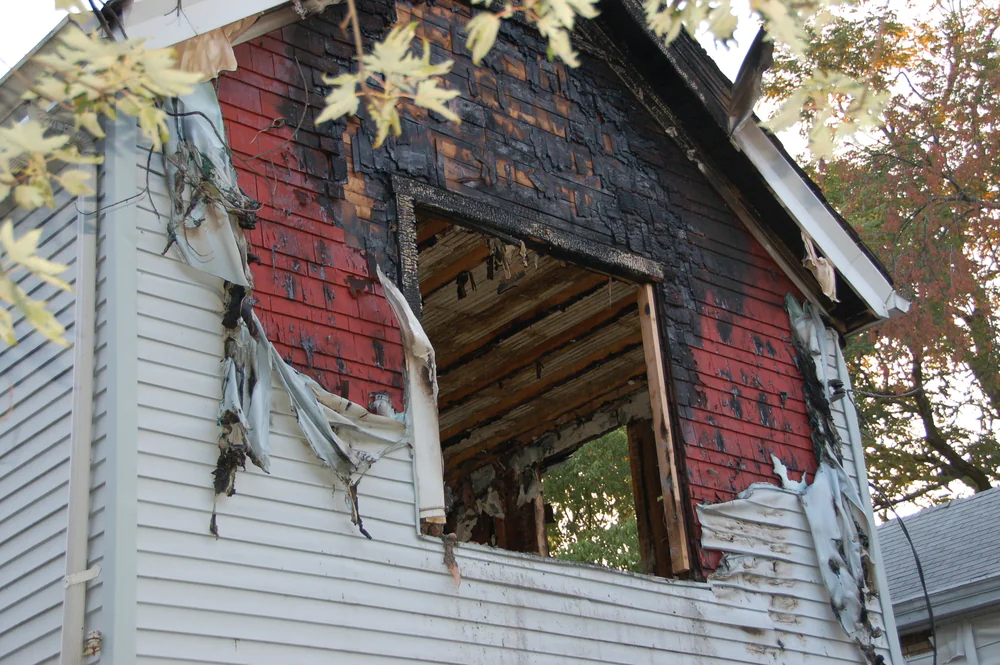
You’re not looking for a speech about how hard this is. You already know. What you need is someone who shows up fast, documents everything your insurance needs, and handles the entire job from soot cleanup to the final walkthrough.
That’s what fire restoration actually looks like when it’s done right. Within 24 hours, you’ll have photos, moisture maps, and a clear timeline. Every 48 hours after that, you get an update—no chasing, no guessing. We protect the unaffected parts of your home with containment and HEPA filtration, so the damage doesn’t spread while we work.
And because we know what insurance adjusters expect, we use Xactimate pricing and bill directly. You’re not fronting $25,000 and waiting months for reimbursement. We handle the paperwork, the calls, and the follow-up so you can focus on what matters—getting your life back to normal.
We’ve been serving Whiteland and Johnson County since 2016. We’re IICRC-certified in fire and smoke restoration, water damage, and structural drying—the credentials that matter when your insurance adjuster asks who’s doing the work.
We’re local, BBB A+ rated, and we’ve handled hundreds of fire restoration projects across Central Indiana. Most of our work comes from insurance claims, which means we’re used to tight timelines, detailed documentation, and getting it right the first time.
Whiteland’s housing stock skews older, and older homes come with quirks—plaster walls, tight crawl spaces, outdated wiring. We’ve seen it all. Our team knows how to work in these homes without causing more damage, and we know what your insurance company will and won’t cover before we start.
First, we answer. Live person, every time—24/7. You’ll talk to someone who can dispatch a crew to your Whiteland home in 60 to 90 minutes, not “next business day.”
When we arrive, we assess the damage and start containment immediately. That means sealing off affected areas, setting up HEPA filtration, and stopping soot and smoke from spreading to clean rooms. We document everything with photos and moisture readings, then send you a full report within 24 hours.
Next comes the actual restoration—soot and smoke cleanup, odor neutralization, water extraction if the fire department soaked your floors, and structural drying. If your HVAC system pulled smoke through the ducts, we clean those too. We’ll pack out and store any contents that need off-site restoration, from furniture to family photos.
Once the mitigation is done, we move into reconstruction. Drywall, paint, flooring—whatever the fire damaged, we rebuild. You’re not coordinating three different contractors. One team, one timeline, one point of contact from start to finish. We wrap up with a post-remediation walkthrough and a follow-up call 14 days later to make sure everything’s still solid.
Ready to get started?
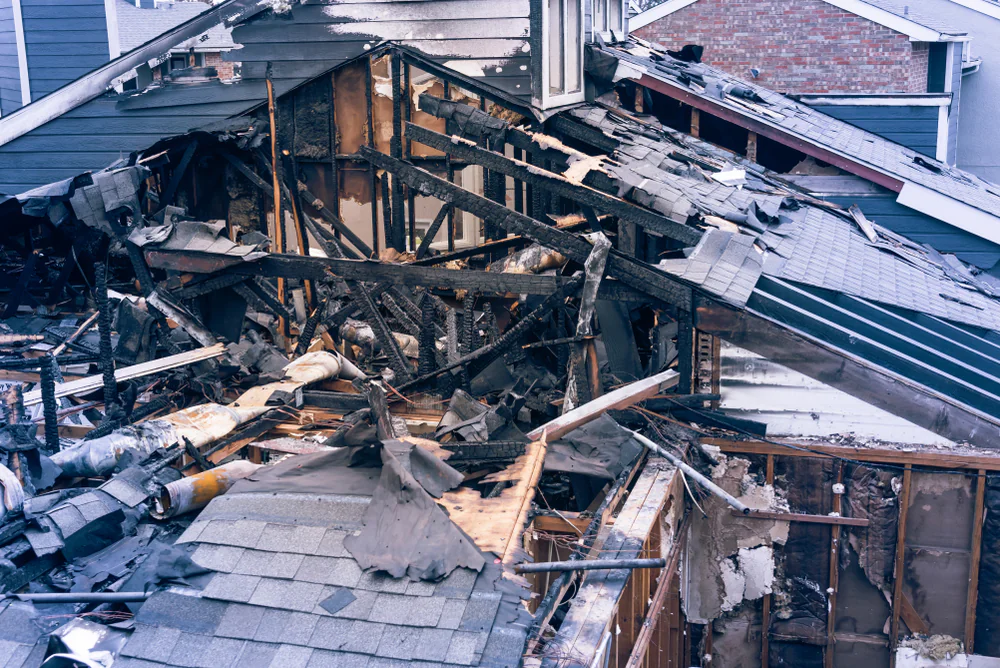
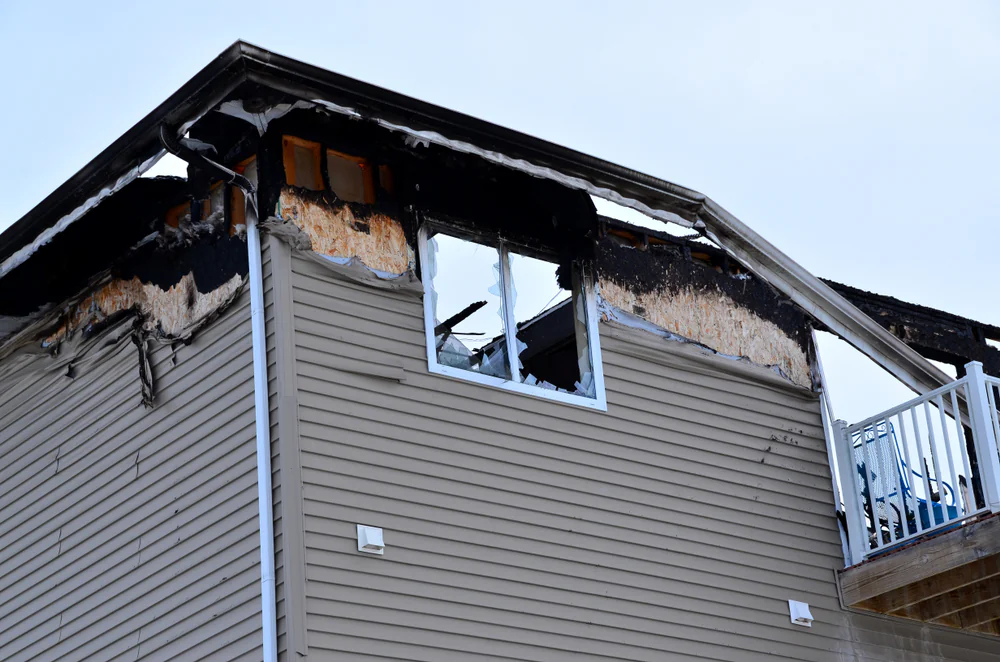
Fire restoration isn’t just about cleaning up soot. It’s about addressing every layer of damage—some obvious, some hidden—so your home is actually safe and livable again.
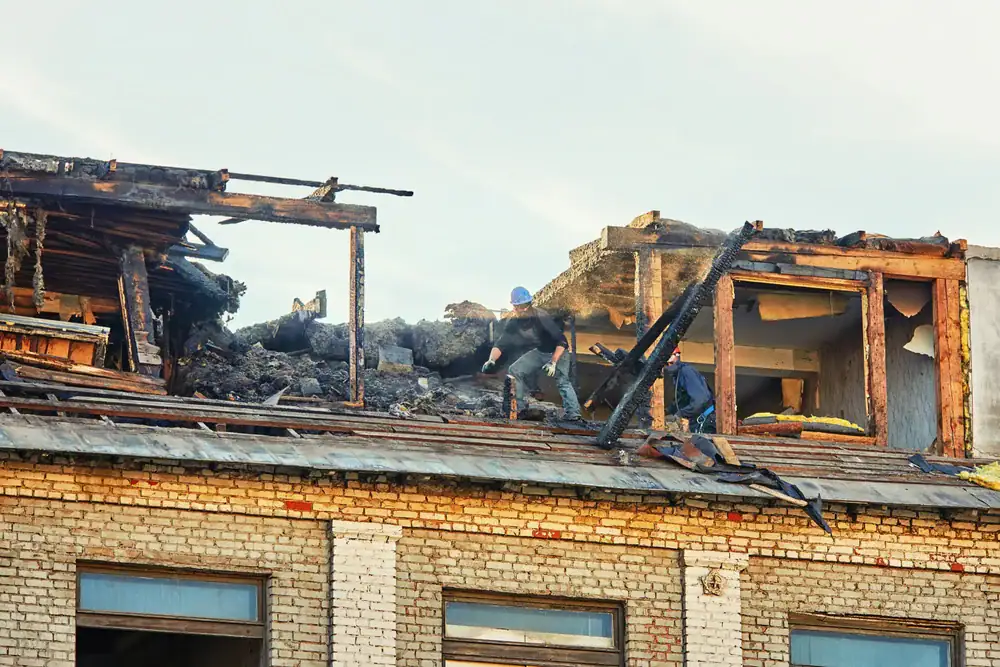
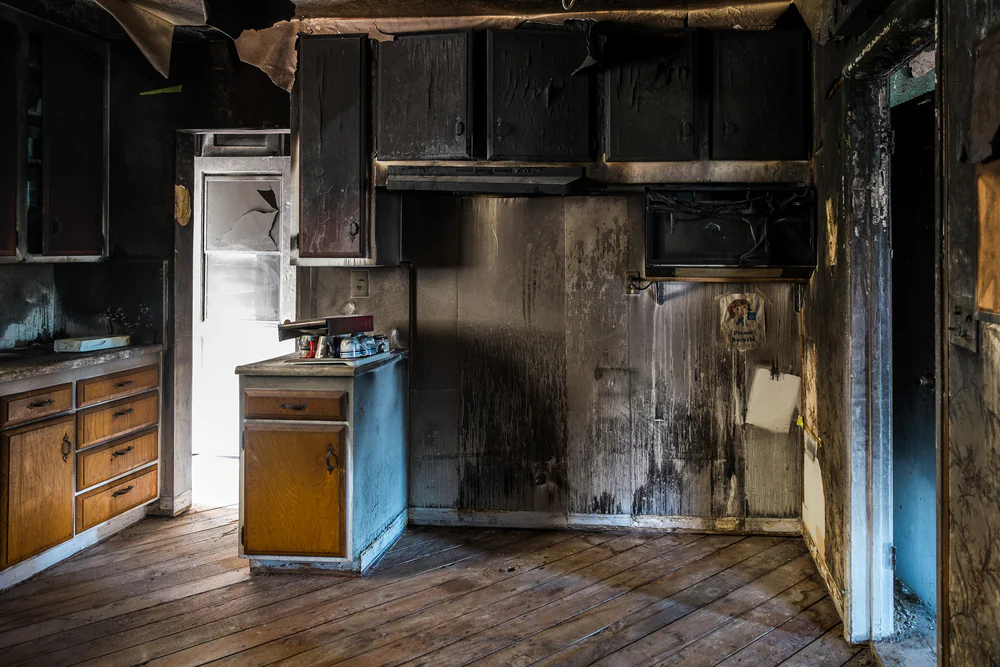
We start with smoke and soot removal from walls, ceilings, and contents. Smoke doesn’t just sit on surfaces; it penetrates porous materials like drywall and insulation. We use specialized cleaners and techniques to pull it out, not just cover it up. If there’s water damage from firefighting efforts, we extract standing water, dry out the structure, and monitor moisture levels to prevent mold growth.
Odor is another issue most people underestimate. Smoke smell doesn’t go away on its own, and air fresheners won’t fix it. We use thermal fogging and ozone treatment to neutralize odors at the molecular level. If your HVAC system was running during the fire, we’ll clean the ductwork so you’re not circulating smoke residue every time the heat kicks on.
In Whiteland, where older homes are common and basements are standard, we also handle crawl space drying and structural repairs. Johnson County sees its share of winter freezes and summer storms, so we’re used to dealing with secondary damage that compounds the original fire loss. We’ll recover and restore sentimental items when possible—photos, documents, heirlooms—because we know some things can’t be replaced.
We’re on-site in 60 to 90 minutes, assuming normal traffic and weather conditions. That’s not an estimate or a goal—it’s what we do.
Speed matters because fire damage gets worse the longer it sits. Soot becomes harder to remove, smoke odor sets deeper into materials, and water from firefighting efforts starts breeding mold within 24 to 48 hours. The faster we contain the damage, the less you’ll pay and the more we can save.
We run a live-answer line 24/7, so you’re talking to a real person who can dispatch a crew immediately. No voicemail, no “we’ll call you back in the morning.” If your house is on fire or just had a fire put out, you need help now—not tomorrow.
Most homeowner policies cover fire damage restoration, including smoke cleanup, water extraction, structural drying, and reconstruction. Coverage varies by policy, but fire is one of the most commonly covered perils.
You don’t have to pay us upfront and wait for reimbursement. We bill your insurance company directly, so you’re not fronting tens of thousands of dollars out of pocket. We also use Xactimate, the same pricing software your adjuster uses, which means our estimates align with what your insurance expects to pay.
We’ll work with your claims adjuster, provide all the documentation they need, and handle the back-and-forth so you’re not stuck in the middle. If there’s a dispute over scope or cost, we’ll advocate for the work that actually needs to be done. Our job is to restore your home correctly, not to lowball the estimate and leave you with half-finished repairs.
Cleanup is surface-level—removing visible soot, wiping down walls, and hauling out debris. Restoration goes deeper. It’s about returning your home to pre-loss condition, which includes structural repairs, odor removal, content restoration, and rebuilding anything the fire destroyed.
A lot of companies will clean up the mess and call it done. But if the drywall is still saturated with smoke residue, if the subfloor is charred, or if the insulation is compromised, you’re going to have problems down the road—lingering odors, poor air quality, even structural issues.
We handle the entire process. Mitigation first—stop the damage from spreading. Then restoration—repair and rebuild what was lost. You’re not calling a cleaning company, then a contractor, then a contents restoration specialist. It’s all under one roof, one timeline, one warranty.
Smoke odor doesn’t just sit on surfaces—it penetrates porous materials like drywall, insulation, carpet, and upholstery. You can’t spray it away or cover it up. You have to neutralize it at the molecular level.
We use a combination of thermal fogging, ozone treatment, and hydroxyl generators depending on the severity and the materials involved. Thermal fogging releases a deodorizing mist that penetrates the same places smoke did, binding to odor molecules and neutralizing them. Ozone treatment works well for unoccupied spaces, breaking down odor-causing compounds in the air and on surfaces.
If the smell is embedded in HVAC ducts, we’ll clean those too. If carpet or insulation is too far gone, we’ll remove and replace it. The goal isn’t to mask the smell—it’s to eliminate the source so your home actually smells clean again, not like a house fire with air freshener on top.
Yes, in most cases. We offer contents pack-out and restoration for items that can’t be cleaned on-site—furniture, electronics, clothing, documents, photos, and heirlooms.
We’ll inventory everything, pack it carefully, and transport it to a controlled environment where we can use specialized cleaning techniques. Dry cleaning for fabrics, ultrasonic cleaning for electronics, document freeze-drying for paper items. Not everything can be saved, but we’ll do everything we can to recover what matters most.
For items that stay on-site, we clean and deodorize them as part of the restoration process. We know some things have value beyond dollars—family photos, your kid’s baby blanket, your grandfather’s tools. If there’s a way to restore it, we’ll find it.
It depends on the extent of the damage, but most fire restoration projects in Whiteland take anywhere from one week for minor smoke damage to six weeks or more for major structural fires that require rebuilding.
Mitigation—the emergency phase where we stop further damage—usually takes two to five days. That includes soot cleanup, water extraction, drying, and odor treatment. Reconstruction timelines vary based on what needs to be rebuilt and how quickly we can get materials and permits.
We’ll give you a clear timeline within 24 hours of the initial assessment, and we’ll update you every 48 hours as the work progresses. If something changes—a hidden issue we uncover, a delay with your insurance, a material backorder—you’ll know immediately. No surprises, no disappearing for weeks at a time.
Other Services we provide in Whiteland