Hear from Our Customers
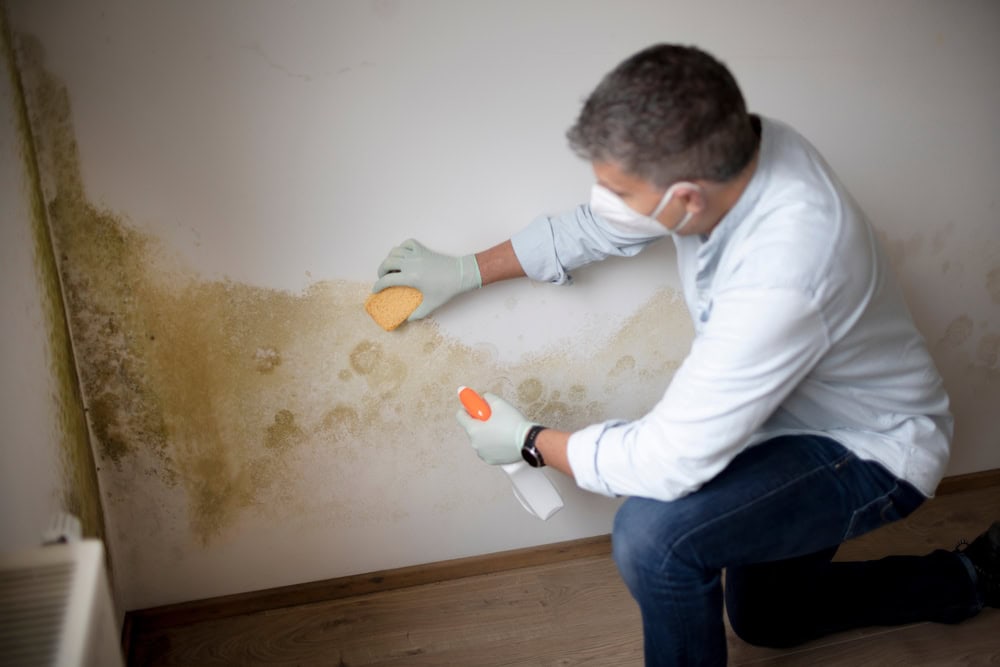
You’re not just looking at clean walls. You’re breathing easier. The musty smell is gone. Your kids aren’t coughing at night anymore.
That’s what complete mold remediation looks like. Not a quick scrub with bleach that pushes the problem deeper. Not a patch job that comes back in three months. Real removal that addresses why the mold showed up in the first place.
When moisture gets handled and contaminated materials get pulled out properly, mold doesn’t get a second chance. Your property value stays protected. Your air quality gets restored. And you stop wondering if you’re breathing in something that shouldn’t be there.
We’ve been handling mold problems in Atlanta, IN and surrounding areas with the kind of attention that actually solves them. Our technicians are IICRC-certified, which means they’ve been trained to follow the standards that matter—EPA guidelines, proper containment, real remediation protocols.
We’re not here to scare you or sell you services you don’t need. We show up, assess what’s actually happening, explain what needs to happen, and give you a clear price before any work starts. Atlanta’s older homes and Indiana’s climate create the perfect conditions for mold growth, especially in basements and crawl spaces. We’ve seen it all, and we know how to handle it right.
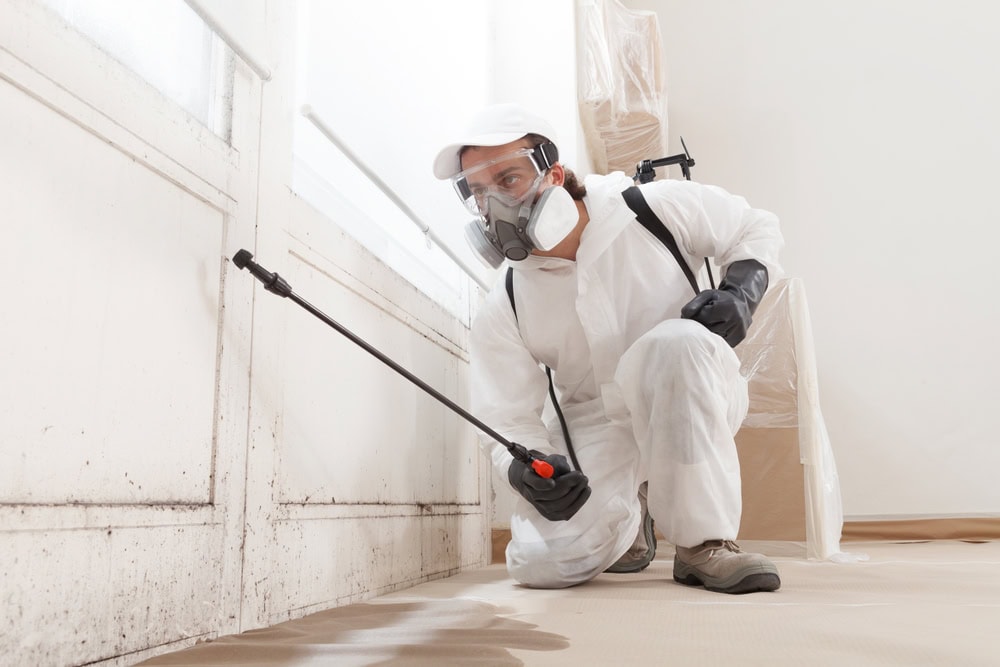
First, we inspect. Not just the visible mold, but the moisture source causing it. We use moisture meters and check behind walls, in HVAC systems, anywhere mold hides. You get a full picture of what you’re dealing with.
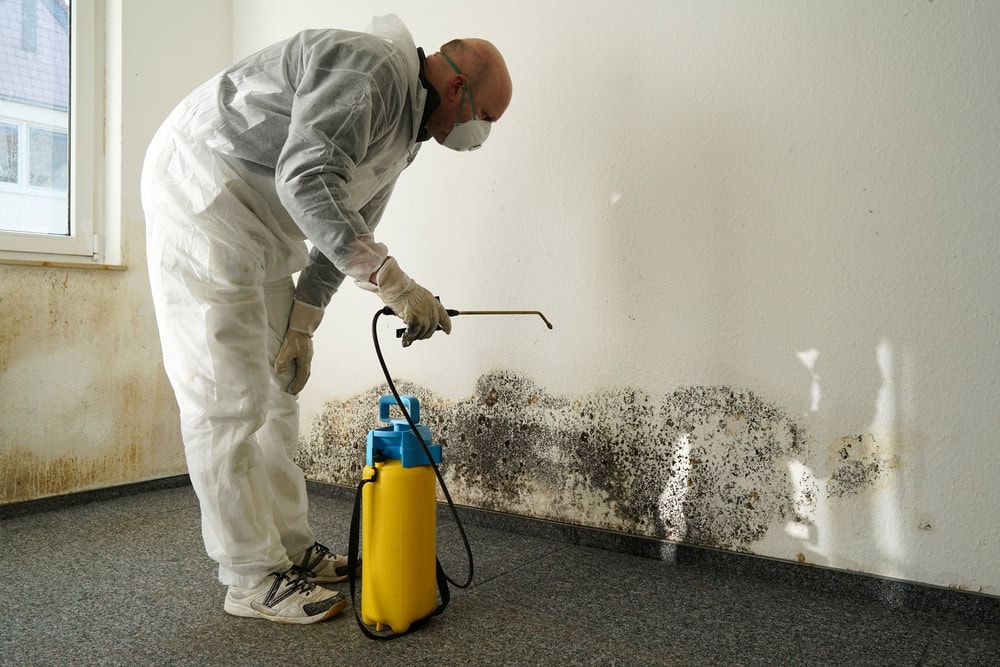
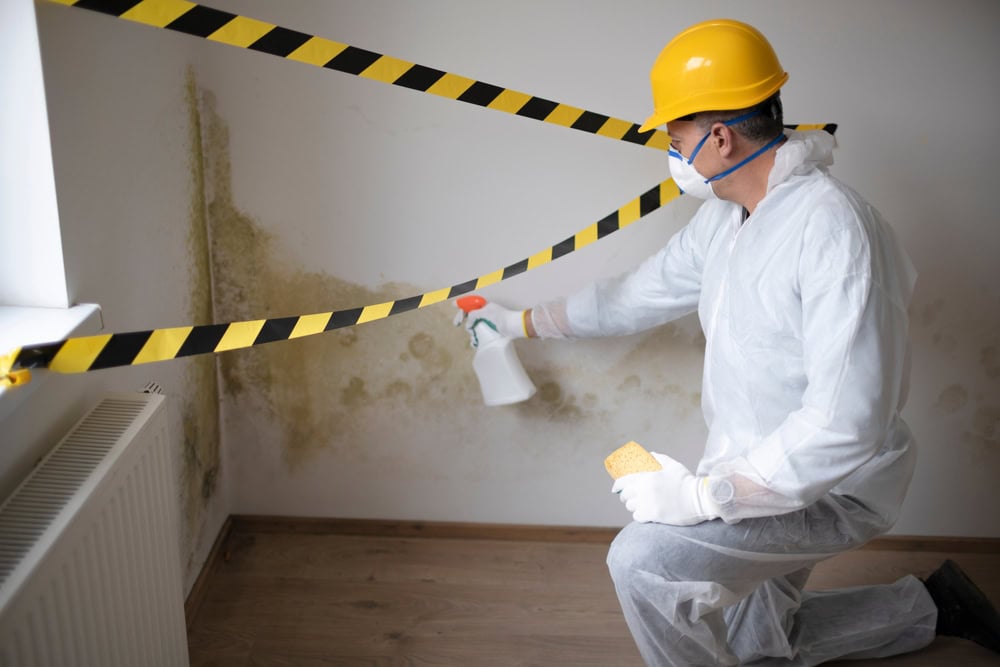
Next, containment. We seal off the affected area with plastic sheeting and negative air pressure. This keeps mold spores from spreading to clean areas while we work. HEPA air scrubbers run the entire time, pulling spores out of the air.
Then comes removal. Porous materials like drywall, insulation, or carpet that are contaminated get cut out and bagged for disposal. You can’t clean mold out of porous materials—it has to go. Non-porous surfaces get scrubbed and treated with antimicrobial solutions.
After removal, we treat surrounding areas and fix the moisture problem. Leaky pipes get noted. Ventilation issues get addressed. Dehumidification gets recommended. Because if moisture stays, mold comes back. Finally, we restore what was removed so your space looks normal again, and we can arrange post-remediation testing to verify the air is clean.
Ready to get started?
You’re getting a full inspection that identifies the type and extent of mold growth. Air and surface samples can be collected if needed to determine what species you’re dealing with—especially important if black mold is suspected.
Containment procedures prevent cross-contamination. Removal includes pulling out damaged materials and treating all affected surfaces. We handle disposal of contaminated materials according to proper protocols, sealed in heavy-duty bags.
For Atlanta, IN properties, we pay special attention to basements and crawl spaces where Indiana’s humidity creates ongoing moisture issues. Older homes in the area often have foundation concerns or poor ventilation that contribute to mold growth. We don’t just remove what’s visible—we help you understand what changes need to happen to prevent it from returning.
Post-remediation verification can be arranged through third-party testing. Many insurance policies cover mold remediation services if the damage resulted from a covered event like a burst pipe or storm damage. We provide the documentation you need for claims.
Most mold remediation projects in the Atlanta, IN area run between $1,000 and $6,000, depending on the size of the affected area and severity of the problem. Small jobs confined to one room or a limited area typically cost less. Large-scale contamination that requires removing drywall, insulation, and flooring across multiple rooms costs more.
The final price depends on several factors: where the mold is located, how much material needs to be removed, whether structural repairs are needed, and what caused the moisture problem in the first place. Crawl space remediation differs from attic work. Hidden mold behind walls requires more labor than surface mold on bathroom tiles.
We provide written estimates before starting any work. You’ll know exactly what you’re paying for and why. If insurance is involved, we can work with your adjuster and provide the documentation they need. The cost of proper remediation is almost always less than the cost of ignoring the problem—both in terms of property damage and potential health impacts.
Most residential mold remediation projects take anywhere from one to five days, depending on the extent of contamination and the size of the affected area. A single bathroom with surface mold might be done in a day. A flooded basement with mold growth throughout the space could take a full week.
The timeline includes inspection, containment setup, removal, treatment, drying, and restoration. Drying is often what takes the longest—you can’t rush it. Materials need to be completely dry before reconstruction happens, or you’re just creating conditions for mold to return.
We don’t cut corners to finish faster. Proper containment takes time to set up. HEPA filtration needs to run continuously during removal. Antimicrobial treatments need time to work. If we’re waiting on post-remediation test results before closing everything up, that adds a day or two. You want it done right more than you want it done fast, and we work with that priority in mind.
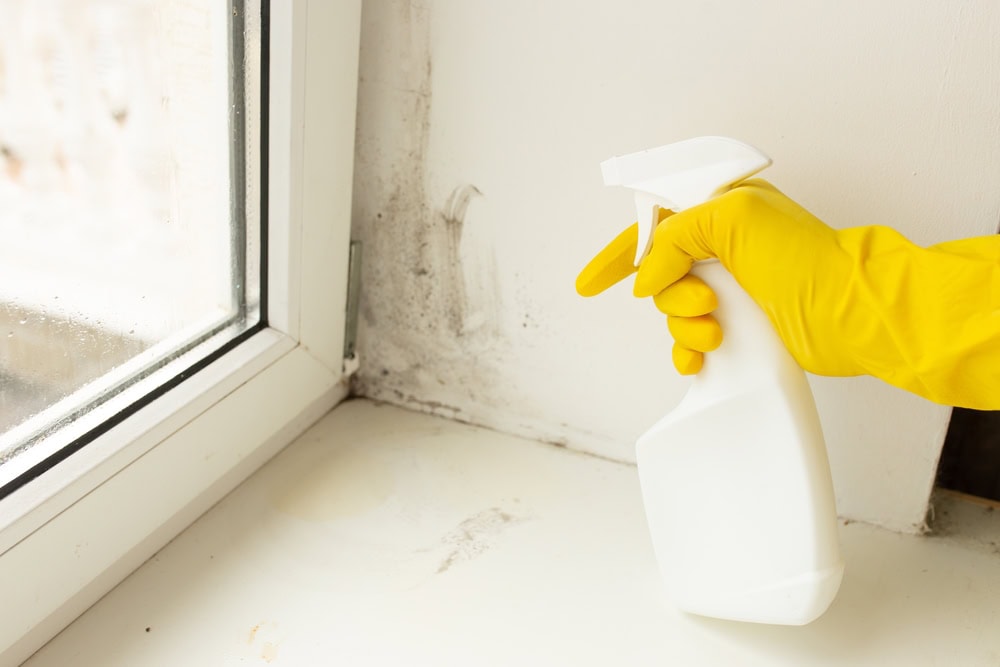
Bleach works on non-porous surfaces like tile or glass, but it doesn’t penetrate porous materials like drywall, wood, or insulation. Mold growing on or inside porous materials can’t be cleaned—the material has to be removed and replaced. Bleach also doesn’t address the moisture source, so even if you kill surface mold, it grows back.
The bigger issue is that disturbing mold without proper containment spreads spores throughout your home. Every time you scrub or spray, you’re releasing spores into the air. Without HEPA filtration running and the area sealed off, those spores settle in new locations and start new colonies.
Small areas—less than 10 square feet of surface mold on non-porous materials—can sometimes be handled by homeowners with proper safety gear. Anything larger, anything on porous surfaces, or anything involving black mold should be handled by professionals. We have the containment equipment, protective gear, and training to remove mold without making the problem worse. DIY attempts often end up costing more in the long run when the mold spreads or returns.
Moisture. That’s it. Mold needs moisture to grow, and Atlanta, IN properties face several common moisture sources. Basements in older homes often have foundation cracks or poor drainage that let water seep in. Crawl spaces without proper vapor barriers trap humidity. Leaky roofs, burst pipes, and plumbing failures create sudden water damage that leads to mold if not dried within 24-48 hours.
Indiana’s climate contributes too. Humid summers create condensation issues, especially in poorly ventilated spaces like attics and bathrooms. HVAC systems that aren’t maintained properly can harbor moisture and spread mold spores through ductwork. Even everyday activities like cooking and showering add moisture to indoor air—if that moisture doesn’t have a way out, it creates conditions for mold.
The key to prevention is controlling moisture. Fix leaks immediately. Improve ventilation in bathrooms and kitchens. Use dehumidifiers in basements. Make sure gutters direct water away from your foundation. Keep indoor humidity below 50%. When water damage happens, dry everything thoroughly within two days. Addressing moisture problems is the only way to prevent mold from growing in the first place.
Black mold—specifically Stachybotrys chartarum—can produce mycotoxins that cause more severe health reactions than common molds. It’s been linked to respiratory issues, chronic coughing, headaches, and fatigue. People with asthma, allergies, or weakened immune systems are especially vulnerable. That said, all mold can cause health problems, and you shouldn’t ignore any type of mold growth in your home.
The term “black mold” gets thrown around a lot, but not all black-colored mold is Stachybotrys. Several types of mold appear black or dark green. Proper identification requires lab testing. If you see black mold or suspect you have it, don’t try to remove it yourself. The health risks and potential for spreading spores make professional remediation the smart choice.
We treat all mold seriously, regardless of type. Our containment procedures, protective equipment, and removal methods are designed to handle even the most toxic varieties safely. If testing confirms black mold, we follow strict protocols to protect both our technicians and your household. The goal is complete removal with zero cross-contamination, and we have the training and equipment to make that happen.
Mold will come back if the moisture source isn’t fixed. That’s why proper mold remediation doesn’t just remove mold—it addresses why the mold grew in the first place. If you have a leaky pipe and we remove the mold but the pipe keeps leaking, you’ll have mold again in a matter of weeks. If your basement floods every spring and we don’t address drainage, the mold returns.
Our process includes identifying and documenting moisture sources. We’ll tell you what needs to be fixed—whether that’s a plumbing repair, better ventilation, foundation work, or improved drainage. Sometimes the fix is simple, like installing a dehumidifier or improving bathroom exhaust. Sometimes it requires more significant repairs. Either way, you need to know what’s causing the moisture so you can address it.
When the moisture source gets eliminated and remediation is done properly, mold doesn’t come back. Proper removal means pulling out all contaminated materials, treating all surfaces, and verifying through testing that spore counts are back to normal levels. We’ve seen plenty of mold problems that were “fixed” by someone who just sprayed and painted over it. That’s not remediation—that’s hiding the problem. Real remediation solves it.
Other Services we provide in Atlanta