Hear from Our Customers
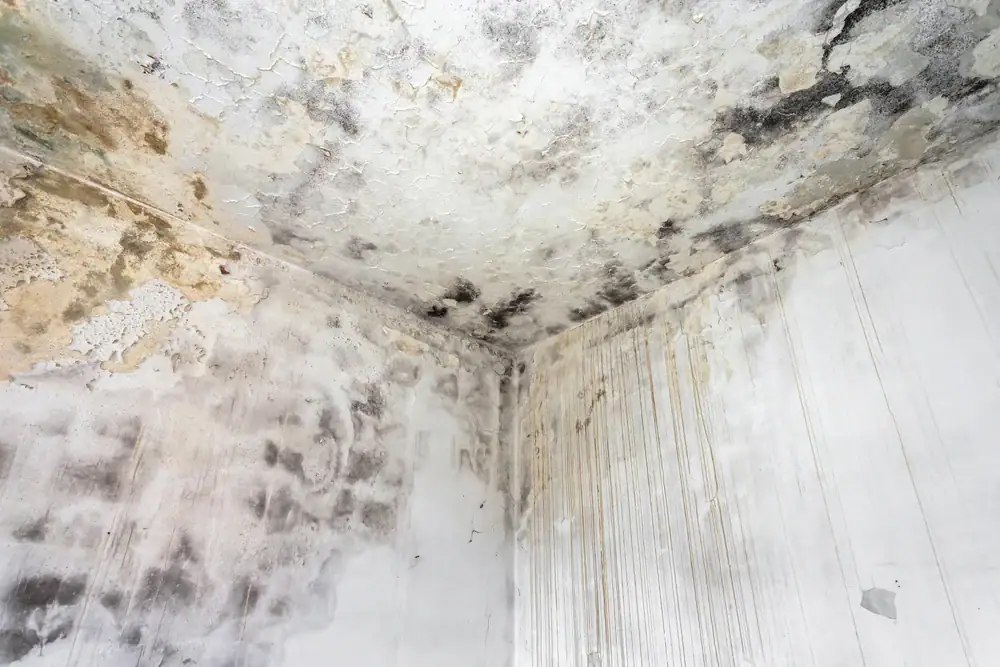
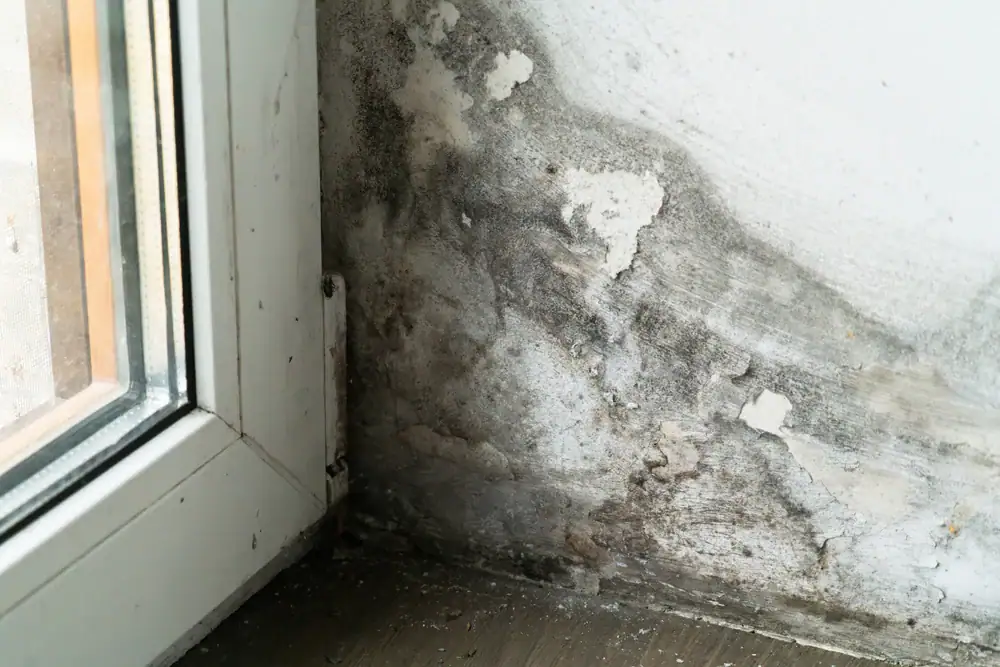
You spotted the dark patches behind the toilet. Or smelled that musty basement odor that won’t go away. Maybe your insurance adjuster used the word “mold” and now you’re wondering what happens next.
Here’s what matters: mold spreads fast in Clermont Heights homes, especially during our humid summers when indoor moisture climbs and your AC works overtime. What starts as a small spot can move through drywall and into adjacent rooms within 48 hours if the moisture source isn’t addressed.
The outcome you need is simple. Air that doesn’t make your kids cough. Walls that aren’t growing new colonies while you sleep. Documentation your insurance company actually accepts. And someone who shows up when they say they will, does the work right, and doesn’t leave you guessing about what’s happening in your own house.
That’s what mold remediation should look like when it’s done correctly. You get your space back, the source gets fixed, and the problem doesn’t come back next season because someone only treated the symptom.
We handle water damage, mold cleanup, fire restoration, and biohazard work across Central Indiana. We’re IICRC-certified in Water Restoration, Applied Structural Drying, and Applied Microbial Remediation—the credentials that matter when you’re dealing with something that affects your family’s health.
We’ve worked in Clermont Heights long enough to know the housing stock here. Newer builds with HVAC systems that trap humidity. Older homes with crawl spaces that stay damp year-round. Basements that flood every spring when the water table rises.
You’ll reach a live person when you call, even at 2 a.m. We’ll be on-site in 60 to 90 minutes with moisture meters, thermal imaging, and a plan. And we’ll work directly with your insurance company using the same Xactimate software they use, so your claim doesn’t get held up over pricing disputes.
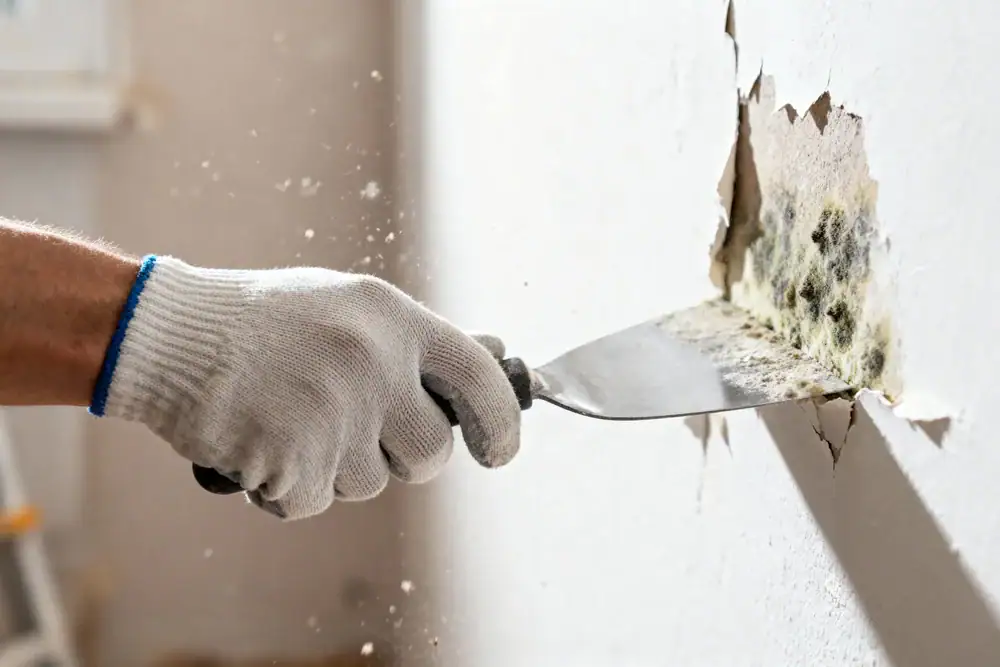
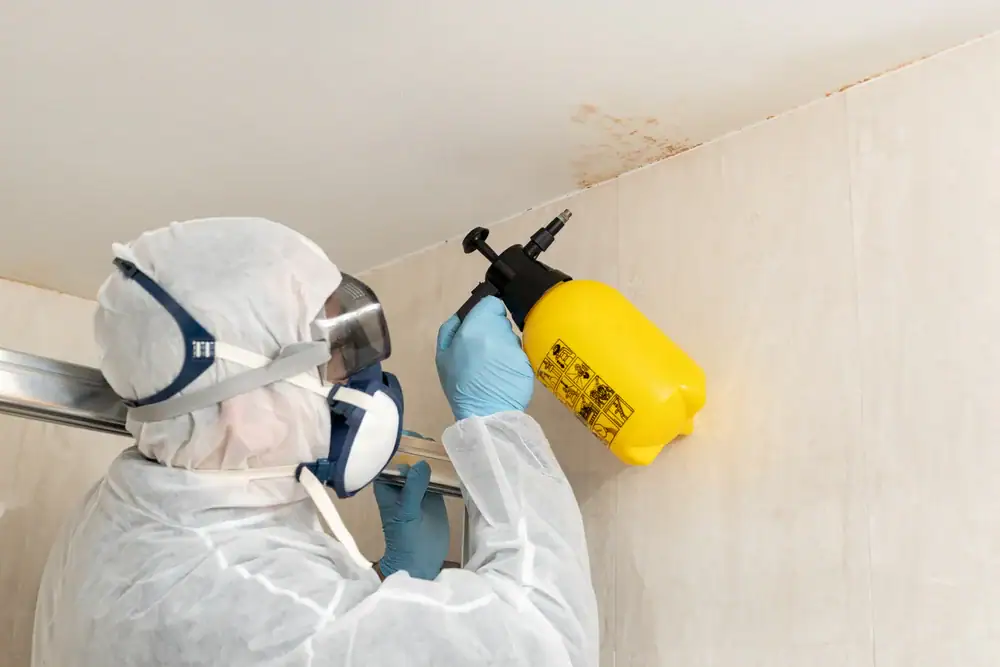
First, we contain the affected area with plastic sheeting and negative air pressure so mold spores don’t spread to clean rooms while we work. HEPA filtration runs the entire time. We wear shoe covers, and we’re not tracking anything through your house.
Next, we map the moisture with infrared cameras and pin-type meters to find where water is hiding—because if we only remove visible mold and leave wet insulation or a slow pipe leak, you’ll be calling someone again in three months. We document everything with photos and moisture readings within 24 hours. You’ll get progress updates every 48 hours after that, and so will your insurance adjuster if you’re filing a claim.
Then we remove contaminated materials that can’t be saved, treat surfaces with antimicrobial solutions, and dry everything down to industry standard levels—under 15% moisture content for wood, under 1% for concrete. We don’t guess. We measure.
After remediation, we walk the space with you, answer your questions, and schedule a follow-up visit 14 days later to verify nothing’s come back. If you need reconstruction—new drywall, paint, trim—we handle that too. One team, start to finish.
Ready to get started?
You’re not just getting mold wiped off a wall. You’re getting a full-scope remediation that addresses the moisture source, removes contaminated materials safely, and prevents regrowth.
That includes containment barriers and HEPA air scrubbers to protect the rest of your home. Thermal imaging and moisture mapping to find hidden water damage your eye can’t see. Antimicrobial treatment on all affected surfaces. Disposal of materials like drywall, insulation, or carpeting that can’t be salvaged. And complete documentation with before-and-after photos, moisture logs, and scope-of-work summaries your insurance company needs to process your claim.
In Clermont Heights, we see a lot of basement mold from foundation seepage, attic mold from roof leaks that went unnoticed, and bathroom mold from exhaust fans that vent into the attic instead of outside. We also see mold behind washing machines, under sinks, and in crawl spaces where humidity sits above 60% most of the year. Each situation is different, but the protocol stays the same: find the water, remove the mold, dry it down, verify it’s gone.
If your home was built before 1978, we follow EPA lead-safe practices during demolition. If you’re filing an insurance claim, we coordinate directly with your adjuster and use Xactimate pricing so there’s no back-and-forth over line items. And if you’re paying out of pocket, we offer discounts for military members, seniors, first responders, teachers, and new customers.
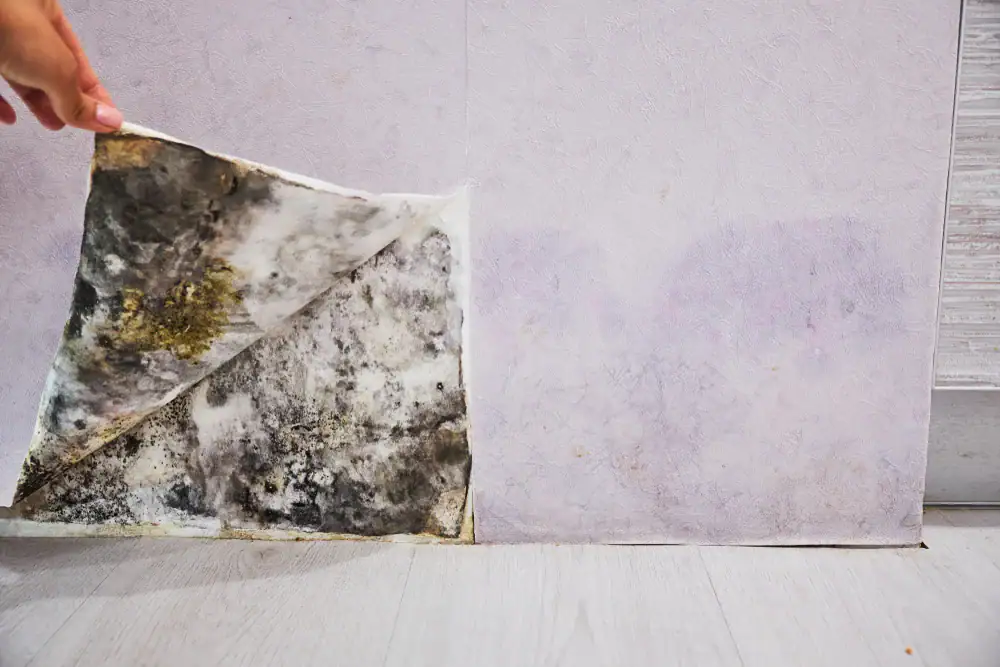
Mold can start growing within 24 to 48 hours if the moisture level stays high enough. That’s why speed matters after a pipe burst, roof leak, or basement flood.
In Clermont Heights, our humid summers make it even easier for mold to take hold. If your AC isn’t pulling enough moisture out of the air, or if you’ve got a slow leak that’s been dripping behind a wall for weeks, you’re creating the exact conditions mold needs to spread. The longer water sits, the deeper it soaks into drywall, insulation, and subfloors—and the bigger your remediation job becomes.
Drying everything within the first 48 hours gives you the best chance of avoiding mold altogether. That’s why we prioritize fast response. If you call us today, we’re on-site in 60 to 90 minutes with equipment to start pulling moisture out immediately.
It depends on what caused the mold. If it’s from a sudden, accidental event—like a burst pipe, storm damage, or appliance failure—most policies will cover remediation. If it’s from long-term neglect, poor maintenance, or ongoing humidity issues, coverage is unlikely.
The key is reporting the problem fast and documenting everything from day one. Insurance companies want to see that you took immediate action to mitigate damage. That’s where our documentation process helps. We provide photos, moisture maps, and detailed scope reports within 24 hours, all formatted the way adjusters expect to see it.
We also work directly with your insurance company as a liaison. We’ll walk them through the damage, explain what needs to be done, and submit estimates using Xactimate—the same software they use to price claims. That eliminates pricing disputes and speeds up approval. If your claim gets denied or you’re not sure if you’re covered, we’ll still give you a transparent estimate so you know exactly what you’re looking at.
Mold removal means cleaning visible mold off surfaces. Mold remediation means addressing the entire problem—removing contaminated materials, fixing the moisture source, and preventing regrowth.
You can wipe mold off a wall with bleach, but if there’s still a leak behind that wall or humidity above 60% in your basement, the mold will come back. Remediation goes deeper. We remove drywall, insulation, or flooring that’s been compromised. We treat framing and structural surfaces with antimicrobial solutions. We dry everything down to safe moisture levels and verify it with meters, not guesswork.
Then we identify why the mold grew in the first place. Was it a roof leak? Condensation from an uninsulated pipe? A crawl space with no vapor barrier? If we don’t fix the source, we’re just setting you up for another remediation six months from now. That’s the difference. Removal is surface-level. Remediation is complete.
You can’t tell by looking at it. Black mold (Stachybotrys chartarum) looks dark and slimy, but so do other types of mold. The only way to know for sure is lab testing, but here’s the truth: it doesn’t really matter for remediation purposes.
The CDC and EPA both say the same thing—all mold should be removed, regardless of type. Whether it’s black mold, green mold, or white mold, the health risks and the removal process are the same. Mold releases spores that can cause respiratory issues, allergic reactions, and aggravate asthma. Some people are more sensitive than others, but no mold is safe to leave in your home.
If you’re seeing mold growth, smelling musty odors, or dealing with unexplained allergy symptoms that get worse indoors, you need remediation. We’ll test moisture levels, identify the contaminated areas, and remove everything that’s affected. If you want lab testing for peace of mind or insurance documentation, we can arrange that—but it won’t change how we approach the job. All mold gets treated seriously.
Most residential mold jobs take two to five days, depending on the size of the affected area and how much material needs to be removed. A small bathroom with mold around the tub might be done in two days. A finished basement with mold behind drywall and in the insulation could take a week.
The timeline also depends on drying time. We can’t close up walls or start reconstruction until moisture levels drop below 15% for wood and 1% for concrete. In Clermont Heights’ humid climate, that sometimes means running dehumidifiers and air movers for a few extra days to hit those targets.
Here’s what slows things down: hidden damage we didn’t know about until we opened the walls, insurance approval delays, or additional water intrusion while we’re working. Here’s what speeds things up: catching the problem early, having clear access to the affected areas, and getting insurance approval quickly. We’ll give you a realistic timeline after the initial inspection, and we’ll update you every 48 hours so you’re never guessing where we’re at.
Usually, yes—but it depends on the size and location of the work area. If we’re remediating a guest bathroom or a section of your basement, we’ll seal off that area with plastic containment barriers and negative air pressure so mold spores don’t spread. The rest of your house stays safe and livable.
If the mold covers a large area, affects your HVAC system, or involves spaces like your kitchen or primary bedroom, we might recommend staying elsewhere for a few days. That’s especially true if anyone in your home has asthma, mold allergies, or a compromised immune system. Even with containment, sensitive individuals can react to airborne spores during active remediation.
We’ll walk you through the plan during our initial visit and let you know what makes sense for your situation. If you do need to leave, we’ll work as fast as possible to get you back in. And we’ll keep the space secure—locked up, equipment monitored, and progress documented daily so you know exactly what’s happening even if you’re not there.
Other Services we provide in Clermont Heights