Hear from Our Customers
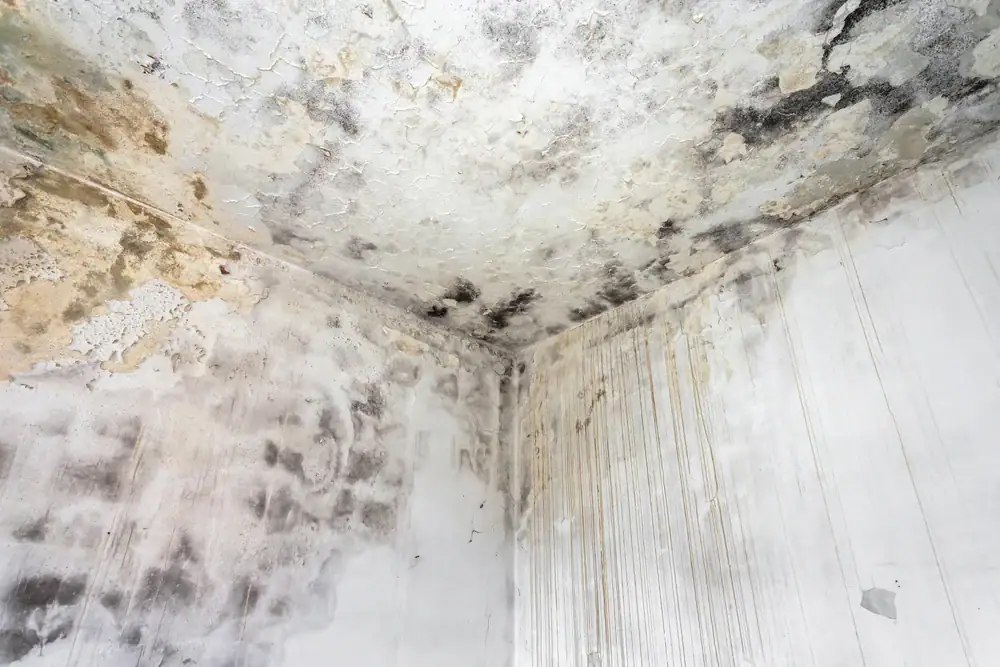
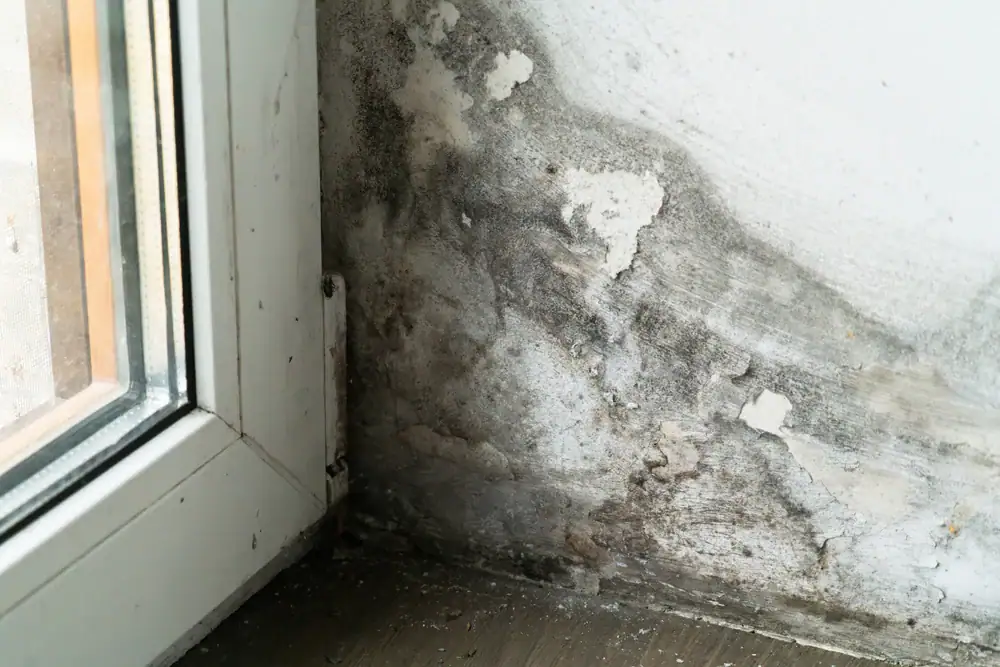
You stop worrying about what’s growing behind your walls. The air in your home feels cleaner, and you’re not constantly second-guessing whether your kids’ cough is from mold exposure.
Your insurance claim moves forward with the documentation adjusters actually need—moisture maps, photo logs, and progress reports every 48 hours. No gaps, no guessing, no claim denials because something wasn’t recorded properly.
The affected area gets sealed off with HEPA filtration so spores don’t migrate to clean rooms. You’re not dealing with cross-contamination or having to throw out belongings that didn’t need to be touched. And when the job’s done, you get a walkthrough that explains what was removed, what was treated, and what to watch for—plus a follow-up two weeks later to confirm nothing’s come back.
We’ve handled mold cleanup in Critchfield and across Central Indiana for over eight years. We’re IICRC-certified in Water Restoration, Applied Structural Drying, and Applied Microbial Remediation—the credentials that matter when you’re dealing with black mold removal or hidden growth in crawl spaces.
Indiana’s freeze-thaw cycles and humidity swings create perfect conditions for mold. Older homes in Critchfield—many built before modern moisture barriers—are especially vulnerable after basement flooding or slow roof leaks. We’ve seen it all, and we know how to stop it before it becomes a bigger problem.
You’ll talk to a live person when you call, not a voicemail system. We’re available 24/7 because mold doesn’t wait for business hours, and neither do we.
First, we’re on-site within 60 to 90 minutes in most cases. Our team does a full mold inspection with moisture meters and thermal imaging to map the affected area—not just the visible spots, but where moisture is hiding. You get photos and a moisture map within 24 hours.
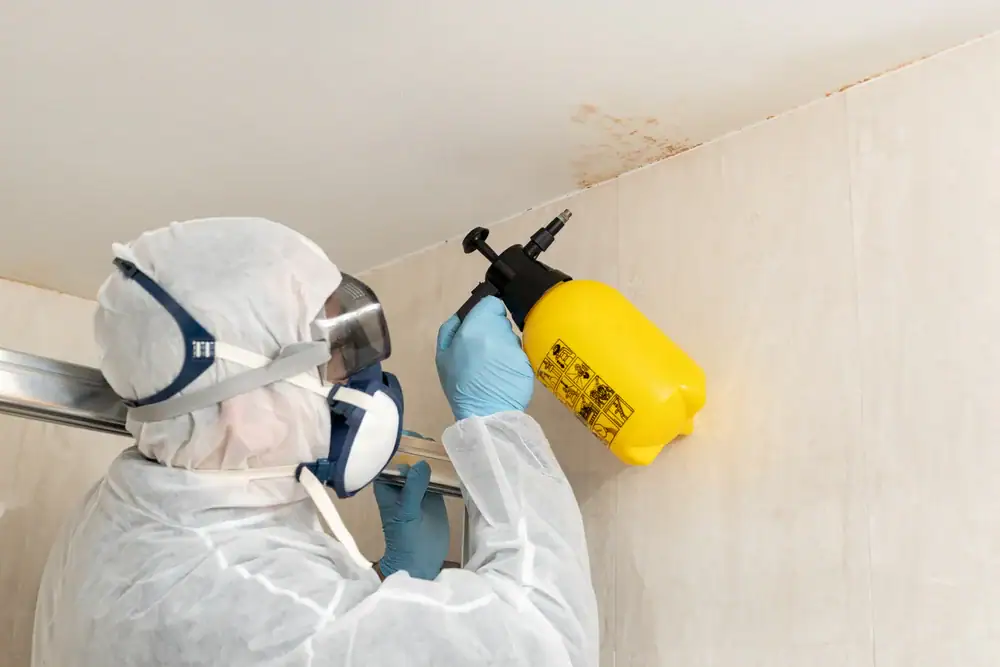
Next, we set up containment with plastic sheeting and negative air pressure so spores don’t spread to other rooms. HEPA air scrubbers run continuously. We wear shoe covers, and we protect your unaffected belongings before we start any removal work.
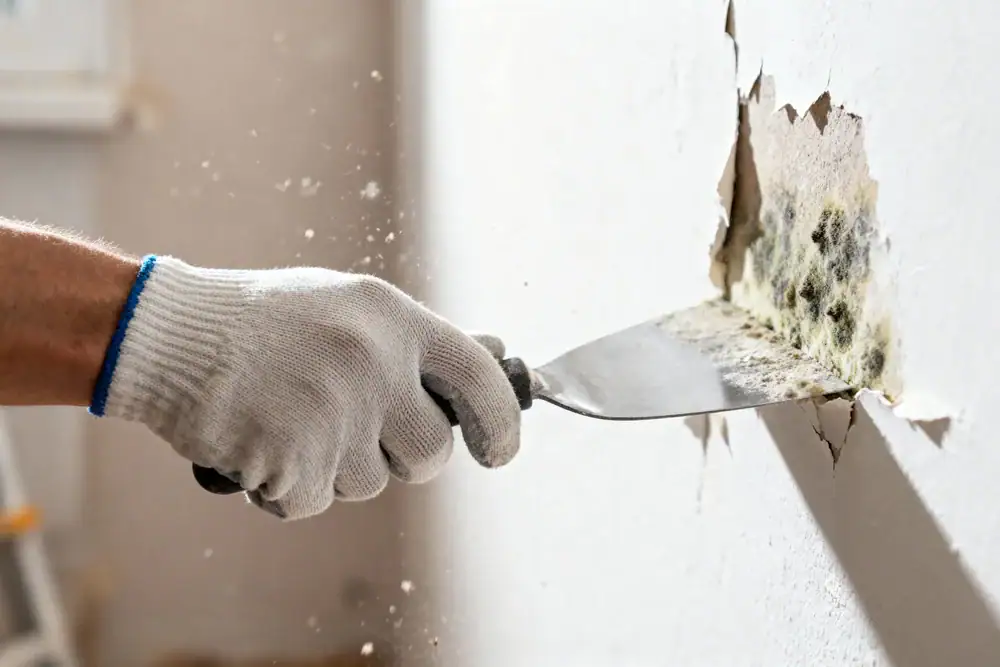
Then comes the actual remediation. Porous materials that can’t be saved—drywall, insulation, carpet—get bagged and removed. Non-porous surfaces get treated with antimicrobial solutions. If there’s contents that need to go into temporary storage, we handle pack-out and document everything for your insurance claim.
After removal, we dry the space completely using commercial dehumidifiers and air movers. Moisture levels get rechecked to confirm the area is dry—not just surface-dry, but structurally dry. You get progress updates every 48 hours, and a final walkthrough when the job’s complete. Two weeks later, we follow up to make sure nothing’s returned.
Ready to get started?
You’re getting containment that actually works—HEPA filtration, negative air machines, and physical barriers that keep spores out of your living space. You’re getting documentation your insurance company will accept: Xactimate-aligned estimates, moisture readings, before-and-after photos, and a dedicated claims liaison who speaks adjuster language.
In Critchfield and throughout Indiana, basements and crawl spaces are common mold hotspots. We handle both, plus attic mold from roof leaks and wall cavities affected by plumbing failures. If your HVAC system spread spores after a fire or water event, we’ll clean ductwork too.
You also get transparency. We’ll tell you if something doesn’t need to be removed. We’ll explain why certain materials have to go and others can be saved. And if you’re a veteran, teacher, first responder, or senior, you’ll get a discount on non-insurance work—because that’s how we operate.
The goal isn’t just mold cleanup. It’s making sure it doesn’t come back. That means identifying the moisture source, fixing it, and confirming the space is dry enough that regrowth won’t happen.
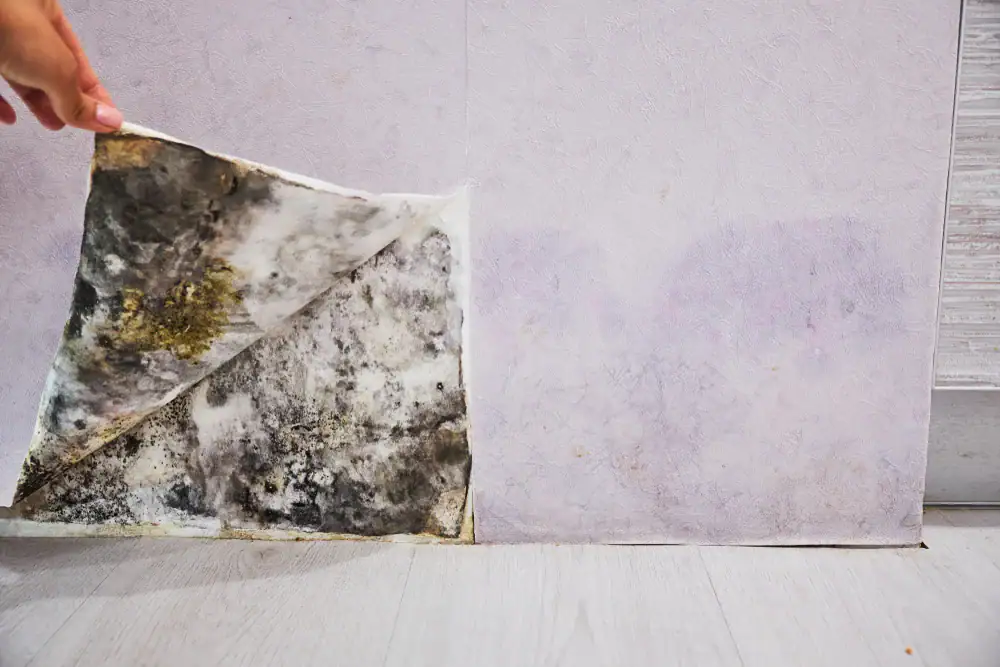
We’re typically on-site within 60 to 90 minutes after you call, and we’re available 24/7. Speed matters because mold spreads fast—especially in humid conditions or after water damage.
The sooner we contain the affected area, the less chance spores have to migrate into clean rooms or onto unaffected belongings. Our trucks are stocked with containment materials, moisture meters, and HEPA equipment, so we start the inspection and initial containment the same day you call.
If you’re dealing with an insurance claim, fast response also means faster documentation. Adjusters want to see that mitigation started promptly, and we make sure that timeline is clear in every report we file.
It depends on what caused the mold. Most homeowners policies cover mold remediation if it resulted from a “covered peril”—like a sudden pipe burst, storm damage, or appliance leak. They typically won’t cover mold from long-term neglect or maintenance issues like a slow roof leak you ignored for months.
We work directly with your insurance company. Our claims liaison submits all documentation—photos, moisture maps, scope of work—in the format adjusters expect. We use Xactimate pricing, which is the same software most insurers use, so there’s no dispute over line items.
If your claim gets approved, we can bill your insurance directly in many cases. If it’s not covered, we’ll give you a clear estimate up front so there are no surprises. And if you’re paying out of pocket, you may qualify for our military, senior, or first responder discount.
Containment is the first step. We seal off the affected area with plastic sheeting and create negative air pressure using HEPA-filtered air scrubbers. That means air flows into the work zone, not out of it—so spores can’t escape into your kitchen, bedrooms, or other clean areas.
We also bag moldy materials before we carry them through your home. Porous items like drywall and insulation get double-bagged and removed through the most direct path—often an exterior door or window. Non-porous surfaces get wiped down with antimicrobial solution before containment comes down.
Our team wears protective gear and shoe covers. We don’t track contamination into unaffected rooms. And we run air scrubbers continuously during the job and for at least 24 hours after removal is complete to capture any airborne spores that were disturbed during the work.
Mold removal usually means scrubbing visible mold off a surface. Mold remediation means addressing the entire problem—removing contaminated materials, treating surfaces, eliminating the moisture source, and confirming the space is dry enough that mold won’t return.
You can’t just bleach mold off drywall and call it fixed. If the drywall is porous and the mold has penetrated, it needs to be cut out and replaced. If the moisture source—a leaking pipe, poor ventilation, groundwater intrusion—isn’t fixed, mold will grow back in weeks.
Remediation also includes containment, air filtration, and documentation. It’s a controlled process that follows IICRC standards, not a quick cosmetic fix. That’s why insurance companies require certified remediation for claims, and why DIY mold removal often fails.
Most residential mold jobs in Critchfield take two to five days, depending on the size of the affected area and how much material needs to be removed. A small bathroom with mold behind the vanity might be done in two days. A finished basement with mold in multiple wall cavities could take a week.
Drying time is the variable. Even after contaminated materials are removed, we need to dry the structure completely—studs, subfloor, concrete—so mold doesn’t return. We use moisture meters to confirm levels are below 15% before we consider the space safe for reconstruction.
You’ll get a timeline during the initial inspection. We don’t rush the drying phase just to close the job faster. If moisture is still present, we keep equipment running until it’s gone. That’s how you prevent callbacks and recurring mold problems.
Not usually, as long as the affected area can be properly contained. If mold is limited to a basement, crawl space, or single room, we seal that area off and you can stay in the rest of your home safely.
If the contamination is widespread—multiple rooms, HVAC system involvement, or high spore counts throughout the house—we may recommend temporary relocation, especially if anyone in your household has asthma, allergies, or a compromised immune system. Your health comes first.
We’ll tell you up front if relocation makes sense. If you do need to leave, we’ll document that recommendation for your insurance claim, since many policies cover temporary housing costs during remediation. Either way, we’ll give you a clear answer based on the scope of the problem, not a generic “it depends” response.
Other Services we provide in Critchfield