Hear from Our Customers
You stop wondering if that cough is from the basement. Your kids’ asthma symptoms ease up. The musty smell disappears, and you’re not embarrassed when people visit.
Property value concerns go away because you have documentation showing the problem was handled correctly. If you’re selling, buyers don’t walk. If you’re staying, you’re not worried about what’s growing behind the walls.
Insurance companies get what they need without you playing middleman. The moisture source gets fixed so mold doesn’t come back in three months. You get a clearance report proving the air is safe, and a follow-up call two weeks later to make sure everything’s still dry.
That’s what complete mold remediation looks like. Not just scrubbing visible spots and hoping for the best.
We’ve handled mold remediation across Central Indiana for nearly a decade. We’re IICRC-certified in Applied Microbial Remediation, which means we follow the actual protocols that protect your health and satisfy insurance requirements.
We’re not a franchise. We’re local, BBB A+ accredited, and we answer our own phones 24/7. When you call, you get someone who knows Deming’s older housing stock, the humidity issues that hit every summer, and the freeze-thaw cycles that crack foundations and let water in.
Most of our work comes from insurance claims, so we know how to document everything correctly the first time. We also know that half of homeowners who discover mold are dealing with a crisis, not a planned project. That’s why we’re set up to move fast without cutting corners.
You call, we answer, and someone’s on-site in 60 to 90 minutes. First visit is a full inspection with moisture meters and infrared cameras to find hidden growth. We map everything, take photos, and give you a written scope within 24 hours.
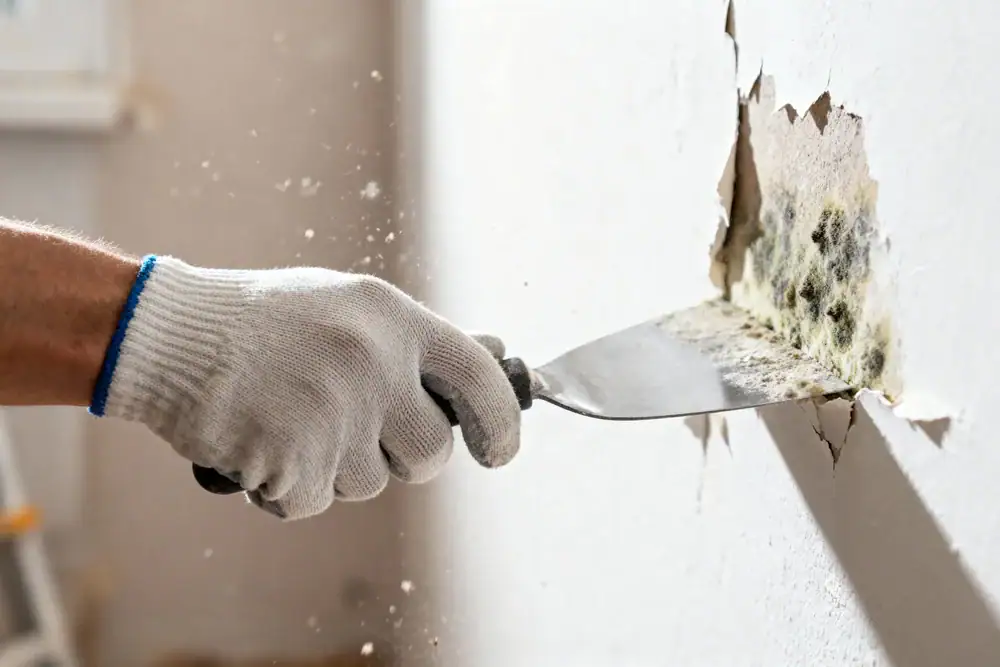
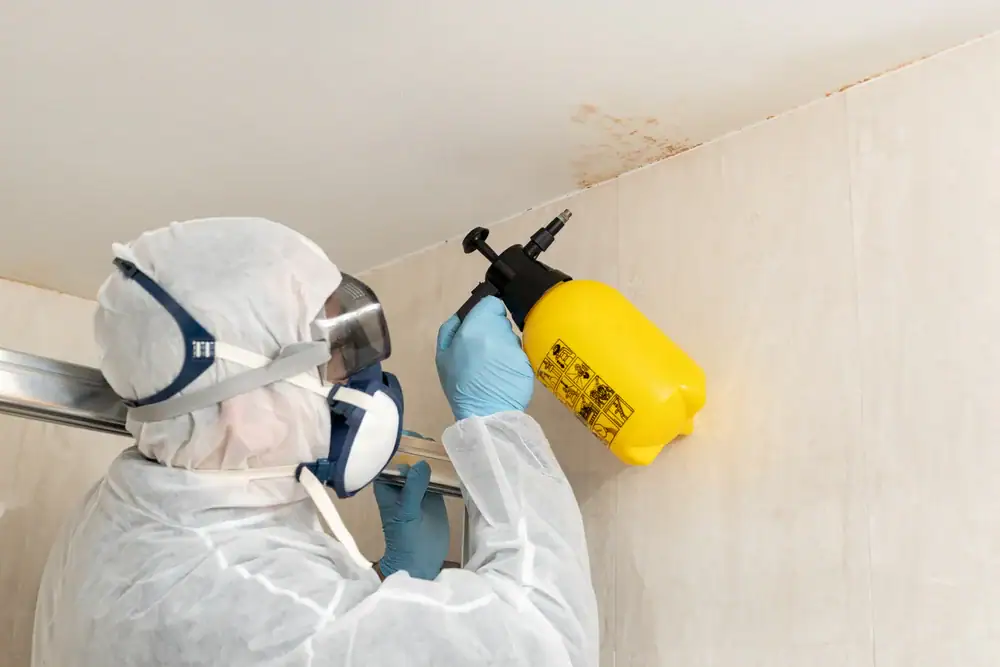
Before removal starts, we set up containment barriers and HEPA filtration so mold spores don’t spread to clean areas. Affected materials get removed following IICRC standards. We don’t just spray bleach and call it done—if drywall or insulation is compromised, it comes out.
While we’re working, you get progress updates every 48 hours with photos. Once remediation is complete, we bring in third-party testing to verify air quality. You get a clearance report, and we follow up in two weeks to confirm the moisture issue hasn’t returned. If you’re filing a claim, we handle all communication with your adjuster using Xactimate pricing so there’s no confusion.
Ready to get started?
Every mold remediation project includes moisture source identification, because mold doesn’t grow without water. We find the leak, the condensation problem, or the drainage issue causing it. If we don’t, you’re paying for removal twice.
You get containment with plastic sheeting and negative air pressure to protect unaffected rooms. HEPA vacuums and air scrubbers run continuously during removal. We wear protective gear and shoe covers, and we treat your home like it’s ours.
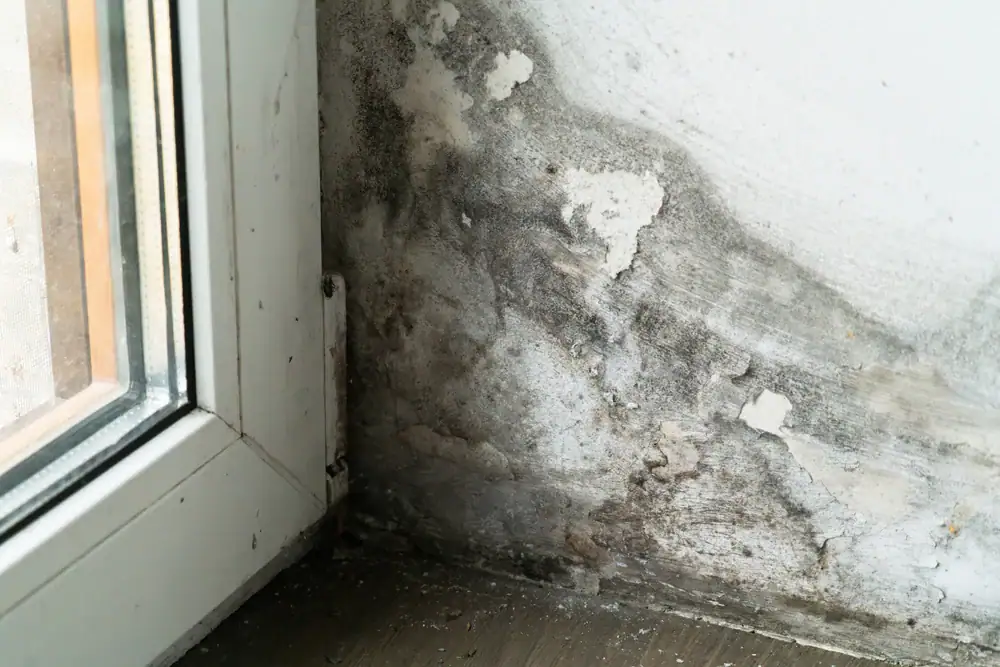
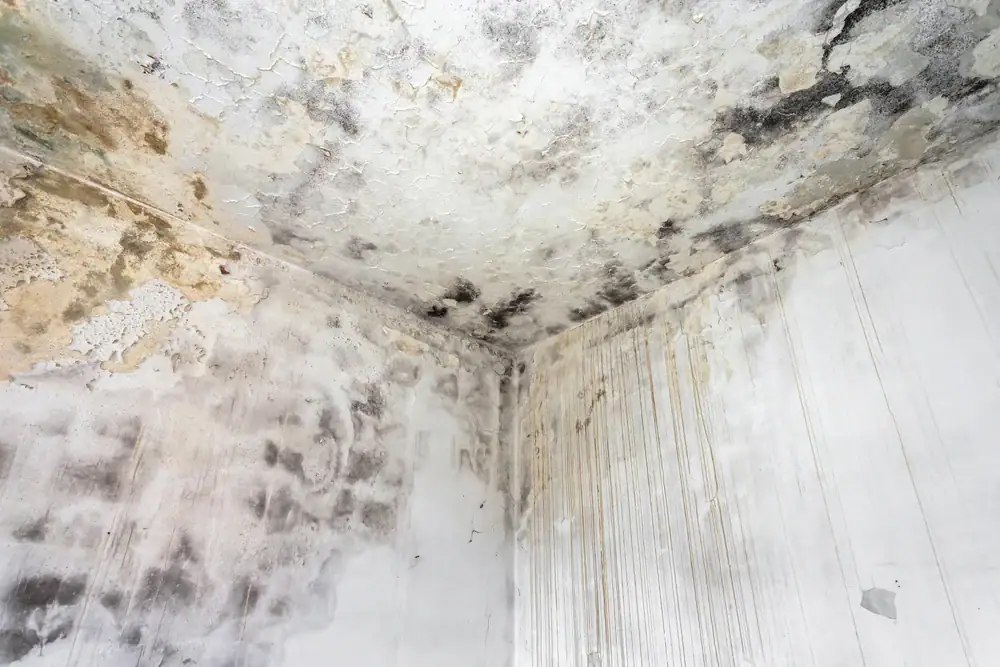
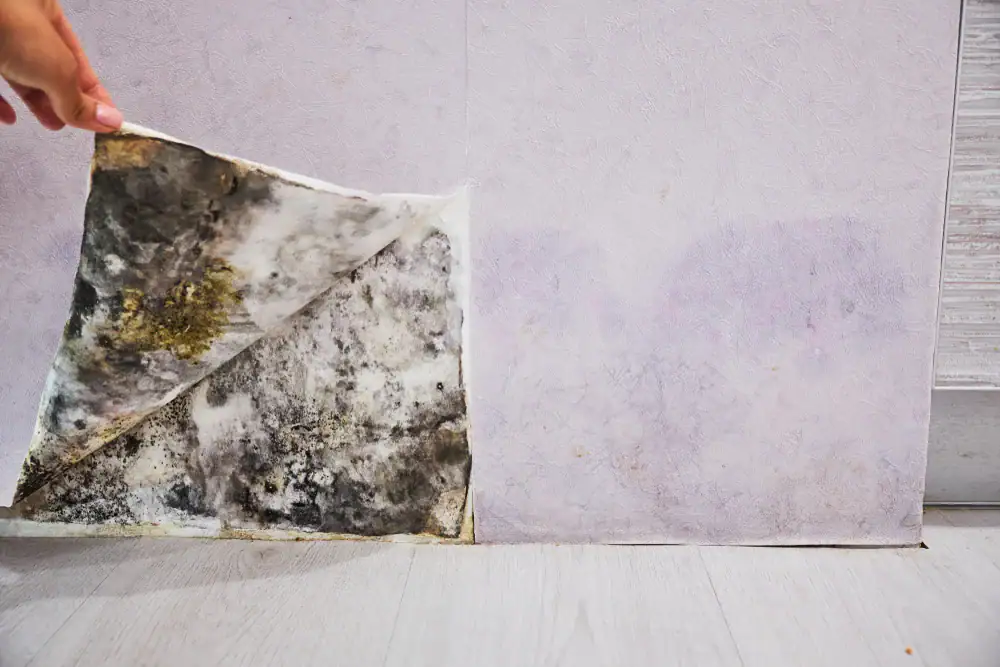
Deming’s older homes often have mold in crawl spaces, behind wallpaper, and under carpeting near exterior walls. Indiana’s humidity makes basements a constant risk, especially after spring storms or summer moisture. We see black mold, aspergillus, and penicillium regularly—all of which can trigger respiratory issues, especially in kids and anyone with compromised immunity.
After removal, you get written documentation with before-and-after photos, lab results if testing was done, and a moisture map showing all affected areas were addressed. If you’re working with insurance, we bill them directly. If you’re paying out of pocket, we offer discounts for military, seniors, and first responders.
Most mold remediation projects in Deming run between $1,500 and $4,000, depending on the size of the affected area and how much material needs removal. A small bathroom with surface mold might cost $1,500. A finished basement with hidden growth behind drywall can reach $6,000 or more.
Insurance typically covers mold remediation if it resulted from a covered peril like a burst pipe or storm damage. They won’t cover it if it’s from long-term neglect or a maintenance issue you ignored. We use Xactimate pricing, which is the same software adjusters use, so our estimates align with what insurance will pay.
If you’re paying out of pocket, we’ll walk you through what’s necessary versus optional. Some companies upsell testing and air scrubbing you don’t need. We don’t. You’ll get a transparent scope based on IICRC protocols, and we offer payment plans for larger jobs.
Small jobs—like mold under a sink or in a shower—usually take one to two days. Larger projects involving multiple rooms, crawl spaces, or structural materials can take four to seven days, depending on drying time and the extent of removal required.
The timeline depends on how much containment is needed, whether we’re removing drywall or just cleaning surfaces, and how long it takes for materials to dry completely after the moisture source is fixed. Rushing this process leads to mold coming back, which is why we use moisture meters to confirm everything’s dry before we close up walls.
You’ll know the timeline upfront. We don’t start work until you’ve seen the scope and agreed to the schedule. Most homeowners can stay in the house during remediation as long as containment is in place, but if the affected area is large or near bedrooms, we might recommend staying elsewhere for a few days.
If it’s a small area—less than 10 square feet—and it’s on a hard, non-porous surface like tile, you can clean it yourself with detergent and water. The EPA says that’s generally safe for minor surface mold.
Anything larger, anything behind walls, or anything involving porous materials like drywall, insulation, or carpet requires professional remediation. Mold spreads through microscopic spores. Disturbing it without proper containment and filtration sends those spores into your HVAC system and throughout your home.
Black mold (Stachybotrys) and other toxigenic species can cause serious respiratory problems, especially for kids, elderly family members, or anyone with asthma or weakened immunity. DIY mold removal also won’t satisfy insurance requirements or pass inspection if you’re selling your home. If you’re unsure, we offer free inspections. We’ll tell you honestly whether you need us or if it’s something you can handle yourself.
Mold comes back if the moisture source isn’t fixed. That’s the most common reason remediation fails. You can remove every visible spore, but if there’s still a roof leak, a plumbing drip, or condensation from poor ventilation, mold will regrow within weeks.
That’s why our process starts with finding and documenting the water source. We don’t just treat the symptom. If your basement floods every spring, we’ll recommend drainage solutions. If your crawl space has standing water, we’ll talk about vapor barriers and dehumidification. If your bathroom exhaust fan isn’t vented outside, we’ll point that out.
We also provide a 14-day follow-up to check moisture levels and make sure everything’s still dry. If mold returns within the warranty period and it’s not due to a new water event, we’ll come back and address it. Most of our clients never see mold again because we handled the root cause, not just the surface problem.
It depends on what caused the mold. If a covered event like a burst pipe, storm damage, or appliance failure caused sudden water intrusion, and you reported it promptly, insurance usually covers remediation. If mold resulted from long-term neglect, a slow leak you ignored, or lack of maintenance, they’ll likely deny the claim.
Most policies have mold coverage limits—often $10,000 to $25,000—so it’s worth checking your policy. Some insurers require remediation to start within a certain timeframe after water damage, which is another reason our 60-90 minute response time matters.
We handle insurance claims daily. We’ll document everything with photos, moisture readings, and detailed notes that adjusters need. We bill insurance directly so you’re not fronting thousands of dollars and waiting for reimbursement. If your claim gets denied, we’ll work with you on pricing and payment options. We’ve also helped clients appeal denials when the adjuster missed key details.
Mold removal sounds like you’re getting rid of every spore, but that’s not realistic. Mold spores exist everywhere—in the air, on surfaces, outdoors. Complete removal is impossible. What matters is bringing spore levels back to normal, safe concentrations and eliminating active growth.
Mold remediation is the correct term because it means returning the environment to a healthy state. That includes removing contaminated materials, cleaning affected surfaces, controlling moisture, and verifying air quality afterward. It’s a process, not just a cleaning job.
Companies that promise “complete mold removal” are either overselling or don’t understand the science. IICRC-certified remediators use the term remediation because it’s accurate. We’re restoring your home to a condition where mold isn’t actively growing and spore counts are within acceptable limits. That’s what keeps your family safe and satisfies insurance, real estate, and health requirements.
Other Services we provide in Deming