Mold Remediation in El Dorado, IN
Your Family's Health Can't Wait on Mold
Hear from Our Customers
Mold Removal Services in El Dorado
You’re not wondering if the mold is really gone. You have documentation proving it—moisture readings, photos, air quality verification. Your insurance adjuster has everything they need, because we speak their language and use the same pricing software they do.
Your kids can play in the basement again without you worrying. That musty smell that’s been bothering you for months? Gone. The black spots creeping up your bathroom wall? Removed, along with the moisture source that caused them.
You’re not calling us back in six months because the problem returned. We don’t just clean what you can see—we address what’s behind the walls, map the moisture, and make sure your home is actually dry. You get a follow-up visit in two weeks to confirm everything stayed clear.
The best part? You didn’t have to become an expert in mold remediation or fight with your insurance company. We handled both.
Certified Mold Remediation Company El Dorado
We’ve been responding to mold emergencies across Central Indiana for over eight years. We’re IICRC-certified in water damage restoration, applied structural drying, and mold remediation—credentials that actually mean something when your health and property value are on the line.
When you call, you get a real person. Not a voicemail. Not an answering service in another state. Someone who can have a crew at your El Dorado property in 60 to 90 minutes, because mold doesn’t wait for business hours.
We know Indiana homes. The older construction common in this area, the basement moisture issues from our humid summers, the freeze-thaw cycles that crack foundations and let water in. Your home isn’t a textbook case—it’s a real building in a real climate, and we treat it that way.
Our Mold Remediation Process El Dorado
First, we actually answer the phone. You talk to someone who can help you right now, not tomorrow. We ask a few questions about what you’re seeing, then get a crew headed your way—usually within 90 minutes.
When we arrive, we don’t start tearing things apart. We assess the situation with moisture meters and thermal imaging to find the full extent of the problem. You get photos and documentation of everything we find, because your insurance company will ask for it.
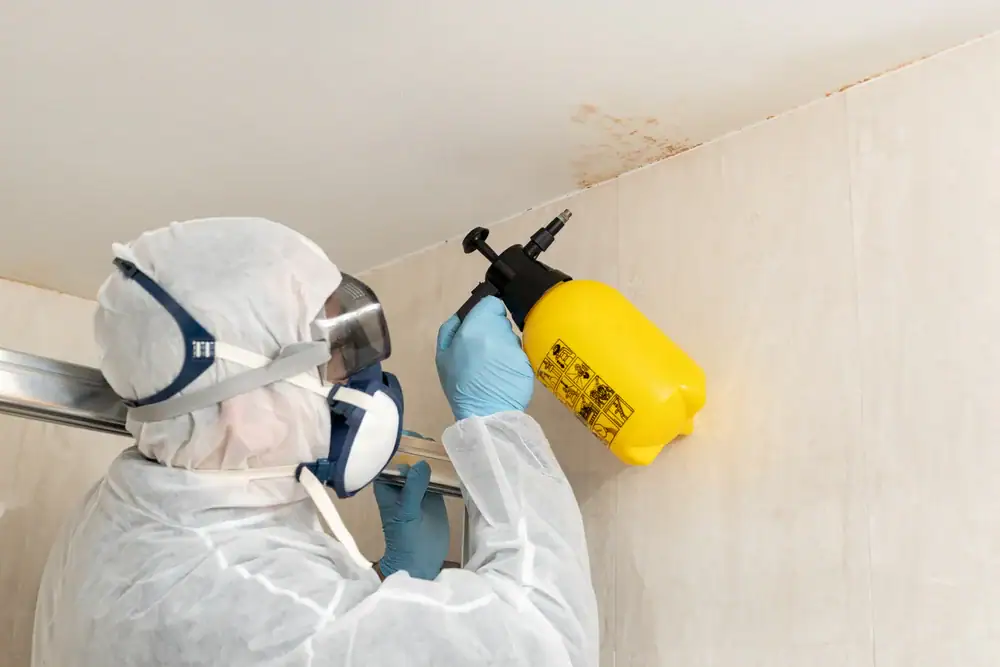
Then we contain the affected area with physical barriers and negative air pressure. This keeps mold spores from spreading to clean parts of your home while we work. We use HEPA filtration—the same technology hospitals use—because your air quality matters.
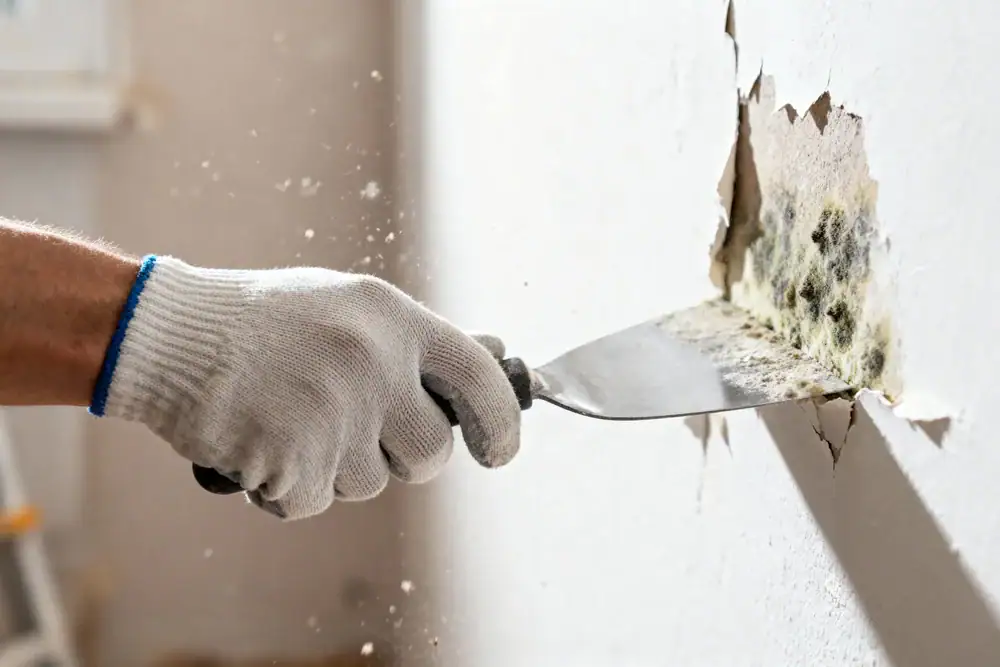
The actual removal involves more than wiping down surfaces. We remove contaminated materials that can’t be saved, treat affected areas with antimicrobial solutions, and dry everything completely. Mold needs moisture to grow. No moisture, no mold.
Before we leave, we verify the work with post-remediation testing. You get a full report within 24 hours. Then we follow up in two weeks to make sure everything stayed dry and clear.
Ready to get started?
What's Included in El Dorado Mold Cleanup
You get a complete documentation package that insurance companies actually accept. We use Xactimate—the same pricing software your adjuster uses—so there’s no back-and-forth about whether costs are reasonable. Every photo, every moisture reading, every step of the process gets recorded and delivered to you within 24 hours.
The physical work includes containment setup, HEPA air filtration, removal of contaminated materials, antimicrobial treatment, complete drying, and post-remediation verification. We wear shoe covers in your home. We protect your unaffected areas. We don’t leave a mess for you to clean up.
Indiana’s climate creates specific challenges. High humidity in summer, wet springs, older homes with basements that weren’t built with modern moisture barriers. We address these local factors because we’ve seen what happens when companies use a one-size-fits-all approach in El Dorado homes. It doesn’t work.
You also get a dedicated claims liaison if insurance is involved. Someone who speaks adjuster language and makes sure your claim doesn’t get denied over missing paperwork or unclear documentation. This alone saves most homeowners weeks of frustration and thousands of dollars in out-of-pocket costs.
How much does mold remediation cost in El Dorado, IN?
Most residential mold remediation projects in El Dorado run between $1,500 and $4,500, but that range means almost nothing without knowing your specific situation. A small bathroom with surface mold costs far less than a finished basement with contamination behind drywall and insulation.
Here’s what actually determines your cost: the square footage of affected area, how many materials need to be removed versus treated, whether we’re dealing with category 1 water (clean) or category 3 (sewage), and how long the moisture problem has been going on. A leak that happened yesterday is cheaper to fix than one that’s been growing mold for six months.
We use Xactimate pricing software, which means our estimates align with what insurance companies expect to pay. You’re not getting inflated numbers that your adjuster will fight. You’re getting industry-standard pricing that’s transparent and defensible. If your insurance covers mold remediation—and many policies do if it resulted from a covered water loss—you’ll likely pay just your deductible.
Will my homeowners insurance cover mold removal in Indiana?
It depends on what caused the mold. If a covered event like a burst pipe or storm damage led to water intrusion, and you reported it promptly, most Indiana homeowners policies will cover the resulting mold remediation. If the mold grew because of long-term neglect or maintenance issues like a slow leak you ignored for months, probably not.
The key is documentation and timing. Insurance companies want to see that you acted quickly once you discovered the problem. They want proof of what caused it, how extensive it is, and that the remediation follows industry standards. This is exactly why we photograph everything, create detailed moisture maps, and provide complete documentation within 24 hours.
We work directly with insurance companies every day. We know what they require, what they’ll question, and how to present your claim so it doesn’t get denied over technicalities. Many homeowners try to file claims themselves and miss critical details that give adjusters a reason to say no. We handle the paperwork side so you can focus on getting your home safe again. If your policy doesn’t cover mold, we’ll tell you upfront—and we offer discounts for direct-pay customers.
How long does the mold remediation process take?
A typical residential mold remediation project in El Dorado takes two to five days from start to finish, but the timeline depends entirely on how much area is affected and how wet everything is. A single bathroom might be done in a day. A basement with significant water damage behind finished walls could take a week.
The actual removal work usually happens quickly. What takes time is drying everything completely. We can’t just clean the mold and leave—moisture is what caused the problem in the first place. If we don’t get your humidity levels and material moisture content down to safe levels, you’ll have mold again in a few weeks. We use commercial dehumidifiers and air movers, and we monitor moisture readings daily until everything hits the target range.
You’ll know the timeline upfront. After our initial assessment, we’ll tell you exactly how long we expect the project to take and what could extend it. Most homeowners can stay in their homes during remediation—we contain the work area so the rest of your house stays clean and safe. If the contamination is severe enough that you need to relocate temporarily, we’ll tell you that too. No surprises.
What's the difference between mold removal and mold remediation?
Mold removal sounds like you’re getting rid of every single mold spore in your home. That’s not possible and not necessary. Mold spores are everywhere—they’re part of normal indoor air. The goal isn’t sterility; it’s getting spore counts back to normal levels and eliminating the moisture that lets mold grow.
Mold remediation is the correct term because it describes what actually happens: we remove contaminated materials that can’t be saved, clean and treat affected surfaces, fix the moisture problem, and verify that spore levels returned to normal. It’s a complete process, not just scrubbing visible mold off your walls.
Here’s why this matters to you: companies that promise “complete mold removal” are either lying or don’t understand the science. You want a company that talks about remediation, moisture control, and post-testing—that tells you they’re following IICRC standards and EPA guidelines. That’s how you know they’re doing the job right instead of just making the visible mold disappear temporarily while the underlying problem continues. We’re IICRC-certified specifically because these credentials require us to follow proven protocols, not make up our own methods.
Can I just clean the mold myself instead of hiring professionals?
If you’re looking at a small patch of surface mold in your shower—less than about 10 square feet, on a non-porous surface, and you know exactly what caused it—sure, you can probably handle that yourself with the right cleaner and some elbow grease. But most situations aren’t that simple.
Here’s what changes the equation: mold behind walls or under flooring, any amount of black mold, contamination from sewage or flooding, mold covering more than 10 square feet, or any situation where you’re not sure what caused it. These scenarios need professional remediation because the health risks increase and the chances of making it worse go up significantly.
DIY mold cleanup usually fails because homeowners can’t see the full extent of the problem. You’re cleaning what’s visible while mold continues growing inside your walls or under your carpet. You’re also spreading spores throughout your house if you don’t contain the area properly. And if you have any intention of filing an insurance claim, you need professional documentation—your insurance company won’t reimburse you for buying spray bottles at the hardware store. We have the equipment to find hidden moisture, the training to remove mold safely, and the documentation to prove the job was done right.
How do I know if I have a mold problem that needs professional attention?
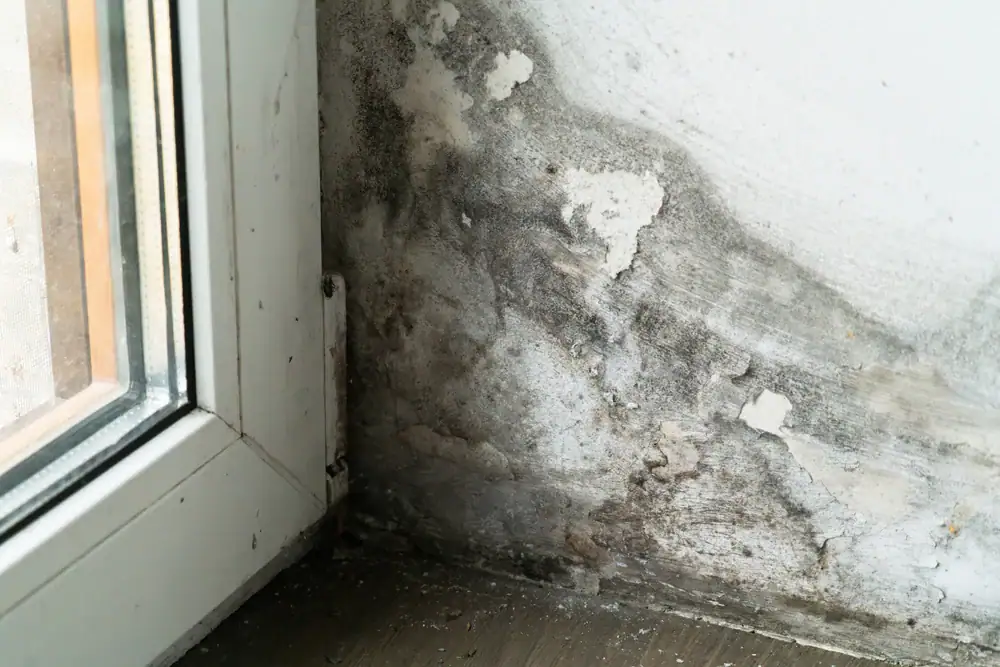
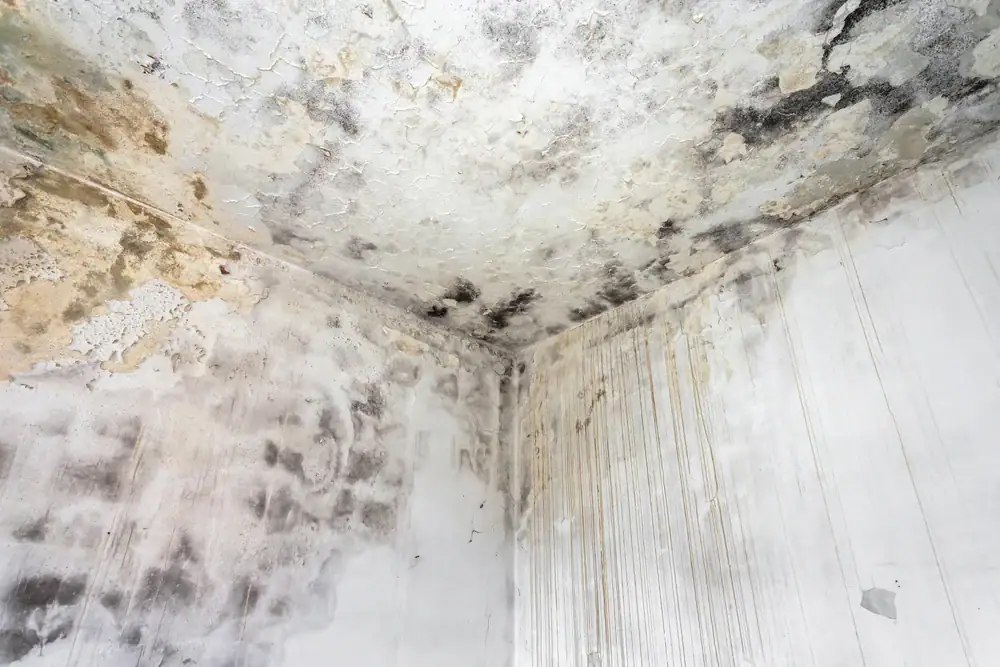
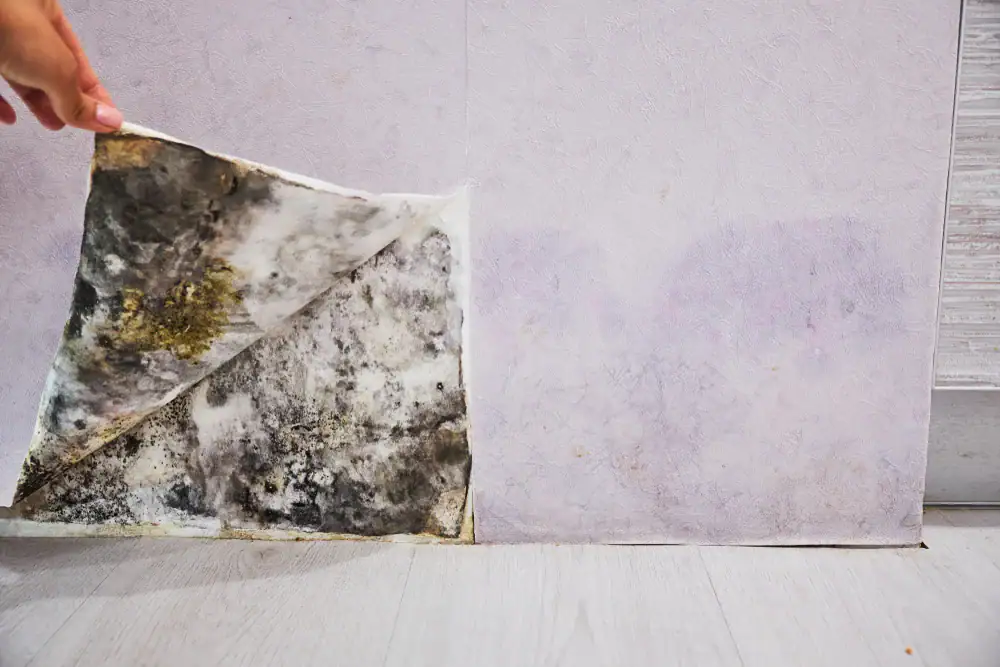
Visible mold growth is the obvious sign—black, green, or white patches on walls, ceilings, or other surfaces. But you might have a mold problem before you see anything. A persistent musty odor that doesn’t go away is often your first warning. So are unexplained respiratory issues, especially if they get better when you leave the house.
Water damage is a red flag even if you don’t see mold yet. If any part of your El Dorado home got wet and wasn’t completely dried within 24 to 48 hours, assume mold started growing. This includes basement flooding, roof leaks, pipe bursts, sewage backups, or even high humidity that causes condensation on windows and walls. Indiana’s humid summers create perfect conditions for mold growth in homes without proper ventilation or dehumidification.
Pay attention to your HVAC system too. If you smell mold when your heating or cooling kicks on, there’s likely growth somewhere in your ductwork or air handler. Discoloration around vents, peeling wallpaper, warping floors, or water stains on ceilings all point to moisture problems that either have mold now or will soon. When in doubt, get a professional inspection. We can find problems you’d miss and give you straight answers about whether you need remediation or just better moisture control.
Other Services we provide in El Dorado