Hear from Our Customers
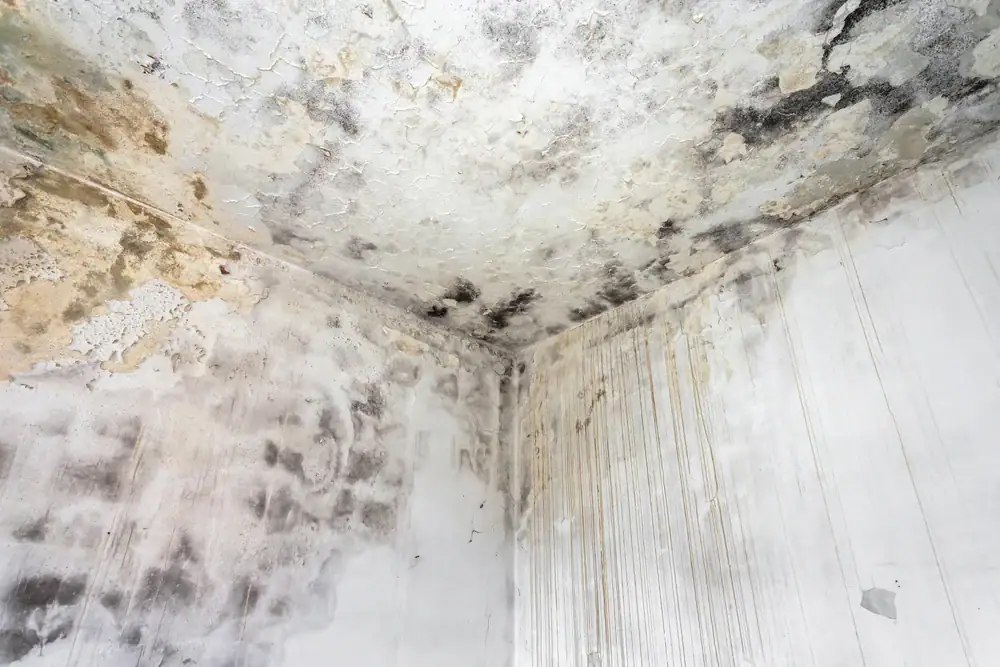
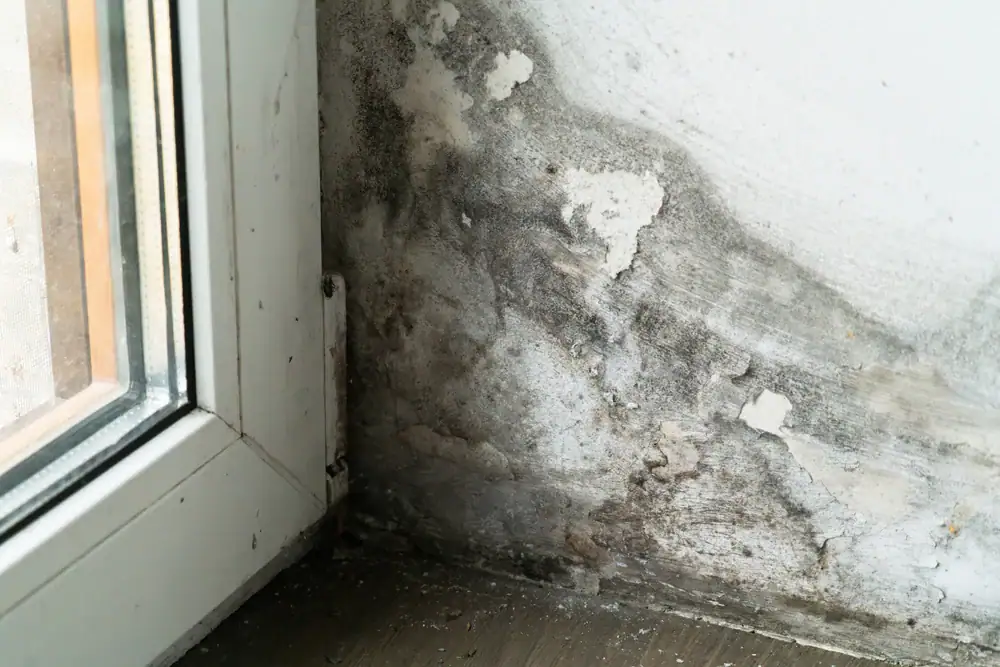
Mold doesn’t wait, and neither should you. A small patch behind your water heater or under your bathroom sink can spread to other rooms in 48 hours. Once it’s airborne, you’re breathing it in—and so is everyone else in your house.
Professional mold remediation means containment barriers go up before we touch anything. HEPA air scrubbers pull spores out of the air while we remove contaminated materials. We don’t just clean what you can see—we map moisture levels in walls and floors to find hidden growth before it becomes your next problem.
When the job’s done, your air quality improves. Your family stops coughing at night. You’re not wondering if that musty smell will come back next month. And if you’re selling or refinancing, you’ve got documentation that proves the problem was handled correctly.
We’ve been handling mold problems across Central Indiana since 2016. Our technicians hold IICRC certifications in Water Damage Restoration, Applied Structural Drying, and Applied Microbial Remediation—the credentials insurance companies and real estate agents actually check for.
We know Friendswood homes. Older basements with clay soil underneath. Crawl spaces that stay damp through humid Indiana summers. Attics with poor ventilation that trap moisture after spring storms. These aren’t just mold risks—they’re the reality of living here, and we’ve seen them all.
You’ll reach a real person when you call, not a voicemail. We’re on-site in 60 to 90 minutes, and we start documenting everything with photos and moisture readings within 24 hours. If you’re filing an insurance claim, we handle the paperwork and speak their language so you don’t have to.
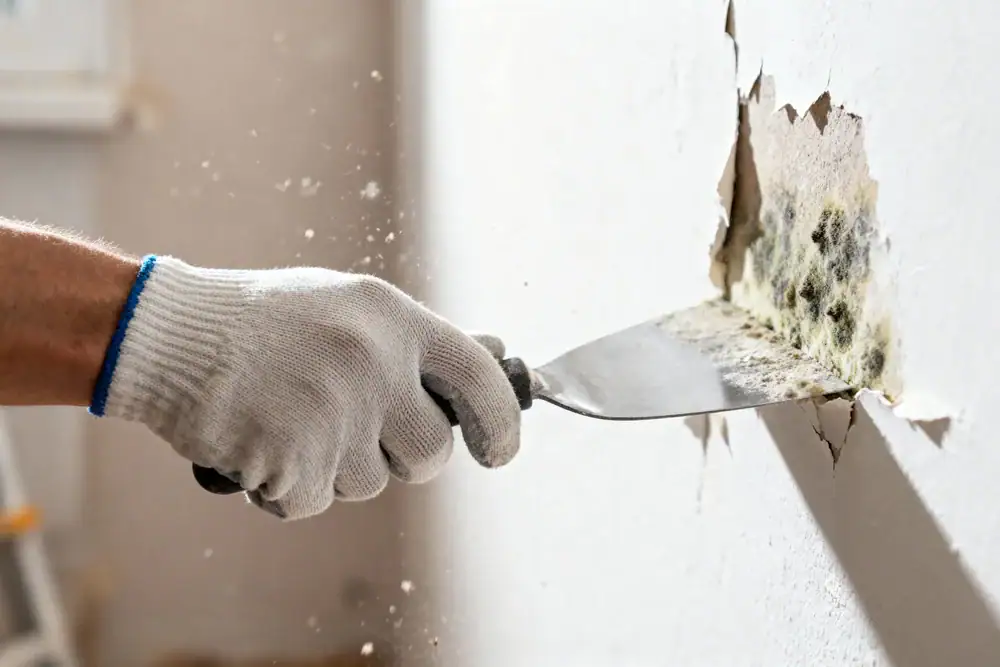
First, we assess the situation. That means identifying the mold type, measuring how far moisture has spread, and finding the source—whether it’s a leaking pipe, foundation seepage, or condensation buildup. You’ll get a transparent estimate aligned with Xactimate pricing, the same software your insurance adjuster uses.
Next, we contain the affected area with plastic sheeting and negative air pressure so spores don’t spread to clean rooms. HEPA filtration runs continuously. We remove contaminated drywall, insulation, or flooring, then treat surfaces with antimicrobial solutions. If the studs or subfloor are salvageable, we dry them to safe moisture levels using commercial dehumidifiers and air movers.
After remediation, we verify the work. That includes a post-completion walkthrough where we show you moisture readings and explain what we did. Then we follow up in 14 days to confirm everything stayed dry. If you need third-party clearance testing for a real estate transaction, we coordinate that too.
Ready to get started?
Every mold remediation project starts with a full moisture inspection using thermal imaging and pin-type meters. We document the affected areas with photos before we start, then map out the containment zone. You’ll see exactly what we’re removing and why.
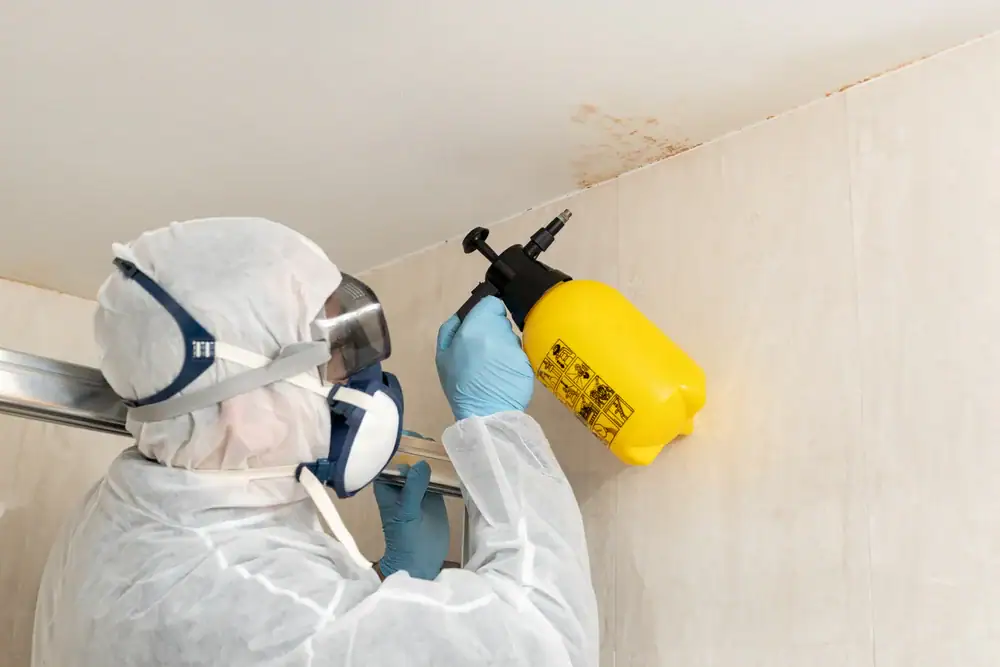
Containment barriers and HEPA air scrubbers are standard, not upgrades. We wear protective gear and shoe covers to avoid tracking contamination. All moldy materials are bagged and disposed of according to EPA guidelines. If your HVAC system pulled in spores during the event, we’ll let you know whether duct cleaning is necessary.
Indiana’s humid summers and older housing stock make basements and crawl spaces prime targets for mold growth. We treat those areas with the same care as finished living spaces—because moisture doesn’t care if it’s behind a finished wall or sitting on bare concrete. Our goal is to eliminate the current problem and reduce the chance it comes back. That means fixing leaks, improving drainage, or recommending a dehumidifier if your basement consistently runs above 60% humidity.
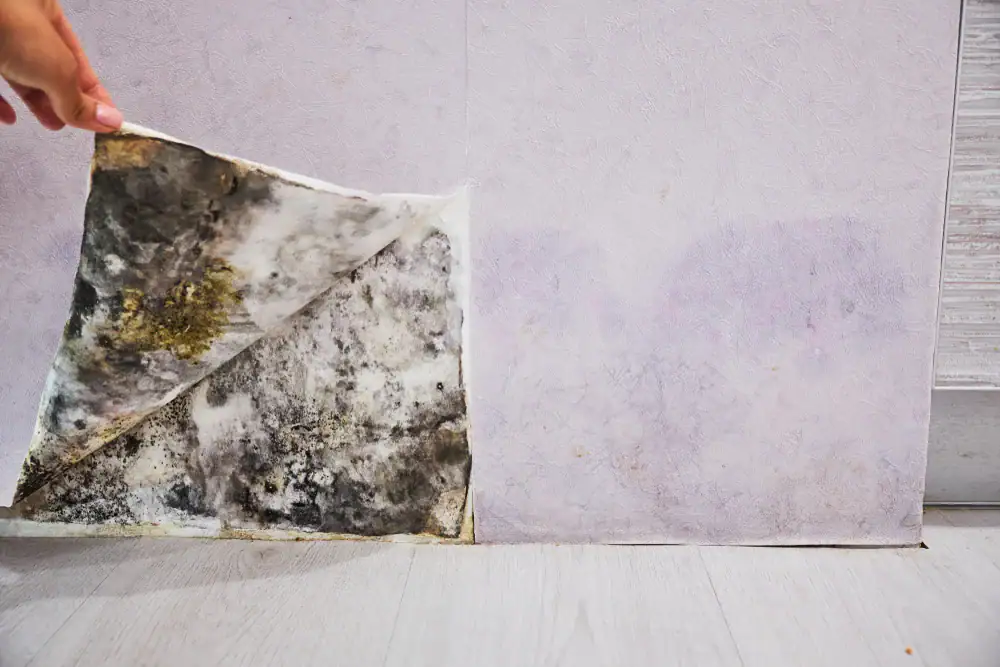
Most residential mold removal projects in Friendswood range from $500 to $6,000 depending on the size of the affected area, the type of materials involved, and how far the moisture spread. A small bathroom with mold under the sink might cost $500 to $1,500. A finished basement with mold behind drywall and in the insulation can run $3,000 to $6,000 or more.
We use Xactimate pricing software, which is the same system insurance adjusters use to estimate claims. That means our quotes align with what your insurer expects to pay, reducing the chance of disputes or out-of-pocket surprises. If your policy covers the loss, we bill your insurance company directly and work as a liaison during the claims process.
Not all mold damage is covered—it depends on the cause. Sudden pipe bursts are usually covered. Long-term neglect or maintenance issues typically aren’t. We’ll walk you through what your policy is likely to cover based on the situation we find.
We’re on-site in 60 to 90 minutes for emergency calls in Friendswood and the surrounding area. Our line is answered live 24/7, so you’re talking to a real person who can dispatch a crew immediately—not leaving a voicemail and waiting for a callback.
Speed matters because mold spreads fast once moisture is present. A small water leak today can turn into a larger contamination problem within 48 hours. The sooner we contain the area and start drying, the less material you’ll need to replace and the lower your overall cost.
When we arrive, we’ll assess the damage, set up containment if needed, and begin moisture mapping. You’ll have a preliminary scope and estimate within 24 hours, followed by progress updates every 48 hours until the job is complete. If you’re filing an insurance claim, we start that documentation process immediately so nothing delays your approval.
It depends on the size and location of the mold problem. For small, contained areas like a bathroom or closet, you can usually stay in your home as long as we’ve sealed off the work zone with plastic barriers and negative air pressure. You won’t smell it, and spores won’t spread to other rooms.
For larger projects—like a full basement or multiple rooms with active mold growth—we may recommend staying elsewhere, especially if anyone in your household has asthma, allergies, or a compromised immune system. Even with containment, some people are more sensitive to airborne particles during the removal process.
We’ll be upfront about what makes sense for your situation. If you do need to leave, most jobs wrap up in two to five days depending on drying time. We also offer contents pack-out and storage if you need to move furniture or belongings out of the affected area while we work.
Mold comes back if the moisture source isn’t fixed. We don’t just remove what’s visible—we find and eliminate the underlying problem. That might mean repairing a leaking pipe, sealing foundation cracks, improving crawl space ventilation, or recommending a dehumidifier for a chronically damp basement.
Indiana’s climate doesn’t help. Humid summers and older homes with minimal vapor barriers create conditions where basements and crawl spaces stay wet for months. If your home has clay soil or poor grading around the foundation, water is going to find its way inside unless you address drainage.
After we finish the remediation, we follow up in 14 days to verify everything stayed dry. We’ll also give you specific recommendations to prevent future growth—whether that’s running a dehumidifier year-round, redirecting downspouts, or installing a sump pump. Our goal is to fix it once, not see you again next year for the same problem.
Mold removal usually refers to surface cleaning—scrubbing visible mold off a wall or wiping down a shower. Mold remediation is the full process: containment, air filtration, removing contaminated materials, treating affected surfaces, drying the structure, and verifying moisture levels are back to normal.
You can remove mold from a non-porous surface like tile or glass with the right cleaner. But if it’s growing on drywall, insulation, carpet, or wood, you need remediation. Those materials are porous, which means mold roots penetrate deep. Cleaning the surface doesn’t kill what’s underneath, and it’ll grow back.
Professional remediation also addresses the air quality issue. Mold releases spores when it’s disturbed, and those spores spread to other areas if you’re not using containment and HEPA filtration. We treat the problem at the source, remove what can’t be saved, and make sure the air in your home is safe to breathe again.
It depends on what caused the mold. If a covered event triggered the moisture problem—like a burst pipe, storm damage, or appliance malfunction—your policy will likely cover the remediation. If the mold resulted from long-term neglect, poor maintenance, or a pre-existing leak you didn’t fix, it probably won’t.
Indiana doesn’t require insurers to cover mold as a standard part of homeowners policies, but most policies include some level of coverage as long as the cause was sudden and accidental. Read your declarations page or call your agent to confirm your limits—some policies cap mold coverage at $10,000 or less.
We handle insurance claims daily, so we know how to document everything adjusters need to approve your claim. That includes photo evidence, moisture maps, scope of work, and Xactimate estimates. We’ll communicate directly with your adjuster and advocate for full coverage of necessary repairs so you’re not stuck paying out of pocket for work that should be covered.
Other Services we provide in Friendswood