Hear from Our Customers
You stop worrying about whether your kids are breathing something dangerous. The musty smell disappears. Your insurance adjuster gets every photo and moisture reading they need, so your claim moves forward without you chasing paperwork.
Most importantly, the mold doesn’t come back. That’s because we don’t just wipe down surfaces and call it done—we identify the moisture source, fix the environment, and verify the air quality after remediation.
You’ll know exactly what we found, what we removed, and what we did to prevent regrowth. No guessing. No wondering if it’s really gone. Just a clear report, a clean space, and air you can trust again.
We’ve been handling mold emergencies across Green Valley and Central Indiana since 2016. We’re IICRC-certified in water damage restoration, applied structural drying, and mold remediation—the credentials your insurance company expects and your family deserves.
We’ve seen what Indiana’s humidity does to basements, crawl spaces, and attics. Freeze-thaw cycles crack foundations. Summer storms flood lower levels. Old housing stock traps moisture in places you can’t see. We built our process around those realities.
You’ll reach a live person 24/7, not a voicemail. We’ll be on-site in 60 to 90 minutes, not tomorrow. And we’ll treat your home like it matters—because it does.
First, we answer the phone. You talk to a real person who logs your situation and dispatches a certified technician to your property in Green Valley within 60 to 90 minutes.
When we arrive, we assess the affected area, map moisture levels, and identify the source—whether it’s a leaking pipe, poor ventilation, or water intrusion from outside. We take photos and document everything for your records and your insurance claim.
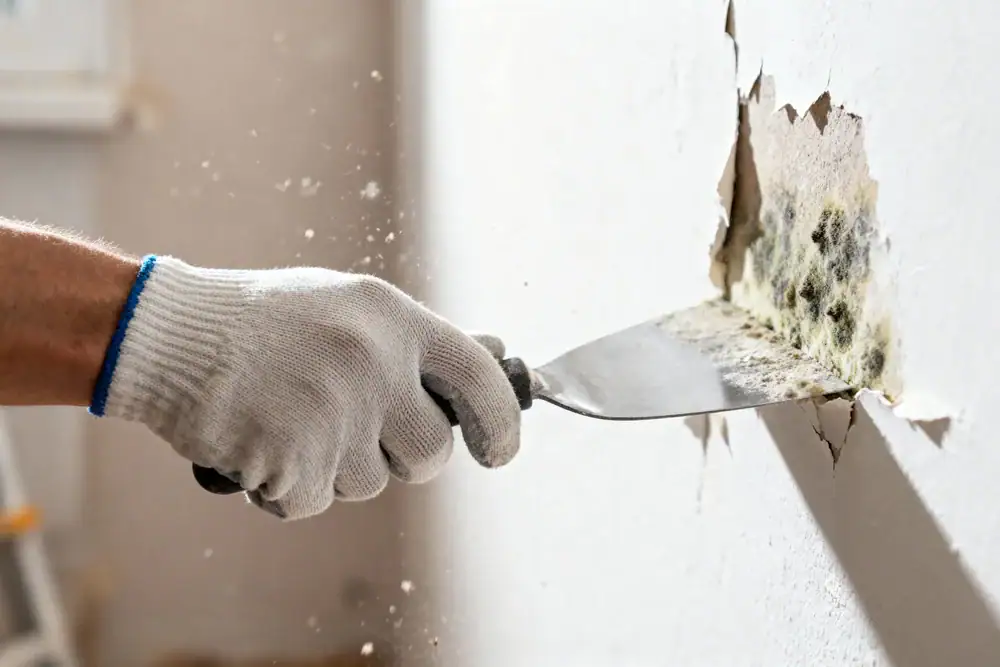
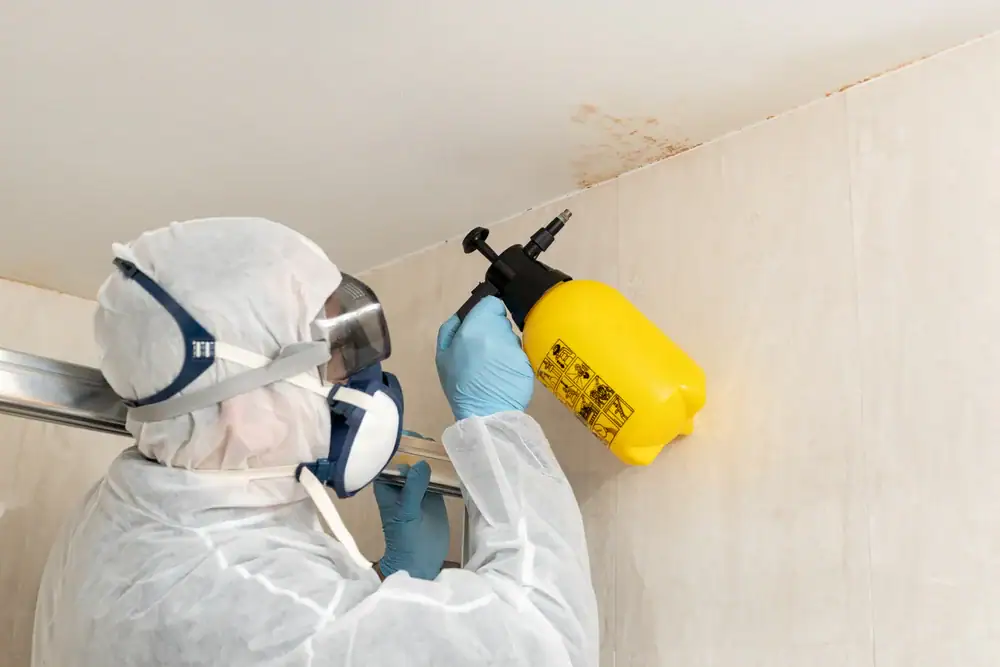
Next, we set up containment using plastic sheeting and negative air machines with HEPA filtration. This keeps mold spores from spreading to clean areas of your home while we work. We remove contaminated materials, treat surfaces with antimicrobial solutions, and dry out the space using commercial dehumidifiers and air movers.
After remediation, we verify the work with a final walkthrough and follow up within 14 days to make sure nothing’s returned. You get a full report with photos, moisture readings, and a timeline of everything we did. If you’re filing an insurance claim, we use Xactimate pricing and work directly with your adjuster to keep things moving.
Ready to get started?
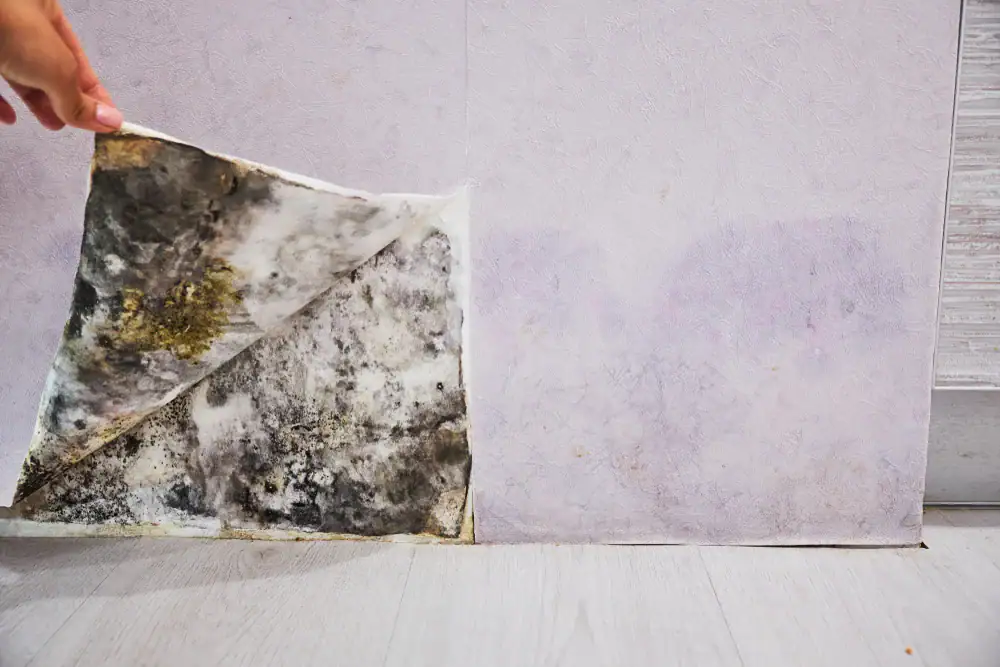
You get a full mold inspection with thermal imaging and moisture mapping to find hidden growth behind walls, under floors, or in crawl spaces. Green Valley’s older homes often hide mold in places you’d never think to check—we find it before it spreads.
We handle containment, removal, cleaning, and drying. That includes HEPA vacuuming, antimicrobial treatment, contents pack-out if needed, and odor neutralization. If your HVAC system spread spores during a water event, we’ll clean the ductwork too.
Every job includes insurance documentation with Xactimate-aligned pricing, progress photos within 24 hours, and updates every 48 hours until completion. You’ll also get a dedicated claims liaison if you’re working with your insurance company—someone who speaks their language and keeps your claim on track.
Indiana’s humidity means mold can start growing within 48 hours of water damage. Our process is built to move faster than that timeline, so you’re not waiting while the problem gets worse.
Most mold remediation projects in the Indianapolis area run between $1,000 and $3,000, with the average around $2,000. The actual cost depends on the size of the affected area, the type of materials involved, and how far the mold has spread.
Small jobs—like a contained patch in a bathroom—might cost less. Larger projects involving basements, crawl spaces, or multiple rooms will cost more, especially if we need to remove drywall, insulation, or flooring.
We use Xactimate pricing, which is the same software most insurance companies use. That means our estimates align with what your adjuster expects to see, and it keeps the claims process straightforward. If your mold damage is covered under your policy, insurance may pay for most or all of the work—especially if it’s tied to a sudden event like a burst pipe or storm damage.
It depends on what caused the mold. If it’s the result of a sudden, covered event—like a burst pipe, appliance leak, or storm damage—most policies will cover remediation. If it’s from long-term neglect, poor maintenance, or gradual moisture buildup, it probably won’t.
Insurance companies want to see that you acted quickly. Mold that grows because you ignored a known leak for months usually isn’t covered. Mold that appears after your water heater fails overnight usually is.
We document everything from the start—photos, moisture readings, timeline—so your claim has the evidence it needs. Our team works directly with adjusters, answers their questions, and provides the reports they require. We’ve done this hundreds of times, and we know what insurance companies expect to see. That experience helps your claim move faster and reduces the chance of a denial.
Most residential mold remediation projects take two to five days, depending on the size and severity. A small bathroom might be done in a day or two. A finished basement with mold behind drywall and in the HVAC system could take a week.
Drying time is usually the longest part. Even after we remove the mold and treat the surfaces, we need to bring moisture levels back to normal—typically below 60% relative humidity. Indiana’s climate doesn’t help. High outdoor humidity in summer means drying takes longer than it would in a drier state.
We don’t rush it. Cutting corners on drying just brings the mold back in a few weeks. We use moisture meters to track progress and won’t call a job complete until the readings confirm the space is dry and stable. You’ll get updates every 48 hours so you know exactly where we are in the process.
If it’s a small area—less than 10 square feet—and it’s on a hard, non-porous surface like tile, you can usually handle it yourself with the right precautions. Anything larger, anything on porous materials like drywall or wood, or anything involving your HVAC system should be handled by a certified professional.
Here’s why: mold you can see is only part of the problem. The root system often extends into materials you can’t reach with a spray bottle. Disturbing mold without proper containment spreads spores throughout your home, making the problem worse. And if you don’t fix the moisture source, it’ll just grow back.
Professional mold remediation follows IICRC S520 standards. That means containment, HEPA filtration, proper removal techniques, and post-remediation verification. We’re trained to find hidden mold, remove it safely, and prevent cross-contamination. DIY cleaning misses those steps, and that’s usually when small problems turn into expensive ones.
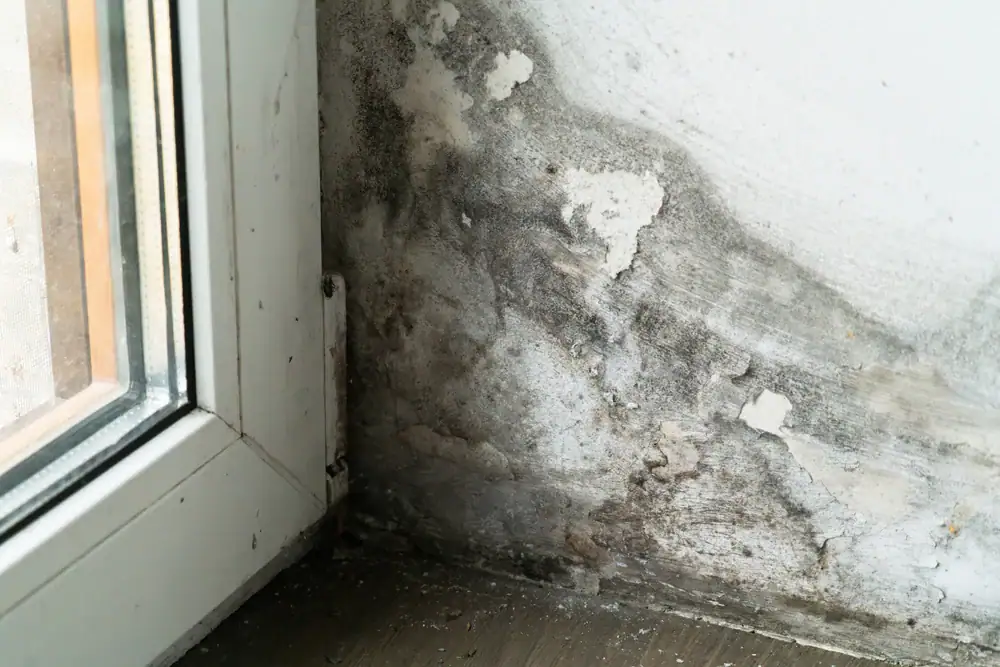
Mold releases spores and mycotoxins into the air, and breathing them can cause respiratory symptoms—coughing, wheezing, shortness of breath, throat irritation. If you or someone in your home has asthma, mold exposure can trigger severe attacks.
Even people without allergies can experience eye irritation, skin rashes, headaches, and fatigue when exposed to mold over time. Young children, elderly family members, and anyone with a compromised immune system face higher risks.
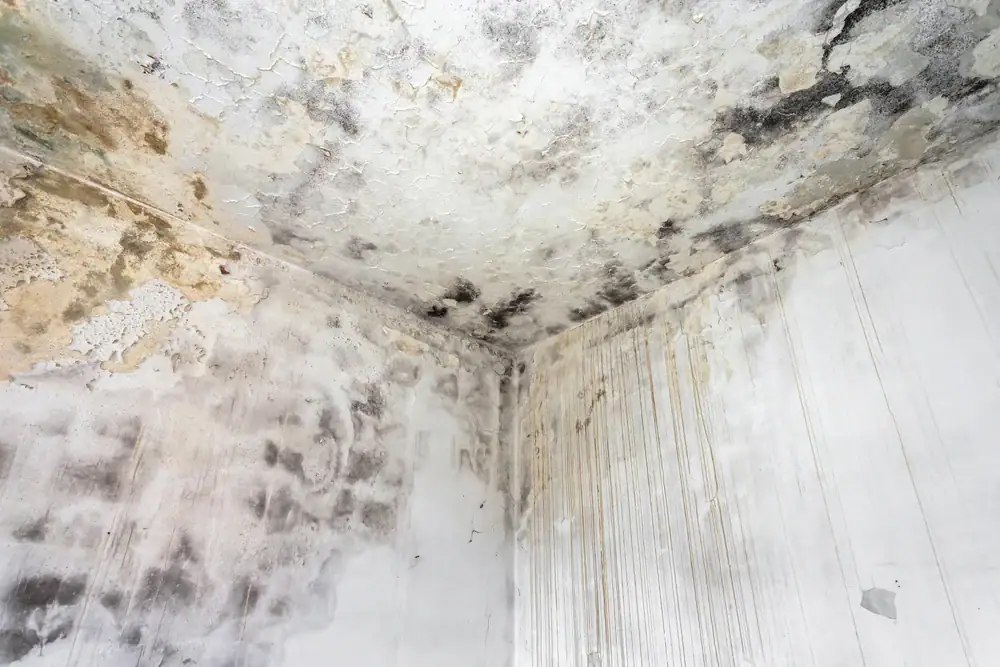
Black mold (Stachybotrys) gets the most attention, but all mold growth indoors is a problem. The type matters less than the amount and how long you’re exposed. If you’re smelling musty odors, seeing visible growth, or dealing with unexplained health symptoms that improve when you leave the house, you likely have a mold problem that needs professional attention. Waiting doesn’t make it better—it makes it worse.
Control moisture. That’s it. Mold needs water to grow, so if you keep indoor humidity between 30% and 50%, fix leaks quickly, and improve ventilation in problem areas, mold won’t come back.
Run a dehumidifier in your basement or crawl space from March through September—Indiana’s humidity during those months creates perfect conditions for mold growth. Make sure your gutters drain away from your foundation, and check your sump pump before storm season.
Bathrooms and kitchens need exhaust fans that vent outside, not into the attic. If you’ve had mold in those areas before, it’s usually because moisture has nowhere to go. After a shower, run the fan for 20 minutes. After cooking, do the same.
We’ll identify the moisture source during remediation and give you specific recommendations for your home. Most of our callbacks happen because the underlying issue—a leaking pipe, poor grading, or inadequate ventilation—wasn’t addressed. Fix the cause, and the mold won’t return.
Other Services we provide in Green Valley