Hear from Our Customers
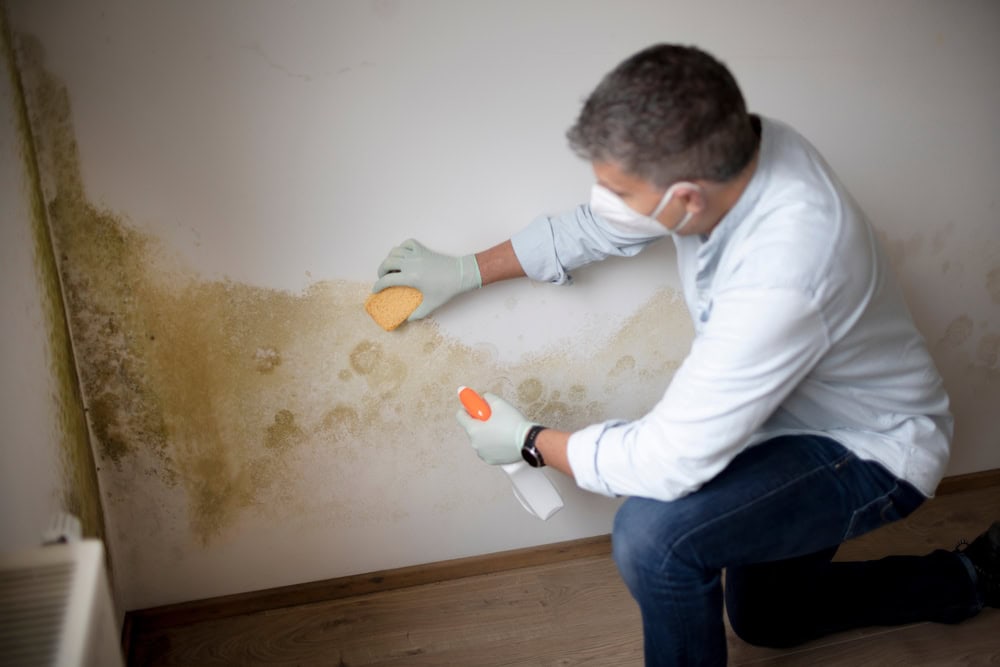
You stop worrying about what’s growing behind your walls. Your family stops dealing with mystery coughing fits and allergy symptoms that never seem to go away. You can actually breathe easier—literally—because the air in your home isn’t circulating thousands of mold spores every time the HVAC kicks on.
Your property value stays intact. When it’s time to sell, you’re not scrambling to disclose a mold problem or watching buyers walk away after an inspection. You’re not throwing money at bandaid fixes that only hide the issue for a few months.
The musty smell disappears. You’re not embarrassed when people come over. And most importantly, you’re not lying awake wondering if that dark spot in the corner is getting bigger or if your kids are breathing in something harmful while they sleep.
We’ve been serving property owners throughout Greenwood and Central Indiana with mold removal services that actually work. We’re not here to sell you testing you don’t need or temporary fixes that fail in six months.
Our team understands what Greenwood properties face. The humid summers, the temperature swings, the basements that never quite stay dry. We know where mold hides in homes around here, and we know how to eliminate it for good.
We’re IICRC-certified, which means our technicians follow the same protocols used by the best restoration companies in the country. But what matters more is that we treat your property like it’s our own—because we live and work in this community too.
First, we inspect your property to find the full extent of the problem. Visible mold is usually just part of it. We use moisture meters and thermal imaging to locate hidden growth and identify exactly what’s feeding it—whether that’s a slow leak, poor ventilation, or humidity issues common in Greenwood homes.
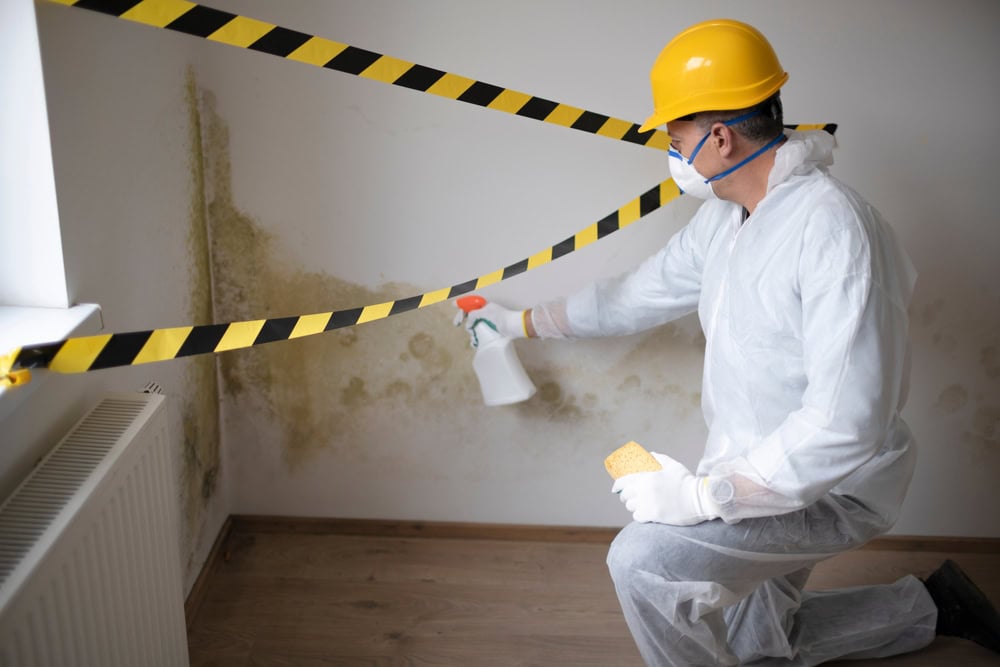
Next, we contain the affected area. This isn’t optional. Without proper containment, disturbing mold just sends spores everywhere, making your problem worse. We seal off the work zone and set up HEPA air scrubbers that capture microscopic spores before they spread.
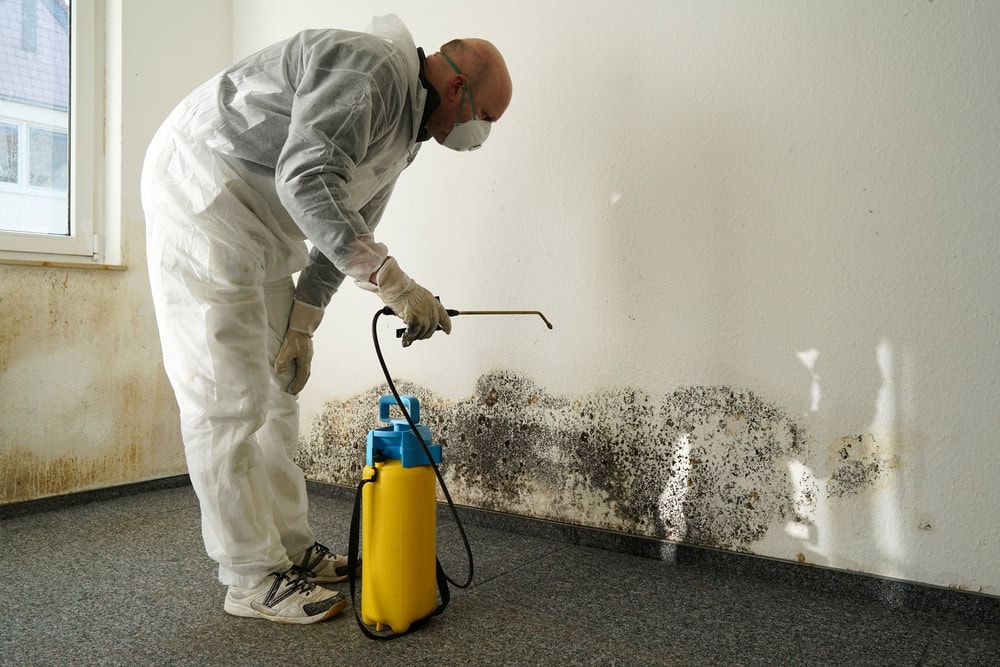
Then we remove the mold and any materials that can’t be saved. Sometimes that means cutting out sections of drywall or pulling up carpet. We HEPA vacuum every surface, treat structural materials with antimicrobial solutions, and make sure everything is thoroughly dried. If it’s not dry, mold will just come back.
Finally, we verify the work. You’re not guessing whether it’s actually gone. We make sure the space passes visual inspection, moisture levels are back to normal, and your air quality is where it should be.
Ready to get started?
You get a complete mold inspection that identifies the moisture source, not just the mold itself. In Greenwood, that often means looking at crawl space humidity, checking for condensation issues during seasonal temperature changes, or finding slow leaks that have been feeding black mold growth for months.
We provide proper containment using physical barriers and negative air pressure to keep mold from spreading during removal. Our HEPA filtration equipment runs continuously throughout the project, scrubbing the air and capturing spores that would otherwise resettle in clean areas of your property.
All contaminated materials get removed safely. We’re talking about drywall, insulation, carpeting—anything porous that mold has penetrated. Then we treat structural elements with antimicrobial solutions and apply mold-resistant coatings to help prevent regrowth. Everything gets dried to proper moisture levels using commercial dehumidifiers and air movers.
You also get clear documentation for insurance purposes if your mold problem resulted from sudden water damage like a burst pipe. And we don’t just walk away when the mold is gone—we give you specific recommendations for mold mitigation and preventing future problems based on your property’s unique conditions.
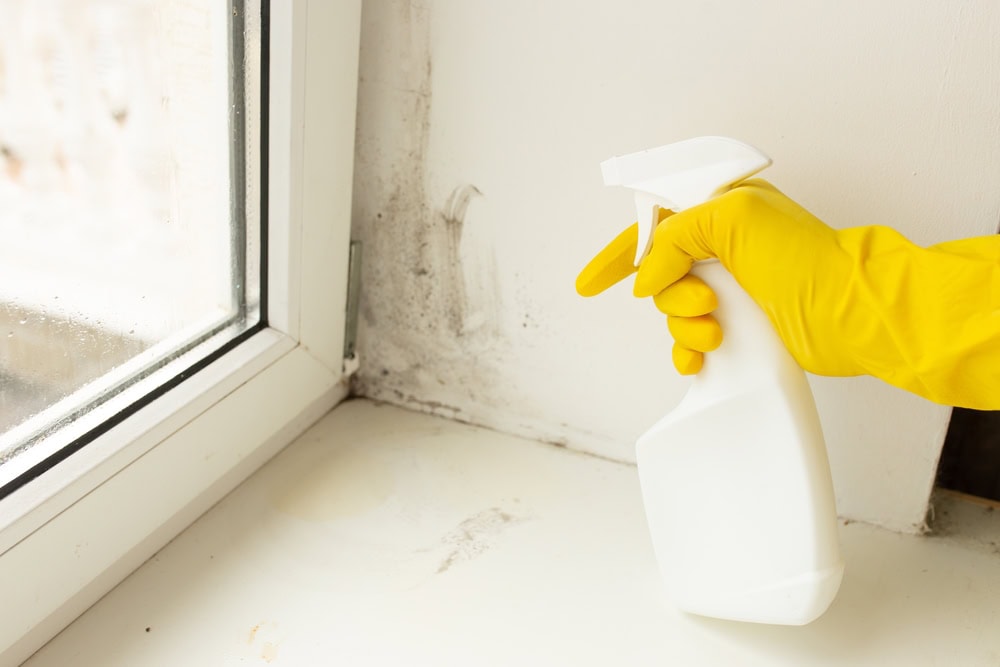
Most residential mold remediation projects in Greenwood take between one and five days, depending on how extensive the contamination is and where the mold is located. A small bathroom issue might be done in a day or two. A finished basement with mold behind walls and in the HVAC system could take a week or more.
The timeline also depends on how long it takes to dry everything out. Indiana’s humidity doesn’t do us any favors here. If we’re dealing with a crawl space or basement that’s been damp for months, we need to run dehumidifiers and air movers until moisture levels are actually safe—not just “better than they were.” Rushing this part is how you end up with mold coming back in three months.
We’ll give you a realistic timeline after the inspection. If it’s going to take longer because we need to remove significant amounts of material or address a complicated moisture source, we’ll tell you that upfront. You won’t be surprised halfway through the project.
Usually not. If you can see mold, you have mold. Testing won’t change what needs to happen next. The EPA is pretty clear about this—when visible mold is present, sampling is typically unnecessary because the proper steps to remove it are the same regardless of what species it is.
Mold testing makes sense in specific situations. If you smell mold but can’t find it, testing can help us locate hidden growth. If someone in your home is having serious health issues and a doctor needs to know exactly what type of mold they’re being exposed to, testing provides that information. Or if you want post-remediation verification to confirm the air quality is back to normal, we can do clearance testing after the work is done.
But if you’re looking at a patch of black mold on your bathroom ceiling or you’ve got visible growth in your basement, we don’t need a lab report to tell us it needs to be removed. We can start the remediation process immediately and save you the testing cost. Some companies push testing because it’s an extra charge—we only recommend it when it actually serves a purpose.
Greenwood’s climate is a big factor. Hot, humid summers combined with cold winters create perfect conditions for mold growth, especially in areas like basements, crawl spaces, and bathrooms where moisture tends to accumulate. When warm, humid air hits cooler surfaces, you get condensation—and that condensation feeds mold.
Water intrusion is the other major cause. That includes obvious events like flooding or burst pipes, but also slow problems that go unnoticed for months. A roof leak that only shows up during heavy rain. A plumbing issue inside a wall. Poor drainage around the foundation that lets water seep into the basement. HVAC systems that aren’t draining properly and are dripping condensation into ductwork.
Poor ventilation makes everything worse. Bathrooms without exhaust fans, kitchens where steam has nowhere to go, crawl spaces that don’t have proper airflow—these spaces trap moisture and give mold exactly what it needs to thrive. In Greenwood, we also see issues with homes that are sealed up tight for heating and cooling efficiency but don’t have adequate fresh air exchange. That trapped humidity becomes a mold factory.
It depends on the extent of the contamination and where it’s located. For smaller projects where we’re working on an isolated area like a bathroom or a section of basement, most families can stay in the home. We set up containment barriers and use negative air pressure to keep mold spores from spreading to living areas. The work zone is sealed off, and you can go about your normal routine in the rest of the house.
For larger projects or situations where mold has spread throughout the HVAC system, it’s often better to stay elsewhere during the active remediation phase. If we’re removing significant amounts of contaminated material or if someone in your household has severe allergies or respiratory issues, we’ll recommend relocating temporarily. It’s usually just a few days, and it’s worth it to avoid exposure during the most disruptive part of the process.
We’ll be straight with you about what makes sense for your specific situation. If you can stay, we’ll tell you. If you should leave, we’ll explain why. Safety comes first, but we also understand that leaving your home isn’t always easy or convenient. We work as quickly as possible to minimize disruption while still doing the job right.
Most mold remediation projects in the Greenwood area run between $1,800 and $2,200, but that range can vary significantly based on the extent of the problem. A small, contained area might cost $1,000 to $1,500. Extensive contamination that requires removing large sections of drywall, treating HVAC systems, and addressing structural issues can run $10,000 or more.
Several factors affect the final cost. The size of the affected area obviously matters—50 square feet of mold costs less to remediate than 500 square feet. Location matters too. Mold that’s easy to access costs less to remove than mold behind finished walls or in a cramped crawl space. The type of materials affected makes a difference. Cleaning mold off concrete is simpler than removing and replacing mold-infested drywall, insulation, and carpeting.
We provide transparent estimates after inspecting your property. You’ll know what’s included—containment, removal, cleaning, treatment, drying, and verification. If your mold problem resulted from sudden water damage like a burst pipe, your homeowners insurance might cover part of the cost. We can work with your insurance company to help with that process. What you won’t get from us is a vague quote that balloons once we start working.
Not if the moisture source is fixed. Mold needs water to grow. Remove the water source, and mold can’t come back. This is why proper mold remediation services aren’t just about removing visible mold—it’s about identifying and repairing whatever is causing the moisture problem in the first place.
If you have a roof leak and we remove the mold but the roof doesn’t get fixed, yes, the mold will return as soon as it rains again. If your basement floods every spring and we clean up the mold but don’t address the drainage issues around your foundation, you’ll be dealing with mold again next year. If your bathroom doesn’t have proper ventilation and humidity keeps building up after every shower, mold will eventually grow back.
That’s why we don’t just clean up mold and leave. We identify what’s feeding it—whether that’s a plumbing leak, poor ventilation, high humidity, or water intrusion from outside. We give you specific recommendations for fixing those issues. Sometimes we can handle the repairs ourselves. Other times we’ll refer you to the right specialist, whether that’s a roofer, plumber, or foundation expert. The goal is to create an environment where mold can’t survive long-term.
Other Services we provide in Greenwood