Hear from Our Customers
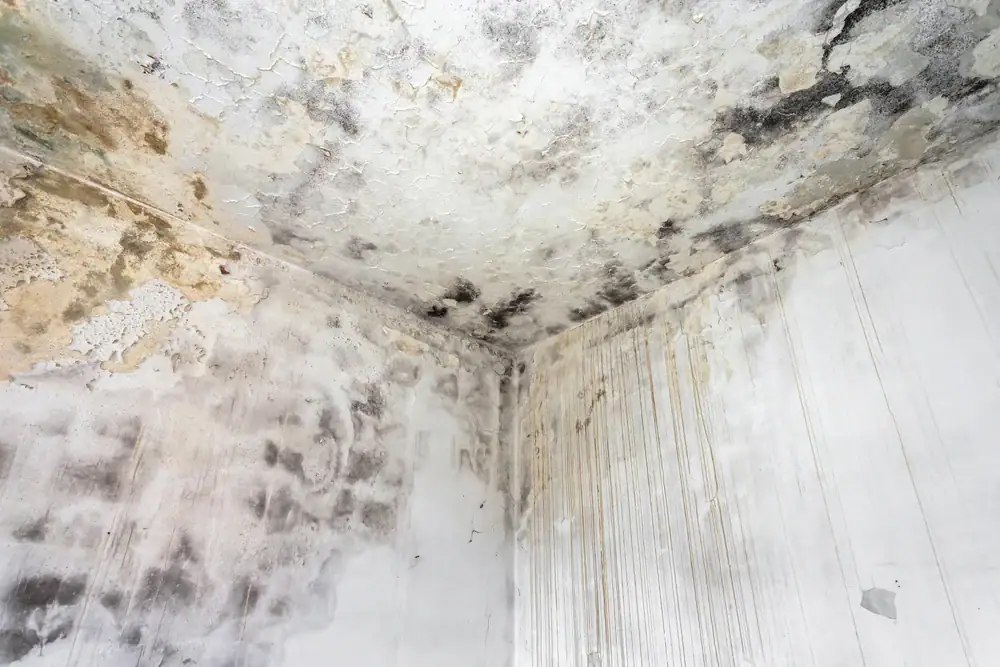
You shouldn’t have to wonder if the mold is really gone. Or worry that it’s hiding in your walls, growing behind your baseboards, circulating through your vents every time the HVAC kicks on.
When mold remediation is done right, you get documentation that proves it. You get air quality back to normal. You stop smelling that musty, damp odor every time you walk into the basement or laundry room.
Indiana’s humidity doesn’t help. Hadley homes—especially older ones—deal with moisture issues year-round. Crawl spaces stay damp. Basements flood. Roof leaks go unnoticed until the drywall starts bubbling. That’s when mold moves in, and it spreads faster than most people realize.
Our job is to contain it, remove it completely, and give you the documentation you need for insurance, resale, or just peace of mind. You’ll know exactly what was found, what was removed, and what the air quality looks like when we’re done. No guessing. No crossing your fingers and hoping it doesn’t come back.
We’ve been handling emergency restoration work across Indiana since 2016. We’re not a franchise. We’re locally owned, and we answer our own phones—24/7.
Every technician on our team holds IICRC certifications in Water Damage Restoration, Applied Structural Drying, and Applied Microbial Remediation. That’s not marketing language. Those are the actual credentials insurance companies and industrial hygienists look for when they’re vetting a mold removal company.
We know Hadley. We know the housing stock here skews older, which means more crawl spaces, more basements with stone foundations, and more opportunities for water intrusion. We’ve worked in homes where the mold started with a slow plumbing leak and wasn’t discovered until someone opened a closet and saw black spots climbing the drywall. We’ve also worked in properties where a sump pump failed during a heavy rain and the entire basement flooded.
When you call, you talk to a real person who can be on-site in 60 to 90 minutes in most cases. We don’t schedule you three days out. Mold doesn’t wait, and neither should your response.
First visit is an inspection. We use moisture meters and infrared cameras to map out where the water damage is and where mold is likely growing—even if you can’t see it yet. We’ll tell you what needs to be removed, what can be cleaned, and what the containment plan looks like. You’ll get photos, a scope of work, and a price estimate aligned with Xactimate, the same software your insurance adjuster uses.
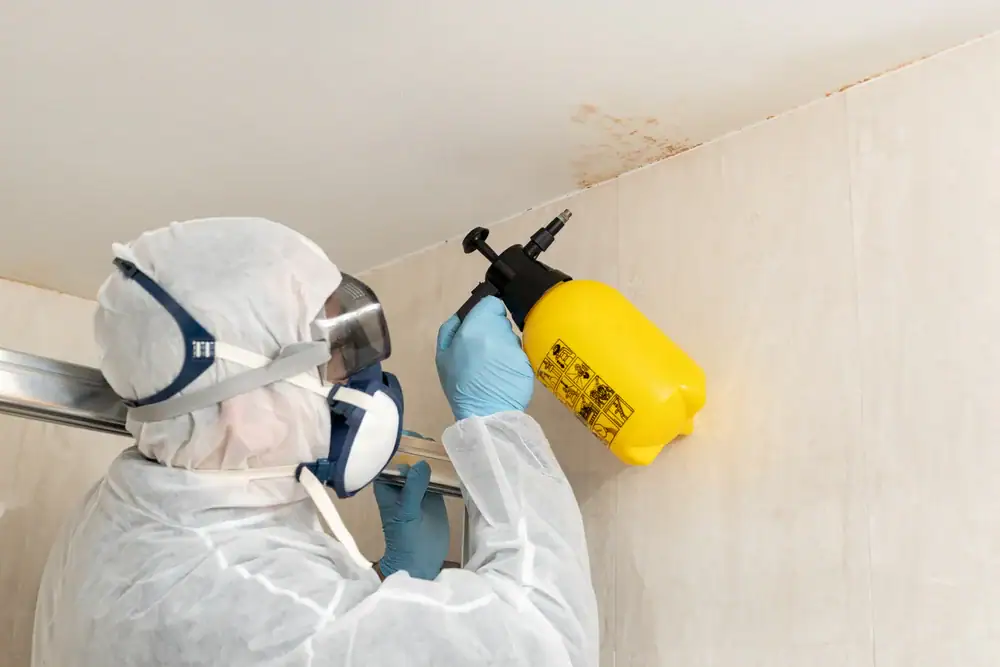
Once you approve the scope, we set up physical barriers and negative air pressure to keep mold spores from spreading into unaffected rooms. HEPA filtration runs continuously. We wear protective gear, and we’ll put down shoe covers before we step into your clean spaces. Contaminated materials get bagged and removed. Surfaces get treated with EPA-registered antimicrobials.
After removal, we verify the work. That means a final walkthrough with you, plus a follow-up within 14 days to make sure nothing’s come back. If you want third-party clearance testing, we’ll coordinate that too. You’ll have a full report with before-and-after photos, moisture readings, and a summary you can hand to your insurance company or keep for your records.
Ready to get started?
You’re not just paying for someone to spray bleach and call it done. Full mold remediation means containment, removal, treatment, air filtration, and verification.
Containment keeps mold spores from traveling to other parts of your home while we work. We use plastic sheeting and negative air machines with HEPA filters to create controlled zones. If the mold is in your basement, we’re making sure it doesn’t end up in your bedroom.
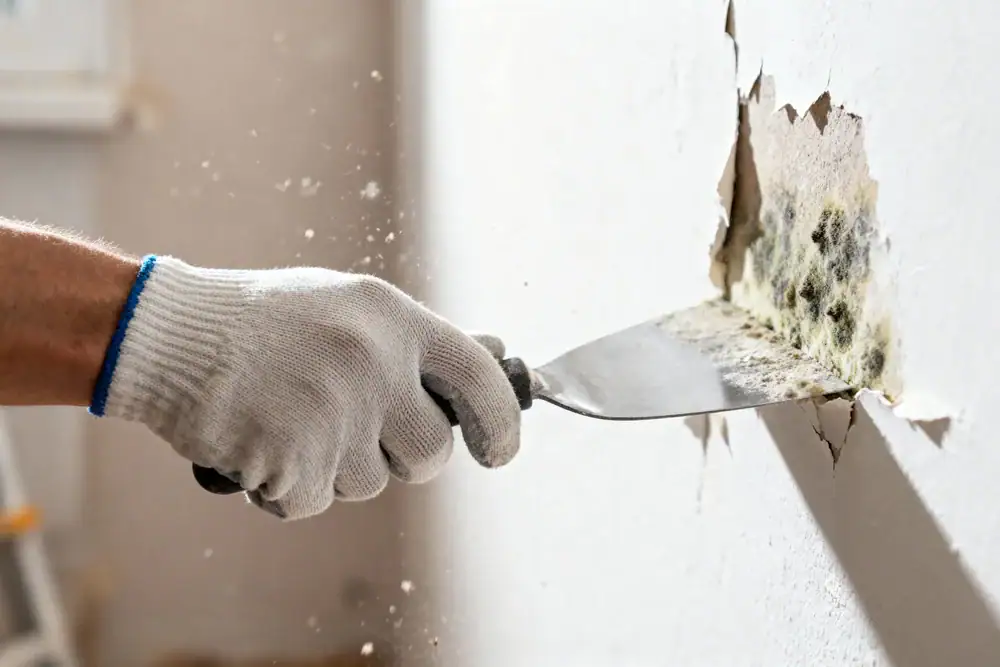
Removal depends on what’s affected. Drywall and insulation usually can’t be saved—they get cut out, bagged, and disposed of properly. Hard surfaces like framing lumber or concrete can often be treated and cleaned. We don’t remove more than necessary, but we also don’t leave anything questionable behind.
Hadley’s climate makes crawl space mold especially common. High humidity in the summer, poor ventilation, and dirt floors create perfect conditions. If that’s where your issue is, we’ll address the source—not just the symptoms. That might mean vapor barriers, dehumidification, or better drainage. We’ll talk through what makes sense for your property.
You’ll also get help with insurance. We handle documentation, we use Xactimate pricing, and we’ll work directly with your adjuster if you want us to. If it’s not an insurance job, we offer discounts for military, seniors, first responders, and teachers.
Most residential mold remediation projects in Hadley take between two and five days, depending on the size of the affected area and how far the mold has spread. A single bathroom with mold around the tub might be a one- or two-day job. A finished basement with mold behind drywall and in the insulation could take closer to a week.
The timeline also depends on how much material needs to be removed. If we’re cutting out drywall, pulling up carpet, or removing insulation, that adds time. Drying the space afterward adds time too—we won’t close up walls or call a job complete until moisture levels are back to normal.
You’ll get a projected timeline during the initial inspection. We’ll also send you progress updates every 48 hours so you’re never wondering where things stand. If something changes—like we find more mold once we open up a wall—we’ll walk you through it before we proceed.
It depends on what caused the mold. If the mold resulted from a covered event—like a burst pipe, a roof leak during a storm, or an appliance failure—most homeowners policies in Indiana will cover the remediation. If the mold grew because of long-term neglect, poor maintenance, or chronic humidity that wasn’t addressed, coverage is less likely.
Insurance companies want to see that the mold happened suddenly and accidentally, not over months or years of ignoring a problem. That’s why documentation matters. We take detailed photos, moisture readings, and notes during the inspection. We’ll also write up a scope of work that explains what happened, what needs to be done, and why.
We work directly with insurance adjusters regularly. We use Xactimate pricing, which is the same estimating software they use, so there’s no confusion or inflated numbers. If you want us to handle the claim communication, we can do that. If you’d rather manage it yourself, we’ll give you everything you need to submit on your own.
Mold removal usually refers to cleaning visible mold off a surface. Mold remediation is the full process—containment, removal, treatment, air filtration, and verification. One is a surface fix. The other addresses the root cause and prevents it from coming back.
You can remove mold with a rag and some cleaner if it’s a small spot on a non-porous surface like tile. But if the mold is on drywall, wood, insulation, or carpet, removal isn’t enough. Those materials are porous, which means mold grows into them, not just on them. You have to cut out the contaminated material and treat what’s left behind.
Remediation also means controlling the environment while we work. If we don’t contain the area and filter the air, we’re just spreading spores around your house. That’s why we use plastic barriers, negative air machines, and HEPA filters on every job. The goal isn’t just to get rid of what you can see—it’s to bring your indoor air quality back to normal and make sure the mold doesn’t return.
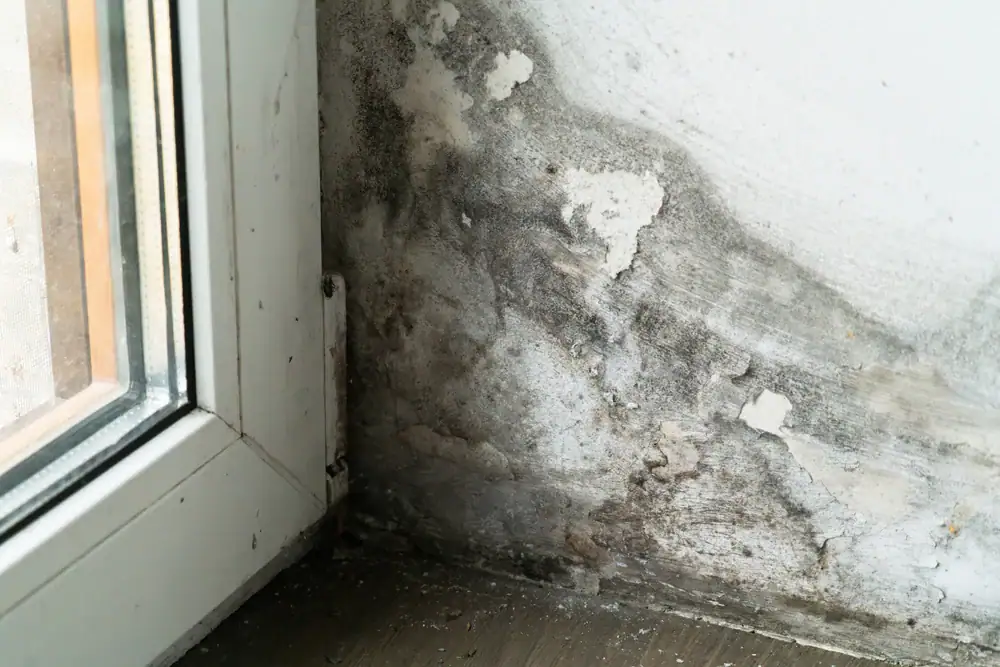
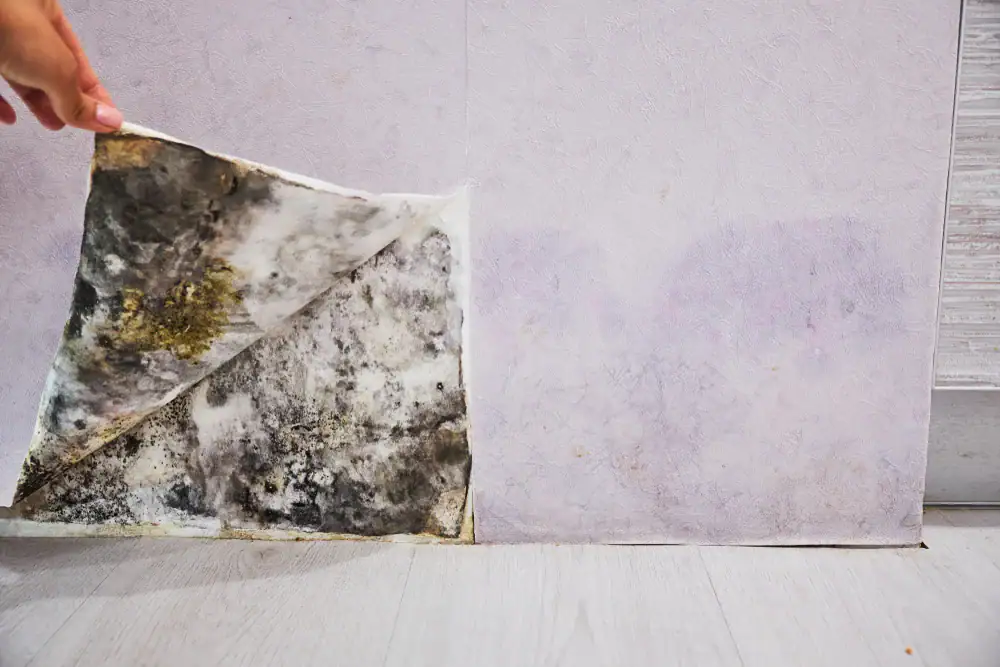
You might smell it before you see it. Mold has a musty, damp odor that doesn’t go away even after you clean. If you notice that smell in your basement, crawl space, bathroom, or around your HVAC vents, there’s a good chance mold is growing somewhere out of sight.
Other signs include water stains on ceilings or walls, peeling paint, warped baseboards, or condensation on windows that never seems to dry. If you’ve had any kind of water damage in the past—flooding, roof leaks, plumbing issues—and it wasn’t dried out completely within 48 hours, mold likely started growing.
We use moisture meters and infrared cameras during inspections to find hidden mold. Moisture meters tell us if materials are wet even when they look dry. Infrared cameras show temperature differences that indicate water intrusion behind walls or under floors. If you’re not sure whether you have mold, an inspection will give you a definitive answer. We’ll show you exactly what we find and what needs to be done about it.
In most cases, yes—but it depends on the size and location of the project. If we’re working in your basement or a single bathroom and we can seal off that area with containment barriers, the rest of your home stays livable. You won’t be breathing in mold spores, and you won’t be exposed to the work zone.
If the mold covers a large area, affects your HVAC system, or is in a central part of the house like the kitchen or main living area, we might recommend staying elsewhere for a few days. That’s especially true if anyone in your household has asthma, allergies, or a compromised immune system. Mold exposure can trigger respiratory issues, and we’d rather you be safe.
We’ll talk through your options during the inspection. If you do need to leave, we’ll give you a clear timeline so you know exactly how long you’ll be out. We’ll also work as efficiently as possible to get you back in. Our containment and filtration setup is designed to protect you and your home, so even if you stay, you’re not living in a construction zone.
Don’t touch it, don’t try to clean it with bleach, and don’t run your HVAC system if you can avoid it. Disturbing mold releases spores into the air, and running your heating or cooling system can spread those spores throughout your house.
If the mold is small—less than 10 square feet—and it’s on a hard, non-porous surface like tile or glass, you can wipe it down with detergent and water. Anything larger than that, or anything on porous materials like drywall, wood, or carpet, needs professional remediation. The EPA recommends calling a professional for any mold contamination larger than 10 square feet.
Call us as soon as you find it. We’ll be on-site within 60 to 90 minutes in most cases to assess the situation, contain the area if needed, and walk you through next steps. If there’s active water damage—like a leak or flooding—we’ll address that first, because mold can’t grow without moisture. The faster you act, the less damage you’ll deal with and the lower your remediation costs will be.
Other Services we provide in Hadley