Hear from Our Customers
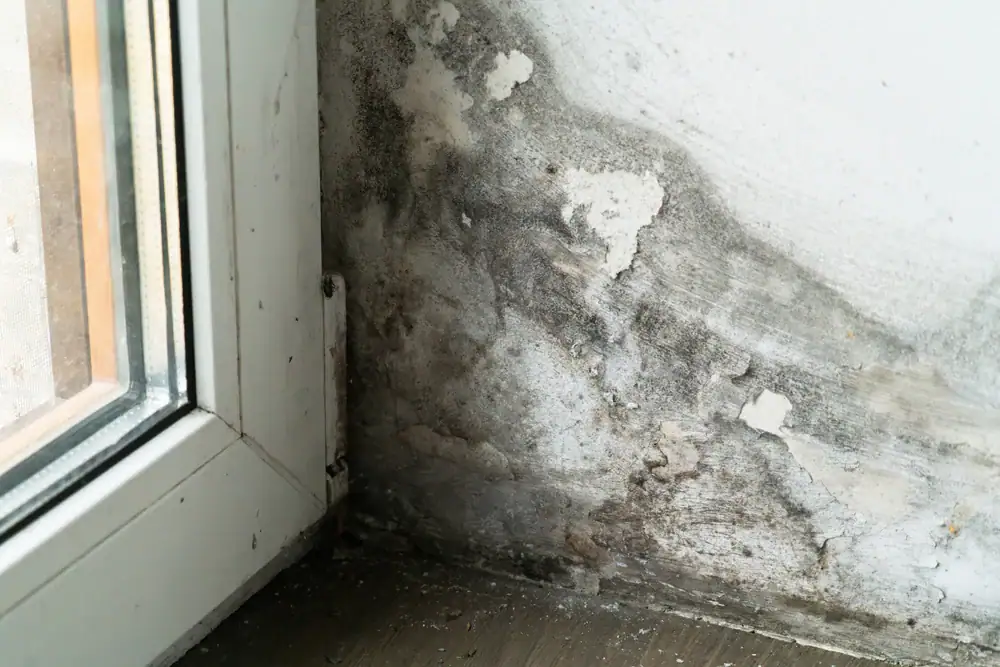
You stop worrying about what’s growing behind your walls. The musty smell disappears. Your family isn’t dealing with constant congestion, coughing, or that nagging sore throat anymore.
Indiana’s summer humidity—especially when it climbs past 60%—turns basements, crawl spaces, and attics into mold incubators. Once spores land on damp drywall or insulation, they start multiplying within 24 hours. By the time you see visible growth, the problem is already deeper than the surface.
Professional mold remediation doesn’t just scrub what you can see. It identifies the moisture source, removes contaminated materials safely, treats affected areas with antimicrobial solutions, and verifies the air quality afterward. You’re not guessing whether it’s handled—you know it is.
We’ve been handling emergency restoration work across Central Indiana since 2016. We’re IICRC-certified in Water Restoration, Applied Structural Drying, and Applied Microbial Remediation—credentials that matter when you’re dealing with health risks and insurance claims.
Hazelwood sits in Hendricks County, where older homes and high summer humidity create perfect conditions for hidden mold growth. We’ve seen it in crawl spaces with poor ventilation, behind washing machines that leaked for weeks, and in attics where roof leaks went unnoticed. Every job gets the same approach: containment, HEPA filtration, documentation, and follow-up verification 14 days later.
We answer our phone 24/7—not a call center, actual people—and we’re typically on-site within 60 to 90 minutes. You’re not waiting days to find out how bad it is.
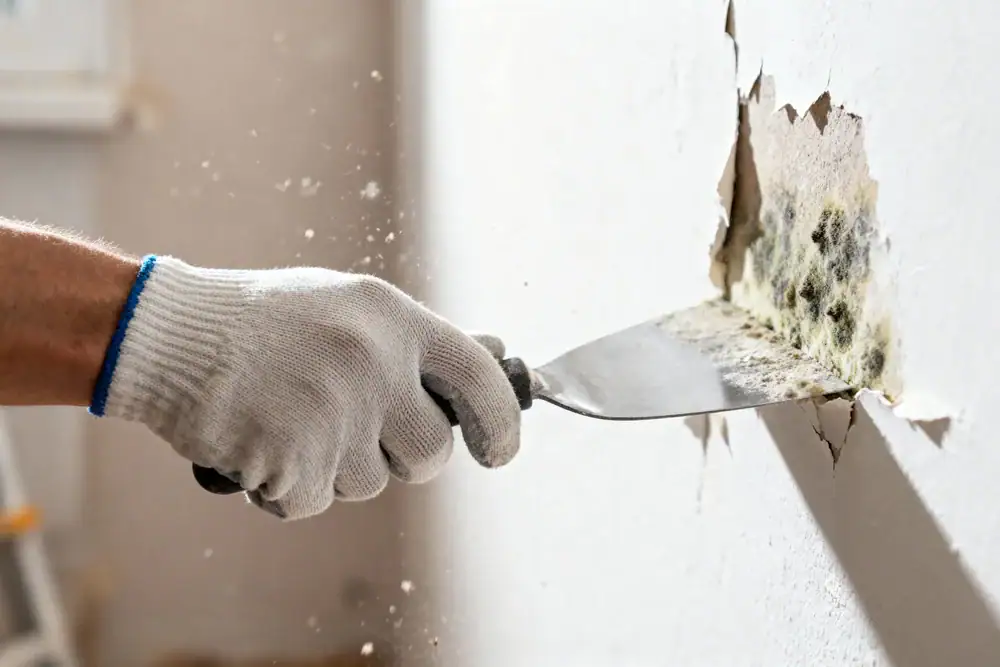
First, we assess the visible mold and use infrared cameras and moisture meters to find hidden growth. Mold doesn’t always show itself—it hides in wall cavities, under flooring, and inside HVAC systems. We map every moisture source so nothing gets missed.
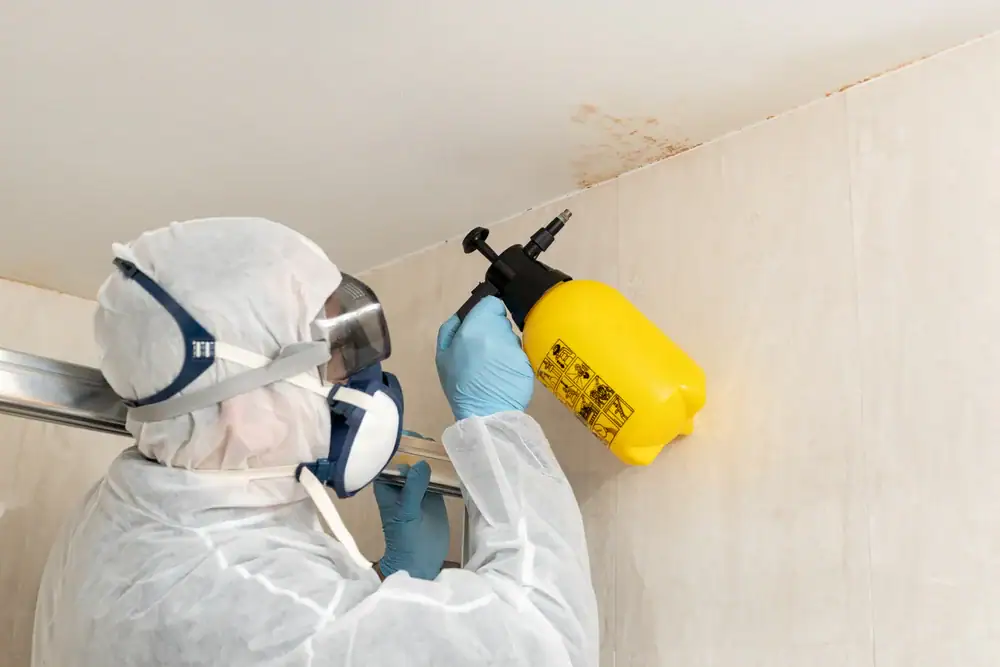
Next, we set up containment barriers and negative air pressure with HEPA filtration to keep spores from spreading to clean areas of your home. Contaminated materials—drywall, insulation, carpeting—get removed and disposed of properly. Salvageable surfaces are treated with antimicrobial solutions and dried using commercial dehumidifiers and air movers.
Once the space is dry and treated, we take post-remediation photos and moisture readings. You get a full report within 24 hours, and we follow up in 14 days to confirm everything stayed clear. If you’re filing an insurance claim, we handle the documentation and work directly with your adjuster so you’re not translating between two parties.
Ready to get started?
You get a complete moisture assessment using thermal imaging and hygrometers to locate every problem area. We don’t treat symptoms—we eliminate the source, whether that’s a plumbing leak, condensation on cold surfaces, or poor crawl space ventilation.
Containment and HEPA air scrubbers protect the rest of your home during removal. We wear protective gear, use shoe covers, and treat your space with the same care we’d expect in our own homes. All contaminated materials are bagged and removed according to EPA guidelines.
Indiana’s climate makes basements and crawl spaces especially vulnerable. In Hazelwood and the surrounding Hendricks County area, we see recurring issues with foundation moisture, sump pump failures, and inadequate vapor barriers. If your crawl space is damp, your whole house is breathing that air. We address those underlying conditions so you’re not calling us back in six months.
After remediation, you receive detailed photo documentation, moisture maps, and a timeline of what was done. If you’re working with insurance, we use Xactimate pricing—the same software adjusters use—so estimates align and claims move faster.
Most residential mold remediation projects take between two and five days, depending on the size of the affected area and how much material needs to be removed. A small bathroom with surface mold might be done in a day or two. A basement with widespread contamination and structural drying requirements can take a week.
The timeline depends on moisture levels, not just visible mold. Even after contaminated materials are removed, the space has to dry completely—usually to below 15% moisture content in wood and drywall—before we can call it finished. We use commercial dehumidifiers and air movers to speed that process, but you can’t rush it without risking regrowth.
You’ll have access to unaffected areas of your home the entire time. We contain the work zone with plastic sheeting and negative air pressure so you’re not living in a construction site.
If it’s a tiny patch of surface mold on a non-porous surface—like a bit of mildew on a bathroom tile—you can usually handle it with a bleach solution or mold-specific cleaner. But if the mold covers more than 10 square feet, if it’s on porous materials like drywall or insulation, or if you’re dealing with black mold, you need professional remediation.
Here’s why: disturbing mold releases thousands of spores into the air. Without proper containment and HEPA filtration, you’re spreading contamination to clean areas of your home. Bleach only kills surface mold—it doesn’t penetrate porous materials, and it doesn’t address the moisture problem that caused the growth in the first place.
Professional remediation includes moisture source identification, containment, safe removal of contaminated materials, antimicrobial treatment, structural drying, and post-remediation verification. You’re not just cleaning up what you see—you’re eliminating the conditions that let mold grow. That’s the difference between a temporary fix and an actual solution.
Mold remediation typically costs between $1,400 and $3,300 for most residential projects, with the average around $2,300. Small jobs—like a single bathroom or closet—might run $500 to $1,500. Larger projects involving multiple rooms, crawl spaces, or structural repairs can reach $5,000 to $10,000 or more.
Cost depends on the extent of contamination, the type of materials affected, and whether you need additional services like contents pack-out, HVAC cleaning, or structural drying. If your homeowner’s insurance covers the loss (most policies cover mold resulting from a covered peril like a burst pipe), your out-of-pocket cost is usually just your deductible.
We use Xactimate pricing software—the same system insurance adjusters use—so our estimates align with what your carrier expects to pay. We also provide direct billing and work as a liaison between you and your insurance company. If it’s not an insurance job, we offer upfront pricing and discounts for military members, seniors, first responders, and teachers.
Mold needs three things: moisture, organic material, and temperatures between 77°F and 86°F. Indiana’s summer humidity regularly exceeds 60%, which is high enough for certain mold species to grow without any standing water. Add in “corn sweat”—the moisture released by cornfields during growing season—and you’ve got an environment where basements, crawl spaces, and attics stay damp for months.
Common moisture sources include plumbing leaks, roof leaks, foundation seepage, condensation on cold surfaces (like AC vents and toilet tanks), poor crawl space ventilation, and sump pump failures. Older homes in Hendricks County often lack vapor barriers in crawl spaces, which lets ground moisture evaporate directly into the house.
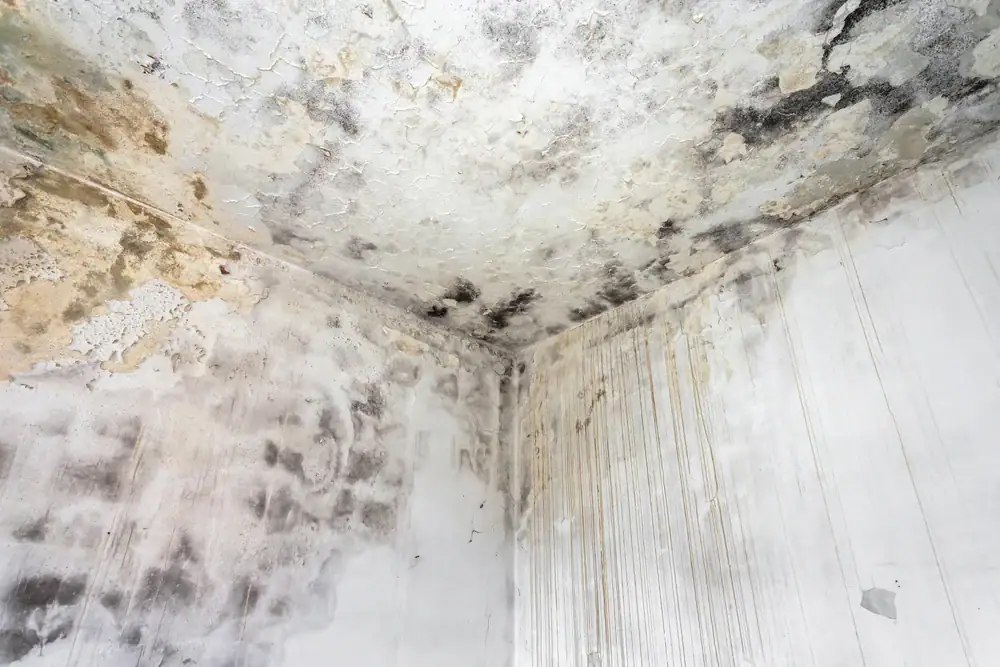
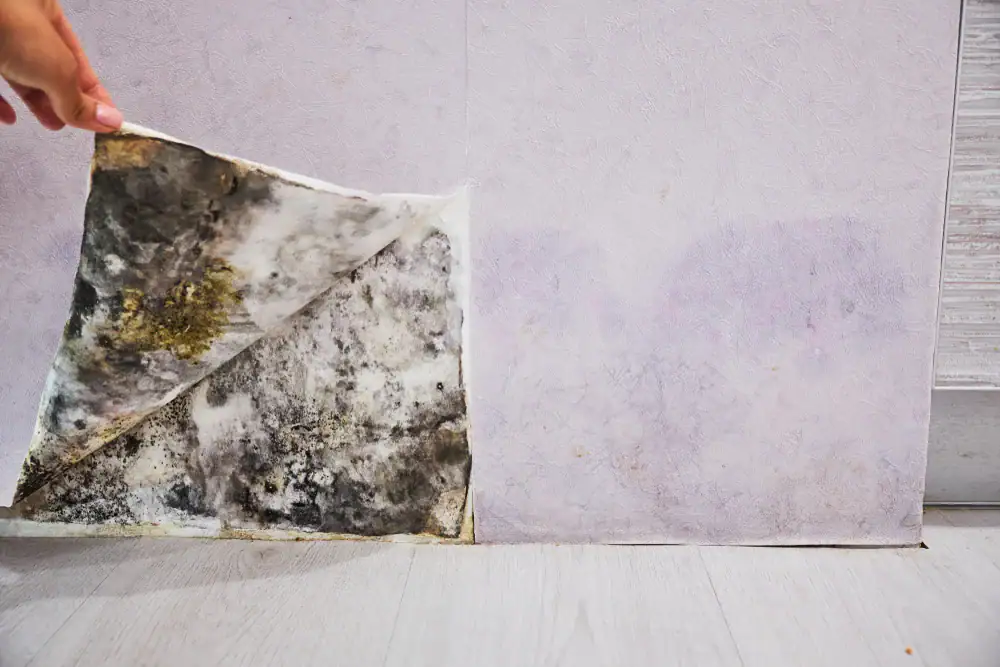
Once mold spores land on damp drywall, insulation, carpet, or wood, they can start growing within 24 hours. By the time you notice a musty smell or see visible growth, the contamination is usually more extensive than it appears. That’s why moisture control—not just mold removal—is the key to preventing recurrence.
Black mold—usually Stachybotrys chartarum—can produce mycotoxins that cause respiratory issues, headaches, fatigue, and skin irritation, especially in people with asthma, allergies, or compromised immune systems. But all mold should be taken seriously, not just the black stuff. Even common species like Aspergillus, Penicillium, and Cladosporium can trigger allergic reactions, asthma attacks, and chronic sinus problems.
The health risk depends on the type of mold, the concentration of spores in the air, and how long you’re exposed. Prolonged exposure in a contaminated home can lead to lung inflammation, cognitive issues, and mood problems. Kids, elderly adults, and anyone with existing respiratory conditions are especially vulnerable.
You don’t need to panic, but you do need to act. If you see mold growth larger than a few square feet, if you smell a persistent musty odor, or if anyone in your home is experiencing unexplained respiratory symptoms, get a professional inspection. We’ll identify the species, measure the extent of contamination, and give you a clear plan for safe removal.
Proper remediation should eliminate visible mold, remove the musty odor, and bring moisture levels back to normal (below 15% in building materials). You should receive detailed documentation including pre- and post-remediation photos, moisture readings, and a scope of work that explains what was removed and what was treated.
Many companies offer post-remediation verification testing, where an independent lab analyzes air samples to confirm spore counts are back to normal levels. We include a 14-day follow-up visit to re-check moisture levels and make sure nothing has returned. If we find any issues, we address them at no additional cost.
You’ll also want to see proof of proper containment during the job—plastic sheeting, negative air pressure, HEPA filtration—and confirmation that contaminated materials were disposed of according to EPA guidelines. If the company can’t show you documentation or won’t commit to a follow-up visit, that’s a red flag. Mold remediation isn’t a one-and-done surface cleaning—it’s a process, and the proof is in the follow-through.
Other Services we provide in Hazelwood