Hear from Our Customers
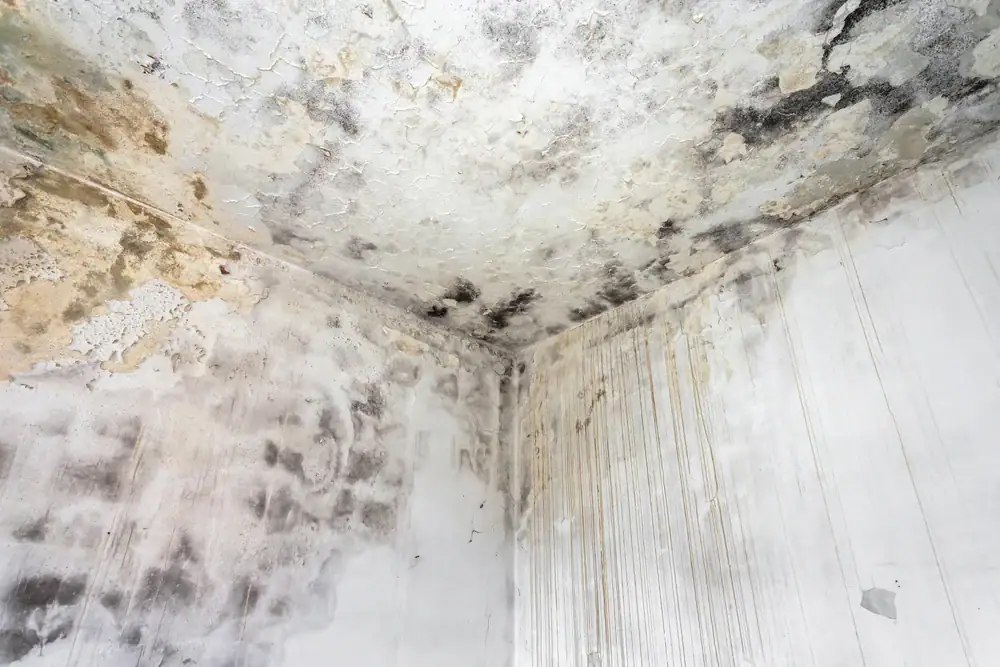
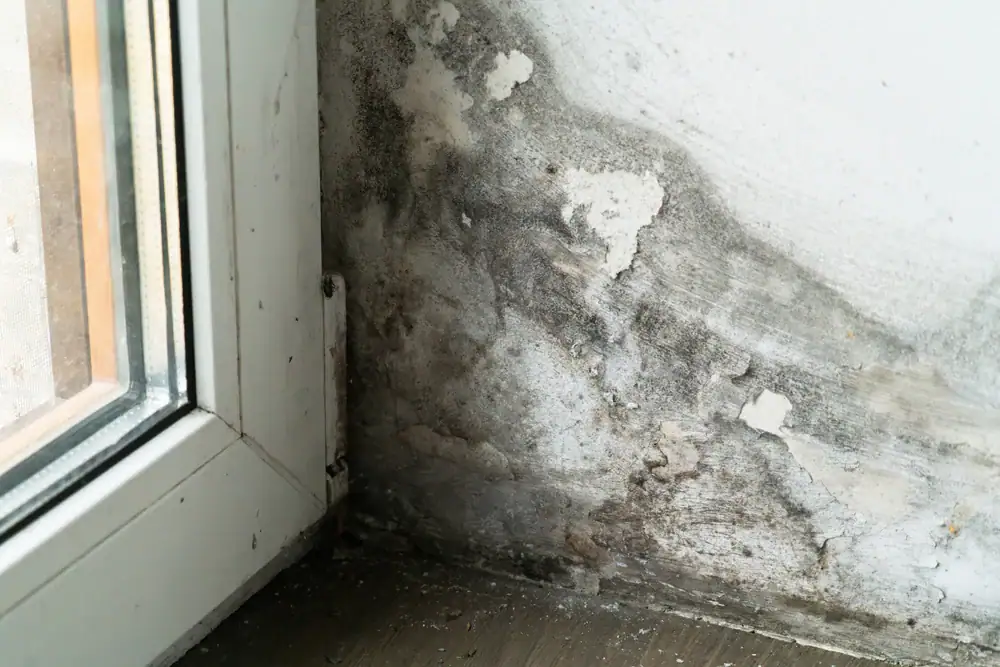
You’re not just dealing with a stain on the wall. You’re dealing with something that grows while you sleep, spreads through your HVAC system, and makes your kids cough more than usual. Mold doesn’t announce itself until it’s already a problem—and by then, you’re wondering if it’s in the walls, under the floor, or behind that basement drywall you haven’t touched in years.
Here’s what happens when mold gets handled the right way. The musty smell disappears. You stop second-guessing whether it’s safe to let your family hang out in the basement. Your home appraisal doesn’t tank because an inspector found active growth during a walkthrough. And if you’re filing an insurance claim, you actually have the documentation and moisture maps you need to get it approved.
We don’t just spray something and call it done. You get containment barriers so spores don’t spread to clean rooms. You get HEPA filtration running during the entire job. You get photos, moisture readings, and a post-job follow-up two weeks later to make sure nothing came back. That’s the difference between mold removal that works and mold removal that doesn’t.
We’ve been doing this since 2016, and we’ve seen what happens when mold jobs get rushed or half-finished. Hopewell sits in an area where basements flood, crawl spaces stay damp, and clay soil doesn’t do you any favors when it comes to drainage. Add in Indiana’s humid summers, and you’ve got the perfect recipe for recurring mold problems if the source moisture never gets addressed.
That’s why our team holds IICRC certifications in Water Restoration, Applied Structural Drying, and Applied Microbial Remediation. We answer our phone 24/7—not a voicemail, a real person—and we’re typically on-site within 60 to 90 minutes. We work directly with your insurance company using Xactimate pricing, so your adjuster knows exactly what they’re looking at.
You’re not getting a crew that shows up whenever. You’re getting techs who document everything, protect your unaffected rooms, and explain what’s happening at every step.
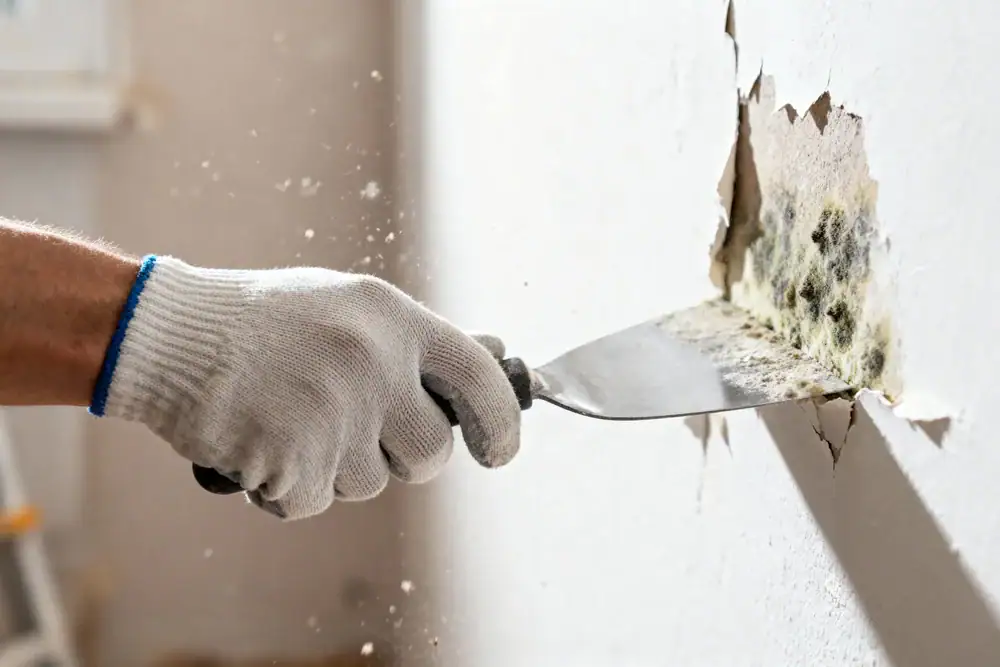
First, we show up and assess the situation. That means identifying where the mold is, how far it’s spread, and what’s feeding it—because if there’s still a moisture problem, remediation won’t stick. We take moisture readings, thermal images if needed, and start documenting everything with photos.
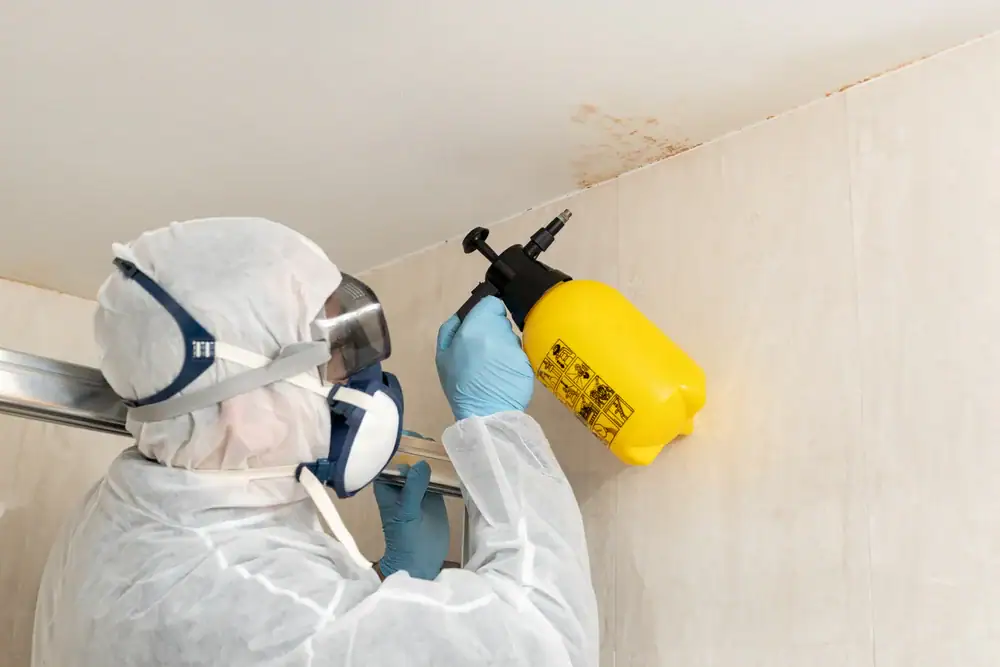
Next, we set up containment. Plastic sheeting goes up to isolate the affected area. HEPA air scrubbers start running to capture airborne spores. If you’ve got belongings in the space, we move them out or protect them. Then we remove the contaminated materials—drywall, insulation, baseboards, whatever can’t be salvaged. Non-porous surfaces get cleaned and treated with antimicrobial solutions.
Once the mold is physically gone, we dry everything out and bring humidity levels below 50%. We don’t leave until moisture meters confirm the space is dry. You get a full report within 24 hours, and we check back in with you at the 14-day mark to make sure nothing’s returned. If you want third-party clearance testing, we can coordinate that too.
Ready to get started?
Every mold remediation job we run in Hopewell includes full containment setup, HEPA filtration, removal of affected materials, antimicrobial treatment, and controlled drying. You also get detailed photo documentation, moisture mapping, and a timeline you can share with your insurance adjuster. We don’t charge extra for that—it’s part of the process.
Indiana’s climate makes basements and crawl spaces especially vulnerable. Older homes around here were built before modern vapor barriers became standard, and that means dirt crawl spaces, foundation cracks, and poor drainage are common entry points for moisture. If your sump pump failed during a heavy rain or your gutters overflow every spring, you’re at higher risk. We see it all the time.
We also handle the stuff most companies don’t mention upfront. That includes contents pack-out if your belongings need to be moved and stored, HVAC duct cleaning if mold spread through your system, and odor neutralization if the smell lingers even after the mold is gone. If your crawl space needs encapsulation or your basement needs a dehumidifier installed, we do that too. The goal isn’t just to remove what’s visible—it’s to keep it from coming back.
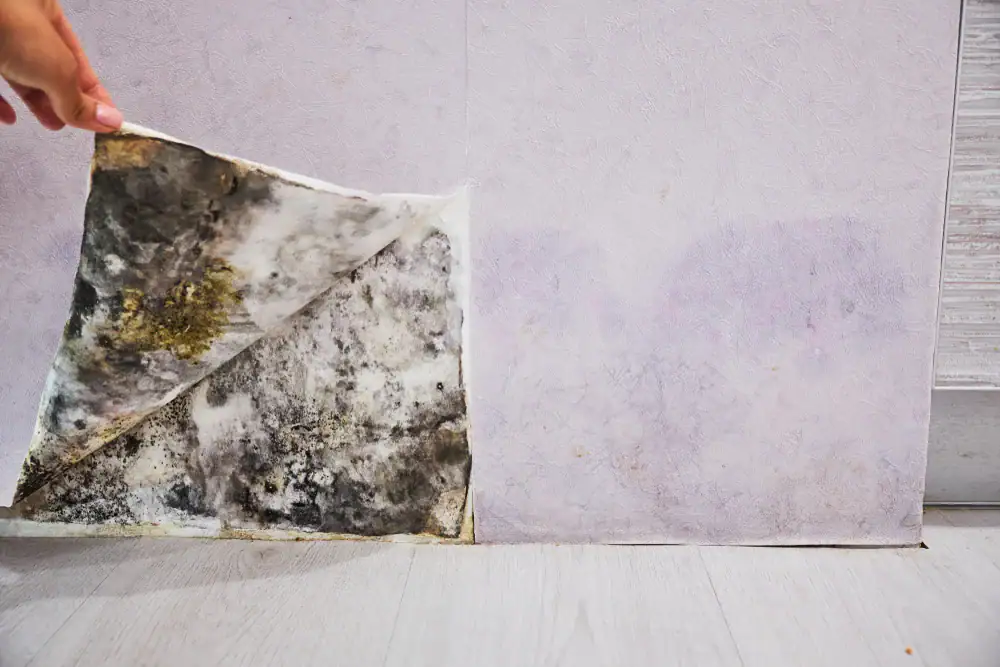
Mold spores can start multiplying within 24 to 48 hours if the humidity climbs above 60% and there’s a porous surface like drywall, carpet, or insulation to latch onto. In Indiana’s summer heat, that timeline compresses even further. If you had a pipe burst, a roof leak, or a basement flood, the clock starts immediately.
That’s why speed matters. The longer water sits, the deeper it soaks in, and the more likely you are to deal with hidden mold growth inside walls or under flooring. Even if the surface looks dry, trapped moisture can keep feeding mold for weeks.
If you’re within that 24- to 48-hour window, you’ve got a shot at preventing mold altogether—but only if the space gets dried out properly with commercial dehumidifiers and air movers, not just a couple of fans from the garage.
It depends on what caused the mold. If it’s the result of a sudden, accidental event—like a burst pipe, storm damage, or an appliance leak—most policies will cover remediation. If it’s from long-term neglect, a slow leak you didn’t fix, or a maintenance issue like a leaking roof you ignored, coverage gets murky.
Insurance companies want to see documentation. That means photos of the damage, moisture readings, a clear timeline, and an estimate that aligns with industry standards. We use Xactimate pricing, which is the same software most adjusters use, so there’s no confusion about what’s reasonable.
We also act as a liaison between you and your insurance company. We’ll walk your adjuster through the scope, explain why certain steps are necessary, and make sure nothing gets missed. If you’re not sure whether your policy covers it, we can help you figure that out before the work starts.
Mold removal sounds like you’re getting rid of every single spore, but that’s not realistic. Mold spores exist everywhere—in the air, on surfaces, floating around your house right now. The goal isn’t to create a sterile environment. It’s to bring mold levels back to normal and eliminate active growth.
Mold remediation is the proper term because it’s about addressing the contamination, removing affected materials, treating surfaces, and controlling the conditions that allowed mold to grow in the first place. That means fixing the moisture problem, drying everything out, and making sure humidity stays low enough that mold can’t come back.
If a company promises to “remove all mold,” they’re either overselling or they don’t understand the science. What you want is a company that follows IICRC S520 standards, which is the industry protocol for safe and effective mold remediation. That’s what we follow on every job.
If it’s a small area—less than 10 square feet, on a non-porous surface like tile, and you caught it early—you can probably handle it with the right cleaner and some precautions. But if it’s on drywall, insulation, carpet, or wood, or if it’s spread into multiple rooms, you’re better off calling someone who knows how to contain it.
Here’s what most people don’t realize: disturbing mold releases spores into the air. If you start scrubbing or tearing out materials without containment, you’re spreading contamination to other parts of your home. Those spores settle on furniture, get pulled into your HVAC system, and create new problems in areas that were previously clean.
Black mold—technically Stachybotrys—gets a lot of attention because of the health risks, but the CDC’s position is straightforward: it doesn’t matter what type of mold it is. If there’s active growth, it needs to be removed properly. That means containment, HEPA filtration, and safe disposal of contaminated materials. If you’re not set up to do that, it’s worth bringing in a crew that is.
It depends on the size of the affected area and how far the mold has spread. A single-room job with surface-level contamination might take one to two days. A full basement with mold behind walls, in the HVAC system, and under flooring could take a week or more.
The timeline also depends on how long it takes to dry everything out. If the space is still damp, we can’t close it up and call it done. Humidity has to drop below 50%, and moisture meters have to confirm that structural materials are dry. Rushing that step is how mold comes back three months later.
We’ll give you a realistic timeline during the initial assessment, and we update you every 48 hours so you know where things stand. If something changes—like we find more contamination once we open up a wall—we’ll walk you through it before moving forward. No surprises, no guessing.
Stay out of the containment area. We seal it off with plastic barriers for a reason—to keep spores from spreading while we’re tearing out materials and running equipment. If you need to grab something from that space, let us know and we’ll get it for you.
If the mold was in your HVAC system or near your air returns, don’t run your heating or cooling until we’ve cleared it. Running the system can pull spores into ductwork and spread them throughout your house. We’ll let you know when it’s safe to turn it back on.
You can stay in the home during most jobs, especially if the contamination is limited to a basement, crawl space, or single room. If it’s more extensive or if someone in your household has respiratory issues, asthma, or a compromised immune system, it might make sense to stay elsewhere for a few days. We’ll give you an honest recommendation based on what we’re dealing with.
Other Services we provide in Hopewell