Hear from Our Customers
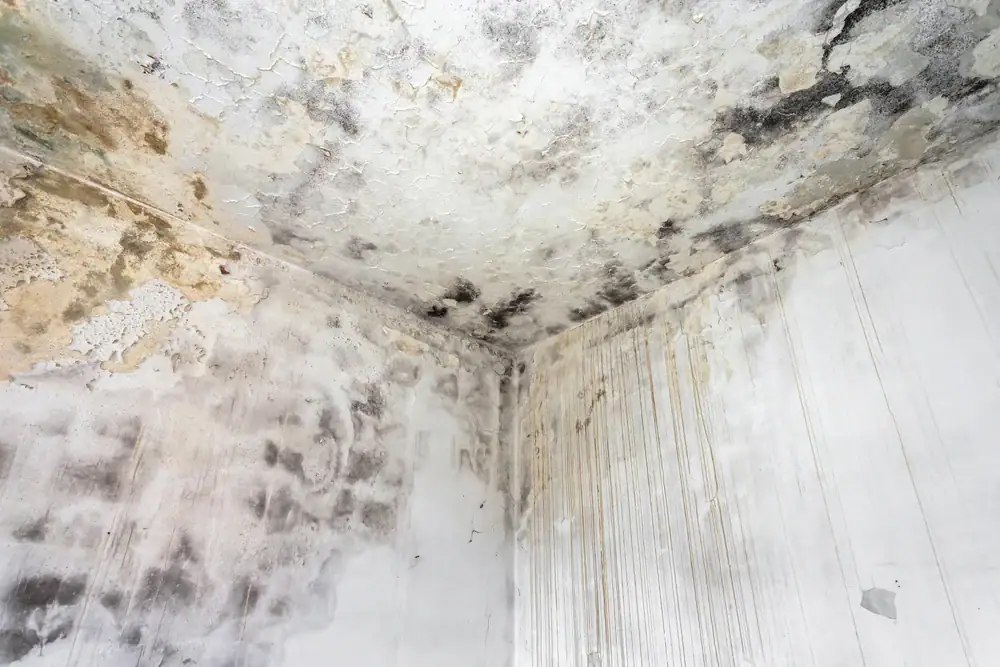
You’re not just paying to make mold disappear. You’re paying to breathe easier—literally and mentally.
That means containment barriers that keep spores from spreading to your kids’ bedrooms while we work. HEPA filtration running the entire time. Moisture meters that find the leak behind your bathroom wall before it costs you another three grand next year. And documentation detailed enough that your insurance adjuster doesn’t come back asking for more photos or explanations.
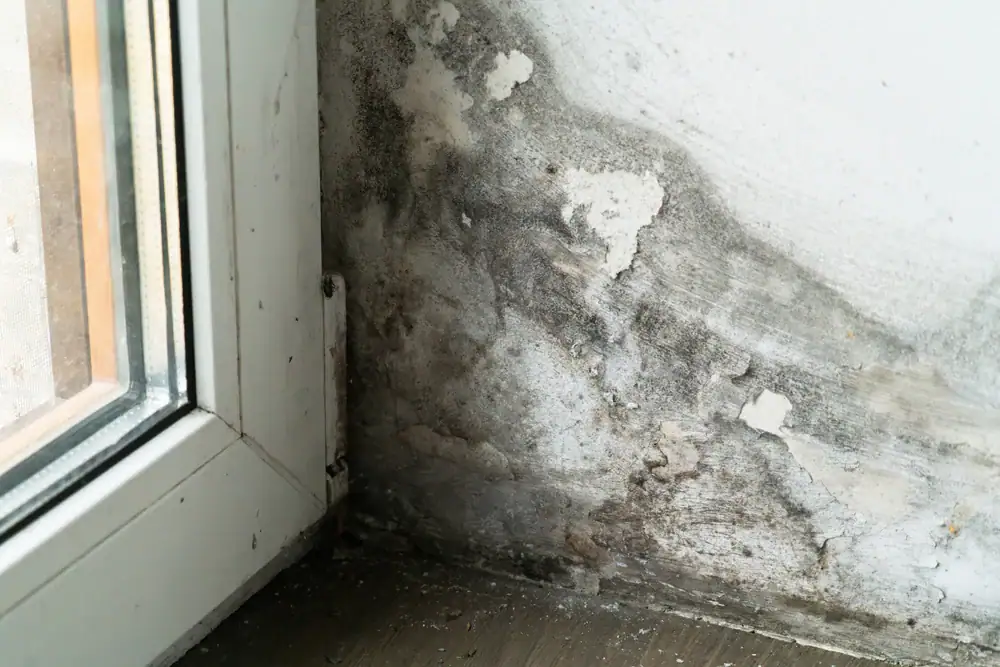
Most mold removal companies in Imperial Hills treat the surface. We eliminate the source. Because if the crawl space is still damp or that roof leak isn’t addressed, you’re looking at the same black spots in six months. We map moisture levels, identify why water got there in the first place, and make sure the environment can’t support mold growth after we leave.
You get a walkthrough when we’re done. Then a follow-up call two weeks later. Not because we’re worried—it’s because you deserve to know the job actually held.
We’ve been handling emergency mold situations across Imperial Hills and the greater Indianapolis area since 2016. We’re not a franchise call center—when you dial our number, you get a live person who can have a certified tech at your door in 60 to 90 minutes.
Our team holds IICRC certifications in Water Damage Restoration, Applied Structural Drying, and Mold Remediation. We’re EPA RRP compliant and BBB accredited. That’s not marketing language—it means we follow the protocols that keep your family safe and your insurance claim clean.
Imperial Hills homes face humidity swings, clay soil drainage issues, and a lot of older basements that weren’t built with modern moisture barriers. We’ve seen it all, and we know how to fix it the first time.
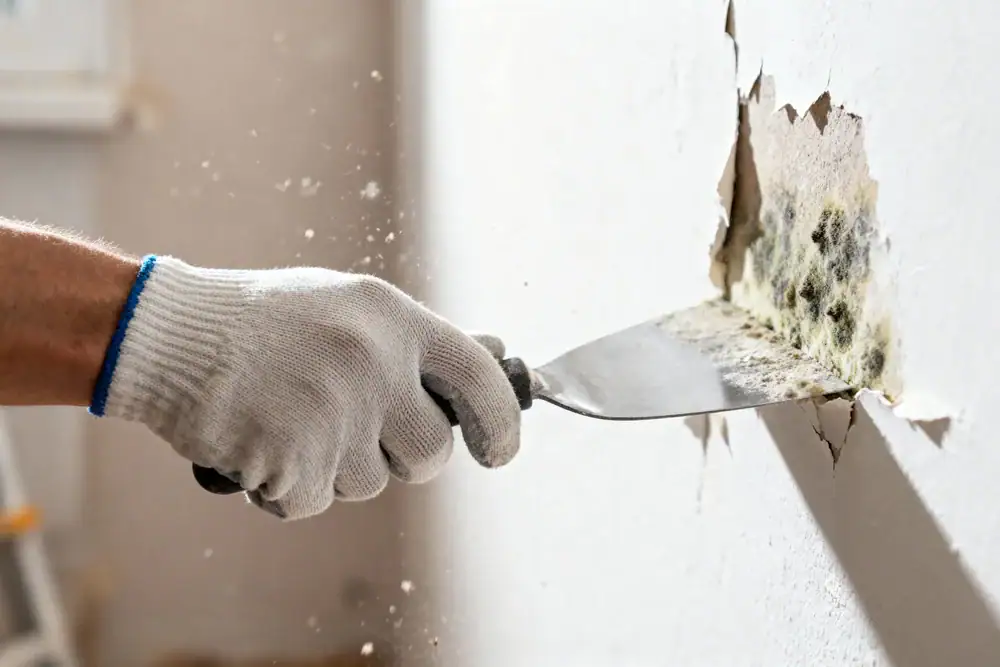
You call. We answer—actually answer, not an automated system. Within 60 to 90 minutes, a certified technician is on-site taking photos, mapping moisture levels, and identifying the contamination zone.
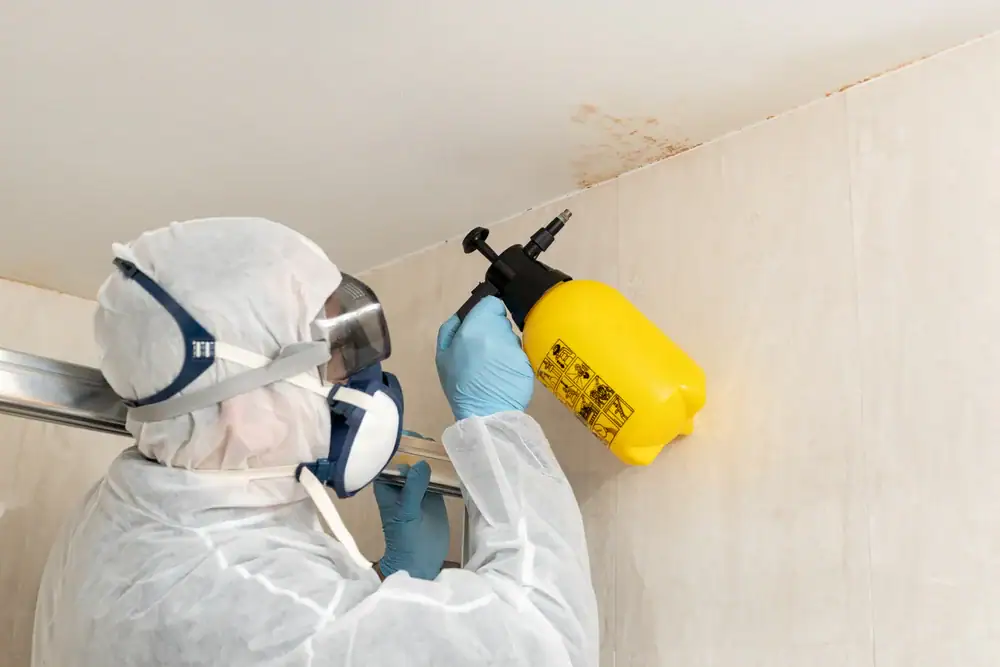
We set up physical containment barriers and negative air pressure with HEPA filtration to keep mold spores from traveling into clean areas of your home. Then we remove affected materials—drywall, insulation, whatever can’t be saved—and treat surfaces with antimicrobial agents. If contents need to be moved or stored, we handle that too.
While the physical work happens, we’re documenting everything. You’ll have a full report with photos and moisture readings within 24 hours, then updates every 48 hours if it’s a multi-day job. That documentation goes straight to your insurance adjuster if you’re filing a claim, and our pricing aligns with Xactimate so there’s no back-and-forth about “reasonable costs.”
Once remediation is complete, we do a final walkthrough with you. Two weeks later, we follow up to make sure everything’s still dry and clear. If something’s off, we come back.
Ready to get started?
Every mold remediation project in Imperial Hills starts with moisture mapping and source identification. We’re not just scrubbing visible mold—we’re finding out why it grew and fixing that problem.
You get full containment with plastic barriers and sealed entryways. HEPA air scrubbers run continuously to capture airborne spores. We remove contaminated materials, treat structural surfaces, and dry everything to safe moisture levels using commercial dehumidifiers and air movers. If your HVAC system was exposed, we clean ducts to prevent recontamination.
Indiana’s humid summers and older housing stock mean basements and crawl spaces are prime targets. We see a lot of foundation cracks, failed sump pumps, and poor ventilation that create perfect conditions for mold. Our process addresses those root causes—not just the symptoms.
Insurance claims get dedicated support. We provide detailed documentation, work directly with your adjuster, and use Xactimate pricing to keep everything transparent. If you’re paying out of pocket, we offer discounts for military, seniors, first responders, teachers, and new customers.
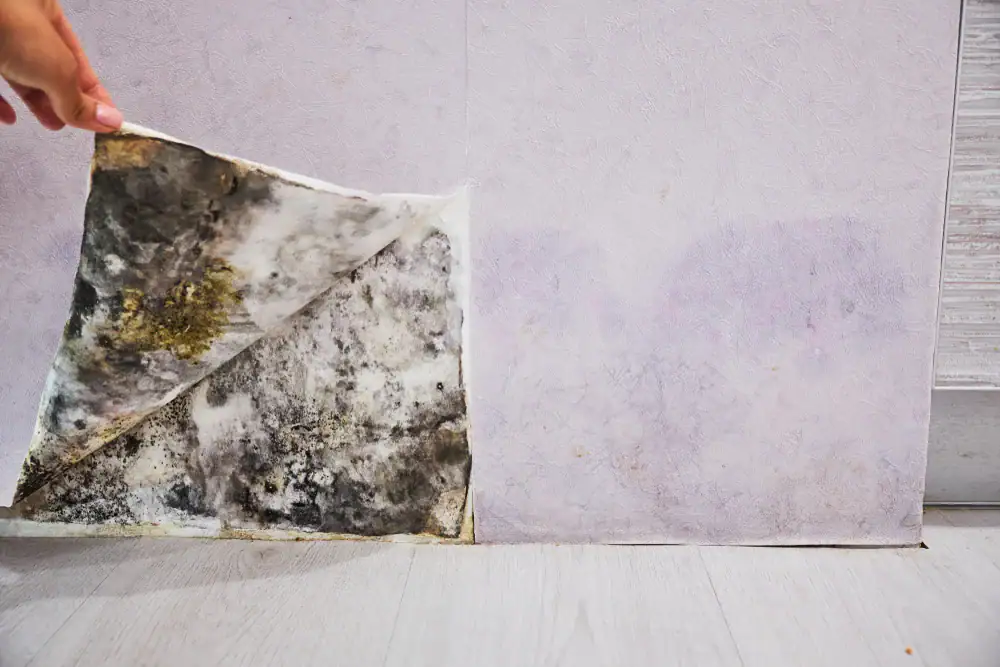
Mold spores can start colonizing within 24 to 48 hours if moisture isn’t fully removed. That’s not a scare tactic—it’s biology.
In Imperial Hills, where humidity climbs during summer and basements stay damp year-round, that timeline can be even shorter. A slow leak behind a washing machine or a roof drip you didn’t notice can create a mold problem before you even realize there’s water damage.
If you’ve had any kind of water event—burst pipe, storm flooding, appliance overflow—the clock is already running. Calling us right away isn’t about panic. It’s about stopping a small problem from becoming a $5,000 one.
It depends on what caused the mold. If it’s from a sudden, accidental event like a burst pipe or storm damage, most policies will cover remediation. If it’s from long-term neglect or a maintenance issue you ignored, probably not.
That’s why documentation matters. We take detailed photos, log moisture levels, and create a timeline that shows the adjuster exactly what happened and when. Our pricing uses Xactimate, which is the same software insurance companies use, so there’s no dispute about whether our estimate is “reasonable.”
We also have a dedicated claims liaison who works directly with your adjuster. You’re not stuck playing middleman or translating contractor language into insurance terms. We handle that communication so your claim moves faster and you’re not left covering costs that should be paid.
Mold removal sounds like you’re getting rid of every spore in your house. That’s not realistic—mold spores exist everywhere. Remediation means bringing mold levels back to normal, safe levels and eliminating the conditions that let it grow out of control.
Real remediation addresses the moisture source. If we pull out moldy drywall but don’t fix the leaking pipe or improve ventilation, you’ll have mold again in a few months. We use moisture meters to confirm everything is dry, not just visually clear.
You’ll also see companies offer mold “cleaning” or “treatment.” That’s fine for small surface mold on non-porous materials, but if it’s spread into drywall, insulation, or wood framing, those materials usually need to be removed. We’re upfront about what can be saved and what can’t—no upselling, just honest assessment based on IICRC standards.
Most residential mold remediation projects in the Indianapolis area run between $1,500 and $4,500, depending on the size of the affected area and how much material needs to be removed. A small bathroom might be on the lower end. A finished basement with extensive contamination will cost more.
We don’t give quotes over the phone because every situation is different. Mold behind one section of drywall is a different scope than mold throughout a crawl space with structural damage. We need to see it, map the moisture, and identify the source before we can give you an accurate number.
What we can promise: transparent pricing aligned with Xactimate, a detailed written estimate before work starts, and no surprise charges. If you’re filing an insurance claim, we work directly with your adjuster. If you’re paying out of pocket, ask about our discounts for military, seniors, first responders, and teachers.
In most cases, yes—but it depends on the size and location of the contamination. If we’re working in a basement or a single bathroom and can seal it off completely, the rest of your home stays livable.
We use physical containment barriers and negative air pressure with HEPA filtration to prevent spores from spreading. Our techs wear shoe covers, and we keep work zones isolated. You won’t have mold dust traveling through your HVAC system or settling in your kids’ rooms.
If the contamination is widespread—say, mold throughout multiple rooms or in your HVAC system—we might recommend staying elsewhere for a few days. That’s not common, but when it’s necessary, we’ll tell you upfront. Your safety matters more than keeping a job convenient.
If you can see mold or smell that musty, earthy odor, you don’t need an inspection—you need remediation. An inspection tells you whether mold is present and what type it is. If it’s already visible, that question is answered.
Inspections make sense when you suspect hidden mold but can’t confirm it—like after you’ve had a leak repaired, or if someone in your home has unexplained respiratory issues. A certified mold inspector will test air quality and take samples to identify the species and concentration.
We’re not an inspection company—we’re a remediation company. That means we don’t make money by finding problems that don’t exist. If you call us and we don’t think remediation is necessary, we’ll tell you. But if there’s visible growth or confirmed contamination, waiting for test results just delays the fix and lets the problem spread.
Other Services we provide in Imperial Hills