Hear from Our Customers
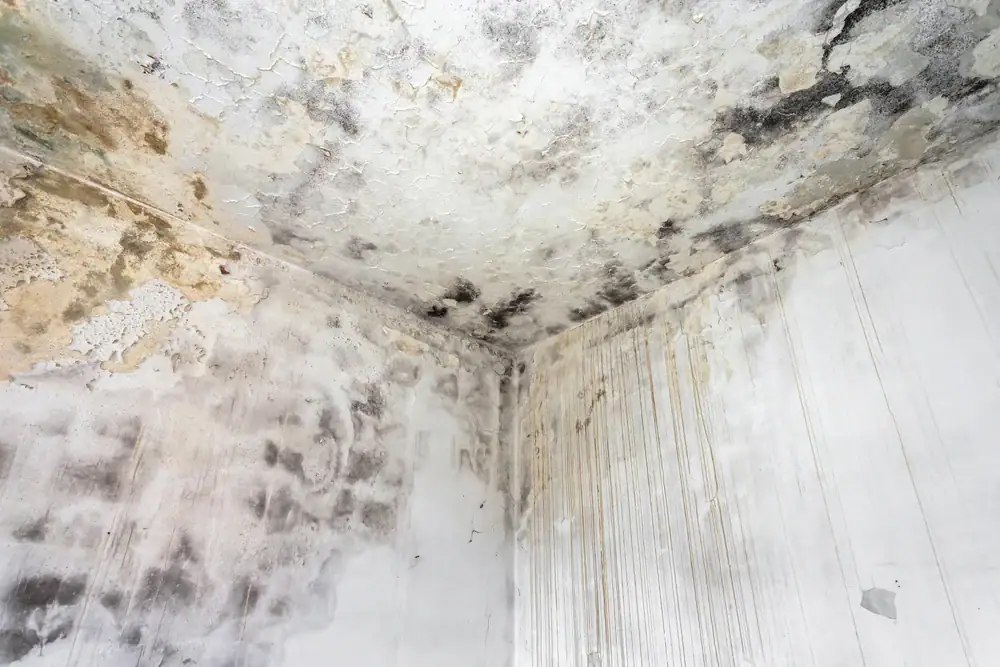
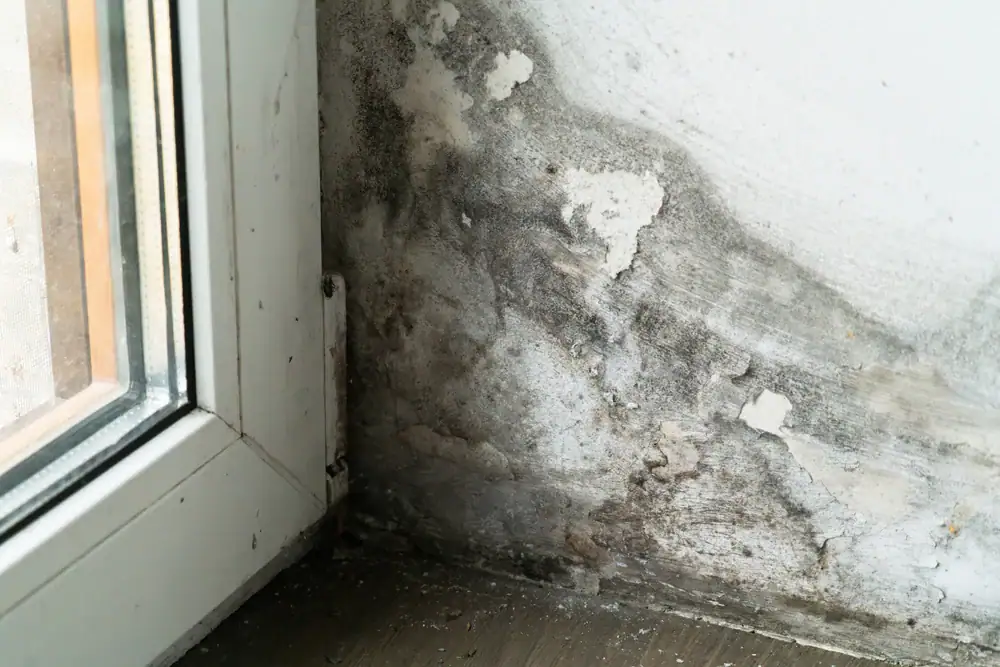
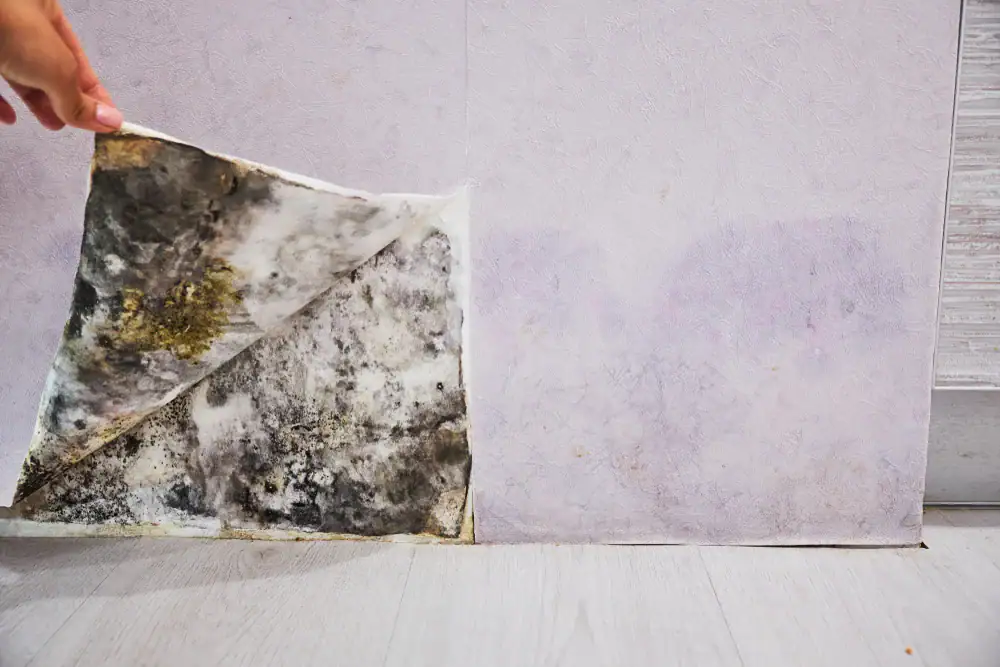
The musty smell disappears. Your kids stop coughing at night. You’re not wondering if that dark spot behind the toilet is growing while you sleep.
When mold gets removed the right way—with containment barriers, HEPA filtration, and moisture control—it doesn’t just look better. It stays gone. You’re not dealing with the same problem six months later because someone wiped down a wall and called it done.
Homes in Maplewood face humidity swings, older HVAC systems, and basement moisture that creates perfect conditions for mold. You need a crew that understands how mold behaves in Indiana’s climate and knows how to eliminate the source, not just the symptoms. That means addressing water intrusion, drying structural materials properly, and documenting everything so your insurance claim doesn’t get denied over missing paperwork.
We’ve been handling emergency mold cleanup in the Fort Wayne area since 2016. We’re IICRC-certified in Applied Microbial Remediation, which means our technicians follow the same protocols used nationwide for safe, effective mold removal.
We’re not a franchise. You’re calling a local crew that knows Maplewood’s housing stock—the basements that flood during spring storms, the crawl spaces that trap humidity all summer, the older homes with ventilation issues that let moisture build up unnoticed.
When you call, a real person answers. Within 60 to 90 minutes, we’re at your door with moisture meters, containment equipment, and a plan that makes sense for your situation and your insurance coverage.
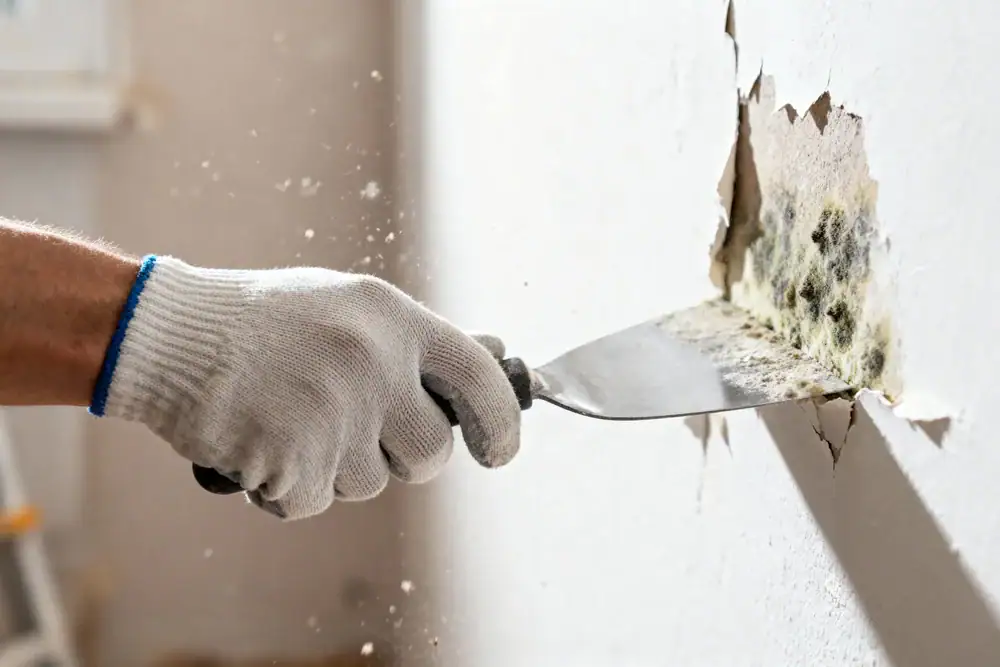
First, we assess the extent of contamination using moisture mapping and thermal imaging to find hidden growth behind walls or under flooring. You get a clear scope of work before anything starts.
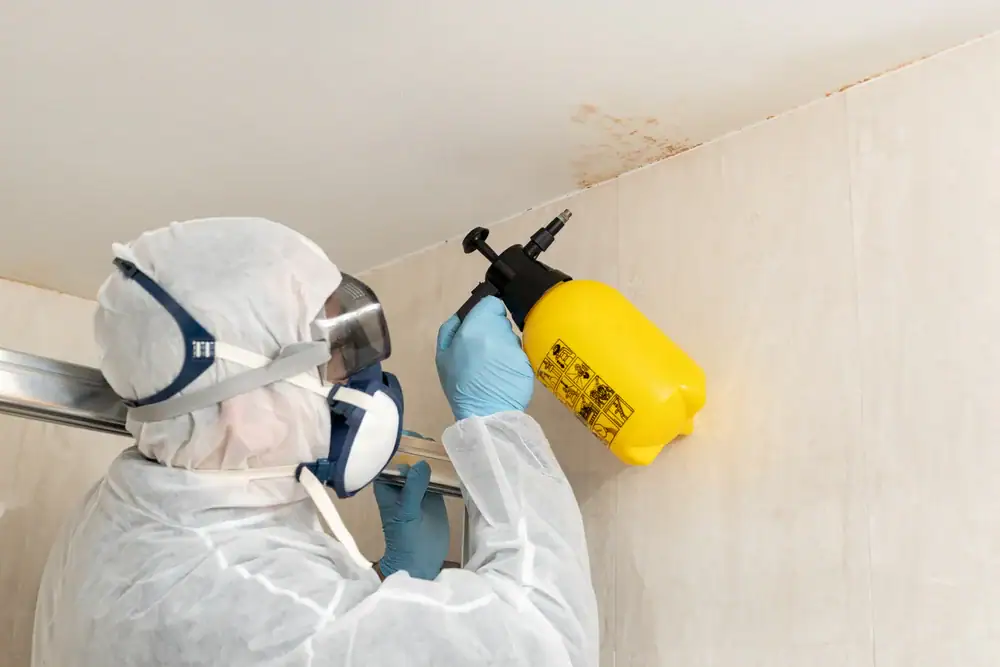
Next, we set up physical containment barriers and negative air pressure with HEPA filtration to prevent mold spores from spreading to clean areas of your home. This step matters more than most people realize—it’s the difference between a contained problem and a whole-house issue.
Then we remove contaminated materials that can’t be salvaged, treat affected surfaces with antimicrobial solutions, and dry everything using commercial dehumidifiers and air movers. We document the entire process with photos and moisture readings because your insurance company will ask for them.
After remediation, we do a post-clearance walkthrough with you and return for a 14-day follow-up to confirm the environment is stable. If something’s not right, we handle it.
Ready to get started?
Every mold remediation project includes containment setup, HEPA air scrubbing, antimicrobial treatment, and complete moisture control. We also handle contents pack-out if furniture or belongings need temporary storage during the work.
In Maplewood, where many homes were built in the 60s through 80s, we often find mold tied to basement water intrusion, poor attic ventilation, or aging plumbing. That’s why we don’t just treat visible mold—we identify and fix the moisture source. Otherwise, you’re paying for the same service twice.
You also get direct insurance claims assistance. We use Xactimate pricing, the same software your adjuster uses, so estimates align from the start. We’ll document everything your carrier needs and communicate directly with them if you want us to. That takes the administrative burden off your plate when you’re already dealing with enough stress.
If your project isn’t insurance-related, we offer discounts for military members, seniors, first responders, and teachers. We also provide transparent pricing up front—no surprises after the work is done.
We’re on-site within 60 to 90 minutes of your call, and we answer the phone live 24/7. No voicemail system, no waiting until Monday morning.
Mold doesn’t spread on a schedule. It grows fastest in the first 48 hours after water damage, and every hour you wait gives spores more time to colonize new surfaces. That’s why speed matters—not just for your peace of mind, but for limiting the scope of remediation and keeping costs down.
When we arrive, we bring everything needed to start containment and assessment immediately. You’re not waiting days for an estimate or wondering when someone will actually show up to do the work.
It depends on the cause. If mold resulted from a sudden, accidental event like a burst pipe or storm damage, most policies cover remediation. If it’s from long-term neglect or maintenance issues, coverage gets murky.
We help you navigate that. Our team documents the source of water intrusion, the timeline, and the extent of damage in a format insurance adjusters expect. We use Xactimate pricing, which aligns with what carriers pay, so there’s less back-and-forth over line items.
If your claim gets denied or you’re not sure whether to file, we’ll walk through your options. We’ve worked with every major carrier in Indiana and know what documentation they require to approve mold remediation claims.
We eliminate the moisture source—not just the visible mold. That’s the only way to prevent regrowth.
If your basement floods every spring, we’ll recommend sump pump upgrades or exterior drainage solutions. If your crawl space traps humidity, we’ll talk about encapsulation or ventilation improvements. If a slow plumbing leak caused the problem, we’ll make sure it’s fully repaired and dried before we close up walls.
After remediation, we return for a 14-day follow-up to measure humidity levels and confirm the environment is stable. If moisture creeps back up or we spot any new growth, we address it under our workmanship commitment. You’re not left guessing whether the problem is actually solved.
Mold removal usually means wiping down visible growth. Mold remediation means eliminating contamination at the source, controlling moisture, and restoring safe air quality.
Anyone can spray bleach on a moldy wall. That doesn’t address spores in the air, hidden growth inside wall cavities, or the water problem that caused it. Remediation involves containment, HEPA filtration, antimicrobial treatment, structural drying, and removal of materials too damaged to salvage.
IICRC-certified remediation follows industry standards that protect your health and your home’s structural integrity. It’s the difference between a surface-level fix and a solution that actually lasts. If you’re filing an insurance claim, adjusters expect full remediation—not just cosmetic cleanup.
Most residential projects take two to five days, depending on the size of the affected area and how much material needs removal.
A small bathroom with mold on drywall and tile might be done in two days. A finished basement with contamination behind walls, under carpet, and in HVAC ducts could take a full week. We give you a realistic timeline during the initial assessment, and we update you every 48 hours as work progresses.
Drying time drives the schedule more than anything else. We can’t close up walls or reinstall flooring until moisture levels drop below 15%. Rushing that step invites mold to return, which defeats the purpose. We use commercial dehumidifiers and air movers to speed the process safely, but we won’t cut corners just to finish faster.
Not usually, but it depends on the extent of contamination and your household’s health situation.
We set up containment barriers and negative air pressure to isolate the work area from the rest of your home. That keeps mold spores from spreading into clean rooms where you’re living. If you have severe asthma, immune system issues, or the affected area is large enough that containment isn’t practical, we’ll recommend temporary relocation.
For most projects—a bathroom, a section of basement, a bedroom closet—you can stay in the home safely. We wear shoe covers, seal off doorways with plastic sheeting, and run HEPA air scrubbers to maintain air quality in unaffected areas. You’ll hear equipment running and see our crew coming and going, but your daily routine doesn’t have to stop.
Other Services we provide in Maplewood