Hear from Our Customers
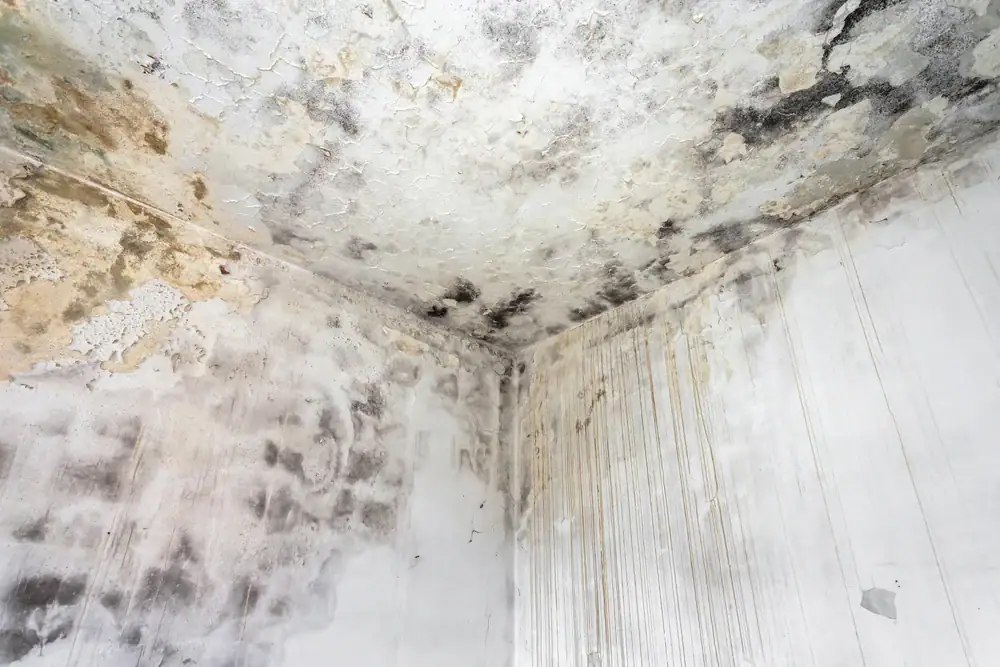
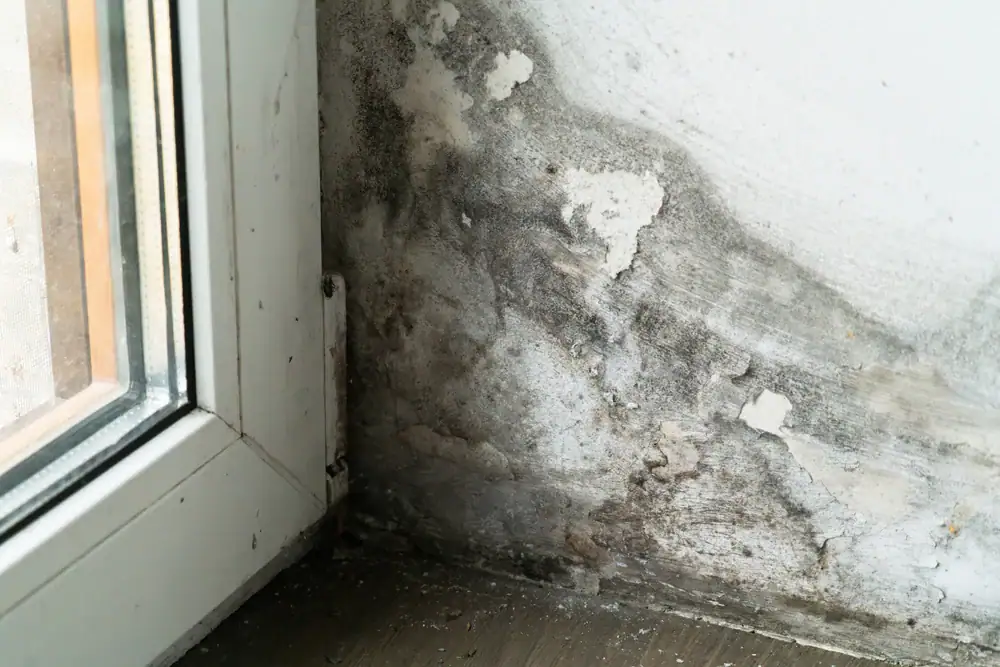
Your kids stop coughing at night. The musty smell in the basement disappears. You’re not wondering if that dark spot behind the washer is spreading.
Mold remediation isn’t just about scrubbing surfaces. It’s about identifying where the moisture is coming from, eliminating the source, and removing contaminated materials so spores can’t come back. When it’s done right, your indoor air quality improves, your home stops deteriorating, and you can stop worrying about what’s growing in places you can’t see.
In Monterey Village, where homes built between 1970 and 2000 sit alongside newer construction, basements and crawl spaces create perfect conditions for mold growth. Indiana’s humid summers—made worse by “corn sweat” from surrounding fields—push indoor humidity levels well above the EPA’s 30-50% recommendation. That moisture doesn’t just sit there. It feeds mold, rots wood, and compromises the structural integrity of your home.
You deserve to know your house is safe. Not surface-level clean. Actually safe.
We’re IICRC-certified in water restoration, applied structural drying, and applied microbial remediation. We’re EPA RRP compliant, BBB accredited with an A+ rating, and we’ve earned over 300 five-star reviews from homeowners and property managers across central Indiana.
We know Monterey Village. We know the housing stock here—the mix of older homes with basements that weren’t built with modern waterproofing and newer builds that still deal with Indiana’s relentless humidity. We’ve seen what happens when mold gets ignored, and we’ve helped hundreds of families take their homes back.
You’ll talk to a real person when you call. We’ll be on-site in 60 to 90 minutes. And we’ll handle your insurance claim from start to finish so you don’t have to translate contractor language to your adjuster.
First, we answer the phone. Not a voicemail. Not an answering service. A trained technician who can dispatch a crew to your home in Monterey Village within 60 to 90 minutes.
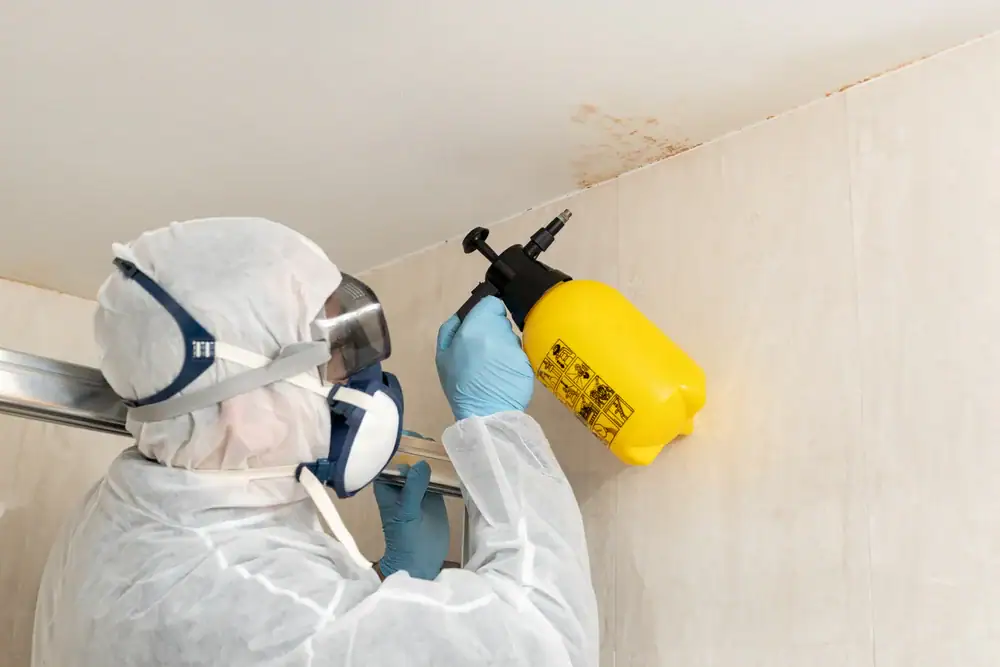
When we arrive, we assess the extent of contamination using moisture meters and thermal imaging to find hidden water sources. We set up containment barriers and HEPA filtration to keep mold spores from spreading to clean areas of your home. Then we document everything with photos and moisture maps—this matters for your insurance claim.
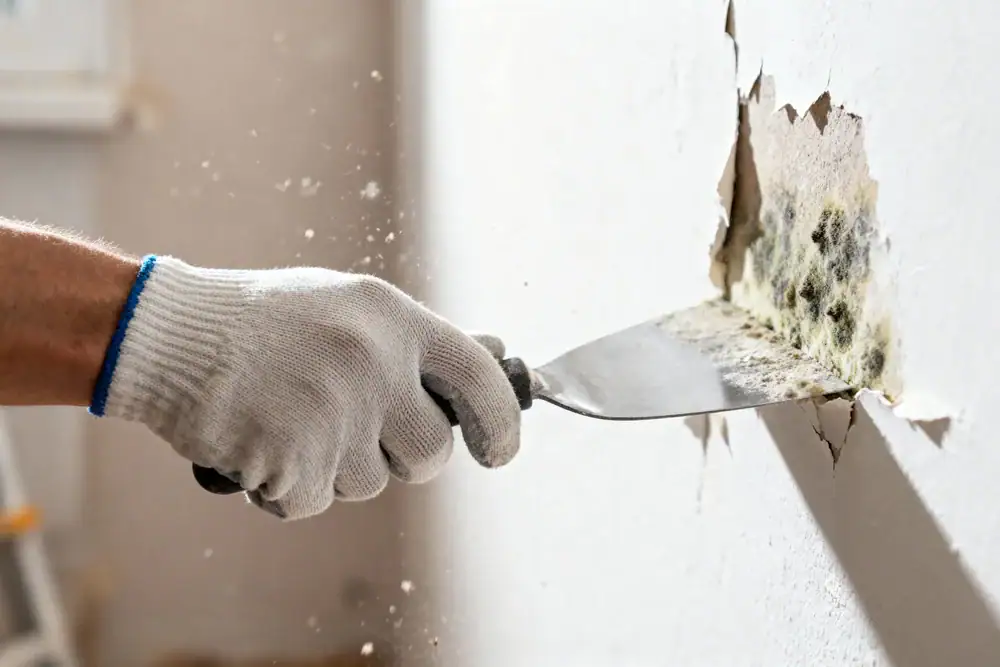
Next, we remove contaminated materials that can’t be salvaged. Drywall, insulation, baseboards—anything porous that’s been colonized gets bagged and disposed of properly. We don’t just spray bleach and call it done. We HEPA-vacuum surfaces, apply antimicrobial treatments, and dry out the affected area completely.
Before we leave, we walk you through what we did, what we found, and what needs to happen next. You’ll get a full report within 24 hours, then progress updates every 48 hours until the job is finished. Fourteen days later, we follow up to make sure you’re satisfied and the problem hasn’t returned.
Ready to get started?
Every mold remediation project includes containment setup, HEPA air filtration, removal of contaminated materials, antimicrobial treatment, and complete moisture elimination. We also handle contents pack-out if your belongings need to be moved and stored during the process.
In Monterey Village, crawl space mold remediation is common. Homes here often have vented crawl spaces that pull in humid outdoor air all summer long. We dry out the space, remove moldy insulation and floor joists if necessary, and help you understand what needs to change to prevent it from happening again.
HVAC systems are another problem area. Mold in your ductwork means every time your furnace or AC kicks on, you’re blowing spores throughout your house. We inspect ducts, clean them when needed, and replace filters so your system isn’t working against you.
We also provide mold inspection services if you’re not sure whether you have a problem. If you can see it or smell it, you probably don’t need testing—you need remediation. But if you’re buying a home in Monterey Village or dealing with persistent allergy symptoms and can’t find the source, an inspection gives you clarity.
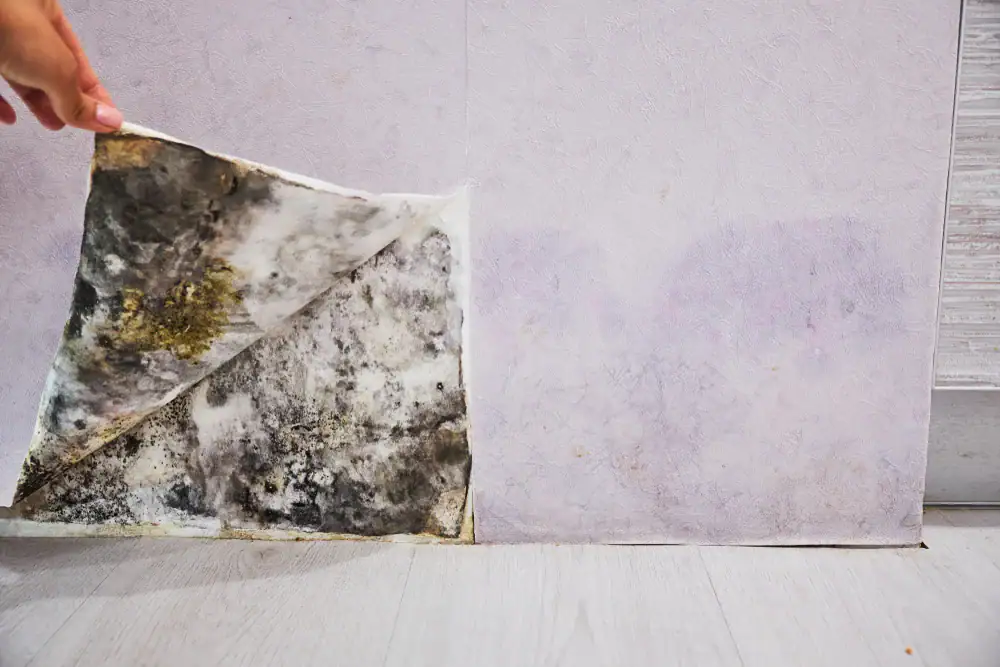
We’re on-site in 60 to 90 minutes after you call. Mold remediation is time-sensitive—not because mold grows overnight, but because the moisture causing it is actively damaging your home right now.
When you call us, you talk to a live person who can dispatch a crew immediately. We don’t make you wait until Monday morning or the next business day. We’re available 24/7 because water damage and mold don’t keep office hours.
Fast response also matters for your insurance claim. Most policies require you to mitigate damage promptly. Waiting too long can give your insurer a reason to reduce or deny your claim.
It depends on what caused the mold. If it’s from a sudden, accidental event—like a burst pipe, roof leak during a storm, or appliance malfunction—most policies will cover remediation. If it’s from long-term neglect or lack of maintenance, they probably won’t.
We work directly with your insurance company. We document everything with photos, moisture readings, and detailed scope reports. We bill using Xactimate, the same software adjusters use, so our pricing aligns with what they expect to pay. You’re not stuck in the middle translating between us and them.
We also offer a claims liaison service. We’ll communicate with your adjuster, provide the documentation they need, and answer their questions. If your claim gets denied and you believe it shouldn’t have been, we’ll give you the information you need to appeal.
You probably don’t need to know. “Black mold”—Stachybotrys chartarum—gets a lot of attention, but all mold should be removed regardless of species. The health risks and property damage aren’t limited to one type.
Mold comes in many colors: black, green, white, orange, even pink. Color doesn’t tell you much about toxicity. What matters is that mold is growing indoors, which means you have a moisture problem that needs to be fixed.
Testing to identify the species is expensive and rarely changes the remediation process. The EPA and local health departments agree: if you can see or smell mold, spend your money fixing the problem, not testing it. We focus on removing the contamination and eliminating the moisture source so it doesn’t come back.
If it’s a small area—less than 10 square feet—and it’s on a non-porous surface like tile or glass, you can try. Use detergent and water, not bleach. Bleach doesn’t penetrate porous materials and can actually make the problem worse by adding moisture.
But if mold is on drywall, insulation, carpet, or wood, or if it’s larger than a few square feet, you need professional mold remediation. Scrubbing releases thousands of spores into the air. Without proper containment and HEPA filtration, you’re spreading contamination to other parts of your home.
You also need to find and fix the moisture source. If you just clean the surface and don’t address why it’s wet, the mold will come back. We use thermal imaging and moisture meters to find hidden leaks and humidity problems you can’t see. That’s the difference between a temporary fix and actually solving the problem.
Most residential mold remediation projects take two to five days, depending on the size of the affected area and how long it takes to dry everything out. A small bathroom might be done in two days. A finished basement with mold behind drywall and in the crawl space could take a week.
Drying is usually the longest part. We can remove contaminated materials in a day, but structural components like studs and subfloors need time to reach safe moisture levels. We monitor this with meters and don’t consider the job done until readings are where they should be.
You can usually stay in your home during remediation as long as the affected area is properly contained. We seal it off with plastic barriers and run HEPA air scrubbers to keep spores from spreading. If the contamination is extensive or involves your HVAC system, we’ll recommend staying elsewhere until containment is complete.
Indiana’s climate is the biggest factor. Summers here are oppressively humid—often above 70% relative humidity—thanks to moisture from surrounding cornfields, southern air currents, and frequent rain. That outdoor humidity seeps into your home through vented crawl spaces, leaky windows, and poor attic ventilation.
Monterey Village has a mix of older and newer homes, and both are vulnerable. Older homes often have basements that weren’t built with modern waterproofing, so groundwater intrusion is common. Newer homes are built tighter for energy efficiency, which is great for your utility bill but traps moisture inside if ventilation isn’t adequate.
Crawl spaces are a major problem area. Vented crawl spaces pull in humid outdoor air all summer, and that moisture condenses on cooler surfaces like floor joists and insulation. HVAC systems are another culprit—condensation from AC units can drip into ductwork or onto insulation, creating perfect conditions for mold growth. If you’ve had a roof leak, plumbing issue, or appliance malfunction, the clock starts ticking immediately in this climate.
Other Services we provide in Monterey Village