Hear from Our Customers
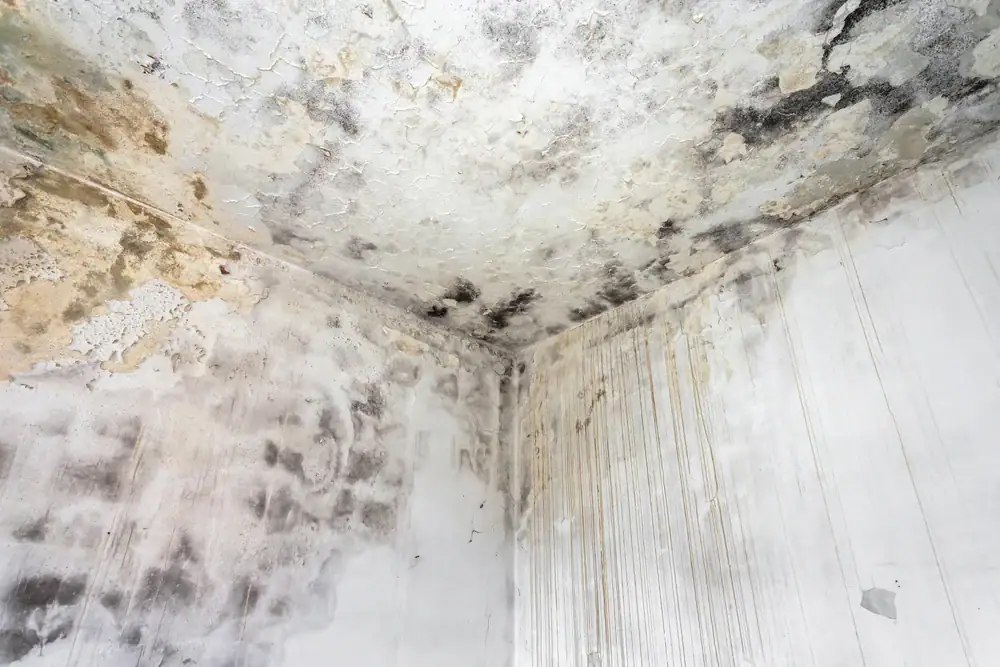
You’re not just paying to scrub visible mold off a wall. You’re paying to breathe easier—literally. To stop worrying every time you smell something musty in the basement. To know your kids aren’t developing asthma because spores are circulating through your HVAC system.
Professional mold remediation means the source gets fixed. The affected materials get removed or cleaned to IICRC standards. Containment keeps spores from spreading to clean areas during the work. HEPA filtration pulls airborne particles out before they resettle somewhere new.
What you’re left with is a home that doesn’t make you sick. No more guessing whether that dark spot behind the washing machine is “just dirt.” No more wondering if your insurance will cover the damage if you wait another month. You get documentation, a clear plan, and a 14-day follow-up to confirm it’s actually handled.
We’ve been handling mold cleanup, water damage, and emergency restoration work across Central Indiana since 2016. We’re not a franchise call center routing your emergency to whoever’s available. We’re a local crew with IICRC certifications in mold remediation (AMRT), water damage restoration, and applied structural drying.
Providence sits in a humid climate with older housing stock, clay soil that holds water, and basements that sweat every summer. We’ve seen what happens when a sump pump fails during a spring storm or when a slow roof leak goes unnoticed for months. Our team knows how mold grows here and what it takes to stop it for good.
You’ll reach a live person when you call—24/7. We’re on-site in 60 to 90 minutes for emergencies. And we work directly with your insurance carrier if the damage is covered, so you’re not translating between adjusters and contractors.
First, we inspect. That means finding the mold you can see and the mold you can’t—behind drywall, under flooring, inside HVAC ducts. We use moisture meters and thermal imaging to map where water is hiding, because mold doesn’t grow without moisture.
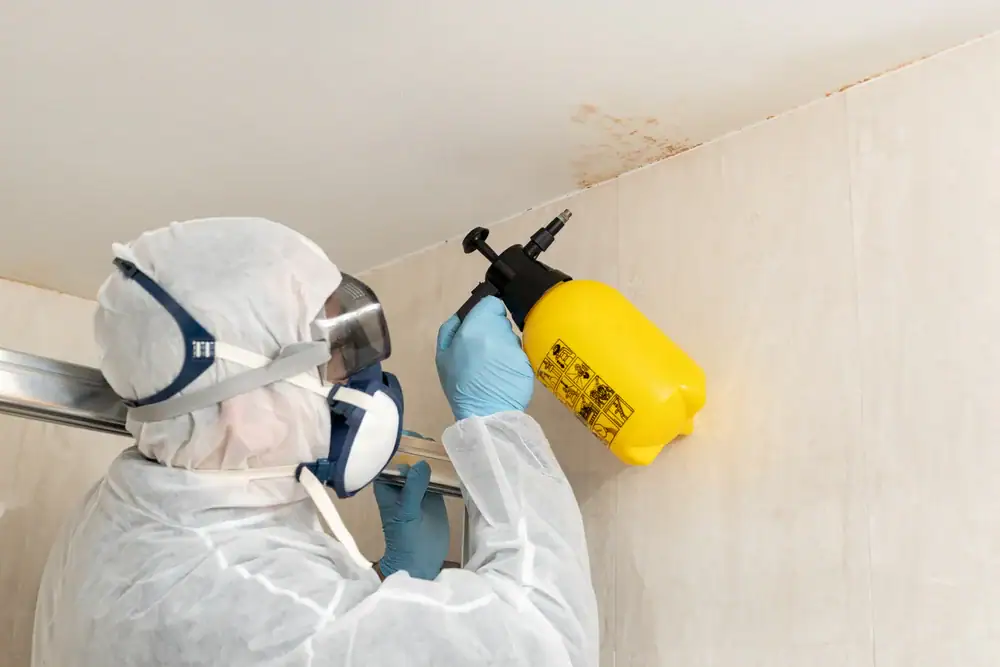
Next, we contain the work area. Plastic sheeting and negative air pressure keep spores from drifting into your kitchen or bedroom while we’re removing contaminated materials. HEPA air scrubbers run continuously to filter the air. You won’t find drywall dust or mold particles settling on your couch two rooms over.
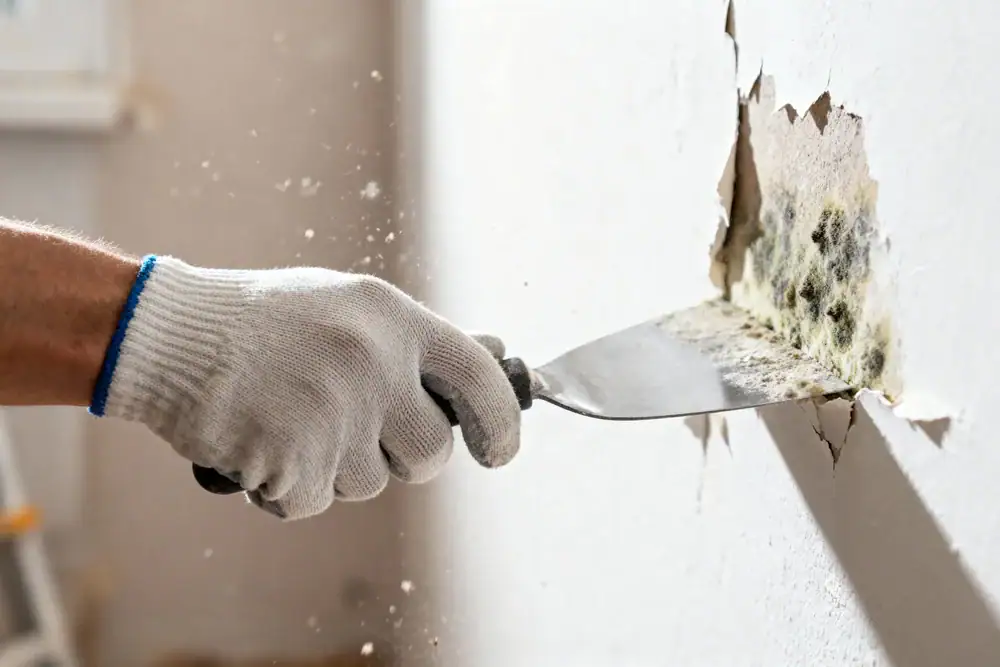
Then we remove or remediate. Small areas get HEPA-vacuumed and treated. Larger infestations mean cutting out drywall, pulling up subfloor, or removing insulation—whatever’s been compromised. We don’t just spray something and hope it works. If the material can’t be saved, it comes out.
Finally, we fix the moisture problem. That might mean repairing a plumbing leak, regrading soil around your foundation, or installing a vapor barrier in your crawl space. Without that step, you’re just waiting for the mold to come back.
You’ll get photo documentation within 24 hours and progress updates every 48 hours until the job’s complete. Two weeks later, we follow up to make sure everything’s still dry and clear.
Ready to get started?
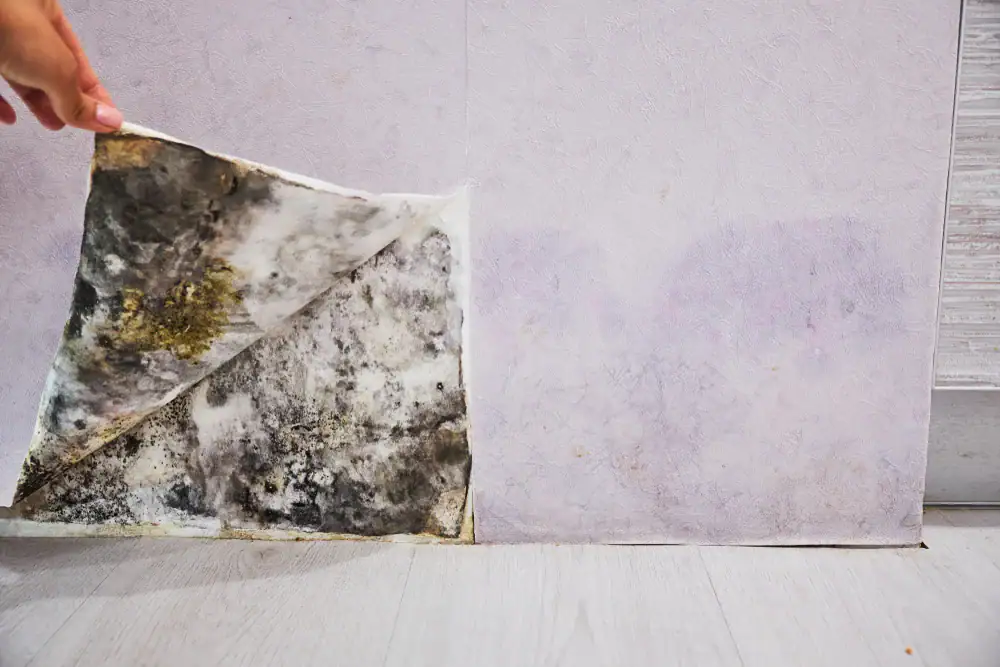
Every mold remediation project starts with a moisture assessment and visual inspection. We’re looking for the obvious stuff—black mold on bathroom ceilings, fuzzy growth on basement joists—but also the hidden damage behind walls or under vinyl flooring. Thermal cameras and moisture meters tell us where water’s been sitting, even if you can’t see it yet.
Containment and air filtration come standard. We seal off the work area with poly sheeting, set up negative air machines, and run HEPA filters to capture airborne spores. Our crew wears PPE and shoe covers to avoid tracking contamination through your house.
Removal and cleaning depend on the extent of growth. Surface mold on non-porous materials like metal or glass gets wiped and treated. Porous materials like drywall, insulation, or carpet padding usually get removed and disposed of properly. We follow IICRC S520 standards, which means we’re not guessing—we’re following the same protocols insurance adjusters and industrial hygienists expect.
Providence’s humid summers and older homes with crawl spaces mean we also handle a lot of below-grade mold issues. Basements with poor drainage, sump pump failures, and foundation cracks are common entry points for moisture here. We’ll identify the source, whether it’s groundwater intrusion, condensation, or a plumbing leak, and give you a plan to fix it so the problem doesn’t repeat.
Most residential mold remediation projects in the Providence area run between $1,500 and $3,500, depending on the size of the affected area and how much material needs to be removed. Small jobs—under 10 square feet—might cost less. Larger projects involving multiple rooms, crawl space encapsulation, or structural repairs can run higher.
If your mold problem resulted from a sudden water event like a burst pipe or appliance failure, your homeowner’s insurance may cover the remediation. Gradual damage from a slow leak or long-term humidity usually isn’t covered. We work directly with insurance carriers, provide Xactimate-aligned estimates, and help you document everything for your claim.
You’ll get a written estimate after the initial inspection. No surprise charges. If we find additional mold during containment, we’ll walk you through it before proceeding. The goal is to give you a clear picture of what needs to happen and what it’ll cost before we start tearing into walls.
Most mold remediation jobs take between one and five days, depending on the size of the contaminated area and how much drying time is needed after we fix the moisture source. A single bathroom with mold on the ceiling might be done in a day. A finished basement with mold behind drywall and inside the HVAC system could take a week.
Containment and removal usually happen quickly. The longer part is making sure everything’s dry before we close it back up. If we’ve removed wet insulation or cut out water-damaged drywall, we’ll run dehumidifiers and air movers until moisture readings are back to normal. Rushing that step just invites the mold to come back.
You won’t need to leave your home for most projects. We contain the work area so you can stay in unaffected rooms. For larger jobs involving significant demolition or airborne spore counts, we’ll let you know if it makes sense to stay elsewhere for a day or two. We’ll also give you a realistic timeline upfront so you can plan accordingly.
If the mold covers less than 10 square feet, isn’t caused by contaminated water, and you’re confident you’ve fixed the moisture source, you can handle it yourself with proper PPE and a HEPA vacuum. Scrubbing with detergent and water works better than bleach, which only lightens the stain on porous surfaces without killing the roots.
Anything larger than 10 square feet, anything involving your HVAC system, or any mold resulting from sewage or flooding should be handled by a certified professional. DIY mold removal often spreads spores to clean areas because most people don’t use containment or proper filtration. You also risk missing hidden growth behind walls or under flooring.
The bigger issue is the moisture source. If you clean visible mold but don’t fix the leak, the condensation problem, or the drainage issue, you’re just buying a few months before it grows back. Professional remediation includes identifying why the mold grew in the first place and giving you a plan to prevent it. That’s the part that actually saves you money long-term.
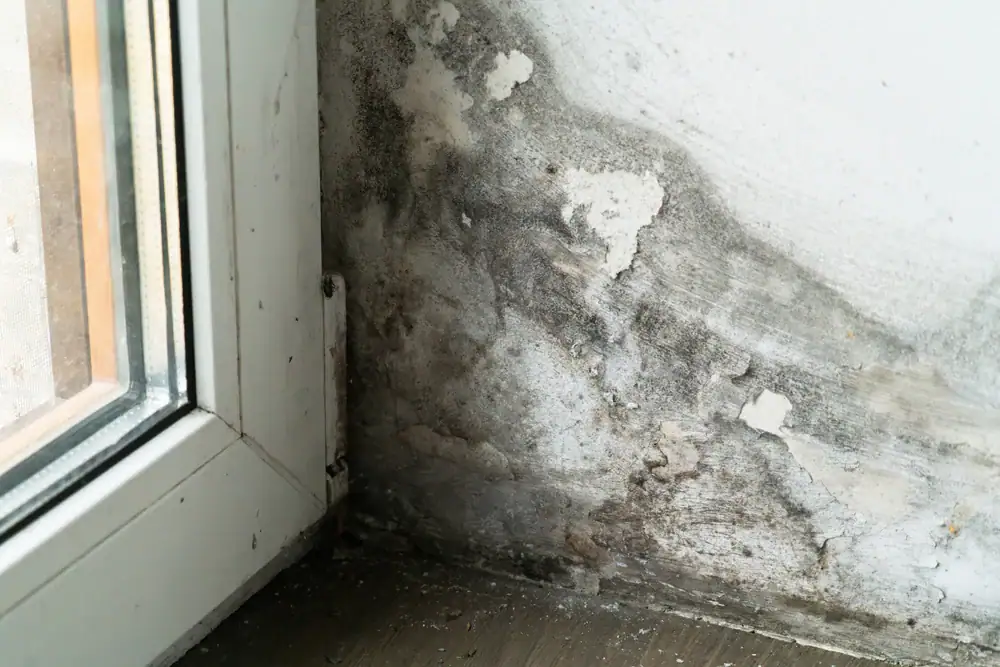
Mold exposure can cause stuffy nose, sore throat, coughing, wheezing, burning eyes, and skin rashes in most people. If you have asthma or mold allergies, reactions can be more severe—including shortness of breath and asthma attacks. Kids, elderly family members, and anyone with reduced lung capacity are at higher risk.
Long-term exposure to certain molds, especially black mold (Stachybotrys), has been linked to chronic respiratory issues, cognitive problems, and mood changes. If you’re noticing persistent symptoms that improve when you leave the house, that’s a red flag.
You should take mold seriously if you can see visible growth larger than a few square feet, if you smell a persistent musty odor even after cleaning, or if anyone in your home is experiencing unexplained respiratory symptoms. Mold doesn’t go away on its own. It needs moisture to grow, and if that moisture is still present, the problem will keep spreading. Getting a professional inspection gives you clarity on what you’re dealing with and whether it’s affecting your indoor air quality.
It depends on what caused the mold. If it resulted from a sudden, accidental event—like a burst pipe, appliance malfunction, or storm damage—most homeowner’s policies will cover the remediation. If the mold grew because of long-term neglect, a slow leak you didn’t fix, or ongoing humidity issues, it typically won’t be covered.
Insurance companies want to see that you acted quickly once you discovered the problem. Waiting months to file a claim or ignoring visible water damage can give them a reason to deny coverage. That’s why documentation matters. We take photos, create moisture maps, and provide detailed reports within 24 hours so you have everything your adjuster needs.
We work directly with insurance carriers and use Xactimate software, which is the same estimating tool most adjusters use. That means fewer disputes over pricing and faster approvals. If your claim gets denied or you’re not sure whether you’re covered, we’ll walk you through your options. Some clients pay out of pocket for smaller jobs to avoid a claim on their record. Others finance the work. We’ll give you a straight answer on what makes sense for your situation.
Control moisture. That’s it. Mold needs water to grow, so if you eliminate the source, it can’t come back. That might mean fixing a roof leak, rerouting gutters away from your foundation, installing a sump pump, or running a dehumidifier in your basement during humid months.
In Providence, where clay soil and high humidity are common, below-grade moisture is a frequent issue. Crawl space encapsulation with a vapor barrier can make a huge difference. So can improving ventilation in bathrooms and kitchens. If your HVAC system is pulling humid air through ducts that run through an unconditioned crawl space, you’re creating condensation inside the ducts—which leads to mold growth you can’t see.
We’ll identify the moisture source during remediation and give you a clear plan to address it. Sometimes that’s a simple repair. Other times it’s a bigger project like regrading your yard or upgrading your drainage system. Either way, you’ll know what needs to happen to keep mold from returning. And if something does pop up again within 14 days, we’re coming back to check it as part of our follow-up process.
Other Services we provide in Providence