Hear from Our Customers
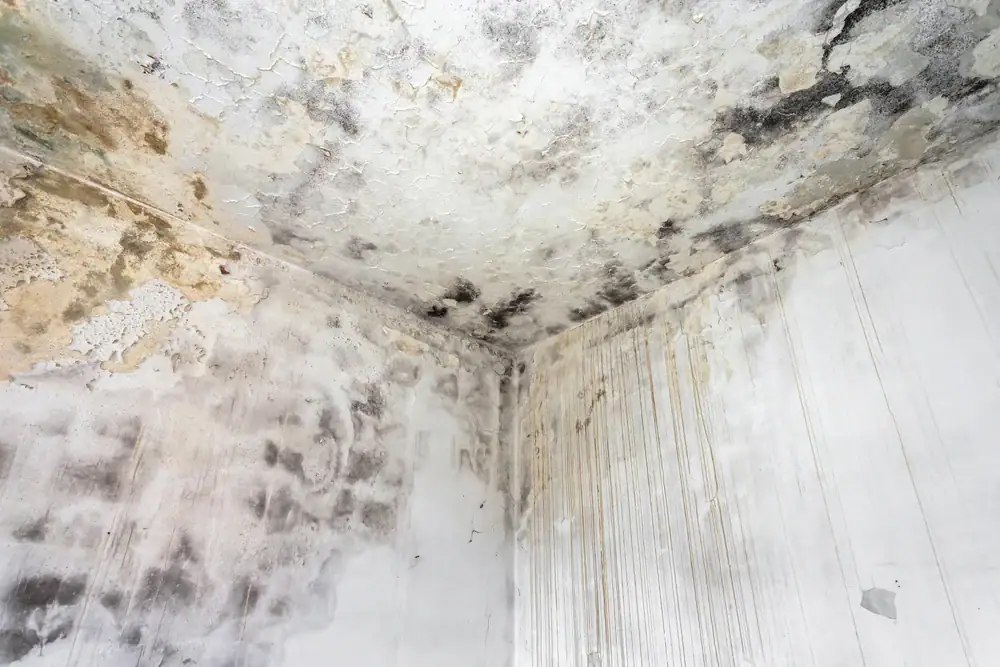
You stop worrying about what’s growing behind your walls. The musty smell disappears. Your kids can breathe easier, and you’re not second-guessing every cough or sneeze anymore.
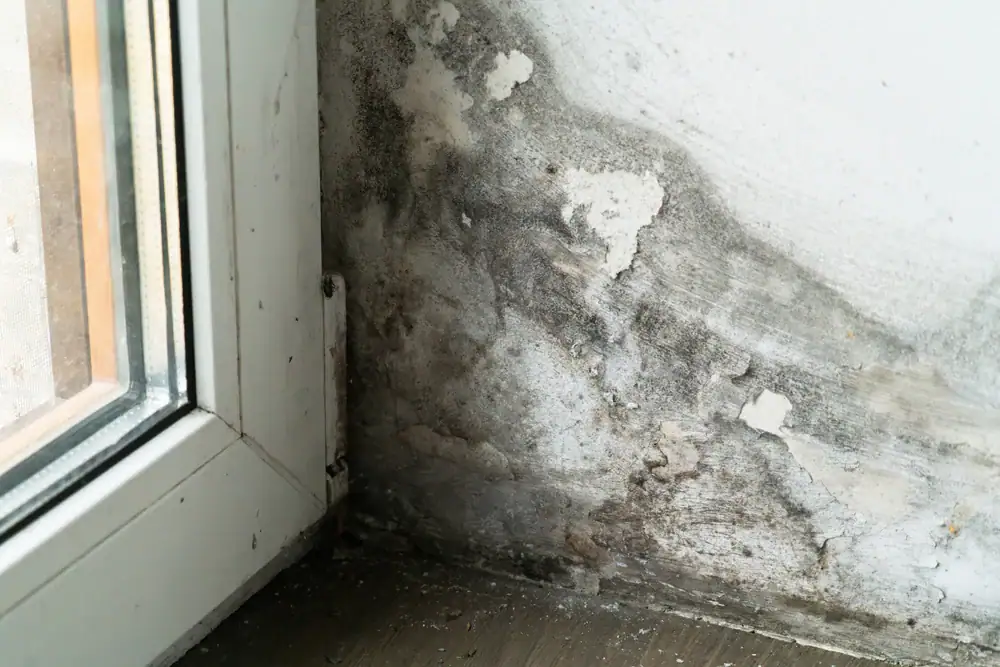
The black spots on your basement walls are gone. The crawl space is dry. Your home feels like yours again, not like something’s slowly eating away at it while you sleep.
We don’t just scrape off what you can see. We map the moisture, contain the affected areas so spores don’t spread, remove contaminated materials properly, and treat surfaces with antimicrobial solutions. Then we verify the air quality and document everything for your records and your insurance company.
You get a home that’s actually remediated, not just surface-cleaned. And you get the paperwork to prove it.
We’re IICRC-certified in water damage restoration, applied structural drying, and mold remediation. We’re not a franchise following a script. We’re a local team that understands Indiana’s humidity problems—the corn sweat in July, the 75-85% relative humidity that turns basements into mold factories, and the older housing stock in Riverwood that wasn’t built with modern moisture barriers.
We answer our phone 24/7. Not a call center—our actual team. We’re on-site in 60-90 minutes in most cases, and we start documenting everything immediately because we know your insurance company will ask for it.
You’re not getting a salesperson. You’re getting certified technicians who know the difference between surface mold and a systemic problem, and who won’t leave until it’s handled correctly.
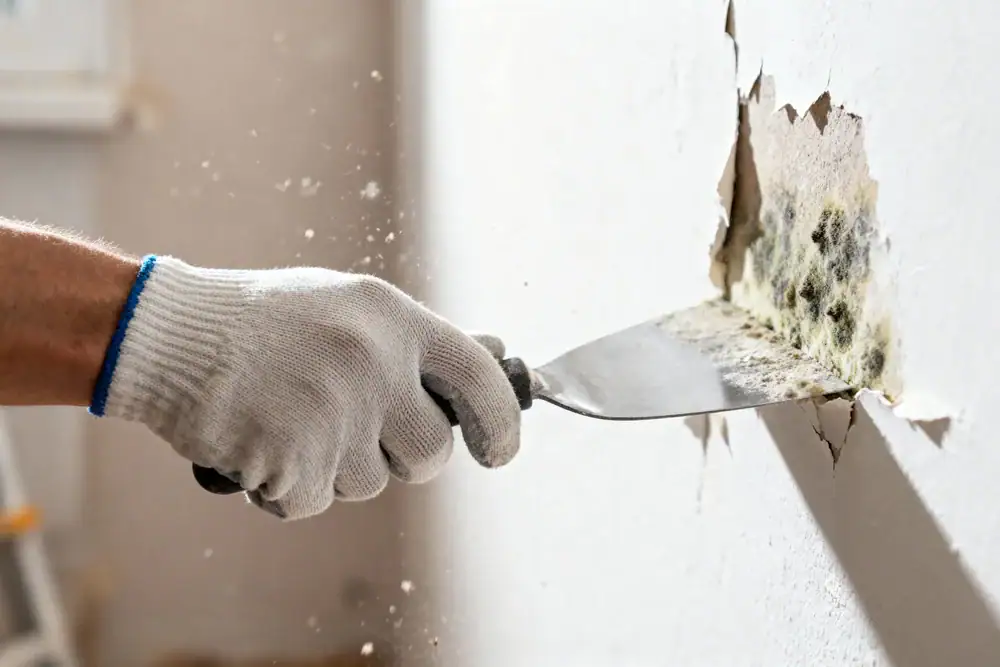
First, we inspect and map the moisture. Mold doesn’t grow without water, so we find the source—whether it’s a hidden leak, condensation, or humidity from your crawl space. We document everything with photos and moisture readings.
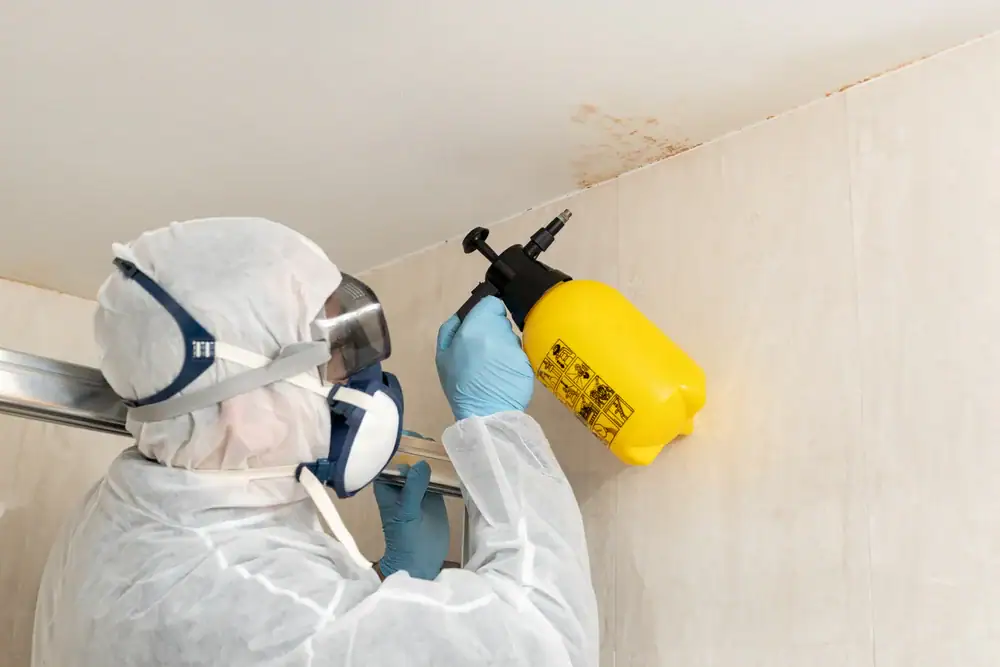
Next, we contain the work area with physical barriers and negative air pressure. This keeps mold spores from spreading to clean areas of your home. We’re wearing shoe covers, using HEPA filtration, and treating your space like it matters.
Then we remove the contaminated materials—drywall, insulation, whatever can’t be salvaged—and treat remaining surfaces with antimicrobial solutions. We don’t just spray and pray. We remove what’s compromised and clean what can be saved.
Finally, we dry everything thoroughly, verify air quality, and walk you through what we did. You get a full report within 24 hours, and we follow up in 14 days to make sure nothing’s come back. If your insurance is covering it, we handle the paperwork and billing directly.
Ready to get started?
You get a full mold inspection with thermal imaging and moisture mapping. We identify the water source, not just the visible mold. In Riverwood, that often means crawl spaces, basements with poor drainage, or attics with ventilation issues—all common in older Indiana homes.
We set up containment barriers and HEPA air scrubbers before we touch anything. Mold spores become airborne the second you disturb them, and we’re not letting them migrate to your bedroom or kitchen. Everything gets sealed off and filtered.
You get complete removal of affected materials, antimicrobial treatment of salvageable surfaces, thorough drying with commercial dehumidifiers, and post-remediation air quality verification. We also handle contents pack-out if your belongings need temporary storage, and we coordinate directly with your insurance adjuster so you’re not playing middleman.
The humidity here isn’t going away—July and August will always be brutal in Central Indiana. But we’ll show you how to prevent this from happening again, whether that’s better crawl space encapsulation, dehumidification, or fixing the grading around your foundation.
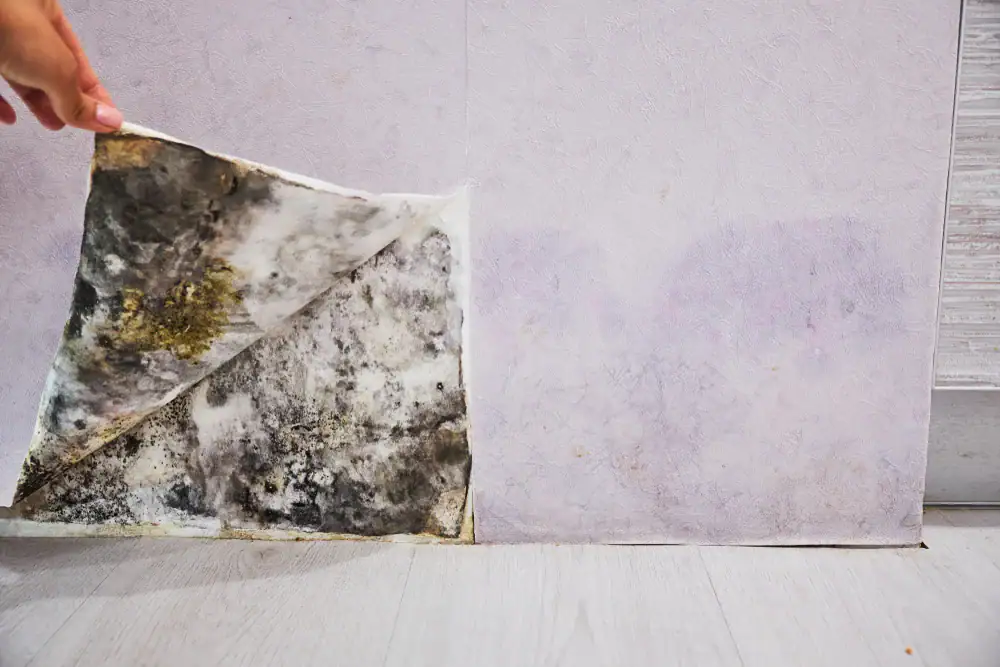
Most residential mold remediation projects in Riverwood run between $1,800 and $3,000, but the real answer depends on how much mold there is and where it’s growing. A small bathroom with surface mold on the ceiling costs far less than a finished basement with mold behind the drywall and in the insulation.
We use Xactimate pricing, which is the same software your insurance company uses. That means no surprises and no inflated estimates that get cut down later. If your insurance is covering it, we bill them directly and walk you through what your deductible covers.
If it’s not an insurance job, we offer discounts for military, seniors, first responders, and teachers. And we’ll always give you a free estimate before we start, so you know exactly what you’re paying for. No hidden fees, no upselling—just transparent pricing for the work that actually needs to happen.
Small projects—like a bathroom or closet—usually take one to two days. Larger jobs, like a basement or crawl space with structural damage, can take three to five days depending on how much material needs to be removed and how long the drying process takes.
The timeline also depends on your insurance company. We send documentation within 24 hours and follow up every 48 hours, but sometimes we’re waiting on approval before we can proceed. We push things along as fast as possible, but we’re not cutting corners to meet an arbitrary deadline.
You’ll know the timeline upfront. We’re not the kind of company that says “a few days” and then drags it out for two weeks. We give you a realistic schedule based on the scope of work, and we update you if anything changes. Most of our clients are back to normal within a week.
It depends on what caused the mold. If it’s from a sudden, accidental event—like a burst pipe, roof leak during a storm, or appliance malfunction—most policies cover it. If it’s from long-term neglect or humidity you didn’t address, probably not.
Insurance companies want to see that you acted quickly. The longer mold sits, the harder it is to argue it’s covered. That’s why we document everything from day one—photos, moisture maps, timelines—so your claim has the best chance of approval.
We work directly with your insurance adjuster. We speak their language, we use their pricing software, and we handle the back-and-forth so you don’t have to. If your claim gets denied, we’ll explain why and give you options for moving forward. We’ve been doing this since 2016, and we know how to navigate the process.
Black mold—Stachybotrys chartarum—can produce mycotoxins that cause respiratory issues, headaches, fatigue, and allergic reactions, especially in kids, elderly people, and anyone with asthma or compromised immune systems. It’s not an automatic death sentence, but it’s not something you ignore either.
The bigger issue is that any mold in your home means you have a moisture problem. And moisture leads to structural damage, wood rot, and more mold growth over time. Whether it’s black mold or any other species, the fact that it’s there means something’s wrong.
We test and identify the mold type if needed, but honestly, the species doesn’t change our approach. All mold gets removed the same way—containment, removal, treatment, and drying. The goal is to eliminate the growth and fix the moisture source so it doesn’t come back. If you’re seeing mold or smelling that musty odor, it’s time to call someone. Waiting just makes it worse and more expensive.
If it’s a tiny spot on a windowsill or a small patch on a non-porous surface, sure—you can clean it with detergent and water. But if it’s larger than about 10 square feet, or if it’s in your HVAC system, behind drywall, or in your crawl space, you’re risking your health and making the problem worse.
Disturbing mold releases spores into the air. Without proper containment and filtration, you’re spreading it to other parts of your home. And if you don’t fix the moisture source, it’s just going to grow back. Most DIY mold removal ends up costing more in the long run because the problem wasn’t actually solved.
We’re IICRC-certified, which means we follow industry protocols for containment, removal, and air quality. We have the equipment—HEPA vacuums, air scrubbers, moisture meters, antimicrobial treatments—and the training to do it safely. If you’re dealing with mold in Riverwood, especially in a basement or crawl space where Indiana humidity is a factor, it’s worth getting it done right the first time.
Control the moisture. Mold needs water to grow, so if you eliminate the water source, you eliminate the mold. That means fixing leaks immediately, improving ventilation in bathrooms and kitchens, and running a dehumidifier in your basement or crawl space from March through September when Indiana humidity spikes.
In Riverwood, a lot of homes have crawl space moisture issues because of poor drainage or lack of vapor barriers. If that’s your situation, encapsulation is the long-term fix. We can refer you to specialists if that’s outside the scope of your remediation project.
We also recommend checking your gutters and downspouts. If water is pooling around your foundation, it’s seeping into your basement or crawl space. Grade your yard away from the house, extend downspouts at least six feet out, and keep an eye on your sump pump. We’ll walk you through all of this during your post-remediation follow-up, and we check back in after 14 days to make sure nothing’s returned.
Other Services we provide in Riverwood