Hear from Our Customers
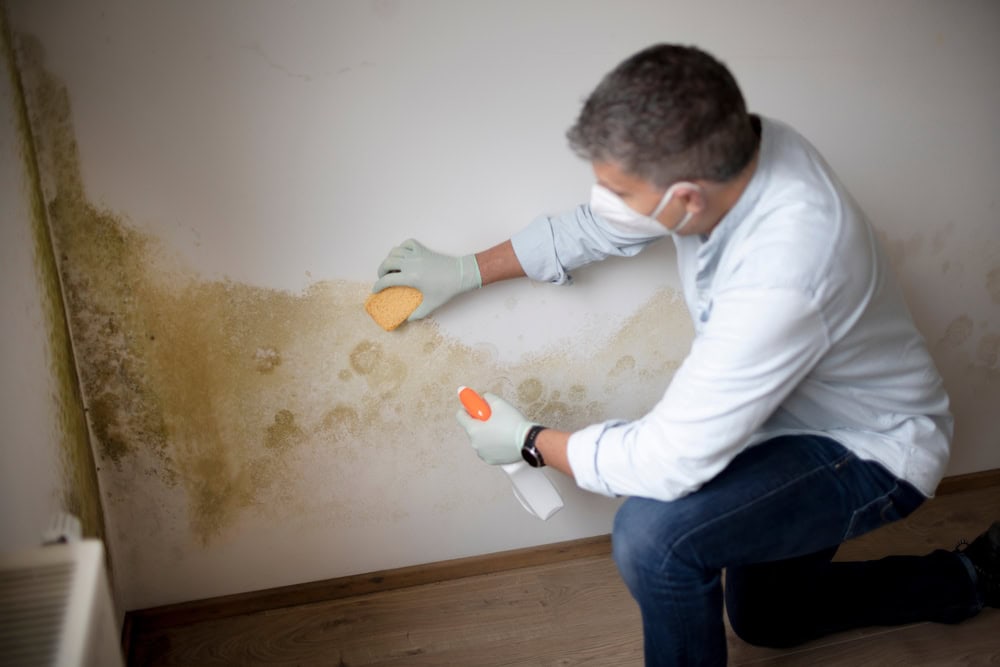
That musty smell isn’t just unpleasant. It’s a sign that mold spores are circulating through your home or business, triggering allergies, aggravating asthma, and potentially causing more serious respiratory issues. When you’re dealing with unexplained sneezing, persistent coughing, or that nagging feeling that something’s just off about your indoor air, mold is often the culprit.
Professional mold remediation gets your space back to normal. You’ll breathe easier—literally. The constant worry about what’s growing behind your walls disappears. Your property value stays protected because structural damage gets stopped before it spreads. And you’ll have the documentation you need if insurance or real estate transactions come into play.
The difference between surface cleaning and actual remediation is simple. One temporarily hides the problem, the other solves it. When moisture sources get identified and fixed, when contaminated materials get properly removed, and when affected areas get treated correctly, mold doesn’t come back. That’s what separates a Band-Aid from a real solution.
We handle mold problems throughout Sheridan and the surrounding areas. We understand how Indiana’s humidity swings create perfect conditions for mold growth—especially in basements, crawl spaces, and anywhere water has a tendency to show up uninvited.
What sets us apart is our focus on the real issue: moisture control. We don’t just remove visible mold and call it done. We find out why it’s growing in the first place, fix that problem, and then handle the remediation properly. That approach means fewer callbacks and fewer frustrated customers dealing with the same issue twice.
Sheridan property owners work with us because we treat mold remediation like the serious issue it is—not a quick cleanup job, but a systematic process that protects health and property value.
First comes the inspection. This isn’t a quick walk-through. It involves moisture meters, checking hidden areas like behind walls and under flooring, and figuring out where water is coming from. Roof leaks, plumbing issues, poor ventilation, high humidity—whatever’s feeding the mold needs to be identified before removal starts.
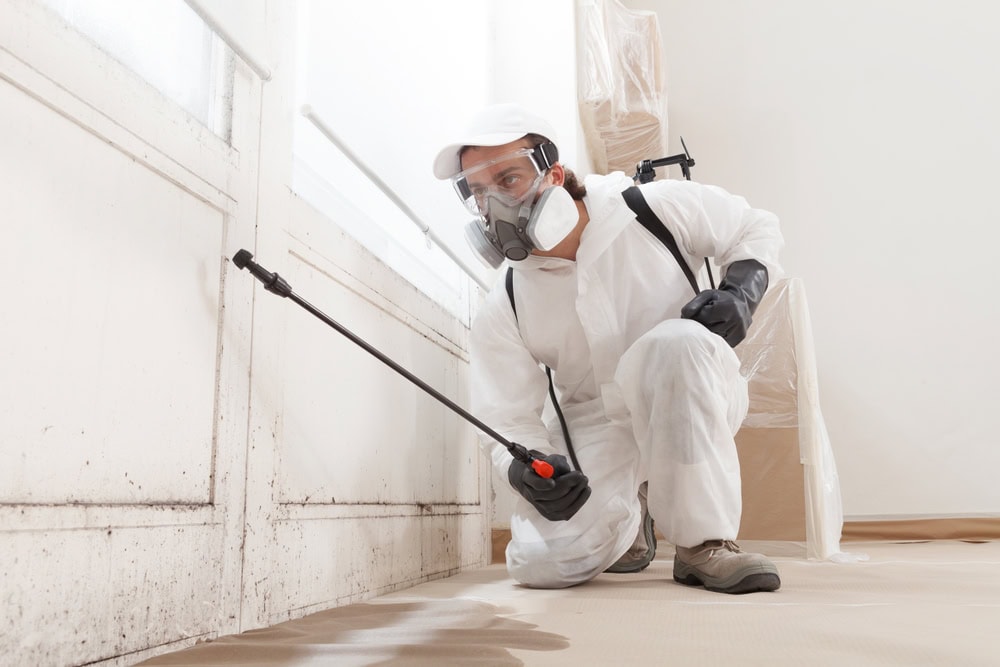
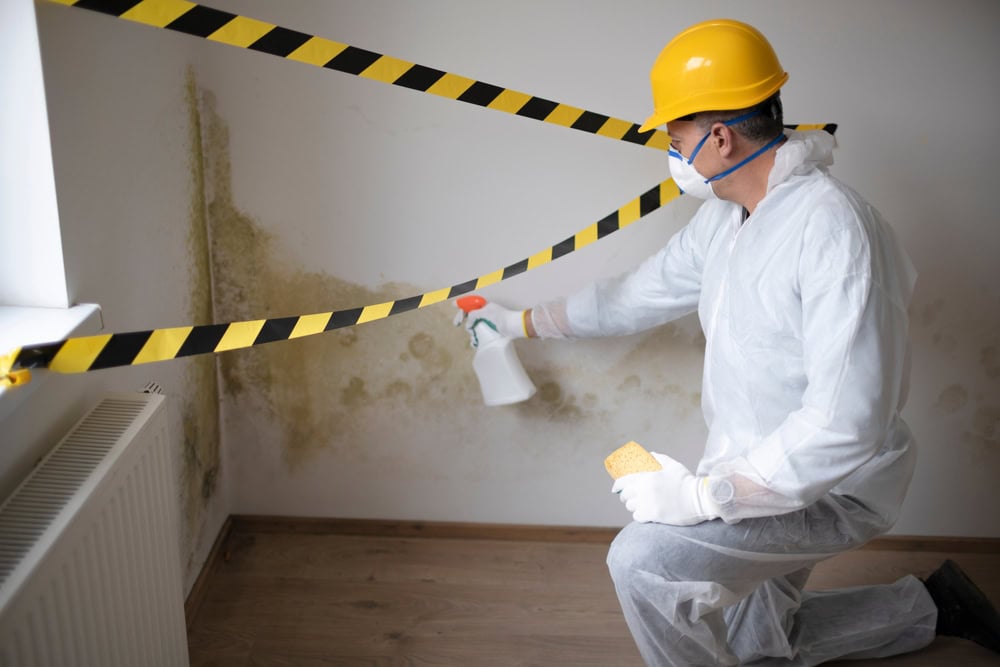
Next is containment. Plastic sheeting goes up to seal off the affected area from the rest of your property. Negative air pressure gets established so mold spores don’t drift into clean spaces. This step protects the areas that aren’t contaminated.
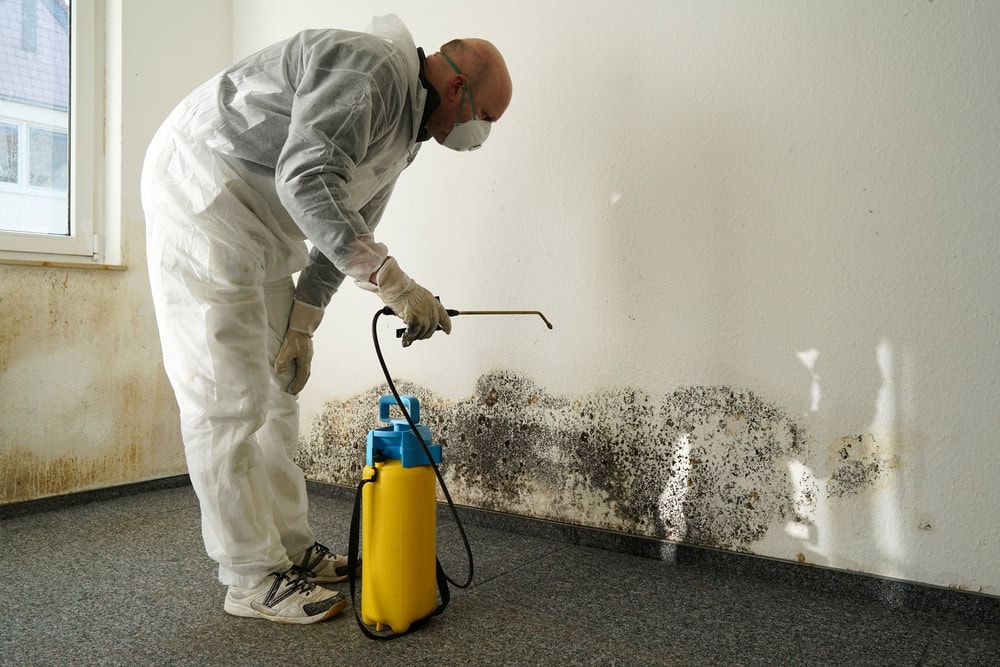
Then the actual removal happens. HEPA-filtered air scrubbers run continuously to capture airborne spores. Contaminated materials that can’t be cleaned—like drywall or insulation that’s been saturated—get removed and properly disposed of. Hard surfaces get treated with antimicrobial solutions. The goal is complete removal, not just making it look better.
Finally, the moisture problem gets fixed. Maybe that means repairing a leak, improving ventilation, or installing a dehumidifier. Without this step, you’re just waiting for mold to come back. Once everything’s dry and the source is addressed, affected areas get restored—new drywall, paint, whatever’s needed to return your space to normal.
Ready to get started?
Professional mold remediation covers the full scope of the problem. It starts with a thorough mold inspection using moisture detection equipment to find hidden growth and identify water sources. You’ll get a clear assessment of what’s contaminated and what needs to happen next.
The service includes proper containment procedures—sealing off work areas, establishing negative air pressure, and protecting your HVAC system from cross-contamination. HEPA filtration runs throughout the process to capture microscopic spores that regular cleaning equipment misses.
Material removal happens when necessary. Porous materials like drywall, carpet, or insulation that have been heavily contaminated typically can’t be saved. They get removed and disposed of properly. Non-porous surfaces get cleaned with professional-grade antimicrobial treatments.
In Sheridan, where Indiana’s seasonal humidity creates ongoing moisture challenges, mold mitigation also includes addressing the root cause. That might involve fixing drainage issues, repairing leaks, improving attic or crawl space ventilation, or recommending dehumidification solutions. The service isn’t complete until the moisture problem is resolved—because without that step, mold will return.
You’ll also receive documentation of the work performed, which matters for insurance claims, real estate transactions, or simply having a record that the problem was handled correctly.
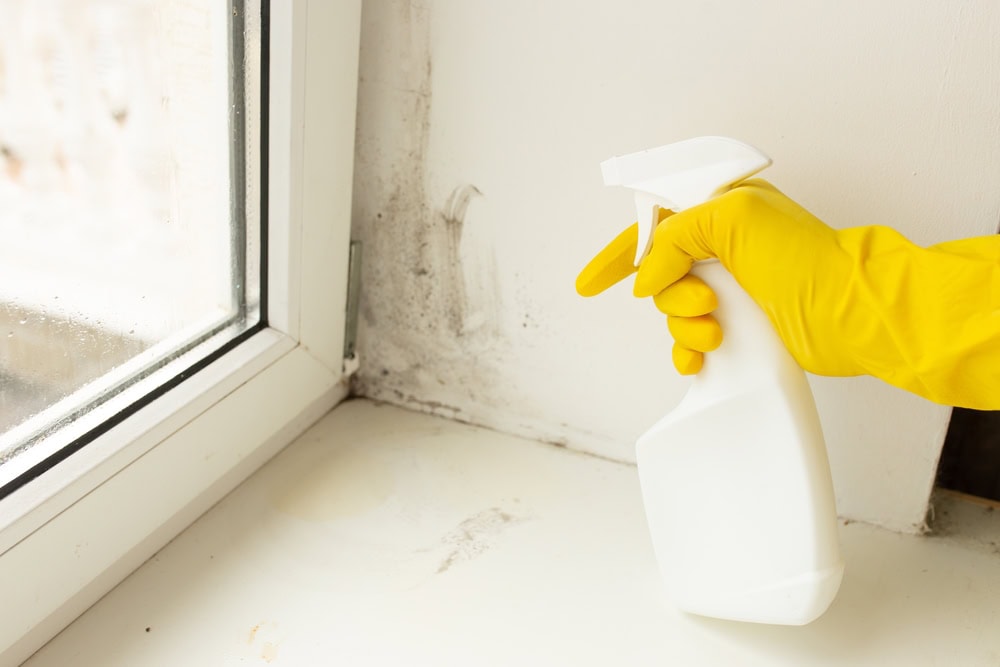
The EPA provides a useful guideline: if the moldy area is smaller than about 10 square feet (roughly a 3-by-3-foot patch), you can typically handle it yourself with proper protective equipment and cleaning solutions. Anything larger than that requires professional help.
But size isn’t the only factor. If mold is growing because of contaminated water—like sewage backup or floodwater—that’s a professional job regardless of size. If it’s inside your HVAC system, behind walls, or in areas you can’t easily access, you need someone with the right equipment. And if anyone in your household has respiratory issues, asthma, or a compromised immune system, don’t risk DIY removal. The disturbance can release massive amounts of spores into the air.
Here’s the practical reality: if you’re asking whether you need professional help, you probably do. Small surface mold on a bathroom tile is one thing. Hidden growth, persistent moisture problems, or black mold removal that keeps coming back despite your efforts—those situations need professional mold remediation services. The cost of doing it right the first time is almost always less than the cost of doing it wrong twice.
Mold needs three things: moisture, a food source (like wood, drywall, or fabric), and the right temperature. In Sheridan and throughout Indiana, moisture is the variable you can control. The state’s humidity levels fluctuate with the seasons, and that creates ongoing challenges for homeowners.
Common moisture sources include roof leaks, plumbing problems, poor ventilation in bathrooms and kitchens, basement seepage, and condensation on cold surfaces. Indiana’s climate means you’re fighting high humidity in summer and condensation issues in winter when warm indoor air hits cold surfaces. Crawl spaces and basements are particularly vulnerable because they’re naturally damp and often poorly ventilated.
Prevention comes down to moisture control. Keep indoor humidity between 30-50% using dehumidifiers when needed. Run exhaust fans in bathrooms and kitchens. Fix leaks immediately—not next week, not when you get around to it. Check your gutters and downspouts to make sure water drains away from your foundation. Insulate cold water pipes to prevent condensation. And if you’ve had water damage from any source, dry affected areas within 24-48 hours. That’s your window before mold starts growing.
Regular inspections of problem areas help catch issues early. Look for water stains, peeling paint, musty odors, or visible growth. The earlier you catch moisture problems, the less likely you are to need full mold remediation.
The short answer: all mold growing indoors is a problem, regardless of color. The CDC and EPA both recommend treating any indoor mold as a potential health hazard that needs to be removed.
The longer answer: “black mold” usually refers to Stachybotrys chartarum, which can produce mycotoxins under certain conditions. Yes, it can cause health problems. But so can other types of mold. The greenish mold on your bathroom tile, the white fuzzy growth in your basement, the brown spots spreading across your ceiling—they all produce allergens and irritants that affect respiratory health.
Mold exposure commonly causes hay fever-type symptoms: sneezing, runny nose, red eyes, skin rashes. It can trigger asthma attacks in people with asthma. Some people are more sensitive than others, and those with compromised immune systems face greater risks. But you don’t need laboratory testing to determine the species before taking action.
Here’s what matters: if you can see mold or smell that characteristic musty odor, you have a mold problem that needs to be addressed. The color might tell you something about the species, but it doesn’t change what you need to do—remove it and fix the moisture source. Spending money on mold testing to confirm you have a problem you can already see doesn’t make sense. Spend that money on proper black mold removal instead.
Timeline depends entirely on the extent of the problem. A small, contained area might take one to two days. Extensive contamination affecting multiple rooms or structural areas can take a week or more. The process can’t be rushed—proper containment, removal, treatment, and drying all take time to do correctly.
Whether you need to leave depends on several factors. If the affected area can be properly sealed off from your living spaces and you don’t have respiratory issues, you might be able to stay in unaffected areas. Many homeowners do, especially when the work is confined to a basement or specific rooms.
However, if contamination is extensive, if it’s affecting your HVAC system, or if anyone in the household has asthma, allergies, or immune system concerns, temporary relocation is the safer choice. Mold remediation disturbs mold colonies and releases spores into the air, even with containment and HEPA filtration. Professional-grade equipment minimizes this, but it doesn’t eliminate it entirely.
For commercial properties, timing often gets scheduled around business hours to minimize disruption. Evening or weekend work might be an option depending on the scope. The key is having a clear plan before work starts—knowing what areas will be affected, how long it will take, and what precautions are necessary. We’ll walk you through these details during the inspection phase, not leave you guessing.
Sometimes yes, sometimes no—it depends on what caused the mold and what your policy says. Most homeowners insurance policies cover mold remediation if the mold resulted from a covered peril. For example, if a pipe bursts and causes water damage that leads to mold, that’s typically covered. If your roof gets damaged in a storm and the resulting leak causes mold, that’s usually covered too.
What insurance generally doesn’t cover is mold resulting from long-term neglect or maintenance issues. A slow leak you ignored for months, poor ventilation you never addressed, or humidity problems you didn’t manage—those are considered maintenance issues, and you’re on your own for mold clean up costs.
The key is documentation and timing. If you discover water damage, document it immediately with photos and timestamps. Start the drying process right away—insurance companies expect you to mitigate damage, not let it worsen. Contact your insurance company promptly to report the issue and ask about coverage before starting major remediation work.
Some policies have specific mold coverage limits, often capped at a certain dollar amount like $10,000 or $25,000. Others offer mold coverage as an add-on endorsement. Review your policy or call your agent to understand your specific coverage. And when you hire us, ask if we work with insurance companies and can provide the documentation insurers require. That makes the claims process significantly easier than trying to piece together receipts and explanations after the fact.
The terms often get used interchangeably, but there’s an important distinction. Mold removal focuses on eliminating visible mold growth. Mold remediation addresses the entire problem—removing the mold, fixing the moisture source, and restoring conditions that prevent regrowth.
Here’s why that matters: you can remove every visible trace of mold, make surfaces look perfectly clean, and still have a mold problem if the underlying moisture issue isn’t resolved. Mold spores are everywhere—in outdoor air, indoor air, settled on surfaces. They’re microscopic and impossible to completely eliminate. What you can control is whether conditions allow those spores to colonize and grow.
Remediation takes a broader approach. It starts with identifying why mold is growing—what’s providing the moisture it needs. Then it involves properly removing contaminated materials, treating affected surfaces, and most importantly, correcting the moisture problem. Without that last step, you’re just on a cycle of removal and regrowth.
Professional mold remediation services also include containment to prevent spreading spores to clean areas during the removal process, HEPA filtration to capture airborne spores, and verification that the work was successful. It’s a systematic process, not just scrubbing surfaces with bleach and hoping for the best. When you’re evaluating companies in Sheridan, ask about their approach to moisture control and prevention. If they’re only talking about removal without addressing the cause, keep looking.
Other Services we provide in Sheridan