Hear from Our Customers
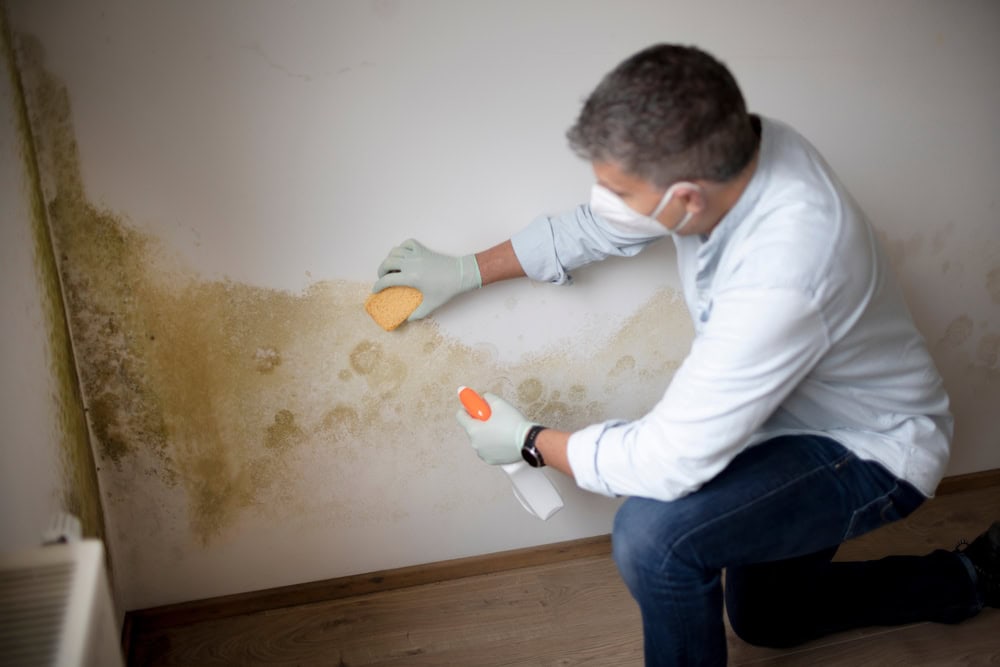
You stop smelling that musty odor every time you walk into the basement. Your family stops dealing with the constant sneezing, coughing, and stuffy noses that seem worse at home than anywhere else. You’re not lying awake wondering if those dark spots behind the shower are making everyone sick.
When mold remediation is done right, you get more than clean walls. You get air you can trust. You protect your home’s structure from the kind of slow, hidden damage that eats away at wood and drywall. You stop the cycle of scrubbing it away only to watch it creep back a month later.
Real mold removal fixes the moisture problem feeding the growth. It contains the work area so spores don’t spread to clean rooms during removal. It uses HEPA filtration and proper antimicrobial treatment—not just bleach and hope. And it gives you a home where you’re not second-guessing every breath.
We understand how mold behaves in Westfield. The basements that stay damp through humid summers. The crawl spaces that trap moisture after heavy spring rains. The attics where condensation builds up when temperatures swing.
We’ve worked in Hamilton County homes long enough to know that mold here isn’t just a surface issue. It’s tied to how homes are built, how weather patterns shift, and how small leaks turn into big problems when they go unnoticed. That’s why our mold removal services start with finding the source—the leak, the ventilation problem, the humidity issue—and addressing it alongside the visible growth.
You’re not getting a crew that tears out drywall and calls it done. You’re working with professionals who contain the area, remove contaminated materials properly, treat structural surfaces, and make sure the conditions that allowed mold to grow in the first place are gone.
It starts with an honest mold inspection. We walk through your property, check the areas where mold typically hides—basements, crawl spaces, attics, around HVAC systems—and use moisture meters to find dampness you can’t see. We’re looking for the full picture, not just the spots on your bathroom ceiling.
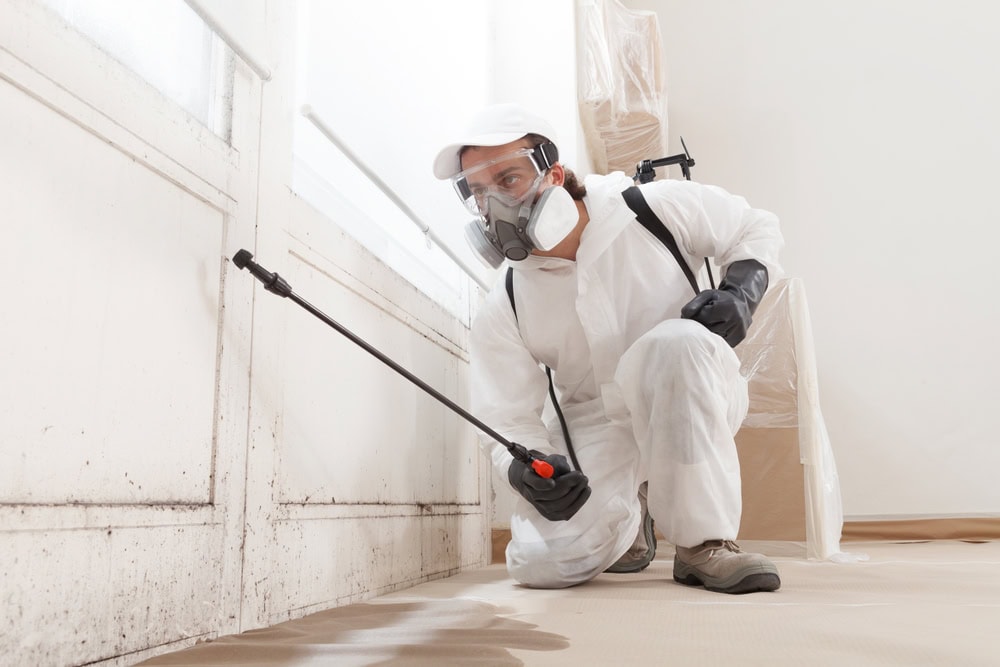
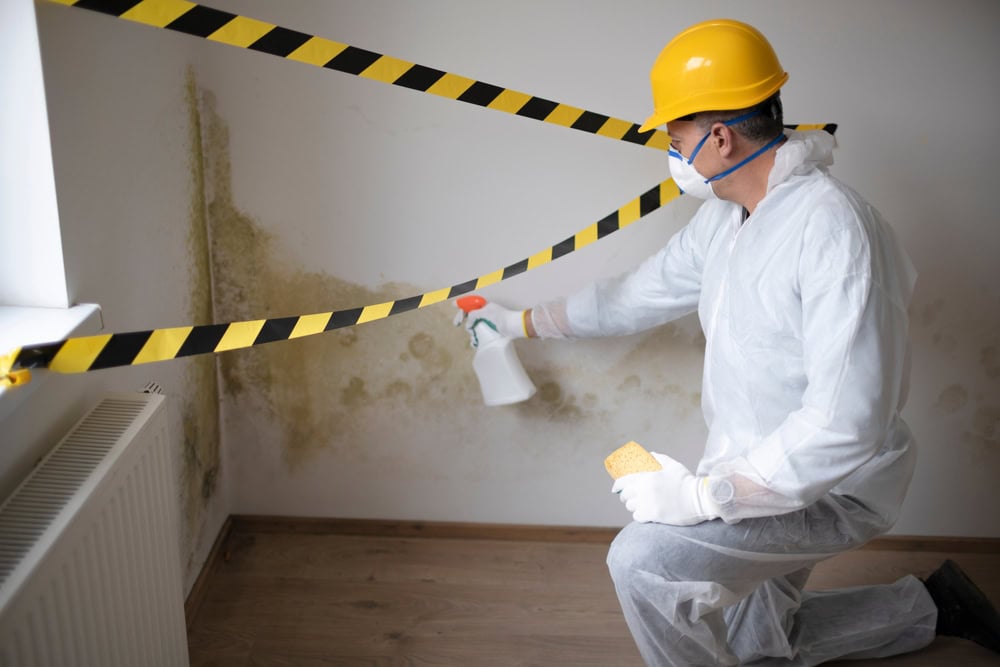
Once we understand what you’re dealing with, we contain the work area. That means sealing it off with plastic sheeting and running HEPA-filtered negative air machines to keep mold spores from spreading to the rest of your home while we work. This step matters more than most people realize.
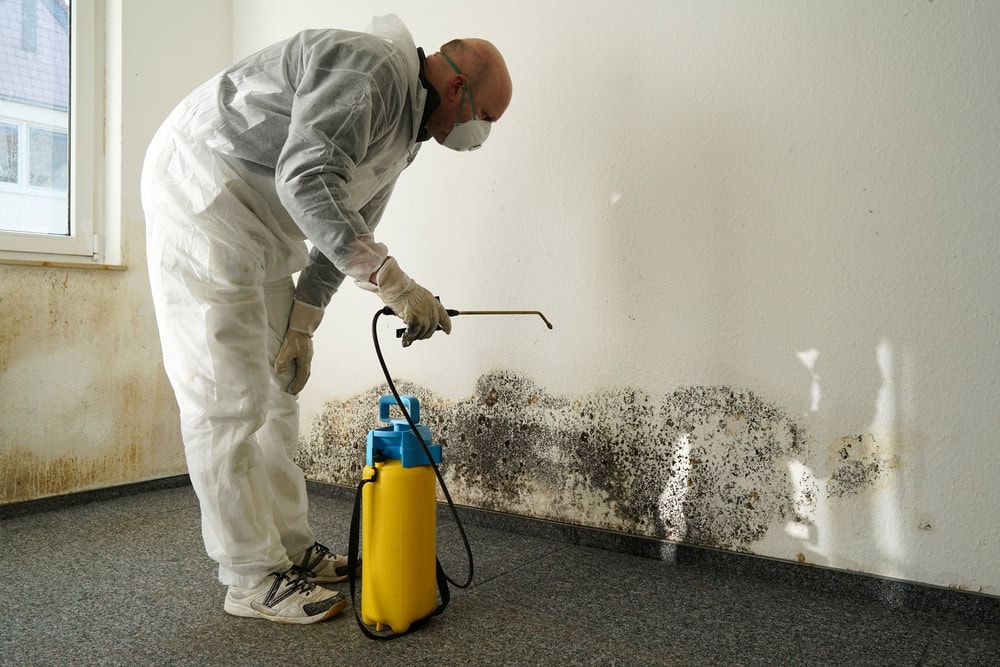
Then comes removal. We take out water-damaged materials that can’t be saved—drywall, insulation, carpeting that’s been sitting in moisture. We HEPA vacuum all surfaces, treat structural materials with antimicrobial solutions, and dry everything thoroughly. Mold needs moisture to survive, so if it’s not dry, it’s not done.
We don’t stop until the area passes a visual inspection and air quality standards confirm the mold is gone. You’re not guessing whether it worked. You’re getting documentation that the job was completed correctly.
Ready to get started?
Professional mold removal in Westfield means addressing the conditions that let mold thrive in the first place. Indiana’s humidity swings—especially during summer months when indoor levels can spike above 60%—create perfect environments for mold growth. Basements in this area are particularly vulnerable because of groundwater issues and poor ventilation.
Our mold remediation services include identifying and repairing moisture sources. That could be a leaky pipe, inadequate ventilation in your bathroom, a roof leak you didn’t know existed, or condensation building up in your crawl space. We also assess your HVAC system, since mold in ductwork spreads spores throughout your entire home every time the system runs.
You’ll get containment that actually works—sealed work areas with negative air pressure to prevent cross-contamination. We remove materials that can’t be salvaged and treat the ones that can with proper antimicrobial solutions and sealants. Everything gets HEPA vacuumed and dried to levels that won’t support future growth.
For Westfield homeowners, this also means understanding local building characteristics. Many homes here have crawl spaces that trap humidity or older basements that weren’t built with modern moisture barriers. We account for those factors and recommend prevention strategies—dehumidifiers, improved ventilation, moisture barriers—that make sense for how your home is constructed and where you live.
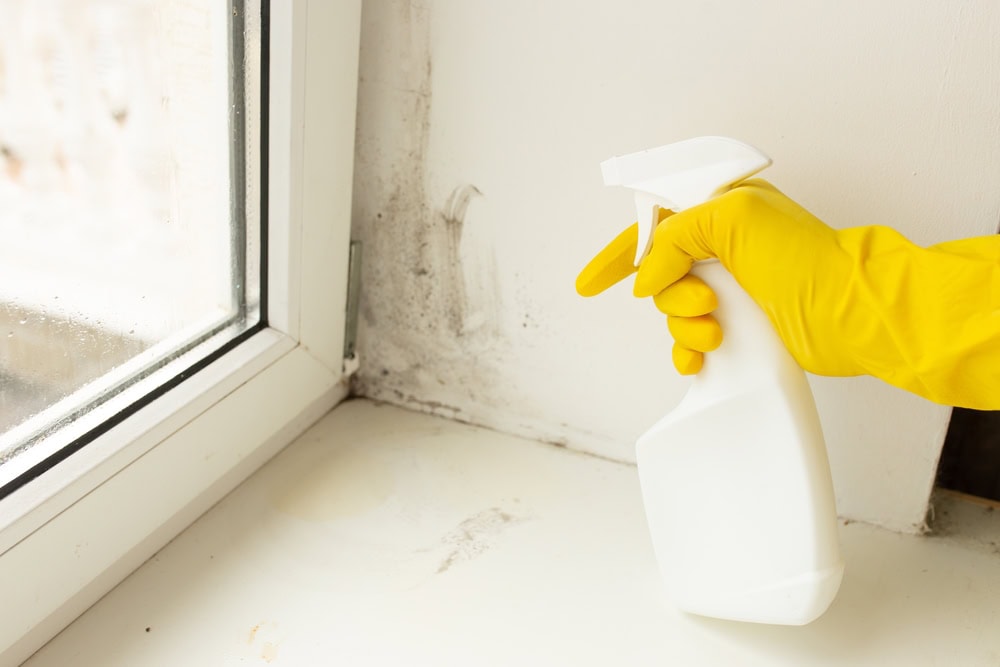
The EPA sets a clear guideline: if the moldy area is larger than about 10 square feet (roughly 3 feet by 3 feet), you should hire a professional mold remediation company. But size isn’t the only factor.
If you have mold in your HVAC system, behind walls, in crawl spaces, or anywhere you can’t easily access, professional help is necessary. DIY cleaning can actually make things worse by spreading spores throughout your home without proper containment. If anyone in your household has asthma, allergies, or respiratory issues, don’t risk exposure—bring in professionals who have the right protective equipment and HEPA filtration systems.
Also consider this: if you’ve cleaned mold before and it keeps coming back, that’s a sign there’s a moisture problem you haven’t solved. A professional mold inspection can find the source—whether it’s a hidden leak, poor ventilation, or humidity issues—and address it so you’re not stuck in an endless cycle of scrubbing and reappearance.
A mold inspection is a visual examination of your property to find visible mold, moisture problems, and conditions that support mold growth. The inspector checks basements, attics, crawl spaces, around windows, HVAC systems, and anywhere water damage might have occurred. They use moisture meters to detect hidden dampness and assess the overall situation.
Mold testing involves collecting air or surface samples and sending them to a lab to identify the specific types of mold present and their concentration levels. Testing is useful when you smell mold but can’t find it, when you’re experiencing health symptoms that might be mold-related, or when you need documentation for insurance or real estate purposes.
Here’s what matters most: if you can see mold or have clear signs of it, you don’t necessarily need testing—you need removal. The CDC and EPA both say that all mold should be treated the same way regardless of type, so identifying the exact species often doesn’t change the remediation approach. Testing makes more sense when the situation is unclear or when you need third-party verification after remediation is complete.
Most mold remediation projects in Westfield cost between $1,200 and $3,750, with the average around $2,300. But that range depends heavily on how much mold you’re dealing with, where it’s located, and what caused it.
A small area of mold in an easily accessible bathroom might cost $500 to $1,500. Mold in your attic from a roof leak could run $1,500 to $6,000 depending on how long it’s been growing and whether insulation needs replacing. Basement mold remediation often falls in the $1,500 to $6,000 range, especially if there’s been flooding or ongoing moisture issues. HVAC system mold can cost $600 to $2,000 because ducts are difficult to clean thoroughly.
Location matters too. Mold behind finished walls costs more to remediate than mold on exposed surfaces because you’re paying for demolition and reconstruction on top of the actual mold removal. Hidden mold in crawl spaces requires more labor since access is limited.
The best way to know what you’re looking at is to get an inspection. A detailed assessment tells you the scope of the problem, what’s causing it, and what it’ll take to fix it properly—so you’re not surprised by costs later.
Mold will come back if the moisture problem that caused it isn’t fixed. That’s the single most important thing to understand about mold remediation. You can remove every visible spore, treat every surface, and replace every damaged material—but if you still have a leaky pipe, poor ventilation, or humidity above 60%, you’re just buying time until it grows again.
Prevention starts with moisture control. Keep indoor humidity between 30% and 50% using dehumidifiers, especially in basements and crawl spaces. Fix leaks immediately—the EPA says you have 24 to 48 hours to dry water-damaged areas before mold starts growing. Make sure bathrooms, kitchens, and laundry areas have working exhaust fans that vent outside, not into your attic.
Check your home’s exterior too. Gutters should be clean and directing water away from your foundation. Downspouts need to extend far enough that water doesn’t pool near your basement walls. In Westfield, where spring rains and summer humidity are common, these details matter more than you might think.
If your home has had mold before, consider having us assess your ventilation and drainage systems. Sometimes the issue isn’t a single leak—it’s how your home handles moisture overall. Addressing that prevents future problems and protects your investment.
Black mold—usually referring to Stachybotrys chartarum—gets a lot of attention, but the reality is more nuanced than the scare stories suggest. While it’s true that some black molds can produce mycotoxins under certain conditions, many types of mold can cause health problems, and not all black-colored mold is the toxic variety.
The CDC and EPA both emphasize that all mold should be removed regardless of type. Whether it’s black, green, white, or any other color, mold growing indoors can trigger allergic reactions, respiratory issues, and asthma symptoms. People with mold allergies, asthma, or weakened immune systems are more susceptible to health effects from any mold exposure.
What matters more than the color is the amount of mold, where it’s growing, and how long you’ve been exposed to it. A large mold infestation of any type poses health risks and can damage your home’s structure. Mold in your HVAC system spreads spores throughout your house every time the system runs. Mold behind walls can compromise structural integrity without you even knowing it’s there.
Instead of worrying specifically about whether you have “toxic black mold,” focus on this: if you see mold, smell mold, or have unexplained respiratory symptoms that improve when you leave your house, you need professional mold remediation. The type matters less than getting it removed properly and addressing whatever moisture issue allowed it to grow.
Most mold remediation projects take between one and seven days, but the timeline depends on how extensive the problem is and what caused it. A small, contained area of mold in a bathroom might be completed in a day or two. A whole-basement remediation after flooding could take a week or more.
The process itself has several stages that each take time. Containment and setup—sealing off the work area and installing HEPA filtration systems—might take a few hours. Removing contaminated materials, HEPA vacuuming all surfaces, and applying antimicrobial treatments takes longer depending on the square footage involved. Then everything has to dry completely, which can’t be rushed. Mold needs moisture to grow, so if materials aren’t thoroughly dried, you haven’t solved the problem.
Larger projects that involve structural repairs—replacing drywall, insulation, or flooring—add time for reconstruction after the mold removal is complete. Some homeowners choose to handle cosmetic restoration themselves to save money, while others prefer to have us manage the entire process.
One thing that can extend timelines: discovering additional mold once work begins. Sometimes mold that started from a leak has spread further than initial inspection revealed. We’ll communicate with you if we find more extensive damage and explain what’s needed to address it properly. You’re not locked into a timeline if the situation turns out to be more complex than expected—you’re getting a thorough job that actually solves the problem.
Other Services we provide in Westfield