Hear from Our Customers
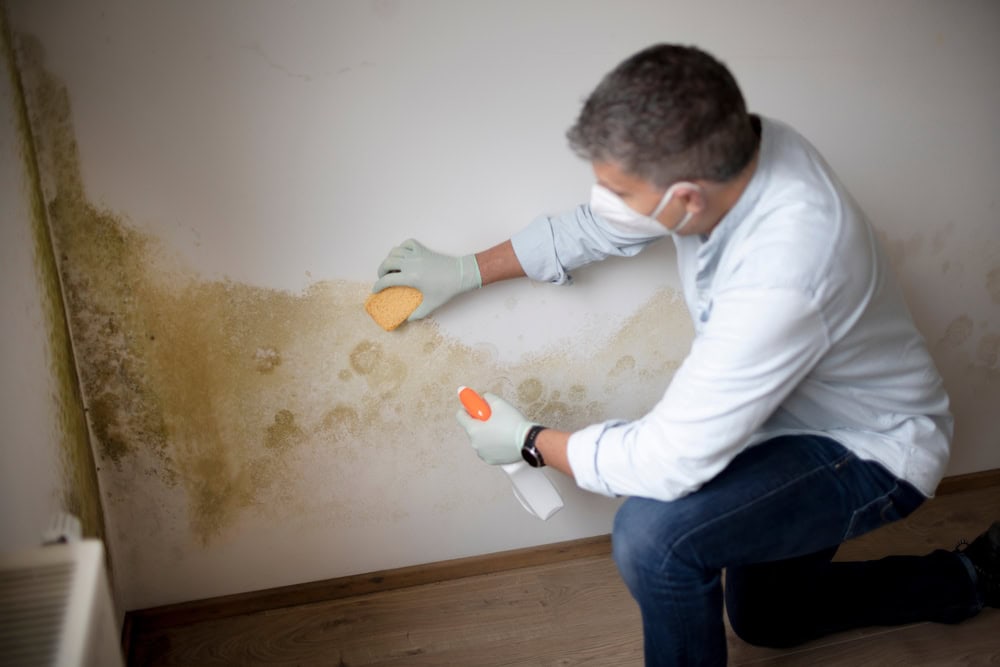
You walk back into a space that doesn’t smell musty. The discoloration on your walls is gone. Your HVAC system isn’t circulating spores through every room. The moisture problem that started this whole thing has been identified and fixed.
That’s what proper mold remediation looks like. Not a quick spray-and-pray that buys you a few months. Not a patch job that ignores the leak in your basement or the condensation in your crawl space. Real remediation means the mold is gone, the source is handled, and you’re not dealing with this again next season.
Your family breathes easier. Literally. If someone in your house has been coughing more than usual or dealing with allergy symptoms that won’t quit, removing mold from your indoor air makes a difference you’ll notice. Your property value stays intact too, because professional mold removal done correctly means no structural damage, no lingering issues, and nothing that’ll come up during a home inspection if you ever decide to sell.
We handle mold remediation throughout Whiteland and Johnson County. We’ve seen what Indiana’s humid summers and wet springs do to basements, crawl spaces, and poorly ventilated bathrooms. We know the signs homeowners miss and the places mold hides.
Whiteland properties face specific challenges. Older homes with inadequate ventilation. Basements that take on water during heavy rain. HVAC systems that create condensation in the summer heat. We’ve worked in enough local homes to recognize these patterns, and we know how to fix them properly.
We’re not here to scare you or upsell you on services you don’t need. If you’ve got a small problem, we’ll tell you. If it’s bigger than you thought, we’ll show you why and walk you through what it takes to handle it. Straightforward assessment, clear pricing, and mold removal services that actually solve the problem.
First, we inspect your property. That means more than just looking at the visible mold on your bathroom ceiling. We use moisture meters to find dampness behind walls. We check your HVAC system, your basement, your crawl space, anywhere water could be creating conditions for mold to grow. We need to know the full scope before we start removing anything.
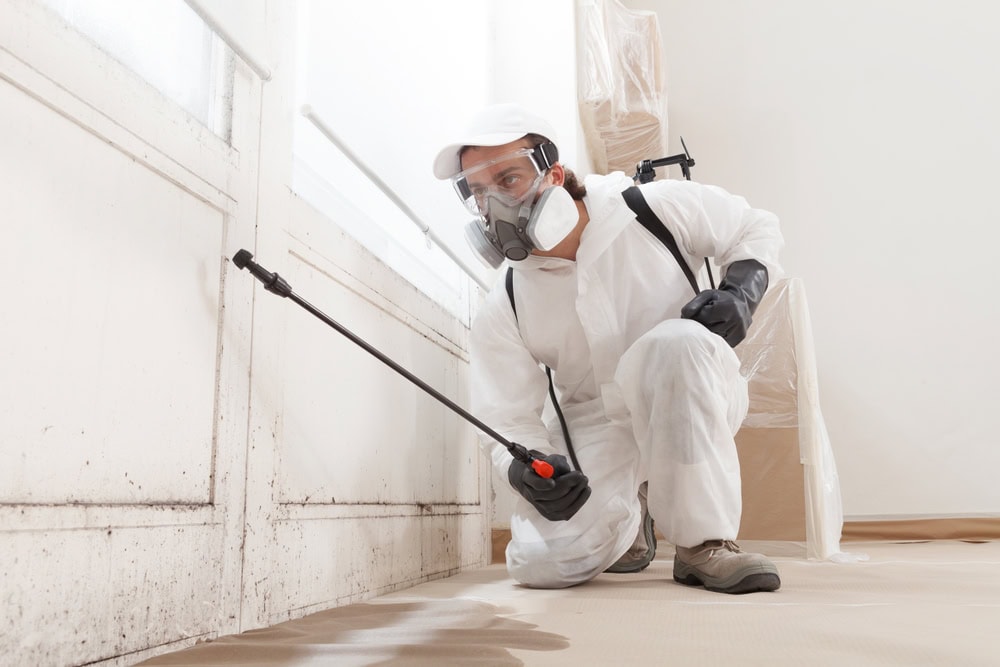
Once we know what we’re dealing with, we contain the affected area. We seal it off with plastic sheeting and set up negative air pressure systems so mold spores don’t spread to clean areas of your home while we work. This step matters because disturbing mold without containment just moves the problem around.
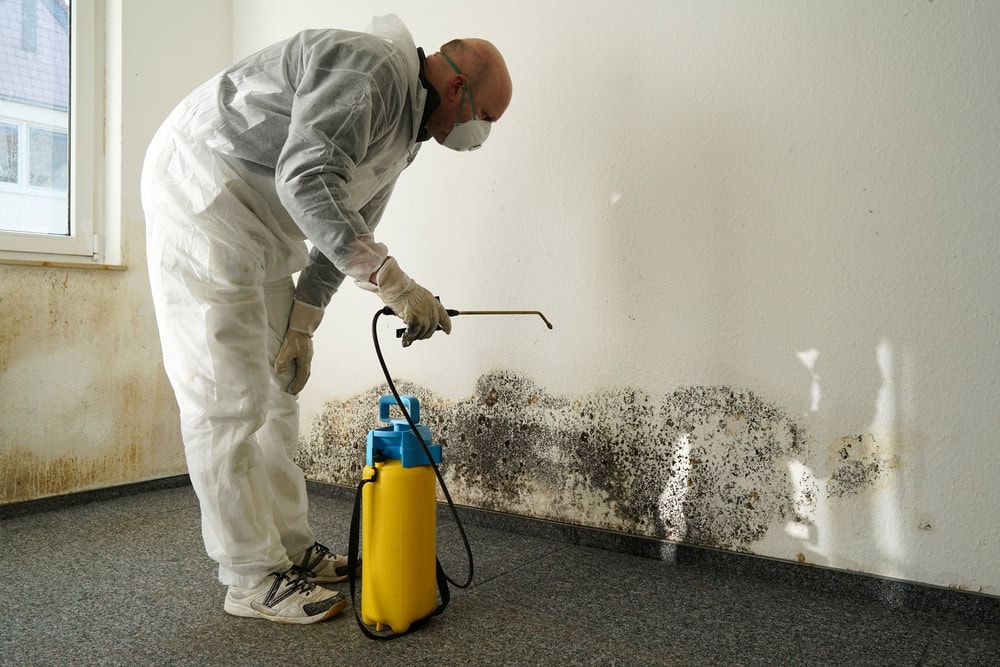
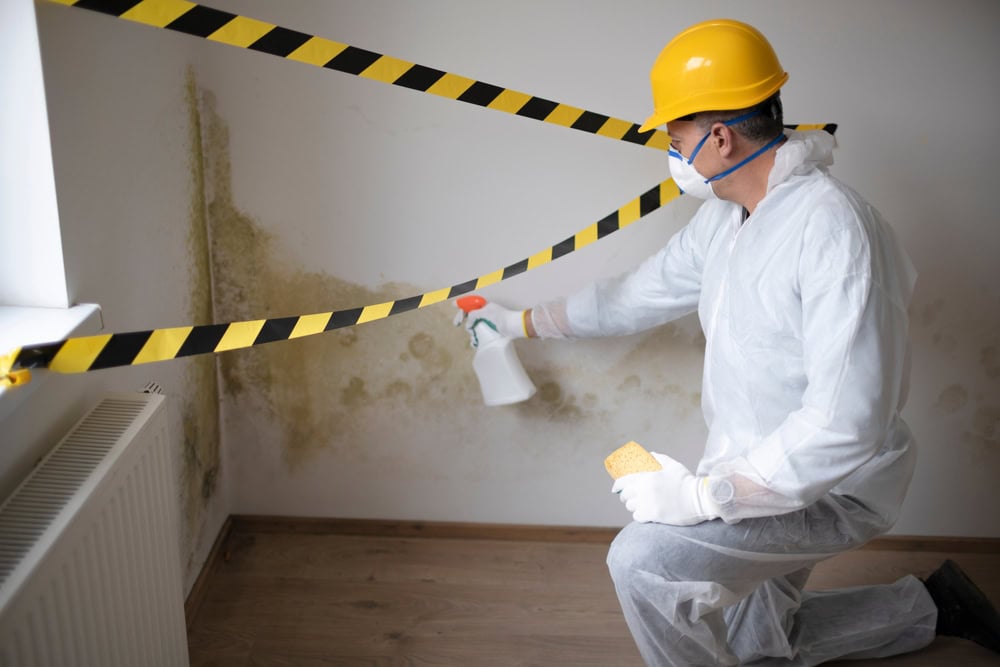
Then we remove the mold. Hard surfaces get cleaned with antimicrobial treatments. Porous materials like drywall, insulation, or carpet that are heavily contaminated get removed and properly disposed of. We run HEPA vacuums and air scrubbers throughout the process to capture airborne spores. Everything that comes out of the contaminated area gets sealed in bags before it leaves your property.
After removal, we address the moisture source. Maybe it’s a plumbing leak that needs repair. Maybe it’s a basement that needs better drainage. Maybe it’s an HVAC system creating condensation. Whatever caused the mold to grow in the first place has to be fixed, or you’ll be calling someone back in six months. We make sure you understand what needs to happen to keep this from recurring.
Finally, we verify the work. We check for any remaining visible mold, test the air quality, and make sure the space is safe to use again. You get documentation of what was done, which matters if you’re filing an insurance claim or need records for a real estate transaction.
Ready to get started?
Our professional mold remediation in Whiteland starts with identifying where the mold is and what’s causing it. That includes visual inspection, moisture detection, and often air quality testing to determine if mold spores are circulating through your home. You need to know what you’re dealing with before anyone starts tearing into walls.
The removal process itself involves containment systems to prevent spread, HEPA filtration to capture airborne spores, removal of contaminated materials, and antimicrobial treatment of affected surfaces. We’re talking about hospital-grade cleaning agents and specialized equipment designed for black mold removal and other hazardous species, not bleach and a scrub brush.
In Whiteland specifically, we see certain patterns. Basements that flood during spring storms. Crawl spaces with inadequate vapor barriers. Older homes where bathroom exhaust fans vent into attics instead of outside. HVAC systems in humid summer months creating condensation on ductwork. These are the local conditions that create mold problems, and our mold mitigation approach addresses them as part of proper remediation.
You also get documentation. Photos of the damage before and after. Moisture readings. Air quality test results. A detailed scope of work explaining what was done and why. This matters for insurance claims, for your own peace of mind, and for future buyers if you sell your home. Professional mold remediation services mean you have proof the job was done right.
Cost depends on how much mold you have, where it’s located, and what materials need to be removed. A small area might run $1,000 to $2,000. Larger jobs involving multiple rooms, HVAC systems, or significant structural materials can reach $5,000 or more.
Here’s what affects the price. If mold is on hard surfaces that can be cleaned, that’s less expensive than removing drywall, insulation, and flooring. If it’s in an easily accessible bathroom, that costs less than mold behind finished basement walls. If the moisture source is a simple plumbing fix versus a foundation drainage issue, that changes the scope.
Be wary of companies that give you a price over the phone without seeing the property. Legitimate mold remediation requires an inspection to determine the full extent of the problem. Anyone quoting you a flat rate without assessing your specific situation either doesn’t know what they’re doing or is planning to hit you with change orders once they start work. Get a detailed written estimate that breaks down inspection, containment, removal, disposal, and any necessary repairs.
Most residential mold remediation jobs take one to five days. Small, contained areas like a bathroom might be done in a day or two. Larger projects involving basements, multiple rooms, or significant structural work can take a week.
The timeline depends on several factors. How much area is affected. Whether materials need to be removed or can be cleaned in place. How long it takes to dry everything out completely after addressing the moisture source. Whether you need to wait for air quality test results before reconstruction can begin.
You should know upfront that rushing mold remediation usually backfires. If materials aren’t completely dry before reconstruction, you’ll have mold growing again within months. If containment isn’t maintained properly throughout the process, you spread spores to clean areas. If air quality isn’t verified before you move back in, you’re exposing your family to the same health risks you paid to eliminate. A few extra days to do it right is worth it compared to paying for the same job twice.
Small areas of mold on hard, non-porous surfaces can sometimes be cleaned by homeowners. We’re talking about a few square feet on tile, glass, or sealed wood. Anything larger than about 10 square feet, anything on porous materials like drywall or carpet, or anything involving your HVAC system should be handled by a professional mold removal company.
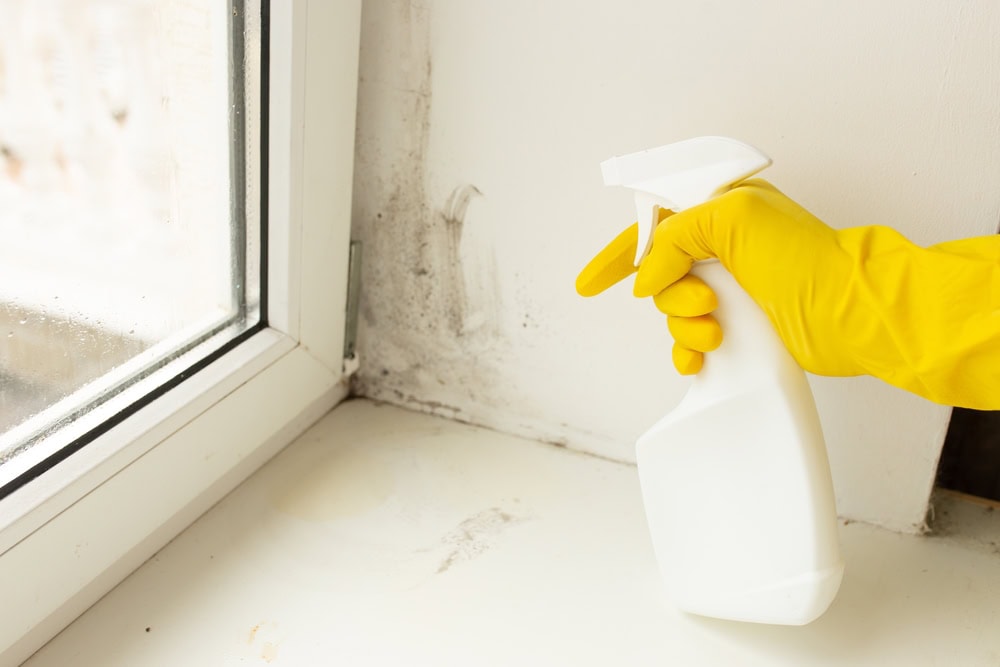
Here’s why DIY mold removal often makes things worse. Without proper containment, you spread spores throughout your house when you disturb the mold. Without HEPA filtration, those spores stay airborne and land on new surfaces. Without moisture meters and proper mold inspection, you miss hidden mold that keeps growing. Without addressing the moisture source, the mold comes back.
Professional mold remediation uses negative air pressure systems, HEPA vacuums, antimicrobial treatments, and proper disposal methods. We have the equipment to find hidden mold and the training to remove it without contaminating clean areas. We also identify and address the underlying moisture problem so you’re not dealing with this again. If you’ve got visible mold larger than a small patch, if you’re smelling it but can’t find it, or if anyone in your house is having respiratory symptoms, call a professional. The cost of doing it right the first time is less than the cost of a failed DIY attempt plus professional remediation.
Mold needs three things to grow: moisture, organic material to feed on, and temperatures between roughly 40 and 100 degrees. Indiana’s climate provides the temperature. Your home provides plenty of organic material in the form of wood, drywall, carpet, and insulation. The question is where the moisture is coming from.
In Whiteland, we see several common moisture sources. Basement flooding or seepage during heavy rain. Roof leaks that go unnoticed until water stains appear on ceilings. Plumbing leaks behind walls or under sinks. HVAC systems creating condensation during humid summer months. Bathroom exhaust fans that don’t vent properly. Crawl spaces without adequate vapor barriers. Poor grading around foundations that directs water toward the house instead of away from it.
The key to preventing mold is controlling moisture. That means fixing leaks promptly, keeping indoor humidity below 60 percent, ensuring proper ventilation in bathrooms and kitchens, maintaining your HVAC system, and addressing any water intrusion issues quickly. If something gets wet, you have 24 to 48 hours to dry it completely before mold starts growing. After that window, you’re not preventing mold anymore, you’re dealing with mold that’s already there.
If you can see mold and you know where the moisture is coming from, you might not need a formal mold inspection. You can go straight to remediation. But if you’re smelling mold without seeing it, if you’ve had water damage and want to know if mold is growing behind walls, or if you’re buying or selling a home, a mold inspection makes sense.
A professional mold inspection uses moisture meters, infrared cameras, and air quality testing to find hidden mold and identify moisture sources. You get a detailed report showing where mold is growing, what type it is, and what’s causing it. That information helps determine the scope of mold clean up needed and gives you documentation for insurance claims or real estate transactions.
Some mold remediation companies offer free inspections, but be careful about conflicts of interest. A company that both inspects and remediates has an incentive to find problems. Independent inspectors who don’t perform remediation give you unbiased results. Either way, make sure the inspection includes moisture detection, visual assessment of all areas where mold commonly grows, and air quality testing if you’re dealing with hidden mold. A thorough inspection up front means accurate pricing and no surprises once work begins.
Maybe. It depends on your policy and what caused the mold. Most homeowners insurance covers mold remediation if the mold resulted from a covered peril like a sudden pipe burst or storm damage. If mold grew because of long-term neglect, poor maintenance, or flooding, your policy probably won’t cover it.
Read your policy carefully. Some policies have mold coverage limits, often around $10,000. Some exclude mold entirely unless you purchased additional coverage. Some cover remediation but not repairs to materials that had to be removed. You need to know what your policy says before you file a claim.
If you’re filing a claim, document everything. Take photos of the mold and the moisture source. Get a professional inspection report. Keep all receipts and estimates. Your insurance company will want proof that the mold resulted from a covered event and that you took reasonable steps to prevent further damage. Working with a mold remediation company experienced in insurance claims helps because we know what documentation adjusters require and can provide detailed reports that support your claim.
Other Services we provide in Whiteland