Hear from Our Customers
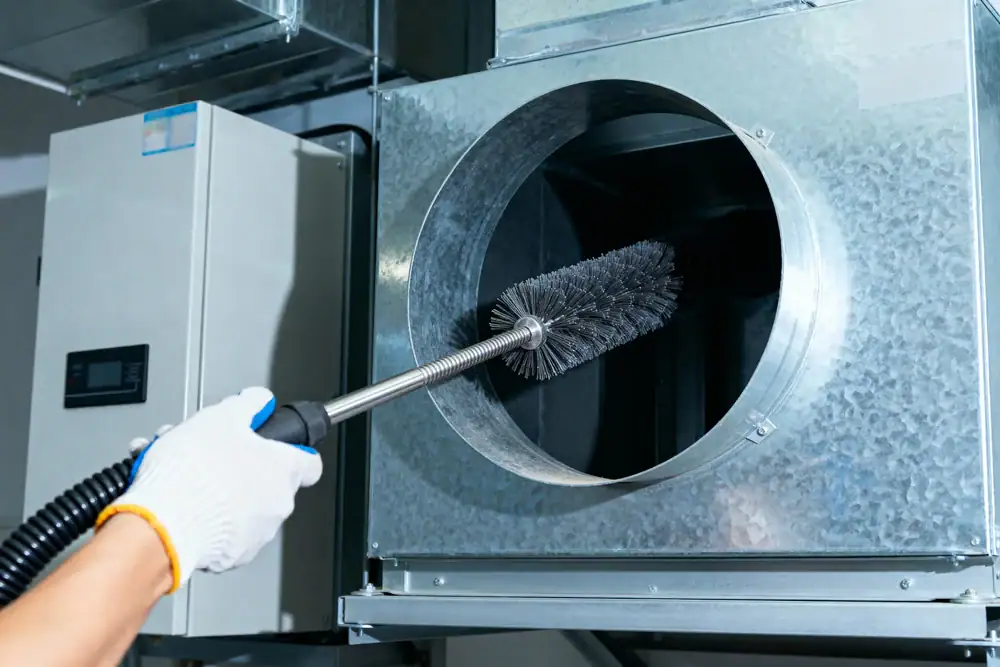
You stop wondering why everyone’s sneezing in April. Your HVAC system stops running nonstop just to keep up. That stale smell when the heat kicks on? Gone.
Clean ducts mean your system moves air the way it’s supposed to—without pushing dust, pollen, and whatever else has been sitting in there for years back into your living room. Most homes in Northwood Hills haven’t had their ducts cleaned in over five years, and that means up to 40 pounds of debris circulating every time your system runs.
You’ll notice the difference in your energy bills first. When your HVAC isn’t fighting through layers of buildup, it doesn’t have to work as hard. That can mean 15-20% less energy use. You’ll also notice it in how your home feels—less dust on surfaces, fewer allergy flare-ups, and air that doesn’t feel heavy or stale.
If anyone in your house deals with asthma, allergies, or respiratory issues, this isn’t just about comfort. It’s about reducing triggers that make symptoms worse. Cleaner ducts won’t cure allergies, but they remove a major source of what’s making them flare up indoors.
We started as a water damage and mold remediation company, which means we understand contamination, airflow, and how systems spread problems through a building. Air duct cleaning became a natural extension of that work—especially after fire or mold events where ducts can harbor smoke particles or spores.
We’re IICRC-certified, which means our techs are trained in proper cleaning protocols, containment, and documentation. We’re not a guy with a shop vac. We use HEPA filtration, negative air machines when needed, and we document everything with photos and reports so you’re never guessing what actually happened.
Northwood Hills sits in an area where spring pollen from oak and maple trees, plus fall ragweed, makes indoor air quality a year-round concern. Add in older housing stock with ductwork that hasn’t been touched in decades, and you’ve got a recipe for dust, allergens, and efficiency problems. We’ve seen it hundreds of times, and we know how to handle it without tearing your house apart.
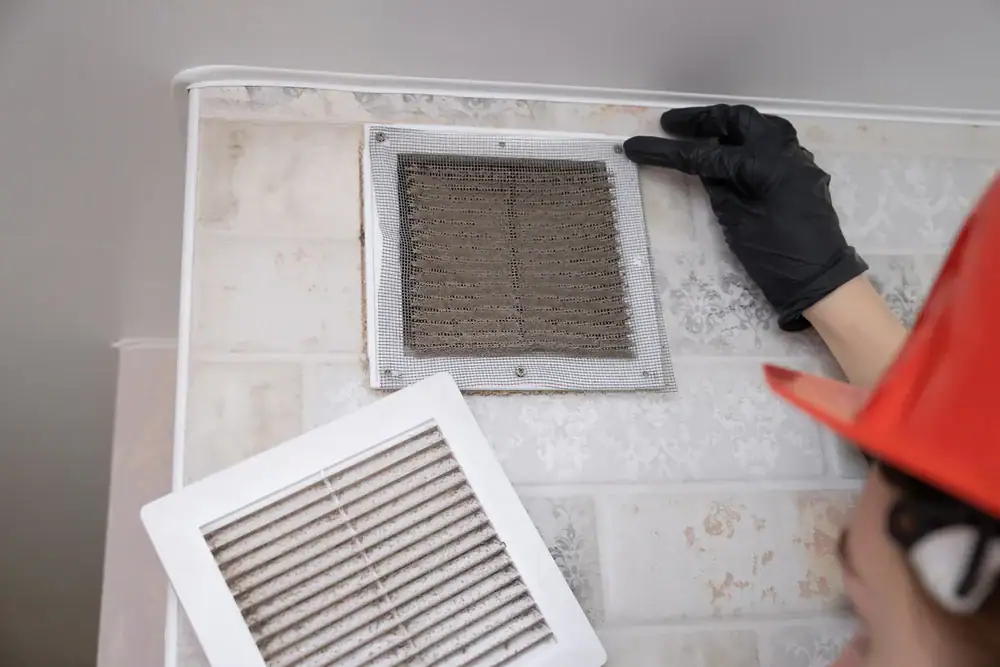
First, we inspect your system. That means looking at your vents, checking airflow, and using cameras if needed to see what’s actually inside your ducts. We’re not selling you a cleaning if you don’t need one, and we’re not skipping areas that do.
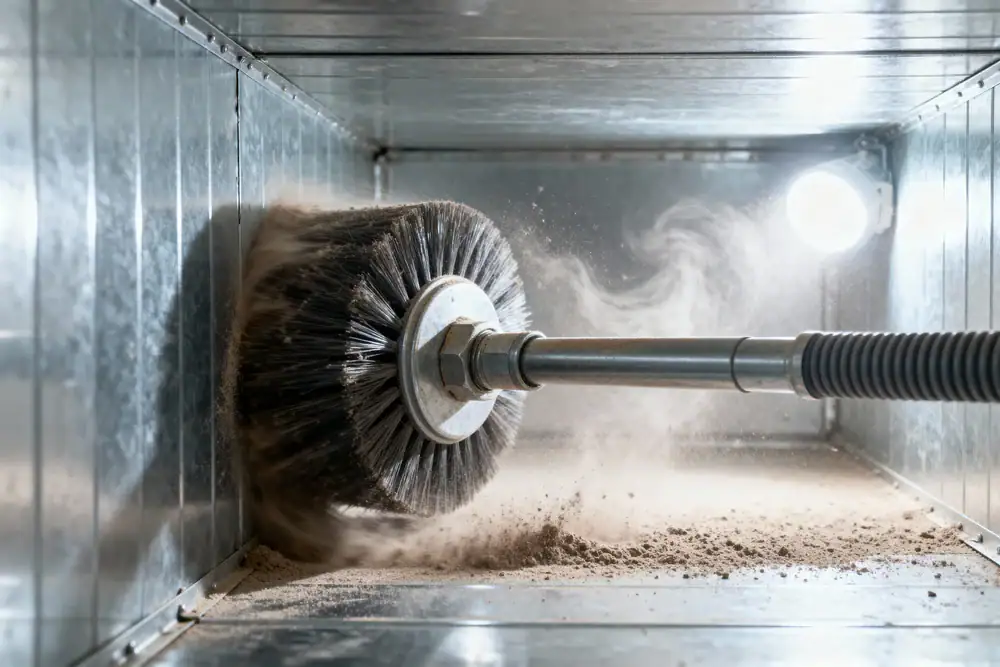
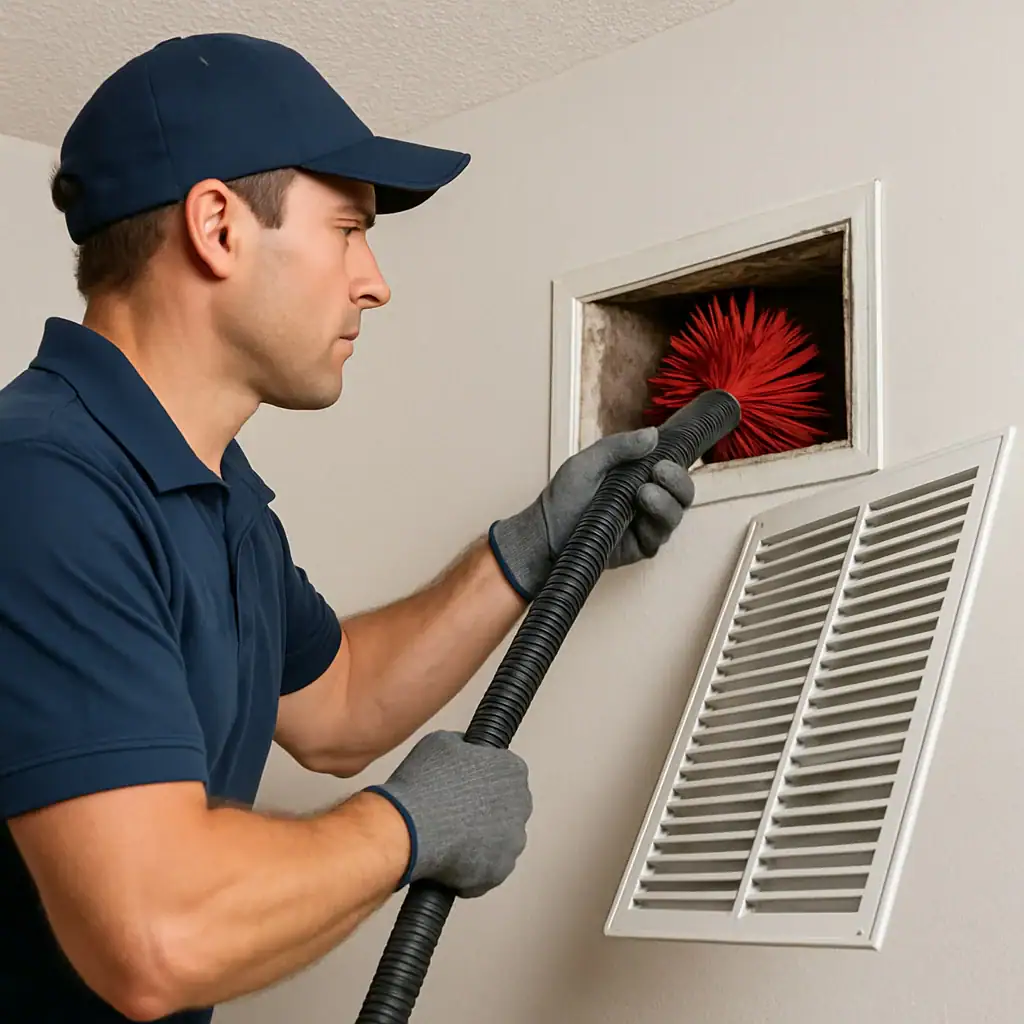
Once we start, we seal off your vents and use a high-powered vacuum system to create negative pressure in your ductwork. That pulls debris toward our equipment instead of pushing it deeper into your system or back into your home. We use rotating brushes and compressed air tools to dislodge buildup from the walls of your ducts, then extract it all through HEPA filtration.
We also clean your registers, grilles, and return vents. If you’ve got a dryer vent that needs attention, we handle that too—it’s one of the most overlooked fire hazards in a home, and it only takes 20 minutes to clear.
After we’re done, we walk you through what we found, show you the before-and-after photos, and explain anything that might need follow-up. If we see mold, damaged insulation, or disconnected ductwork, we’ll tell you. You’ll get a full report within 24 hours, and if this is part of an insurance claim, we’ll coordinate directly with your adjuster using Xactimate pricing so there’s no confusion.
Ready to get started?
Every air duct cleaning includes a full system inspection, HEPA-filtered extraction, brush and air-whip agitation of all accessible ductwork, and cleaning of supply and return vents. We also clean your blower compartment and check your filter—if it’s clogged or the wrong size, that’s contributing to your problem.
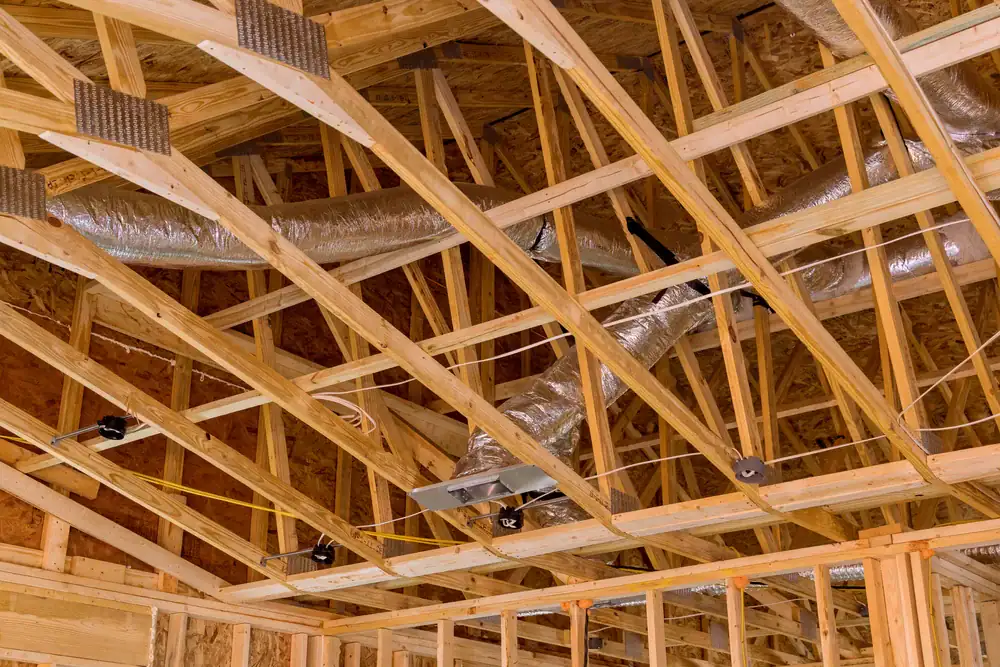
In Northwood Hills, we see a lot of homes with basements or crawl spaces where ducts run through unconditioned areas. That means higher humidity exposure, more dust infiltration, and a greater chance of mold growth inside the ductwork. We pay extra attention to those sections and check for moisture issues that could lead to bigger problems down the road.
If your ducts were affected by water damage, fire, or mold, we treat the job differently. That’s not just a cleaning—it’s a remediation. We’ll use antimicrobial treatments where appropriate, replace contaminated insulation, and make sure nothing gets spread to clean areas of your home. We set up containment barriers, wear protective gear, and follow the same protocols we use on certified mold jobs.
You also get our 24/7 availability. If something urgent comes up—like a sewage backup that’s pushed contamination into your HVAC system—we’re on-site in 60 to 90 minutes, not next week.
Most homes benefit from professional air duct cleaning every three to five years. That’s the general industry recommendation, and it’s based on normal accumulation of dust, pet dander, and everyday debris.
But your situation might be different. If you have pets, someone in the house with asthma or allergies, or you’ve done recent remodeling, you’re probably looking at the shorter end of that range. Construction dust gets everywhere, and it’s heavier and more abrasive than regular household dust.
If you’ve had water damage, a fire, or mold growth anywhere in your home, your ducts should be inspected and likely cleaned right away. Smoke particles and mold spores don’t just disappear—they circulate every time your system runs. Northwood Hills homes with crawl spaces or basements are especially vulnerable to moisture issues that can affect ductwork, so if you’ve noticed musty smells or higher humidity, don’t wait.
Yes, but the amount depends on how clogged your system is. If your ducts are packed with dust and debris, your HVAC has to run longer and work harder to move air. That means more energy use and higher bills.
The EPA estimates that cleaning your ducts and maintaining your HVAC system can improve efficiency by up to 20%. In real terms, that could mean 10-15% lower heating and cooling costs, especially if your system is older or hasn’t been serviced in years.
You’ll also extend the life of your equipment. When your blower motor doesn’t have to fight through buildup, it’s under less stress. That means fewer repairs and a longer lifespan for your furnace or air handler. In Northwood Hills, where we get cold winters and humid summers, your HVAC works year-round—so efficiency matters more than in milder climates.
There are a few clear signs. If you see dust blowing out of your vents when the system starts, that’s a red flag. If your home gets dusty quickly even after cleaning, or if you’re changing filters more often than you used to, your ducts are likely contributing to the problem.
Musty or stale odors when your HVAC runs are another indicator. That usually means mold, mildew, or accumulated organic debris inside the ductwork. If anyone in your house is experiencing worsening allergy or asthma symptoms—especially indoors—your ducts could be circulating allergens that are making things worse.
You can also pull off a vent cover and look inside with a flashlight. If you see visible dust, debris, or discoloration, it’s time. And if you’ve never had your ducts cleaned and you’ve lived in your Northwood Hills home for more than five years, it’s worth getting an inspection. We’ll tell you honestly whether you need a full cleaning or if you’re fine for now.
When it’s done correctly by trained professionals, yes—it’s completely safe and actually protects your system. The key is proper equipment and technique. We use HEPA filtration and negative air pressure to pull debris out of your ducts without spreading it into your living space.
We also protect your home during the process. That means shoe covers, containment barriers if needed, and sealed access points so nothing escapes. Our techs are IICRC-certified, which means they’ve been trained in safe cleaning methods that won’t damage ductwork, dislodge connections, or harm your HVAC components.
What’s not safe is letting someone without proper training or equipment attempt this work. We’ve seen duct cleaning jobs done by unqualified companies that actually made things worse—damaged flex duct, disconnected sections, or debris pushed further into the system instead of removed. We’ve also seen companies skip the HEPA filtration step, which just moves the problem from your ducts into your air. That’s why credentials and process matter. You’re not just paying for the cleaning—you’re paying for it to be done right.
They’re related but serve different purposes. Air duct cleaning focuses on your HVAC system—the ductwork that distributes heated and cooled air throughout your home. The goal is to improve indoor air quality, reduce allergens, and help your system run more efficiently.
Dryer vent cleaning is about safety. Lint buildup in your dryer vent is one of the leading causes of house fires in the U.S. When lint accumulates, it restricts airflow, makes your dryer work harder, and creates a serious fire hazard. It also makes your dryer less efficient—your clothes take longer to dry, and you’re wasting energy.
We recommend cleaning your dryer vent at least once a year, more often if you do a lot of laundry or have a long vent run. In Northwood Hills, where many homes have dryers in basements with vents that run up and out through exterior walls, buildup happens faster because of the distance and number of turns in the vent line. We handle both services, and if we’re already at your home for duct cleaning, it makes sense to knock out the dryer vent at the same time.
Yes. If your ducts need cleaning because of a covered event—like water damage, fire, smoke, or mold—we work directly with your insurance company to document the damage and get the work approved.
We use Xactimate pricing, which is the same estimating software most insurance adjusters use, so there’s no confusion or back-and-forth over costs. We also provide detailed photo documentation, moisture mapping if needed, and progress reports every 48 hours so your adjuster knows exactly what’s happening.
We’ve been doing insurance-backed restoration work since 2016, and we have a dedicated claims liaison on staff to handle communication with your carrier. That means you’re not stuck in the middle trying to translate between the contractor and the insurance company. We’ll walk you through the process, explain what’s covered, and handle the paperwork. If your ducts were contaminated by sewage, mold, or fire residue, that’s not a standard cleaning—it’s a remediation job, and it’s usually covered under your policy. We’ll make sure it’s done right and documented properly so you’re protected.
Other Services we provide in Northwood Hills