Hear from Our Customers
Your HVAC system stops working overtime. That means lower energy bills and equipment that lasts longer because it’s not pushing air through layers of dust, pet dander, and debris.
You notice the difference in how your home feels. Fewer allergy flare-ups, less dust settling on furniture, and air that doesn’t smell stale or musty when the heat or AC kicks on.
If anyone in your house deals with asthma or respiratory issues, clean ducts mean fewer triggers circulating through every room. Indoor air can be two to five times more polluted than outdoor air—sometimes over 100 times worse. Cleaning your ductwork addresses that at the source.
Your dryer vents get the same attention. Lint buildup causes roughly 2,900 house fires every year, with 34% traced directly to dirty vents. Clearing that out isn’t just about efficiency—it’s about keeping your family safe.
We’ve served Central Indiana since 2016 with IICRC certifications in water damage restoration, mold remediation, and applied structural drying. Those credentials matter because duct cleaning done wrong can spread contaminants instead of removing them.
You get a live person when you call—no voicemail tag. Most jobs get a 60 to 90-minute on-site response because timing matters when you’re dealing with air quality concerns or preparing a property for sale or occupancy.
Tilden sits in an area where humidity swings, older housing stock, and temperature extremes put extra strain on HVAC systems. Ducts collect more than dust here—mold spores, pollen, and moisture all find their way in. Knowing how Indiana’s climate affects indoor air quality shapes how we approach the work.
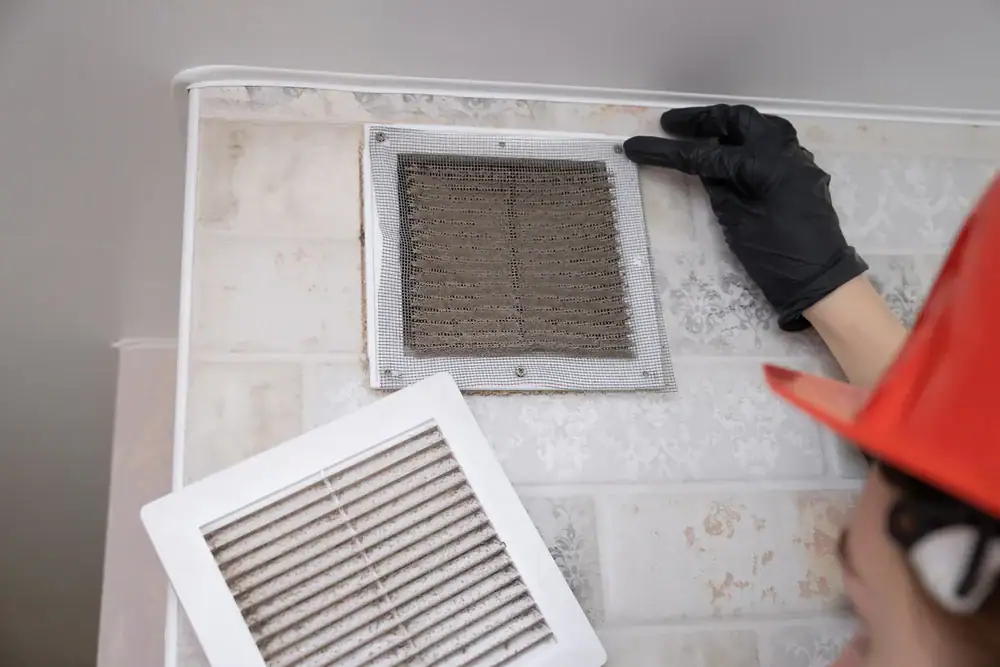
First, we inspect your ductwork and HVAC system to identify problem areas—heavy buildup, mold growth, or damaged sections that need attention. You’ll know what needs to be done before any work starts.
Containment comes next. HEPA filtration and protective barriers keep dust and debris from spreading into clean areas of your home. Shoe covers, sealed work zones, and controlled airflow mean the mess stays contained.
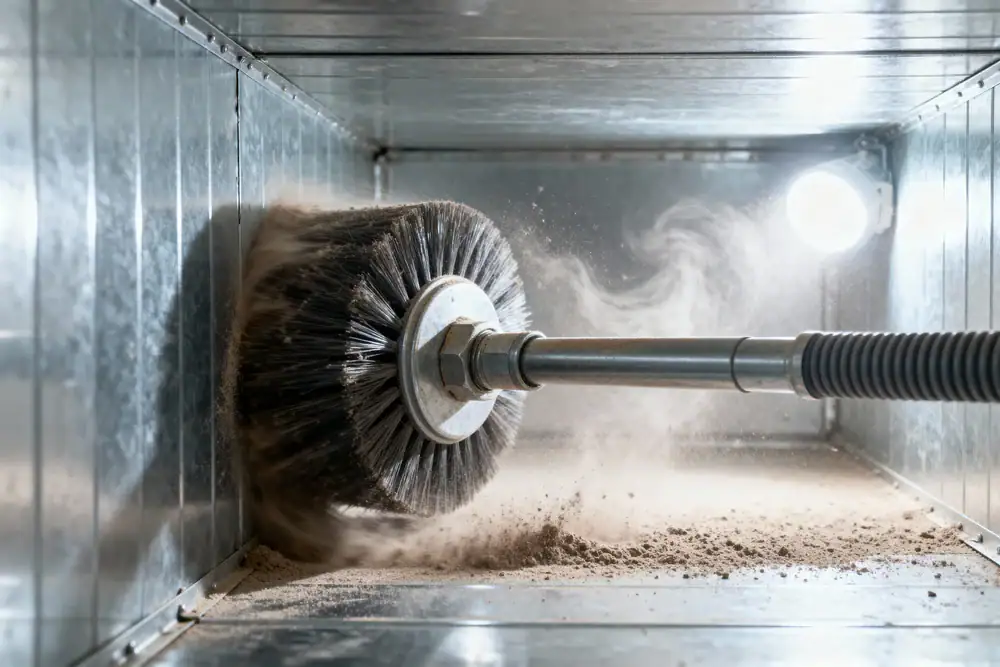
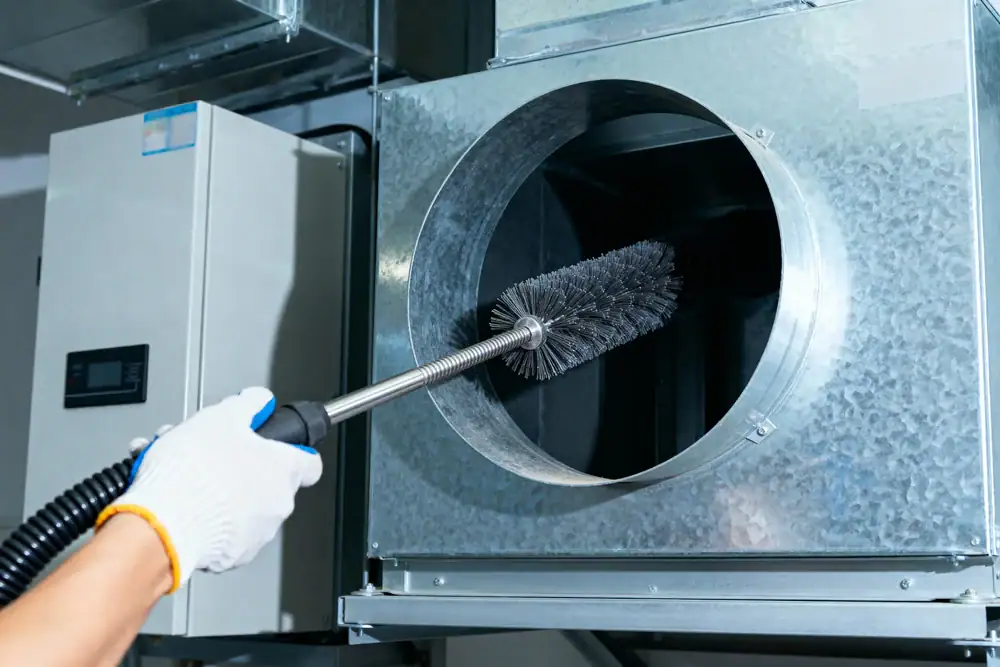
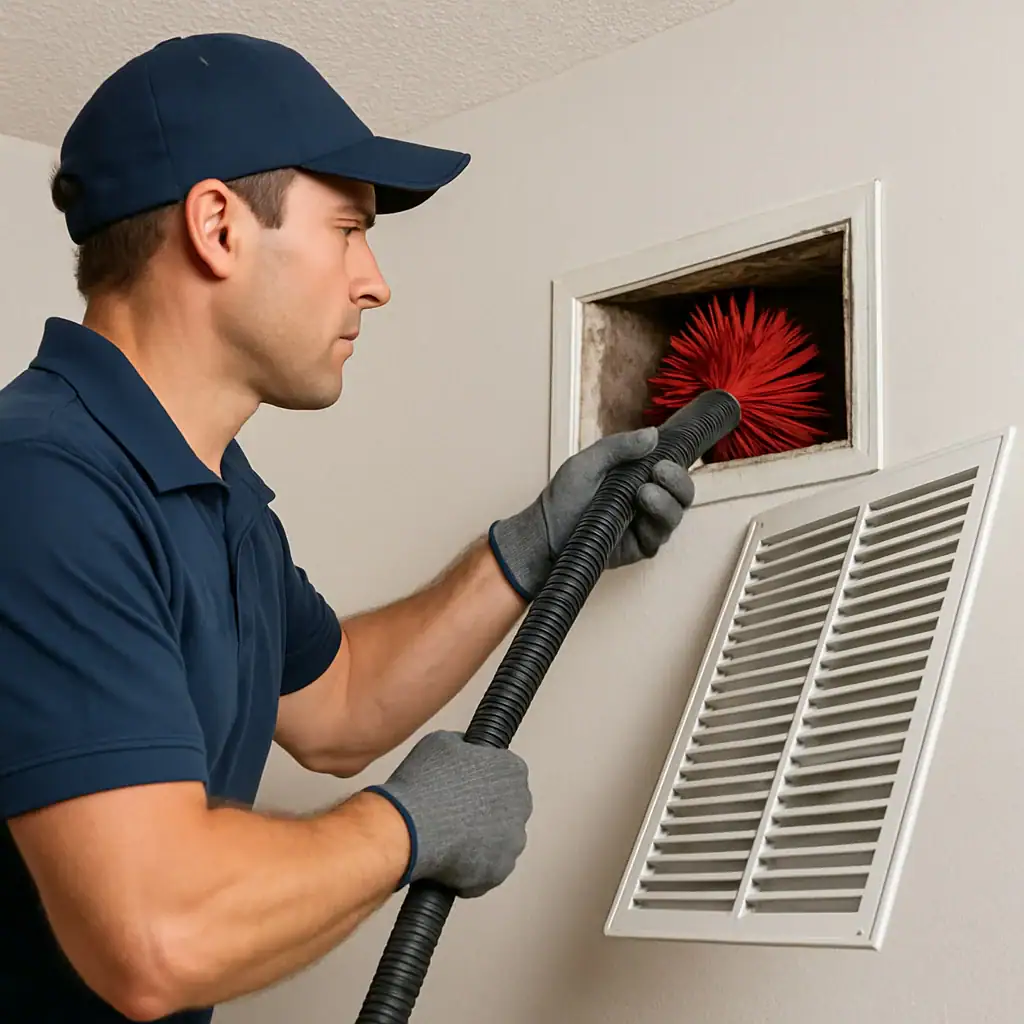
Truck-mounted equipment provides the suction power needed to pull out years of accumulated dust, allergens, and contaminants. Brushes and agitation tools loosen stuck-on debris, and everything gets extracted—not just pushed around.
Dryer vents get cleared using the same professional-grade equipment. Lint, fabric fibers, and blockages come out completely, restoring proper airflow and eliminating fire hazards.
After cleaning, you get a walkthrough showing what was removed and what your system looks like now. Documentation includes photos, and a 14-day follow-up ensures everything is still performing as expected.
Ready to get started?
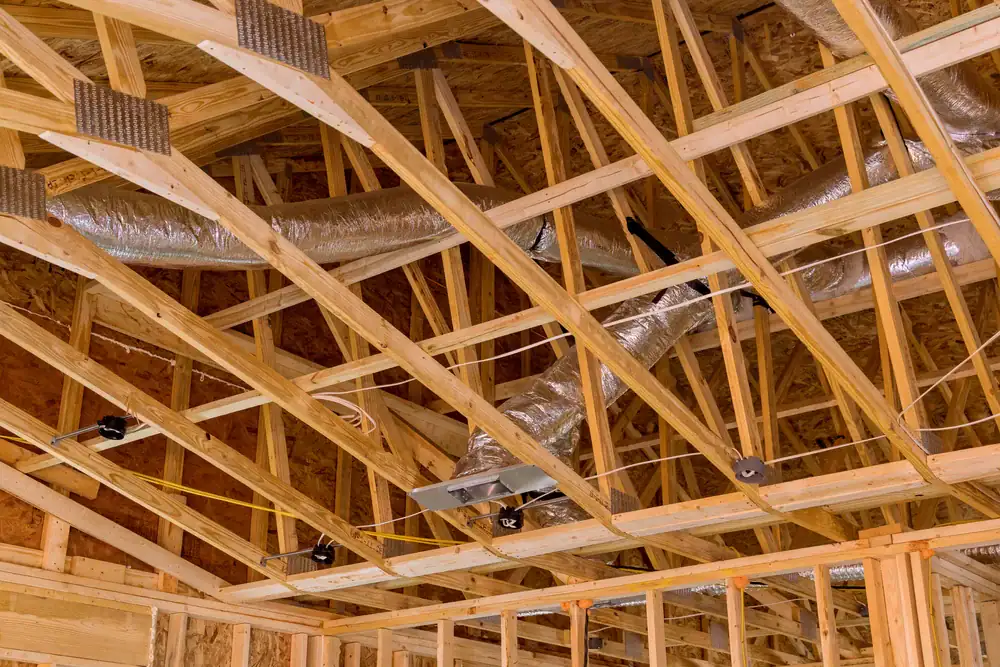
Every air duct cleaning covers your supply and return ducts, registers, grilles, and the main trunk lines where the bulk of contamination hides. The blower motor and evaporator coil get attention too—these components collect dust and reduce efficiency when neglected.
Dryer vent cleaning runs from the appliance to the exterior exhaust point. Blockages often form in bends and transitions where lint compresses. Clearing the entire run reduces drying time and cuts fire risk significantly.
In Tilden and surrounding areas, older homes often have ductwork that’s never been cleaned. Decades of dust, construction debris, and even pest droppings can accumulate. Indiana’s climate—hot, humid summers and cold winters—creates conditions where mold and mildew thrive in dark, damp ducts.
If your property recently experienced water damage, fire, or mold issues, duct cleaning becomes critical. Contaminants spread through your HVAC system and reintroduce problems even after remediation. Cleaning ducts after restoration work ensures the air circulating through your home is actually clean.
The National Air Duct Cleaners Association recommends cleaning every three to five years for most homes. That timeline shortens if you have pets, someone with allergies or asthma, recent renovations, or visible mold growth.
Indiana’s humidity and temperature swings mean ducts here collect moisture along with dust. That combination creates ideal conditions for mold and mildew, especially in older homes with less efficient HVAC systems.
If you’ve never had your ducts cleaned and you’ve lived in your home more than five years, it’s worth scheduling an inspection. You’ll see exactly what’s built up and whether cleaning makes sense now or can wait.
Those $49 offers are designed to get someone in your door. Once they arrive, the upsell starts—whole-house cleaning suddenly costs $1,500 to $5,200, and you’re pressured to decide on the spot.
Professional duct cleaning uses truck-mounted equipment with serious suction power, not a shop vac on wheels. IICRC-certified technicians follow containment protocols, use HEPA filtration, and document the work with photos and reporting.
You also get transparent pricing upfront. Xactimate-aligned estimates mean you know what the job costs before anyone shows up. No bait-and-switch, no high-pressure sales tactics—just clear communication about what your home needs and what it’ll cost.
Clean ducts improve airflow, which means your HVAC system doesn’t have to run as long or work as hard to heat or cool your home. That translates to lower energy consumption and reduced wear on your equipment.
The EPA notes that even a small amount of buildup on heating and cooling coils can reduce efficiency by up to 21%. When ducts are clogged with dust and debris, your system compensates by running longer cycles.
You’ll notice the difference most in extreme weather—hot summers and cold winters in Indiana put heavy demand on HVAC systems. Cleaner ducts mean better performance when you need it most, and that shows up in your utility bills over time.
Yes, especially if dust, pollen, pet dander, or mold spores are circulating through your HVAC system. Every time your system runs, it pulls air through those ducts and pushes it back into your living spaces.
Indoor air pollution consistently ranks among the top five environmental health risks according to the EPA. Symptoms like eye irritation, headaches, fatigue, and respiratory discomfort often improve once contaminants are removed from ductwork.
If someone in your home has asthma or severe allergies, clean ducts reduce triggers that make symptoms worse. It’s not a cure, but it removes one major source of indoor air pollution that you can actually control.
Most residential duct cleaning jobs take three to five hours depending on the size of your home, the number of vents, and how much buildup exists. Larger homes or properties with significant contamination take longer.
Dryer vent cleaning adds about 30 to 60 minutes. If you’re combining both services, expect us to be on-site for most of a day.
The process isn’t something you can rush. Proper containment, thorough cleaning, and final documentation all take time. You’ll get a walkthrough at the end showing what was removed and what your system looks like now, so you can see the work was done right.
Yes, and it’s often necessary after restoration work. Smoke particles, soot, and odors infiltrate ductwork during fires. Water damage creates humidity that promotes mold growth inside ducts even after the visible damage is repaired.
Our IICRC certifications in fire damage restoration and mold remediation mean we understand how contaminants spread through HVAC systems. Cleaning ducts after a loss prevents recontamination and ensures the air quality in your home is safe.
Insurance companies often cover duct cleaning as part of fire or water damage claims. Xactimate pricing and direct billing make the process straightforward—you’re not stuck negotiating with adjusters or paying out of pocket upfront.
Other Services we provide in Tilden