Hear from Our Customers
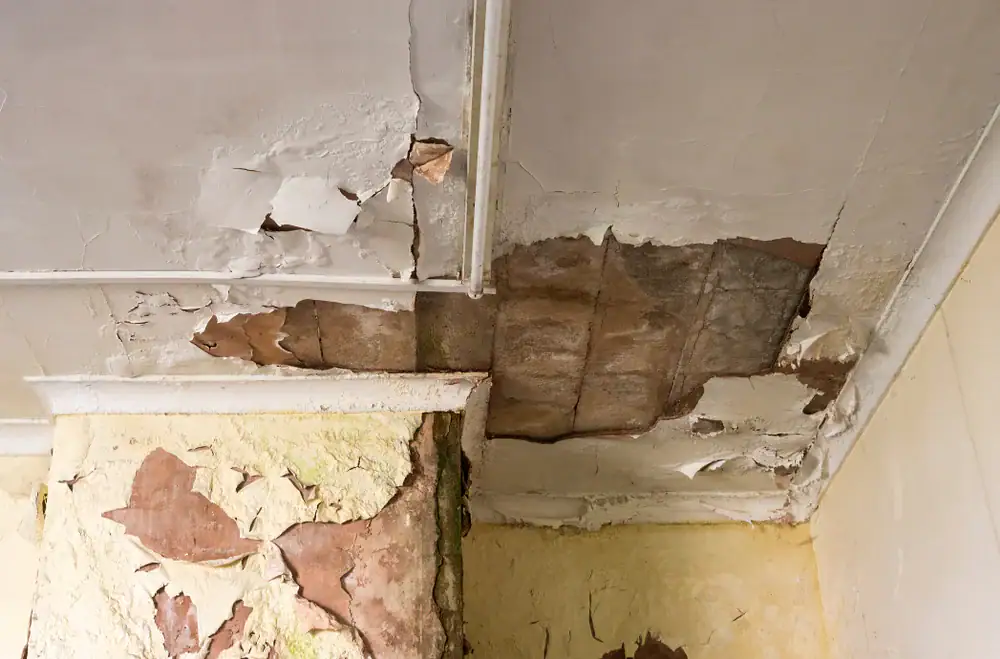
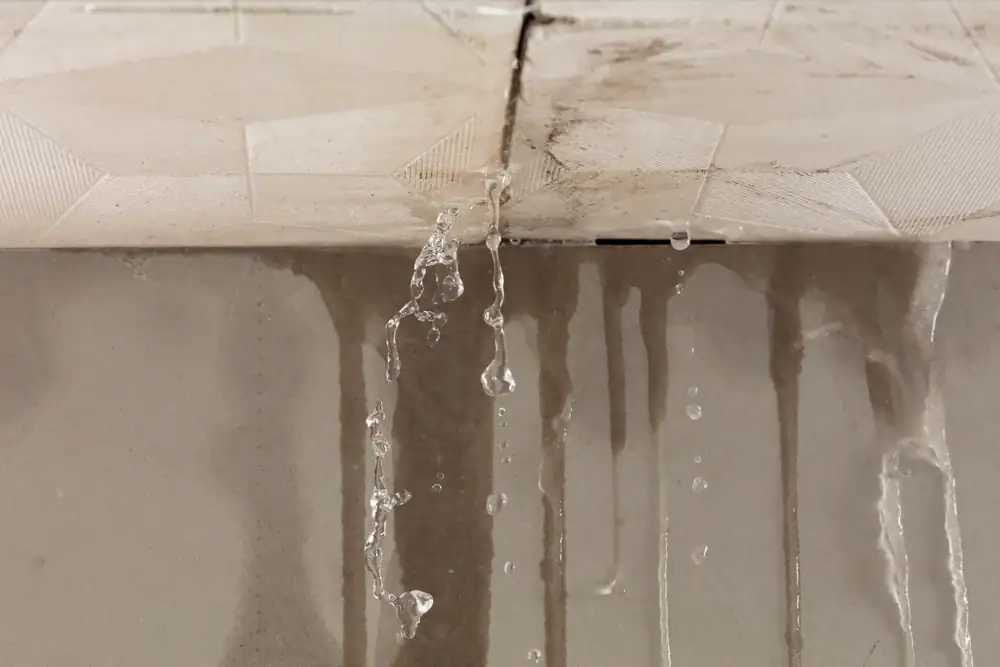
Water doesn’t just sit on surfaces. It travels behind walls, under floors, into insulation where you can’t see it. If moisture gets trapped, mold starts growing within 48 hours.
That’s the window you’re working with.
Our water damage restoration process stops that clock. We extract standing water, map hidden moisture with thermal imaging, set up industrial dehumidifiers, and document everything your insurance company needs to see. You get a dry structure, photo-backed proof of work, and a follow-up inspection two weeks later to confirm nothing came back.
The outcome isn’t just dry drywall. It’s a home that won’t grow mold, floors that won’t buckle, and an insurance claim that doesn’t get kicked back because someone forgot to take pictures. We’ve been doing this since 2016, and we know what adjusters look for before they even ask.
We’ve served Bud, IN and the greater Indianapolis area since 2016. We’re IICRC-certified in Water Restoration (WRT), Applied Structural Drying (ASD), and Applied Microbial Remediation (AMRT)—the credentials your insurance company recognizes and trusts.
You won’t get a call center when you dial our number. You’ll reach someone who can dispatch a truck to your property in Bud within 60 to 90 minutes, day or night. We know Indiana’s freeze-thaw cycles, spring flooding risks, and how older homes in this area tend to handle water intrusion.
We also know how stressful this is. That’s why we handle the insurance paperwork, invoice directly to your carrier, and send you progress updates every 48 hours until the job is done.
First, we answer the phone—live, not a recording. You tell us what happened, and we’re on our way within the hour in most cases.
When we arrive, we assess the damage, identify the water source, and stop it if it’s still active. Then we extract standing water using truck-mounted pumps and portable extractors. Next comes moisture mapping: we use thermal cameras and moisture meters to find water you can’t see. Every wet area gets flagged and photographed.
After extraction, we place commercial-grade air movers and dehumidifiers to pull moisture out of materials. We set up containment barriers and HEPA filtration to protect the rest of your home. You’ll get a full report within 24 hours—photos, moisture readings, equipment list, and drying plan.
We monitor progress every day and update you every 48 hours. Once moisture levels hit industry-standard dry goals, we remove equipment, do a final walkthrough with you, and schedule a follow-up visit 14 days later to make sure nothing came back. If your insurance requires it, we coordinate directly with adjusters and submit all documentation in the format they expect.
Ready to get started?
You’re getting more than a guy with a shop vac. Our water damage restoration service includes emergency water extraction, structural drying, moisture detection, antimicrobial treatment, odor control, contents pack-out if needed, and full insurance documentation.
Bud sits in an area where spring storms and rapid snowmelt create serious flooding risks. We’ve seen basements fill up in hours and crawl spaces stay wet for weeks because the water had nowhere to go. That’s why we also offer crawl space drying, sump pump failure cleanup, and sewage backflow remediation when the situation calls for it.
If your HVAC system pulled in smoke or odors during a water event, we clean ductwork. If belongings need to be moved and stored while floors dry, we handle pack-out and climate-controlled storage. And if you’re dealing with a traumatic loss—like a death or serious accident—we provide discreet biohazard cleanup with the same speed and professionalism.
Every job gets the same containment protocols, HEPA filtration, and protective measures. We wear shoe covers, seal off work areas, and treat your property the way we’d want ours treated.
In most cases, we’re on-site within 60 to 90 minutes. That’s not an estimate—it’s what we plan for every time the phone rings.
Speed matters because water damage gets worse by the hour. Drywall soaks up moisture, wood starts to swell, and mold spores begin colonizing within 24 to 48 hours. The faster we extract water and start drying, the less material you’ll need to replace and the lower your total restoration cost.
We run a 24/7 operation, so whether you call at 2 a.m. or 2 p.m., you’re getting the same rapid response. Our trucks are stocked and ready, and our techs live in the area—so we’re not driving in from two counties over.
It depends on what caused the water damage. Most homeowners policies cover sudden and accidental water damage—like a burst pipe, appliance failure, or storm-related roof leak. They typically don’t cover flooding from rising water or long-term neglect like a slow leak you ignored for months.
We work with insurance companies every day, and we know how to document jobs so your claim doesn’t get denied over missing photos or vague descriptions. We’ll take detailed moisture readings, photograph every affected area, and write up a scope of work using Xactimate—the pricing software most insurers use.
If your claim gets approved, we can invoice your insurance company directly so you’re not fronting the full cost out of pocket. And if there’s a dispute over pricing or scope, we’ll walk you through it and provide the backup documentation adjusters need to see. We’ve dealt with desk adjusters and third-party administrators enough times to know what triggers a reduction and how to avoid it.
We use thermal imaging cameras and pin-type moisture meters. The camera shows us temperature differences that indicate wet insulation or trapped moisture. The meter gives us exact readings inside materials like drywall, subfloor, and framing lumber.
Water doesn’t stop where you see it. It wicks up walls through capillary action, spreads along subfloors, and pools in cavities you’d never think to check. If we only dried what’s visible, you’d end up with mold growth in hidden spaces a month later—and a much bigger problem.
Every wet zone gets mapped and documented. We’ll show you the readings, explain what they mean, and track them daily until everything hits the industry-standard dry goal. That’s typically below 15% moisture content for wood and under 1% for concrete, depending on the material. Once we hit those numbers and they stay stable for 24 hours, we know the structure is actually dry—not just surface dry.
Water damage cleanup means we remove the water, dry out the structure, and prevent mold. Full restoration means we also rebuild—new drywall, paint, flooring, trim, whatever got damaged.
We handle both, but they’re separate phases. Cleanup and drying come first because you can’t rebuild on wet materials. Once everything is confirmed dry and we’ve completed post-remediation documentation, reconstruction starts.
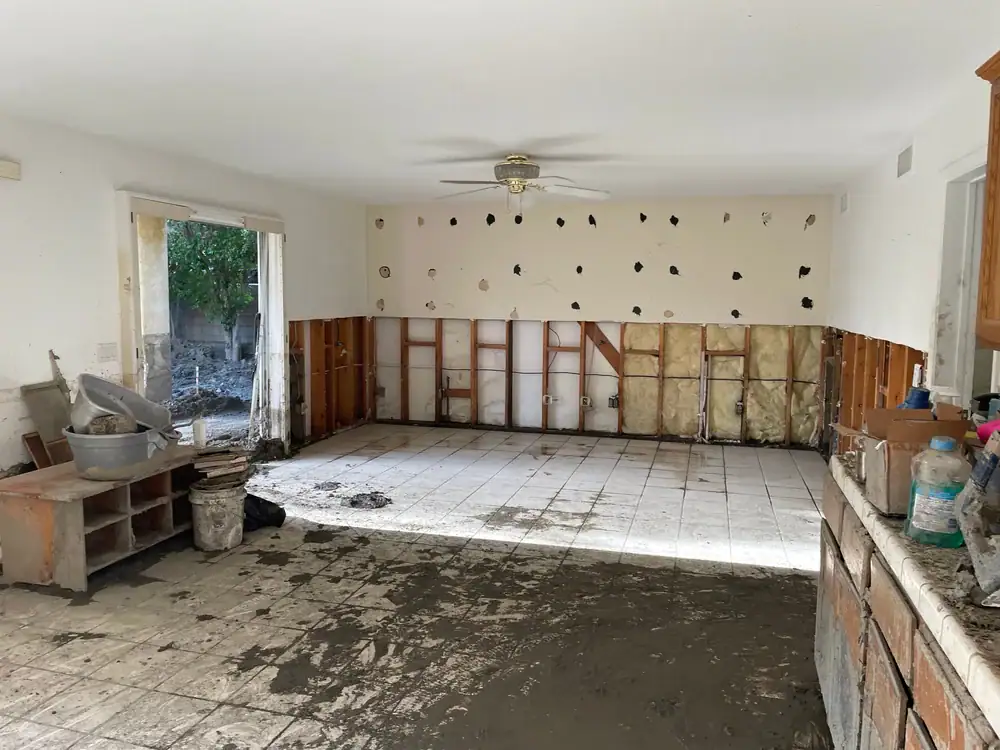
Some jobs only need cleanup. If we catch the water fast and materials didn’t saturate, you might just need drying and disinfection. Other jobs require demolition—ripping out baseboards, cutting drywall two feet up, pulling subfloor. It depends on how long the water sat, what type of water it was (clean supply line vs. sewer backup), and what materials got hit. We’ll tell you exactly what needs to go and what can stay after we complete the initial assessment.
Drying usually takes three to five days, but it varies based on how much water there was, what materials got wet, and how humid it is outside. A small supply line leak might dry in 72 hours. A finished basement that took on three inches of water could take a week.
We’re not guessing. We’re taking moisture readings twice a day and adjusting equipment as needed. If readings aren’t dropping fast enough, we add more dehumidifiers or air movers. If one area is drying slower than others, we reposition equipment to target that zone.
You’ll know where we’re at because we send progress updates every 48 hours. And we don’t pull equipment until moisture levels are stable at dry standards for at least 24 hours. Pulling gear too early is how you end up with mold three weeks later, and we’re not doing that to save a day of rental costs.
We work directly with your insurance company on approved claims. That means we bill them, not you—so you’re not stuck fronting thousands of dollars while waiting for reimbursement.
Here’s how it works: You file the claim and let your adjuster know you’re using Elite Clean Restoration. We send over our scope, photos, and moisture documentation. Once the claim is approved, we invoice the carrier using Xactimate pricing, which is the industry standard they already recognize.
If it’s a non-insurance job—maybe your deductible is higher than the repair cost, or the damage isn’t covered—we offer discounts for military, first responders, teachers, and seniors. Either way, you’ll get transparent pricing before we start. No surprise bills, no inflated line items, no games.
Other Services we provide in Bud