Hear from Our Customers
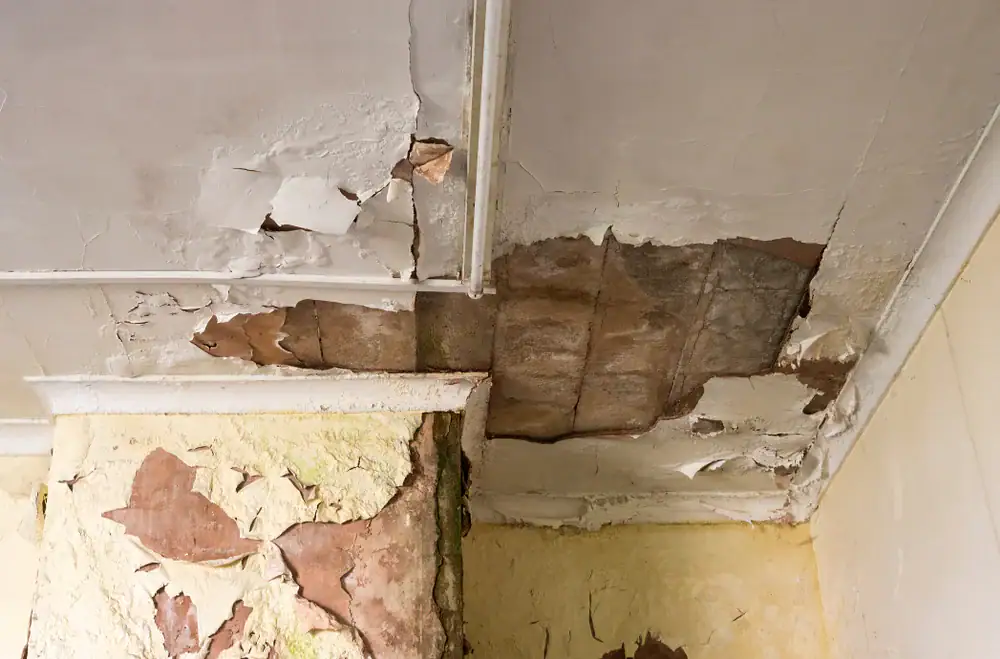
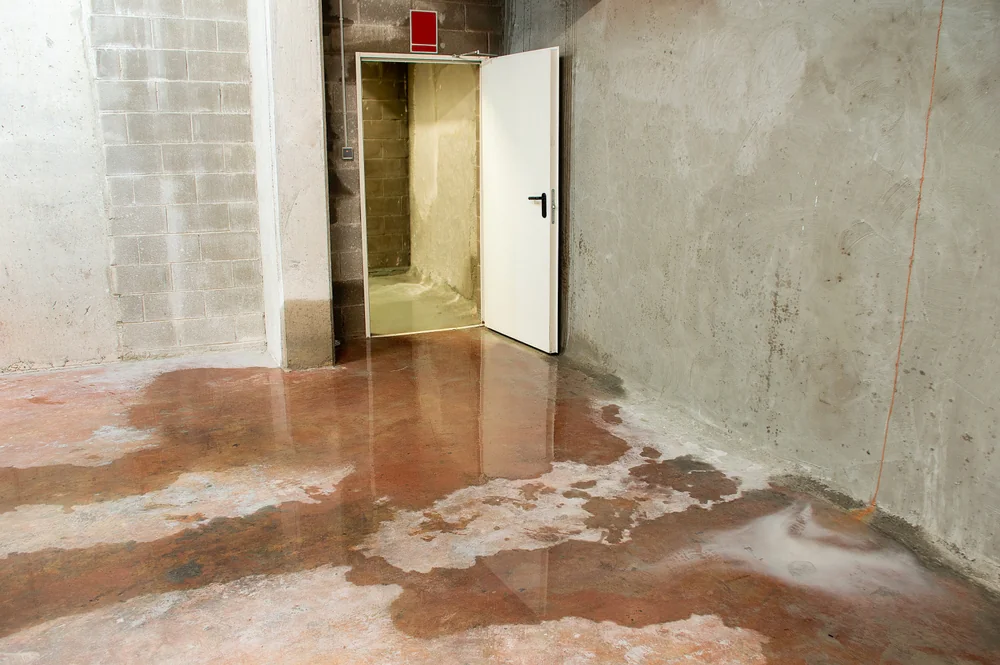
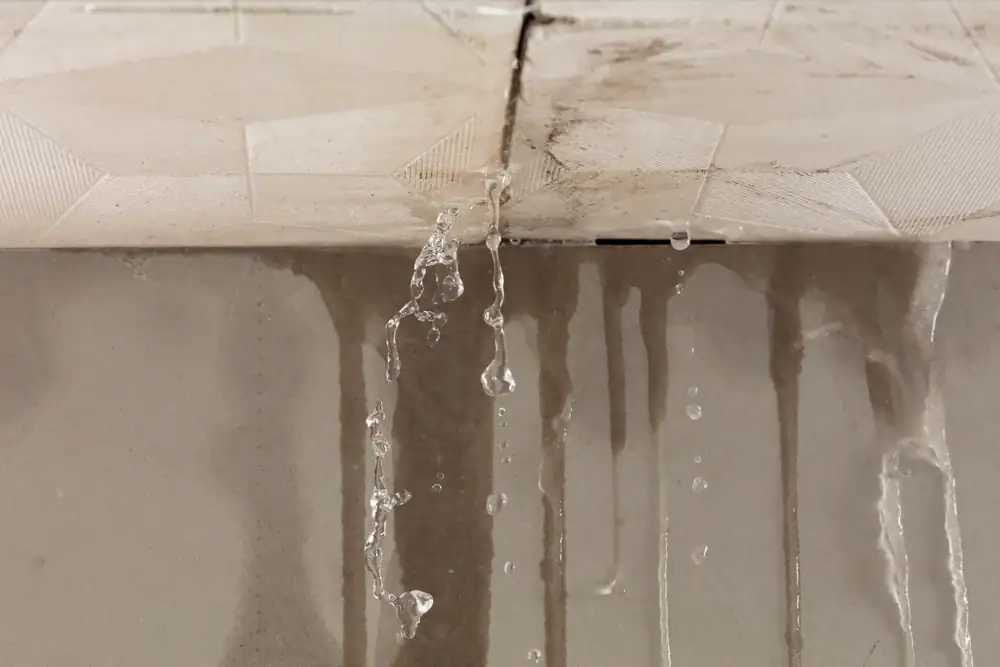
The water you see isn’t the problem. It’s what’s soaking into your subfloor, creeping up your drywall, and settling into spaces you can’t reach that costs you later.
Every hour of standing water doubles your risk of permanent damage and mold growth. That’s why our water damage restoration process starts with industrial extraction and moisture mapping within the first 90 minutes. We’re not mopping up—we’re pulling water from materials before they’re compromised.
You get a property that’s actually dry, not just surface-level. Floors that don’t need replacing. Walls without hidden mold colonies. And documentation that shows your insurance exactly what was done, when, and why. Most customers are back to normal in three to five days instead of dealing with weeks of uncertainty.
We’ve been handling water damage restoration in Clermont Heights and across Marion County since 2016. Our team holds IICRC certifications in Water Restoration (WRT), Applied Structural Drying (ASD), and Applied Microbial Remediation (AMRT)—the credentials your insurance company actually recognizes.
Central Indiana’s freeze-thaw cycles and spring flooding aren’t new to us. We’ve dried out basements after sump pump failures, handled burst pipe emergencies in January, and mitigated storm damage when the neighborhood’s dealing with the same thing. You’re not explaining your situation to someone reading a script.
We’re BBB-accredited, minority and women-owned, and we answer our phone 24/7. Not a call center—our team. Because when you’re standing in two inches of water at 11 p.m., you need someone who can actually help, not take a message.
You call, we answer—live, not voicemail. We ask a few questions about what you’re seeing, then dispatch a crew. Most Clermont Heights properties get a 60 to 90-minute arrival time.
First visit is assessment and containment. We document everything with photos and moisture readings, set up extraction equipment, and establish HEPA-filtered containment so the rest of your property stays clean. You’ll have a moisture map and initial report within 24 hours, then progress updates every 48 hours after that.
Drying typically takes three to five days depending on materials and saturation levels. We’re monitoring moisture daily with calibrated meters—not guessing. Once readings hit target levels, we do a final walkthrough, remove equipment, and follow up two weeks later to confirm everything stayed dry. If you’re filing insurance, we bill them directly using Xactimate pricing so you’re not fronting thousands of dollars.
Ready to get started?
You’re getting full water extraction with truck-mounted and portable units, structural drying with commercial dehumidifiers and air movers, and antimicrobial treatment on affected surfaces. We handle contents pack-out if furniture or belongings need off-site drying or storage.
Clermont Heights homes—especially older builds near the White River corridor—often have crawl space moisture issues that go unnoticed until a major event. We dry and treat those spaces with the same attention as your main living areas because that’s where mold starts. If your HVAC system was running during the event, we’ll inspect ductwork for contamination.
Every job includes thermal imaging to find hidden moisture, daily moisture mapping to track progress, and detailed photo documentation your insurance adjuster will actually use. We also coordinate directly with your claims liaison so you’re not playing phone tag between your agent and the restoration crew. And if the damage exposed mold, we’re certified for full remediation—no need to bring in a second company.
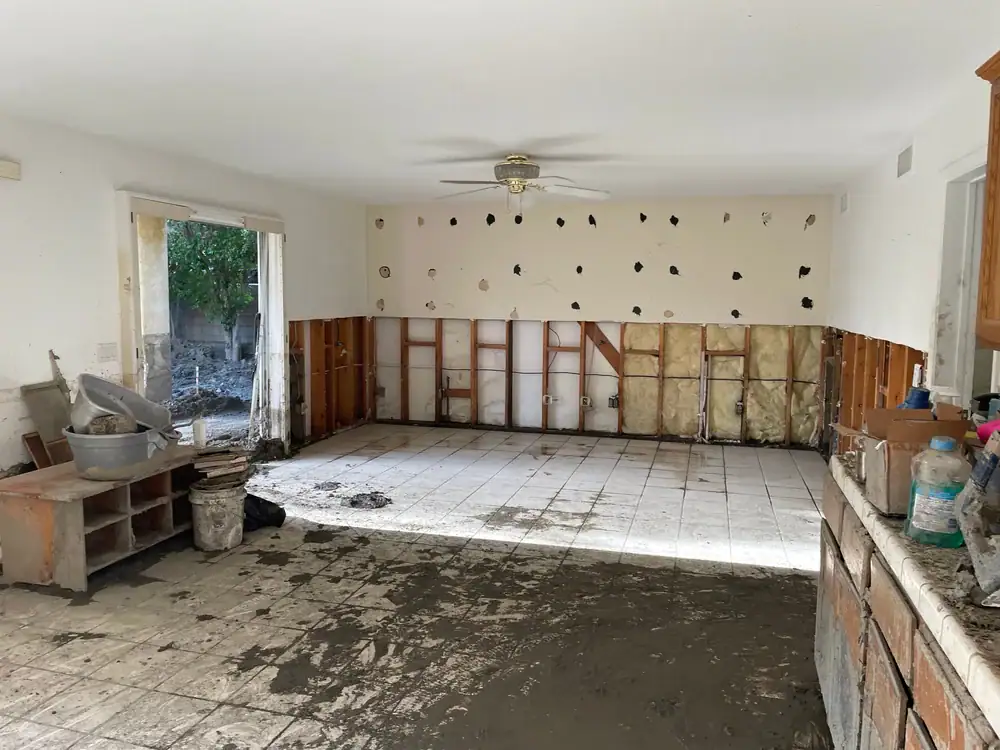
Mold starts growing within 24 to 48 hours in the right conditions, and Central Indiana’s humidity makes that window even tighter. If your property has standing water or saturated materials and it’s above 60 degrees, you’re on the clock.
Basements are the biggest risk area in Clermont Heights because they stay damp naturally. Add a water event and poor ventilation, and you’ve got active mold growth before the weekend’s over. That’s why we prioritize rapid extraction and dehumidification—getting materials below 15% moisture content stops mold before it colonizes.
If you’re seeing water damage, assume mold risk is high after day two. The longer you wait to call a water damage company, the more likely you’re paying for both water restoration and mold remediation instead of just one.
It depends on the source. Sudden and accidental water damage—like a burst pipe, appliance failure, or roof leak during a storm—is typically covered under standard homeowners policies. Flooding from external sources like river overflow or heavy rain requires separate flood insurance.
Insurance companies want to see that you mitigated damage quickly. That means calling a water damage restoration company right away, not waiting to see if it dries on its own. We document everything from first contact using Xactimate software, which is the same estimating platform most adjusters use, so there’s no dispute over pricing or scope.
We also bill your insurance directly on covered claims, so you’re not paying out of pocket and waiting for reimbursement. For non-covered events or if you’re below your deductible, we offer discounts for military, seniors, first responders, and teachers. Best move: call us and your agent the same day so we can coordinate and get you answers fast.
Extraction removes standing water—the stuff you can see pooling on floors or soaking carpets. Structural drying removes moisture that’s already absorbed into building materials like drywall, subfloors, insulation, and framing. Extraction is step one. Drying is what prevents long-term damage.
A wet-dry vacuum or mop handles surface water, but it won’t pull moisture from inside a wall cavity or underneath vinyl flooring. That requires commercial dehumidifiers, air movers, and daily monitoring with moisture meters. We’re measuring specific materials—not just room humidity—to confirm they’re hitting safe levels, usually below 15% moisture content.
Clermont Heights homes with hardwood floors or finished basements need this level of attention because those materials hold water and warp, buckle, or rot if not dried properly. If someone’s only doing extraction and calling it done, you’re going to have problems in two weeks when your floor starts cupping or you smell mold behind the baseboard.
Most residential water damage jobs take three to five days of active drying, but that depends on how much water, what materials got wet, and how fast we started. A small bathroom with tile floors might be done in two days. A finished basement with carpet, drywall, and insulation could take a full week.
We’re not guessing or pulling equipment early to move to the next job. Drying is done when moisture readings say it’s done, and we check daily. If your subfloor is still reading 18% moisture on day four, equipment stays until it hits target—usually under 15%. Pulling out too early just means you’re calling us back in two weeks for mold remediation.
The timeline also depends on how quickly you called. If we’re on-site within a few hours of the event, we’re ahead of secondary damage. If water sat for two days before you reached out, we’re dealing with more saturation and higher mold risk, which extends the process. Fast action shortens the job and cuts your total cost.
Not usually, but it depends on the scope and location of the damage. If we’re drying a basement or a single room and can contain the work area, most families stay in the home. The equipment’s loud—dehumidifiers and air movers run 24/7—but it’s manageable if the damage isn’t in your main living space.
If the water damage is extensive, involves contaminated water like sewage backup, or requires major demolition, we’ll recommend staying elsewhere until the environment is safe. We use containment barriers and HEPA filtration to keep dust and airborne particles out of unaffected areas, but some jobs are just too disruptive or pose health risks.
For Clermont Heights properties with crawl space flooding or attic leaks, you can usually stay put because the work’s isolated. We’ll walk you through what to expect on day one so you can plan accordingly. And if you do need to relocate temporarily, many insurance policies cover additional living expenses—we’ll include that in our documentation so your adjuster has what they need.
You can handle minor spills or small leaks if you act immediately—like an overflowed sink that’s been wet for an hour. Anything beyond that, you’re risking hidden damage that costs more later. DIY drying doesn’t reach moisture inside walls, under flooring, or in structural cavities where mold grows.
Insurance companies also want professional documentation. If you try drying it yourself and mold shows up two months later, your claim might get denied because there’s no proof of proper mitigation. We provide moisture maps, photo logs, and progress reports that satisfy adjusters and protect your claim.
The bigger issue is equipment. Box fans and household dehumidifiers can’t move enough air or pull enough moisture to dry a structure properly, especially in humid Indiana summers. Our commercial gear processes hundreds of pints per day and creates airflow that reaches all affected materials. If your water damage involves more than one room, a crawl space, or any amount of standing water, calling a water damage restoration company isn’t overkill—it’s the only way to actually solve the problem instead of covering it up.
Other Services we provide in Clermont Heights